Verified Complaint Form Sample With Answer In Santa Clara
Description








Get your form ready online
Our built-in tools help you complete, sign, share, and store your documents in one place.
Make edits, fill in missing information, and update formatting in US Legal Forms—just like you would in MS Word.
Download a copy, print it, send it by email, or mail it via USPS—whatever works best for your next step.
Sign and collect signatures with our SignNow integration. Send to multiple recipients, set reminders, and more. Go Premium to unlock E-Sign.
If this form requires notarization, complete it online through a secure video call—no need to meet a notary in person or wait for an appointment.
We protect your documents and personal data by following strict security and privacy standards.

Make edits, fill in missing information, and update formatting in US Legal Forms—just like you would in MS Word.

Download a copy, print it, send it by email, or mail it via USPS—whatever works best for your next step.

Sign and collect signatures with our SignNow integration. Send to multiple recipients, set reminders, and more. Go Premium to unlock E-Sign.

If this form requires notarization, complete it online through a secure video call—no need to meet a notary in person or wait for an appointment.

We protect your documents and personal data by following strict security and privacy standards.
Looking for another form?







Form popularity
FAQ
On a separate page or pages, write a short and plain statement of the answer to the allegations in the complaint. Number the paragraphs. The answer should correspond to each paragraph in the complaint, with paragraph 1 of the answer corresponding to paragraph 1 of the complaint, etc.
Your answer should include the court name, case name, case number, and your affirmative defenses. Print three copies of your answer. File one with the clerk's office and mail (or “serve”) one to the plaintiff or plaintiff's attorney.
You would respond to the court with a general denial of all of the allegations regarding you owing the debt and the actual amount of the debt. What you do is copy the heading on the top of the complaint and then under that you title your document Answer.
On a separate page or pages, write a short and plain statement of the answer to the allegations in the complaint. Number the paragraphs. The answer should correspond to each paragraph in the complaint, with paragraph 1 of the answer corresponding to paragraph 1 of the complaint, etc.
As a recipient of legal documents, you have the right to refuse service from a process server. However, it's important to understand that this doesn't necessarily make the legal matter go away. It's also crucial to note that refusing service does not mean you can avoid facing the legal matter altogether.
Information To Include in Your Letter Give the basics. Tell your story. Explain how you want to resolve the problem. Describe your next steps. Send your complaint letter. Your Mailing Address Your City, State, Zip Code Your email address
Your answer should include the court name, case name, case number, and your affirmative defenses. Print three copies of your answer. File one with the clerk's office and mail (or “serve”) one to the plaintiff or plaintiff's attorney. The plaintiff is the debt collector, creditor, or law firm suing you.
Verified Answer Every paragraph of the complaint must be answered, and a verification must be included in the response. When you verify a pleading, you are stating that, under penalty of perjury, you are stating the truth.
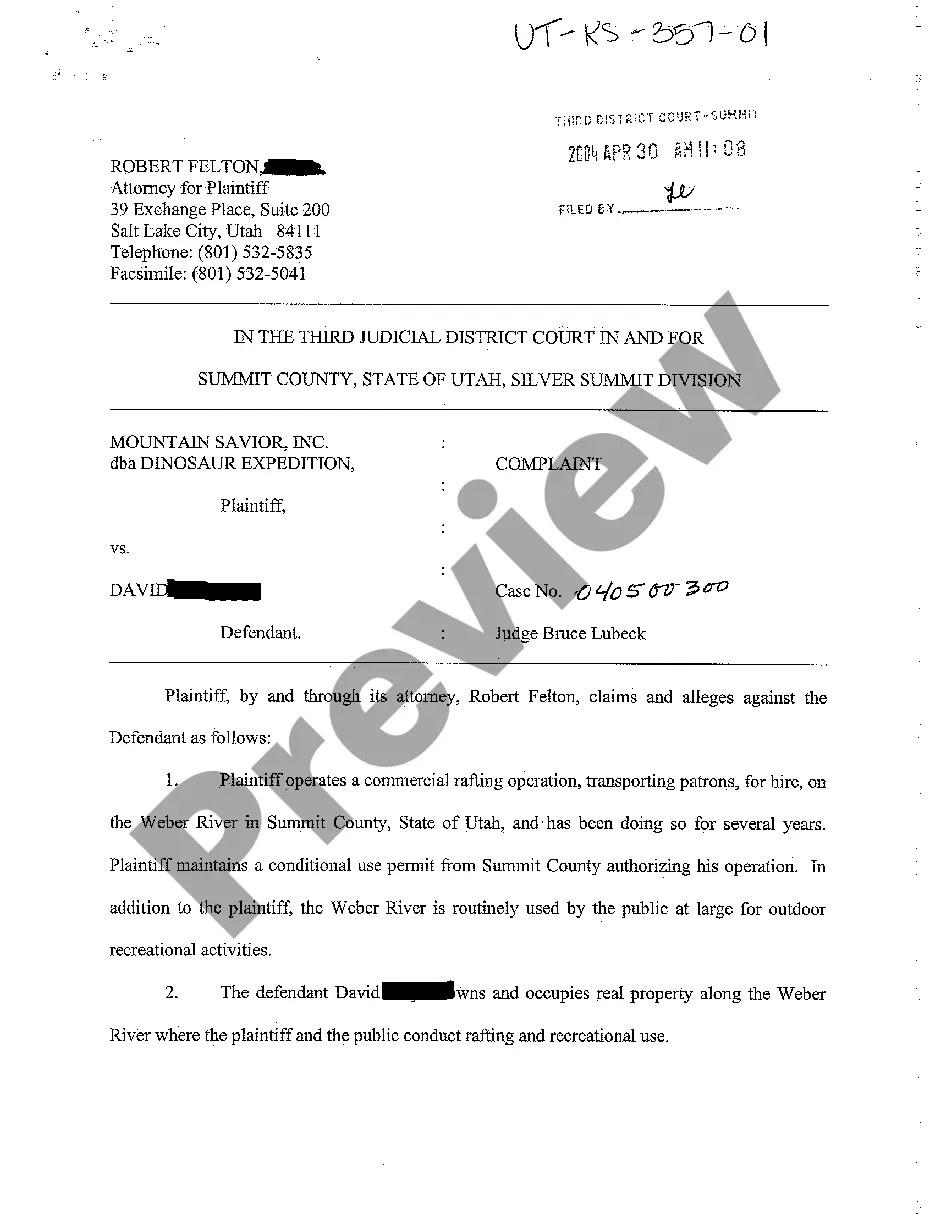
A complaint where the plaintiff (or, in limited cases, the plaintiff's counsel) swears to the allegations, demonstrating to a court that the plaintiff has investigated the charges against the defendant and found them to be of substance.
The defendant's response to a complaint is called the answer. The answer contains the defendant's version of the events leading to the lawsuit and may be based on the contents of the complaint. The filing of the answer is one option that the defendant has in deciding how to respond to the complaint.
