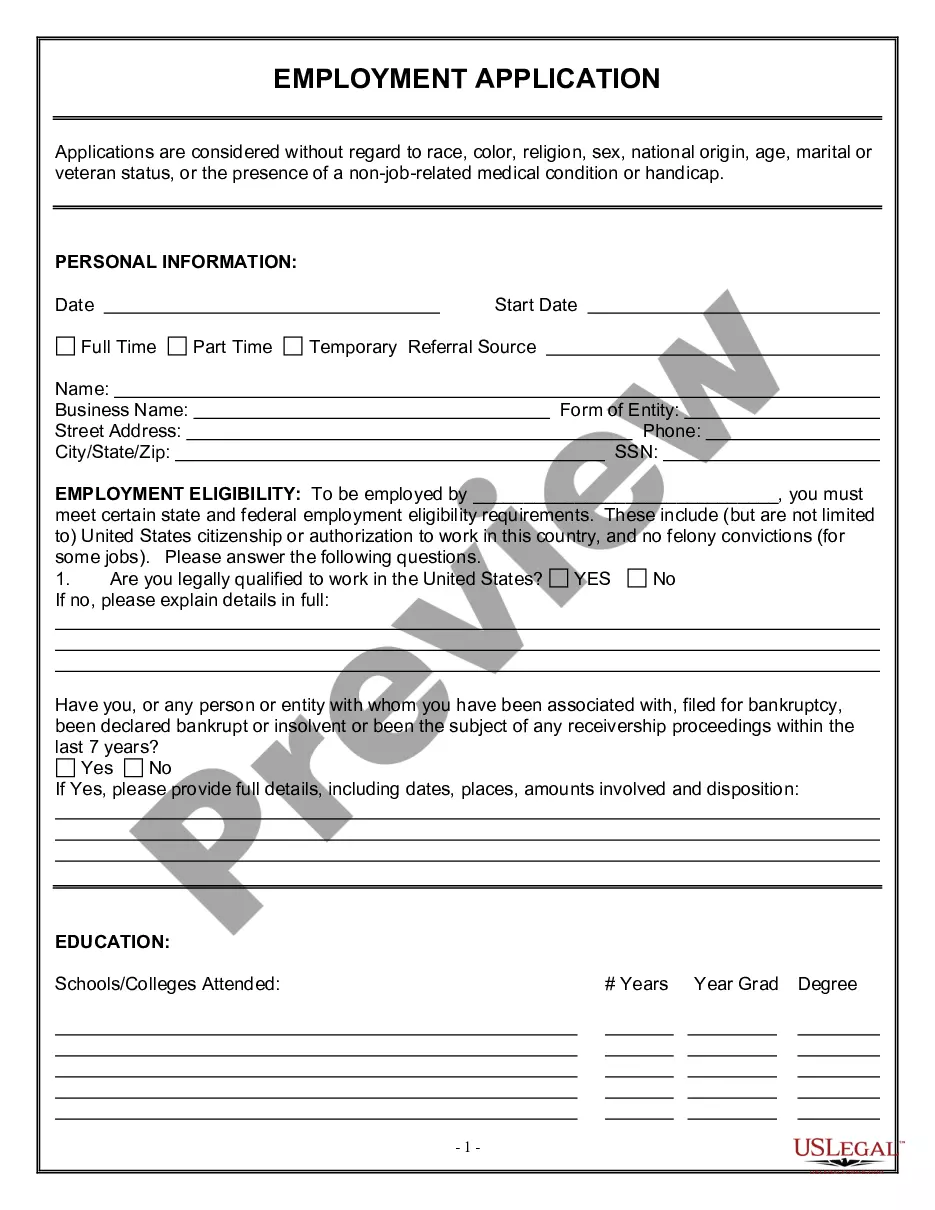
Repossession Letter Sample With Lienholder In Palm Beach
Description








Get your form ready online
Our built-in tools help you complete, sign, share, and store your documents in one place.
Make edits, fill in missing information, and update formatting in US Legal Forms—just like you would in MS Word.
Download a copy, print it, send it by email, or mail it via USPS—whatever works best for your next step.
Sign and collect signatures with our SignNow integration. Send to multiple recipients, set reminders, and more. Go Premium to unlock E-Sign.
If this form requires notarization, complete it online through a secure video call—no need to meet a notary in person or wait for an appointment.
We protect your documents and personal data by following strict security and privacy standards.

Make edits, fill in missing information, and update formatting in US Legal Forms—just like you would in MS Word.

Download a copy, print it, send it by email, or mail it via USPS—whatever works best for your next step.

Sign and collect signatures with our SignNow integration. Send to multiple recipients, set reminders, and more. Go Premium to unlock E-Sign.

If this form requires notarization, complete it online through a secure video call—no need to meet a notary in person or wait for an appointment.

We protect your documents and personal data by following strict security and privacy standards.
Looking for another form?





Form popularity
FAQ
What Happens If the Repo Agent Doesn't Find Your Car? But if you make it hard for the repo agent to get it, then the creditor may use another method to get the car back, called "replevin." Replevin can be just as costly as a repossession, if not more so.
This formally sets in motion the mortgage approval process and acts as a starting point for the lender to begin its due diligence on the property. In this context, the LOI might include the address of the new property, the amount you intend to finance, and the names of all borrowers requesting the loan.
A repossession affidavit is a legal statement filed with the Department of Motor Vehicles when you repossess a car from a customer. This document provides details about the repossession such as why and how the vehicle was repossessed. It also informs government authorities that the vehicle has been repossessed.
Once your debtor is in default, you can repossess the car at any time without prior notice and you can even go onto the debtor's property to seize the car. That being said, you are not allowed to seize a vehicle by using physical violence or threats of force.
You are hereby notified that your description of motor vehicle, year, make, model and VIN #, was lawfully repossessed on Date because you defaulted on your loan with Credit Union Name. The vehicle is being held at location address of vehicle. be sold at public sale. A sale could include a lease or license.
Know the Repo Laws of Your State. The first thing to know about how to repo a car is you need to be aware of how repo laws stand within the jurisdictions where you will conduct business. Make Sure the Debtor Is in Default. Locate and Verify the Car. Choose the Method to Repossess. Do Not Breach the Peace.
Upon verifying the E-Title, your customer should sign a completed form HSMV 82139 Notice of Lien. Submit the completed form HSMV 82139, the printout of the title status and a check (see fees) to the Tax Collector's office. The lien will be added to show you as lien holder.
Under Florida law, your lender must give you an opportunity to meet at a mutually agreed-upon place to surrender the car and remove your belongings before the lender repossesses the car. If you don't do this, lenders aren't required to give you any further notice before the repossession.