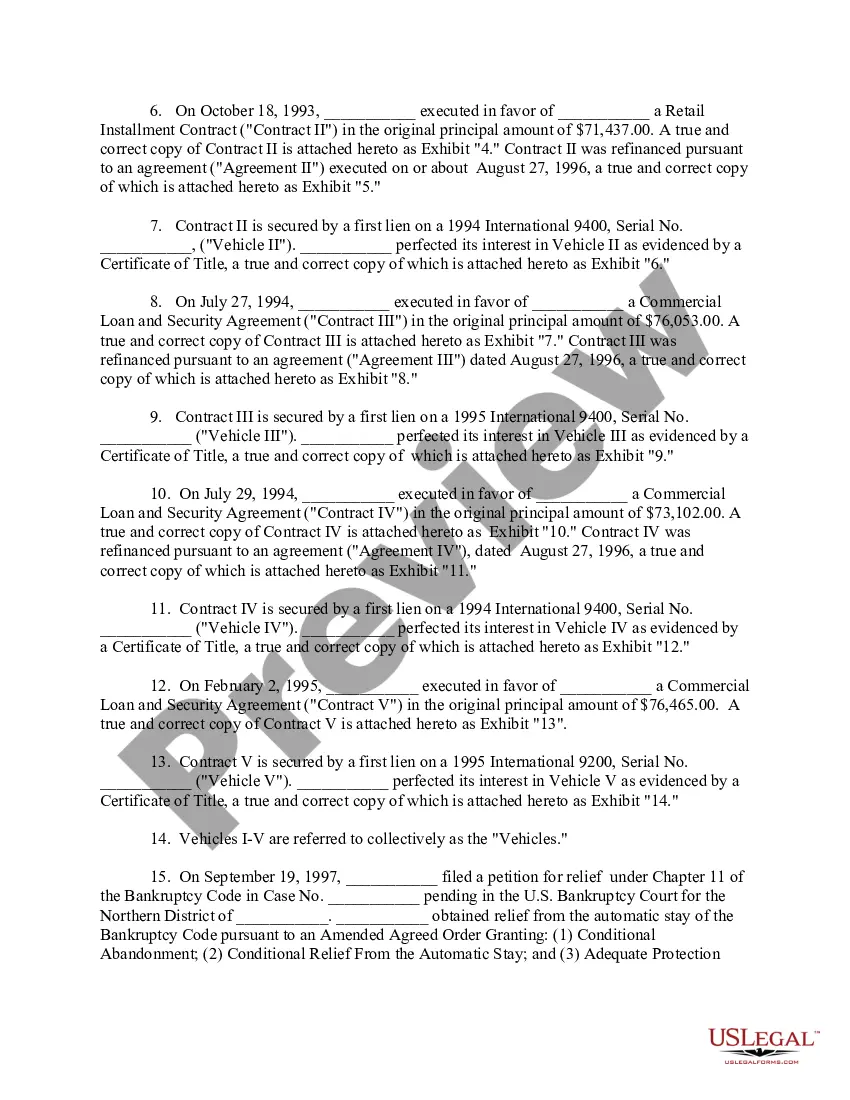
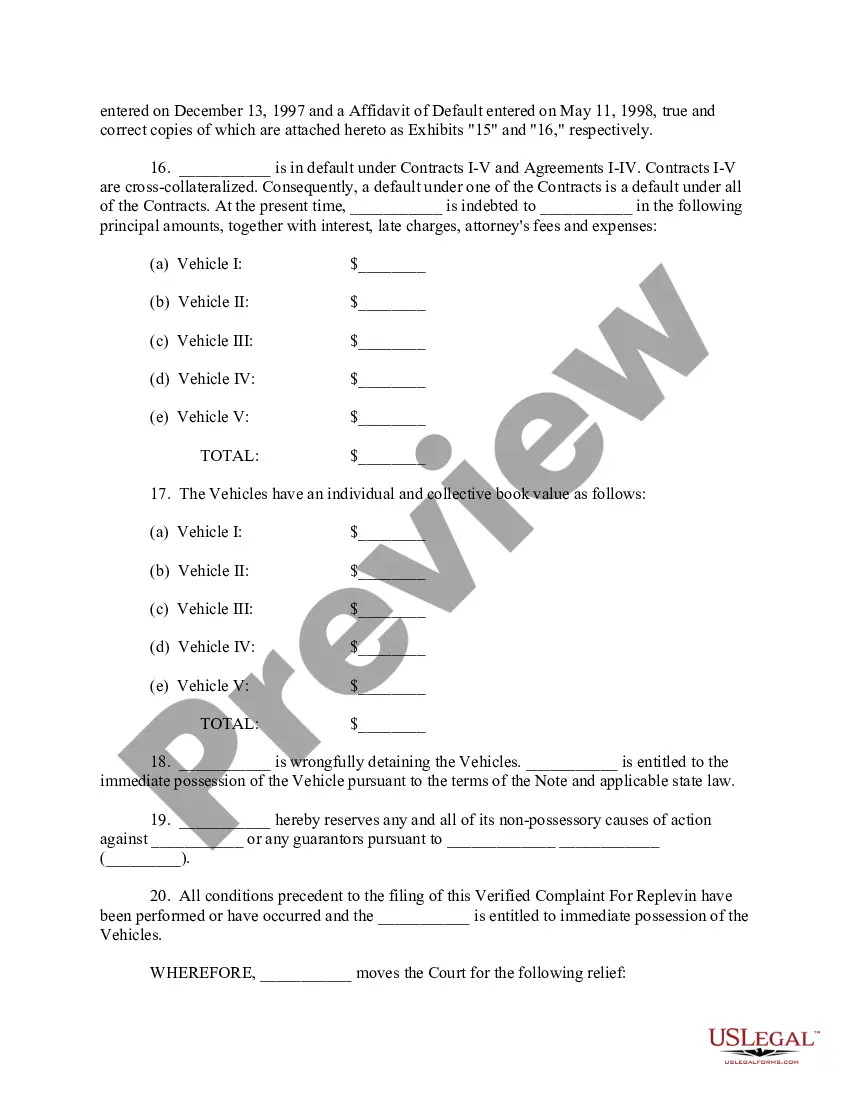
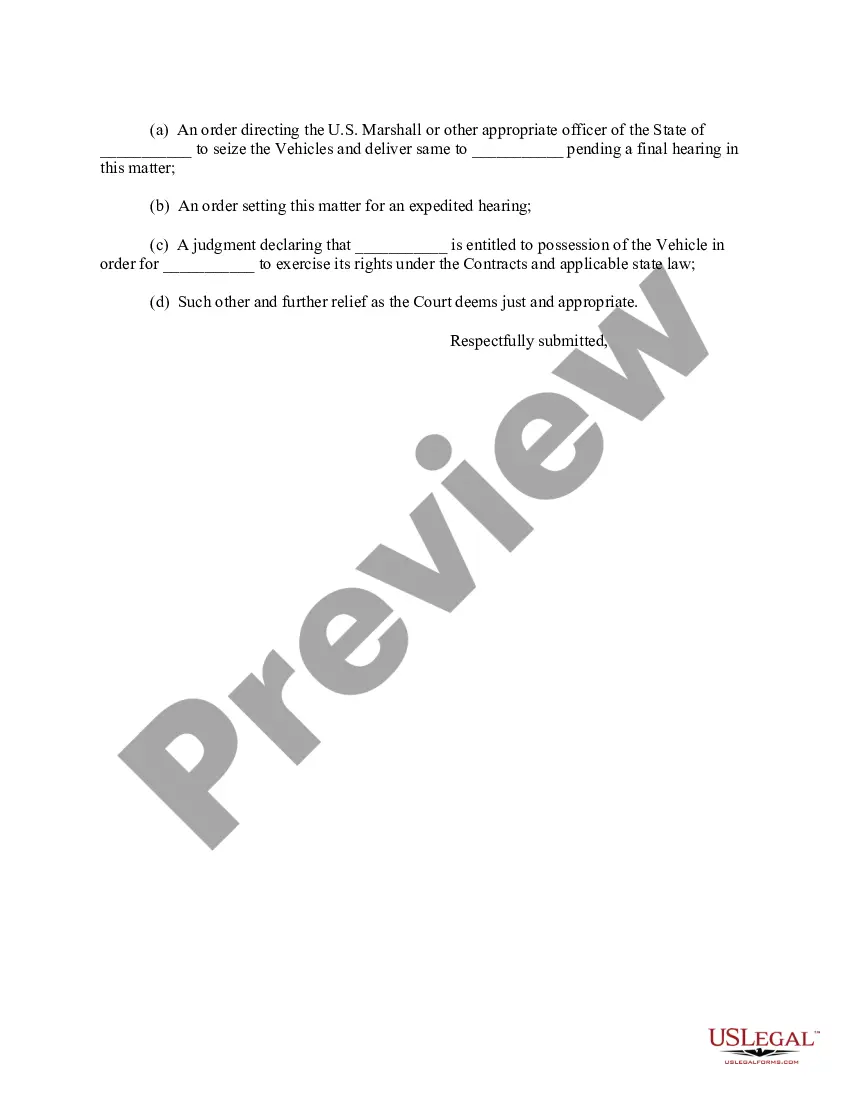
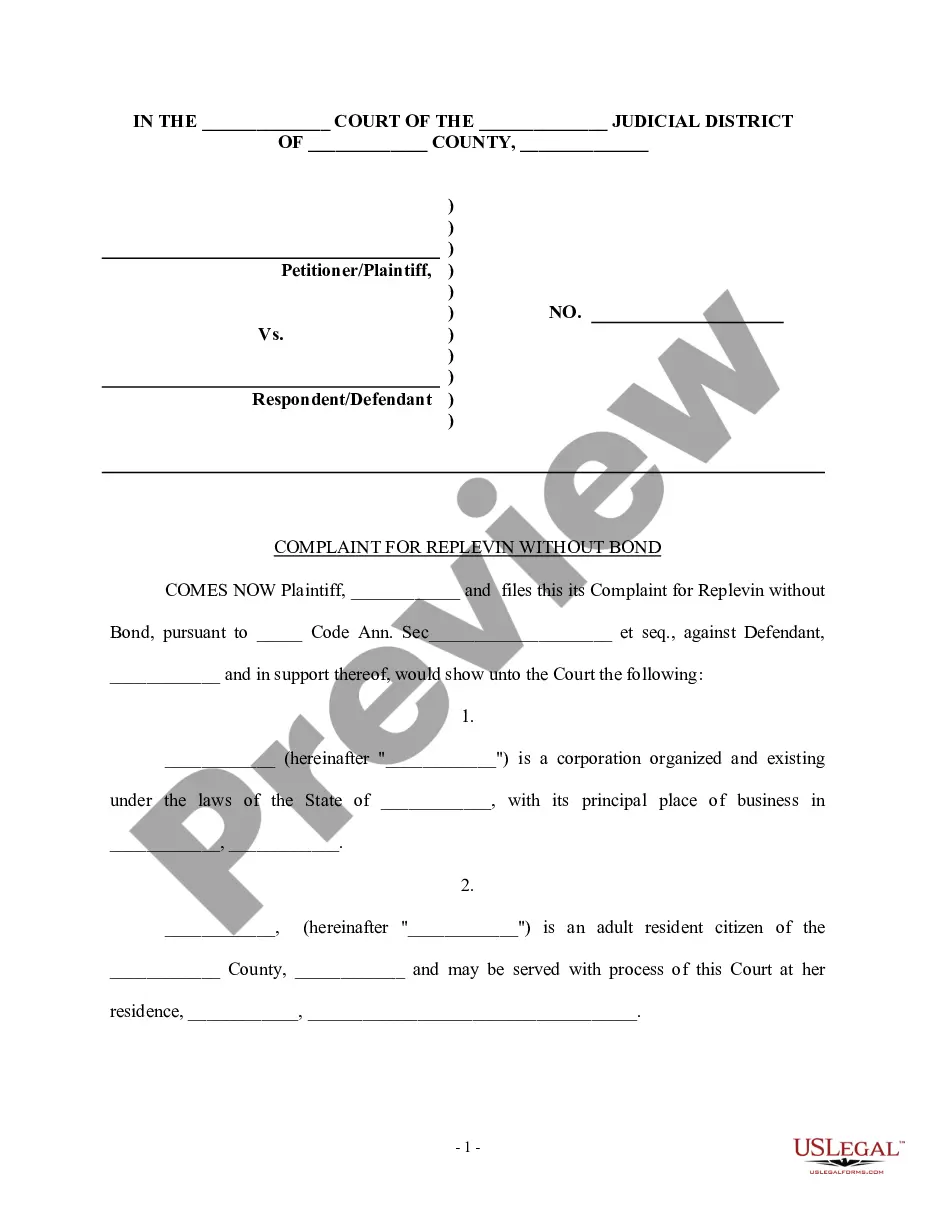
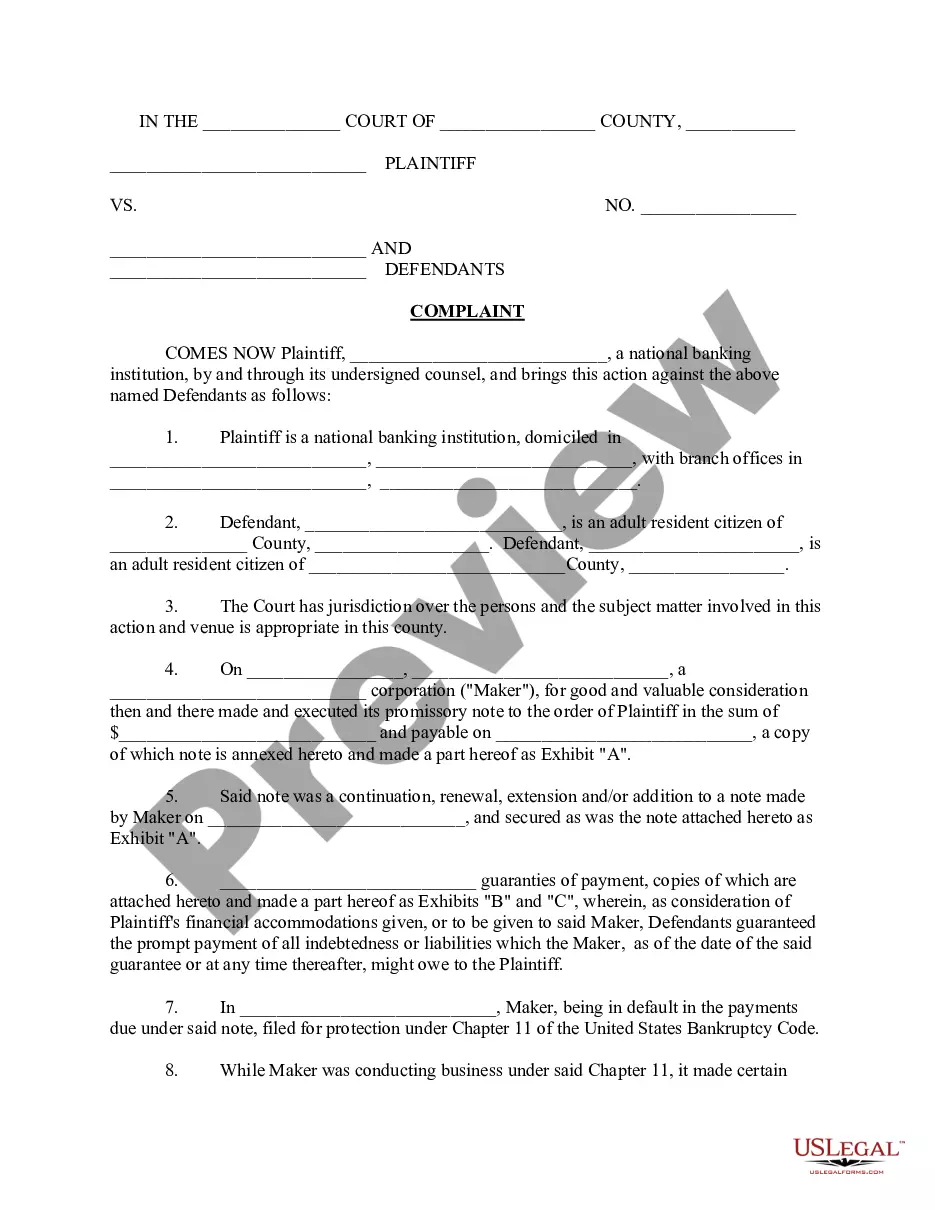
Verified Complaint Form For Employee In Ohio
Description


Get your form ready online
Our built-in tools help you complete, sign, share, and store your documents in one place.
Make edits, fill in missing information, and update formatting in US Legal Forms—just like you would in MS Word.
Download a copy, print it, send it by email, or mail it via USPS—whatever works best for your next step.
Sign and collect signatures with our SignNow integration. Send to multiple recipients, set reminders, and more. Go Premium to unlock E-Sign.
If this form requires notarization, complete it online through a secure video call—no need to meet a notary in person or wait for an appointment.
We protect your documents and personal data by following strict security and privacy standards.

Make edits, fill in missing information, and update formatting in US Legal Forms—just like you would in MS Word.

Download a copy, print it, send it by email, or mail it via USPS—whatever works best for your next step.

Sign and collect signatures with our SignNow integration. Send to multiple recipients, set reminders, and more. Go Premium to unlock E-Sign.

If this form requires notarization, complete it online through a secure video call—no need to meet a notary in person or wait for an appointment.

We protect your documents and personal data by following strict security and privacy standards.
Looking for another form?








Form popularity
FAQ
To again cite the EEOC, workplace harassment that could cross the line into creating a hostile work environment “may include, but is not limited to, offensive jokes, slurs, epithets or name calling, physical assaults or threats, intimidation, ridicule or mockery, insults or put-downs, offensive objects or pictures, and ...
If the complaint is submitted by telephone you can call (614) 644-2703 or Toll Free 1-866-227-6353. If you have a complaint against your employer, you will need to contact the Ohio Civil Rights Commission site .ocrc.ohio and/or the Equal Employment Opportunity Commission site .eeoc.
A verified complaint is an effective way to demand the Ohio Environmental Protection Agency (OEPA) to act on a problem. It is more formal than a general complaint and requires the OEPA to investigate and report on the results.
Typically, a plaintiff verifies a complaint by attaching a page at the end containing a statement made under oath that: The plaintiff has reviewed the complaint. The plaintiff knows or believes that all allegations that the plaintiff has personal knowledge of to be true.
You may call the Bureau of Civil Rights to submit your complaint, or you may submit your complaint in writing. If the complaint is submitted by telephone you can call (614) 644-2703 or Toll Free 1-866-227-6353.
When filing a lawsuit in California, the original complaint may be either verified or unverified. If it is verified, the plaintiff makes assertions under the pains and penalties of perjury. A verified complaint also forces the defendant to respond to the lawsuit with a verified answer.
Verified Answer Every paragraph of the complaint must be answered, and a verification must be included in the response. When you verify a pleading, you are stating that, under penalty of perjury, you are stating the truth.
If a complaint is not verified you can answer with a general denial pursuant to Code of Civil Procedure § 431.30(b) and generally deny all of the allegations of the complaint. However you should also be sure to include specific affirmative defenses that are tailored to the individual case.
Typically, a plaintiff verifies a complaint by attaching a page at the end containing a statement made under oath that: The plaintiff has reviewed the complaint. The plaintiff knows or believes that all allegations that the plaintiff has personal knowledge of to be true.
