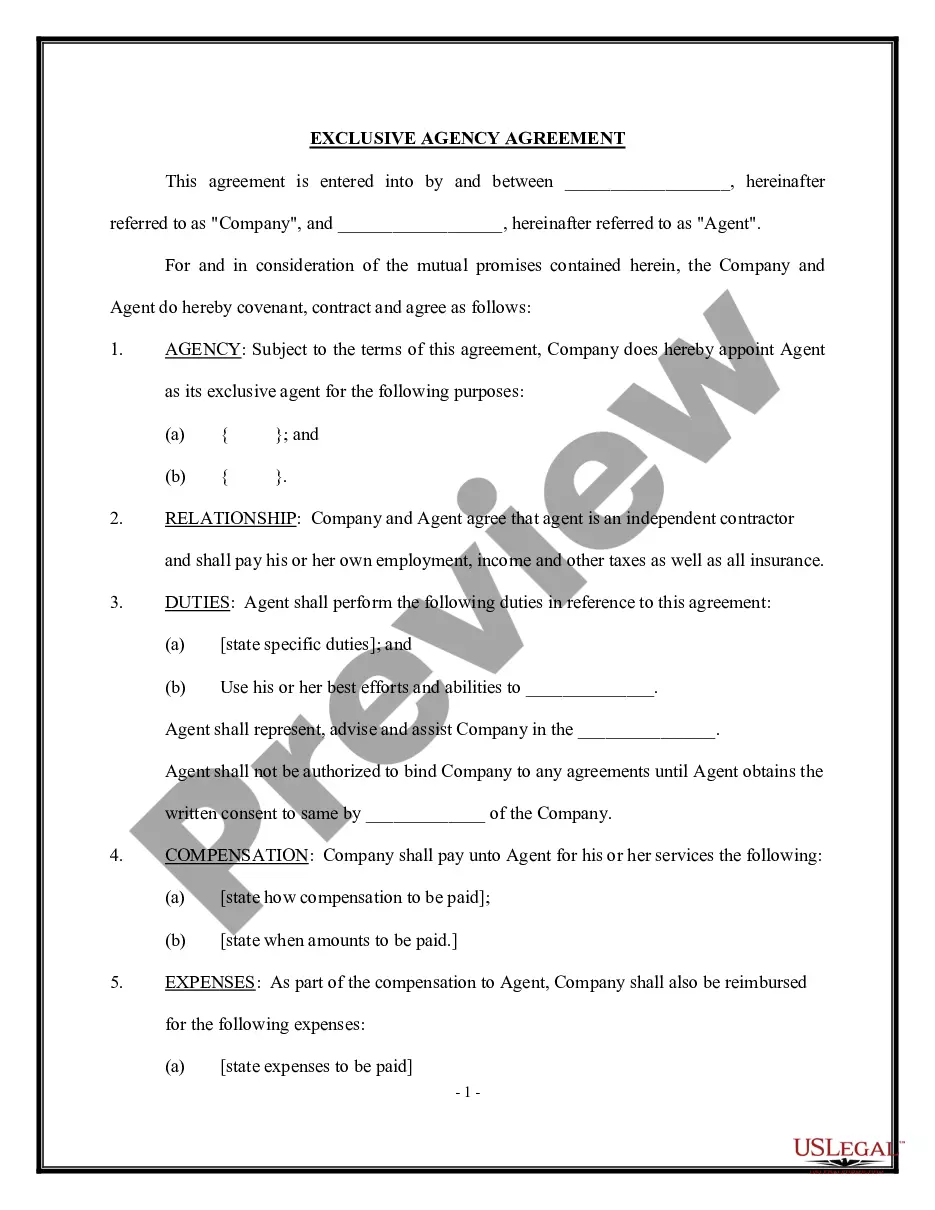
Foreclosure Letter For Home Loan In Nevada
Description








Get your form ready online
Our built-in tools help you complete, sign, share, and store your documents in one place.
Make edits, fill in missing information, and update formatting in US Legal Forms—just like you would in MS Word.
Download a copy, print it, send it by email, or mail it via USPS—whatever works best for your next step.
Sign and collect signatures with our SignNow integration. Send to multiple recipients, set reminders, and more. Go Premium to unlock E-Sign.
If this form requires notarization, complete it online through a secure video call—no need to meet a notary in person or wait for an appointment.
We protect your documents and personal data by following strict security and privacy standards.

Make edits, fill in missing information, and update formatting in US Legal Forms—just like you would in MS Word.

Download a copy, print it, send it by email, or mail it via USPS—whatever works best for your next step.

Sign and collect signatures with our SignNow integration. Send to multiple recipients, set reminders, and more. Go Premium to unlock E-Sign.

If this form requires notarization, complete it online through a secure video call—no need to meet a notary in person or wait for an appointment.

We protect your documents and personal data by following strict security and privacy standards.
Looking for another form?





Form popularity
FAQ
While the content of the letter will change depending on your situation, there are a few important aspects to include: Provide all details the best you can, including correct dates and dollar amounts. Explain how and when all situations were resolved. Detail why problems won't happen again.
Public records Throughout the foreclosure process, various legal notices must be filed in your County Recorder's Office. This information is public record and available to anyone. Just visit your county's office and you can search for a Notice of Default (NOD), lis pendens or Notice of Sale.
Like homeowners in other states, a Nevada homeowner usually gets plenty of time to find a way to work out a way to keep the home before the bank can sell it at a foreclosure sale. Under federal law, in most cases, the bank must wait at least 120 days before starting a foreclosure.
Again, the Nevada Homeowner's Bill of Rights requires that at least 30 calendar days before officially starting a foreclosure and at least 30 calendar days after the default, the servicer or loan owner must send you (the borrower) a notice that contains information about the account.
What to include in a hardship letter The date, your name, address and phone number. The lender/servicer and loan number. The date or approximate time frame when the hardship started. The expected timeframe of hardship — short term (six months or less) or long term. Describe your goal. State the facts, not emotions.
Sample 1: Personal Loan Closure Letter Dear Sir/Madam, I am writing to inform you that I have successfully repaid the personal loan with loan account number PL123456789. I request you to kindly process the closure of this loan account. Please find attached the necessary documents confirming the final repayment.
Does Nevada Law Allow for a Redemption Period After a Foreclosure? Nevada law allows for both judicial and non judicial foreclosures. If a lender pursues a foreclosure through the judicial system then the owner has a 1 year right of redemption following the foreclosure sale.
A servicer that receives a complete loss mitigation application more than 37 days before a foreclosure sale must take two steps within 30 days: • First, the servicer must evaluate the borrower for all loss mitigation options available to the borrower from the owner or investor of the borrower's mortgage loan.