Contract Exhibit Agreement Without Court In Montgomery
Description








Get your form ready online
Our built-in tools help you complete, sign, share, and store your documents in one place.
Make edits, fill in missing information, and update formatting in US Legal Forms—just like you would in MS Word.
Download a copy, print it, send it by email, or mail it via USPS—whatever works best for your next step.
Sign and collect signatures with our SignNow integration. Send to multiple recipients, set reminders, and more. Go Premium to unlock E-Sign.
If this form requires notarization, complete it online through a secure video call—no need to meet a notary in person or wait for an appointment.
We protect your documents and personal data by following strict security and privacy standards.

Make edits, fill in missing information, and update formatting in US Legal Forms—just like you would in MS Word.

Download a copy, print it, send it by email, or mail it via USPS—whatever works best for your next step.

Sign and collect signatures with our SignNow integration. Send to multiple recipients, set reminders, and more. Go Premium to unlock E-Sign.

If this form requires notarization, complete it online through a secure video call—no need to meet a notary in person or wait for an appointment.

We protect your documents and personal data by following strict security and privacy standards.
Looking for another form?






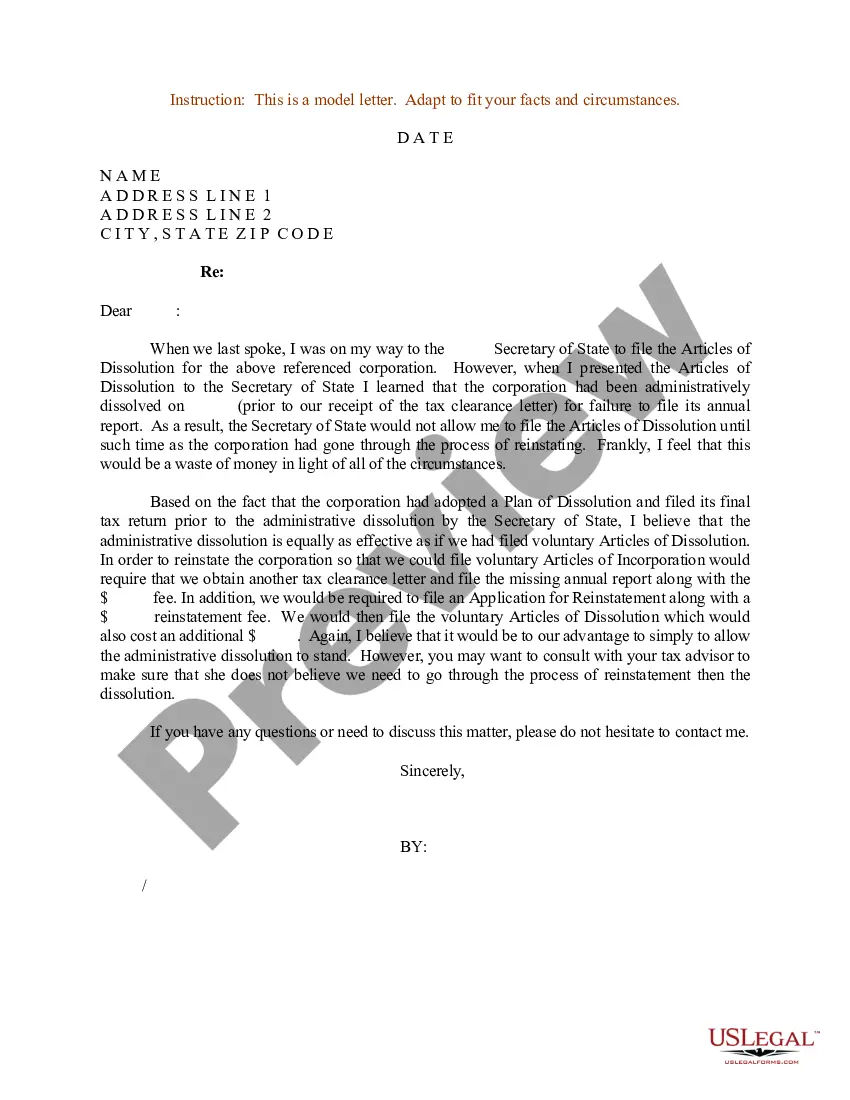
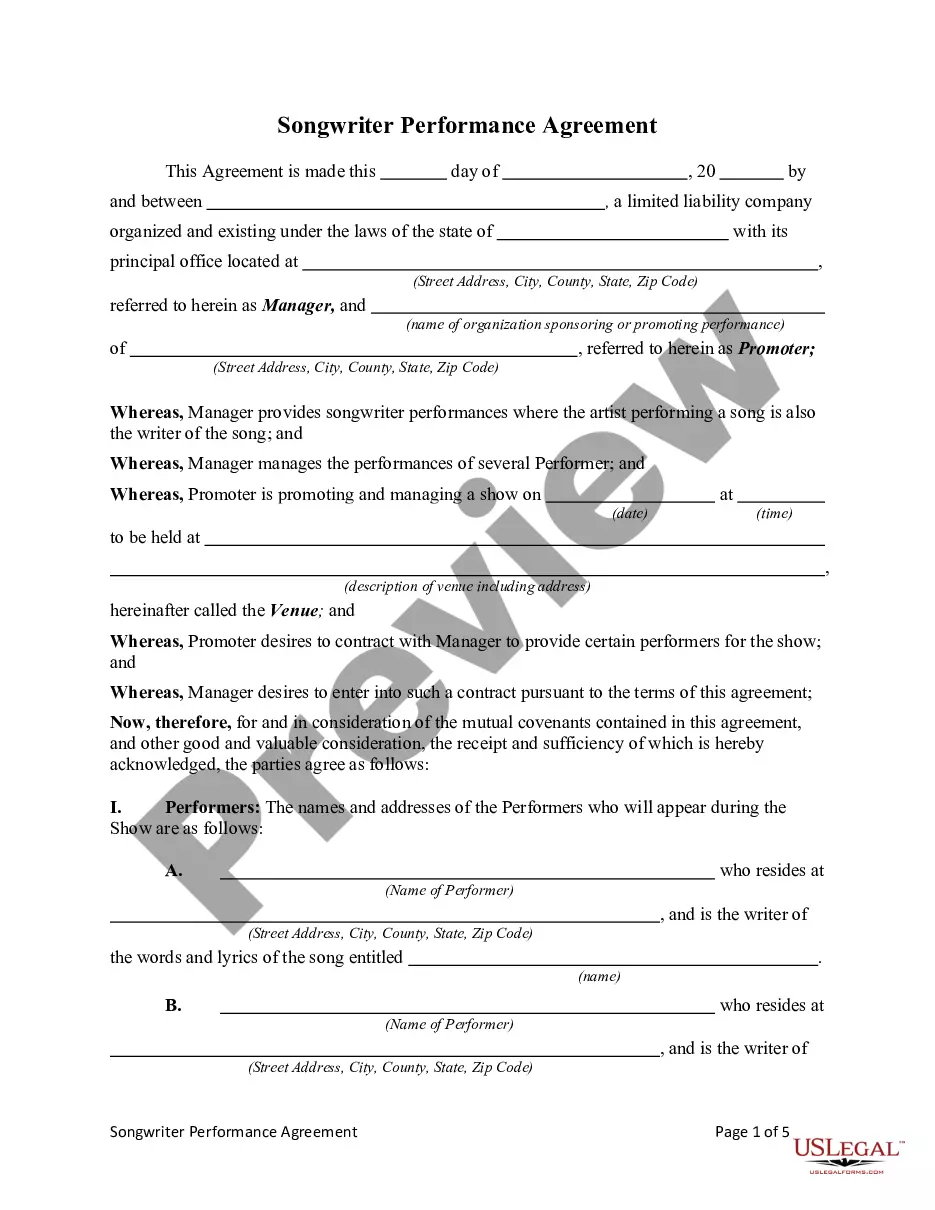

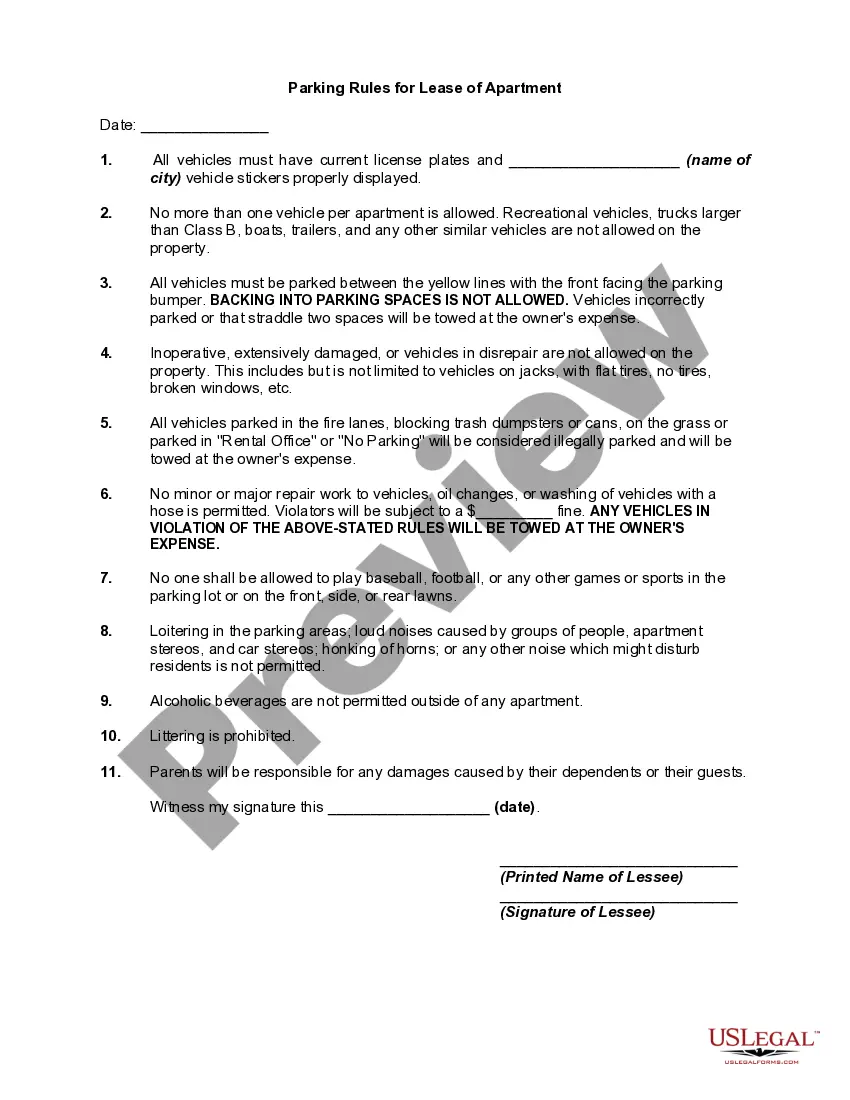
Form popularity
FAQ
Yes, but only in limited circumstances. In most situations, an unsigned contract will result in a non-deal, and the document will not legally bind the parties. However, there are certain situations where a court may hold that the wording has legal effect.
Once all parties have agreed, the addendum should be attached to the original contract. Each party should sign and date the addendum.
A contract is an agreement between parties, creating mutual obligations that are enforceable by law. The basic elements required for the agreement to be a legally enforceable contract are: mutual assent, expressed by a valid offer and acceptance; adequate consideration; capacity; and legality.
Parties' Signatures: Though not always necessary, having parties sign off on exhibits can provide additional legal certainty.
An exhibit supplements a contract by providing additional information and context. Both addendums and exhibits are essential and serve various purposes across various industries.
Summary. To summarize, a contract can be considered legally binding even if all signatures are not present, as long as the actions and intentions of the parties involved align with what was agreed upon. While verbal contracts hold legal weight, they often pose challenges in terms of providing evidence in court.
The short answer is no. A lawyer is not required to draft a contract for a business or an individual. In fact, anyone can draft a contract. Although this is the case, it's not necessarily the best strategy.
For a contract to be legally binding, it must contain certain elements: offer, acceptance, intention to create legal relations, and consideration (something of value exchanged). If these elements are present, a contract can be legally valid even if it's not drafted by a lawyer.
Although you don't have to hire a lawyer, you should. Entering into a legally binding agreement isn't something you should take lightly. Signing a document without fully comprehending the terms or your rights is dangerous. It can lead to significant unintended consequences and time-consuming legal battles.
Yes, you can write your own contract. However, including all necessary elements is crucial to make it legally binding.
