Verified Complaint Form Sample For California In Mecklenburg
Description


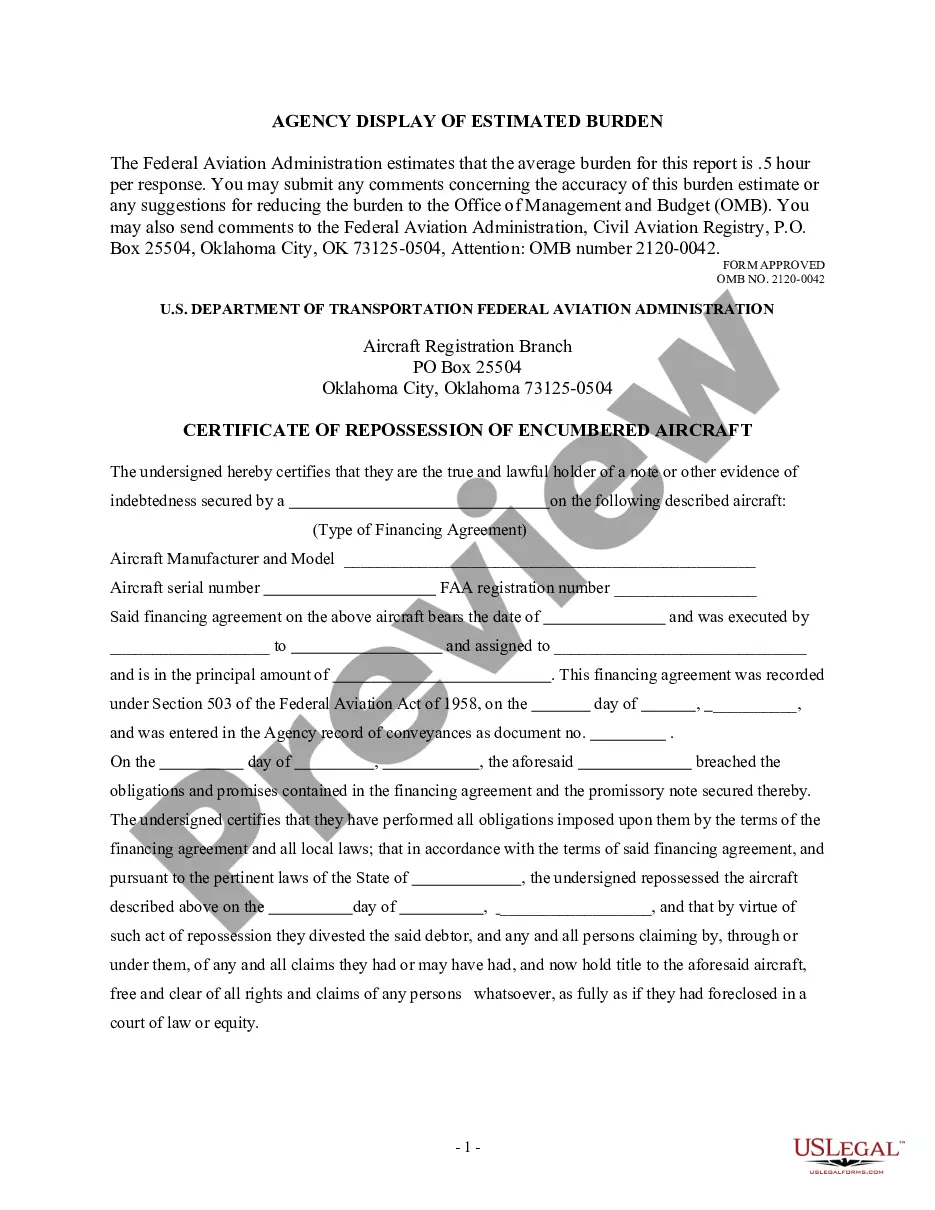
Get your form ready online
Our built-in tools help you complete, sign, share, and store your documents in one place.
Make edits, fill in missing information, and update formatting in US Legal Forms—just like you would in MS Word.
Download a copy, print it, send it by email, or mail it via USPS—whatever works best for your next step.
Sign and collect signatures with our SignNow integration. Send to multiple recipients, set reminders, and more. Go Premium to unlock E-Sign.
If this form requires notarization, complete it online through a secure video call—no need to meet a notary in person or wait for an appointment.
We protect your documents and personal data by following strict security and privacy standards.

Make edits, fill in missing information, and update formatting in US Legal Forms—just like you would in MS Word.

Download a copy, print it, send it by email, or mail it via USPS—whatever works best for your next step.

Sign and collect signatures with our SignNow integration. Send to multiple recipients, set reminders, and more. Go Premium to unlock E-Sign.

If this form requires notarization, complete it online through a secure video call—no need to meet a notary in person or wait for an appointment.

We protect your documents and personal data by following strict security and privacy standards.
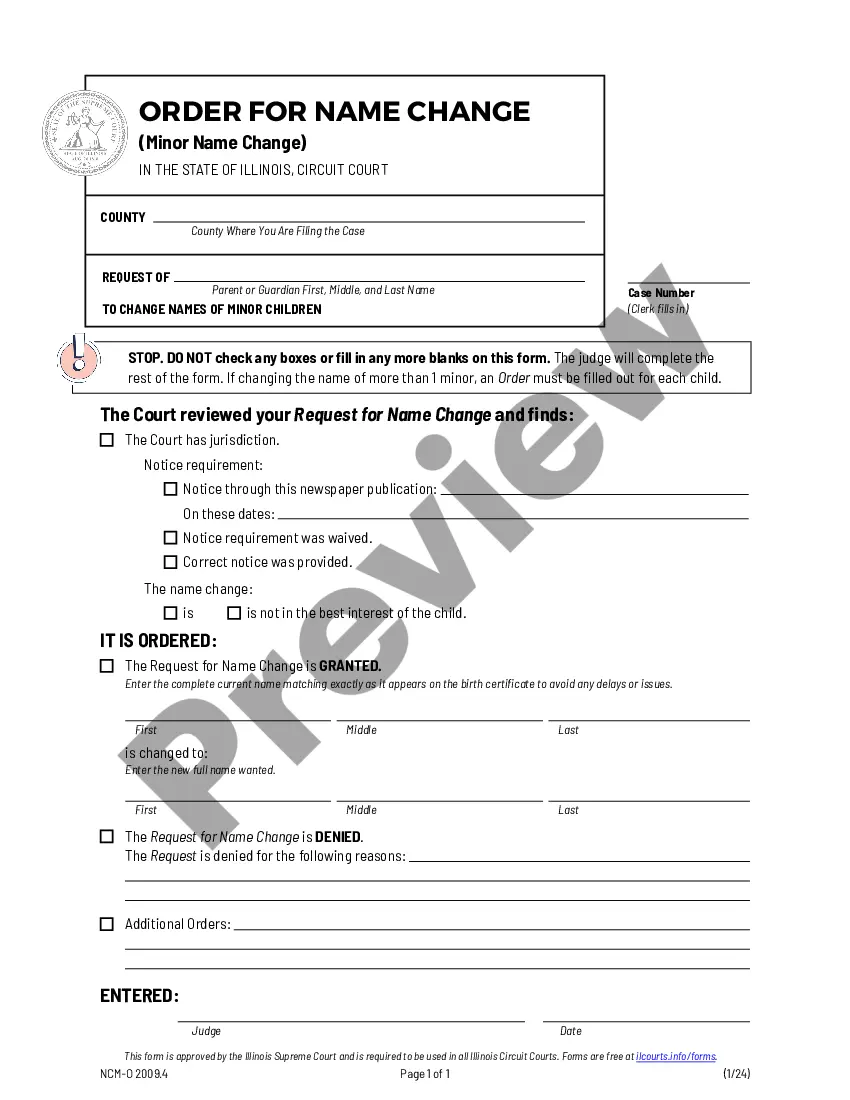
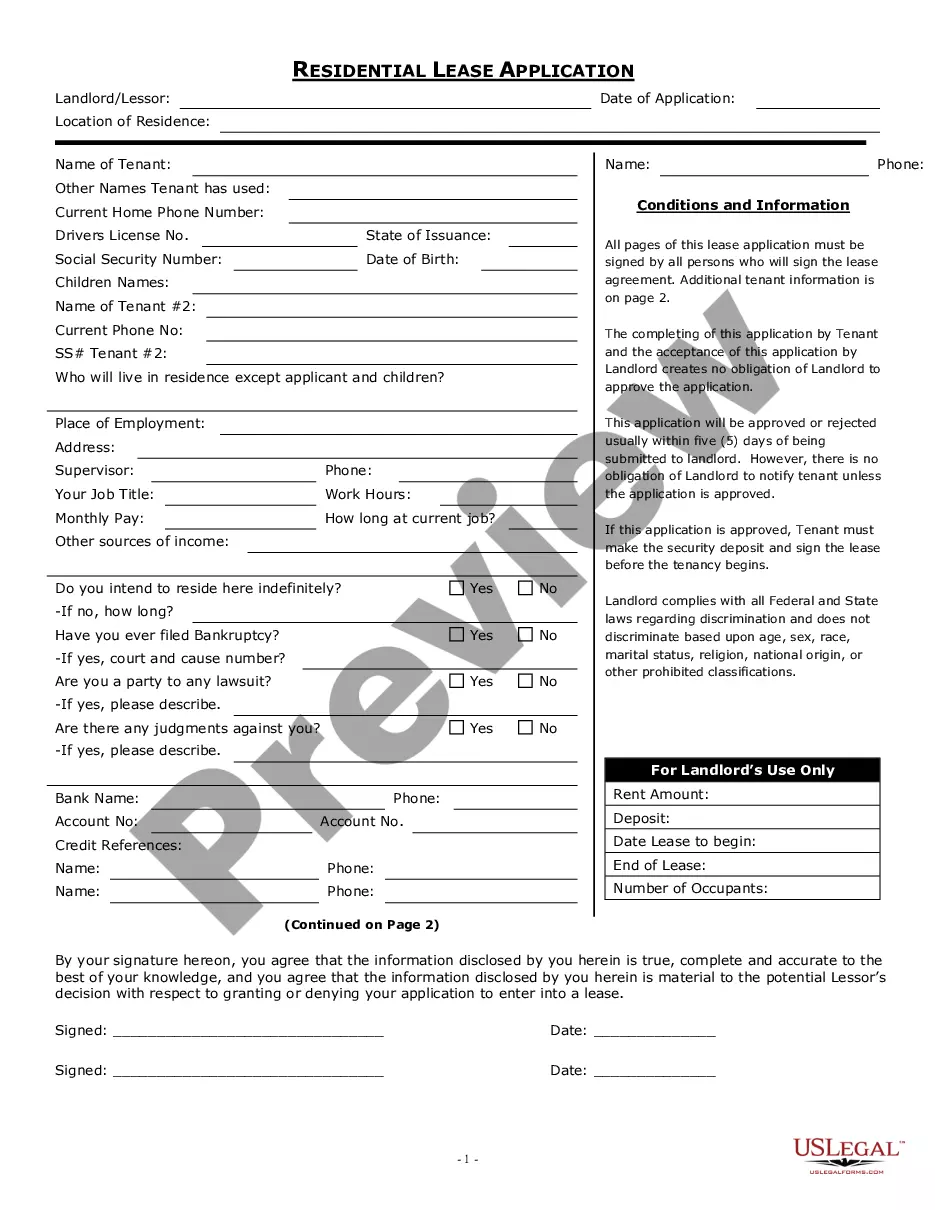
Looking for another form?








Form popularity
FAQ
Be clear and brief Cover all the relevant points but be as brief as you can. Make it easy to read by using numbered lists and headings to highlight the important issues. Give your contact telephone and email details, as well as your address.
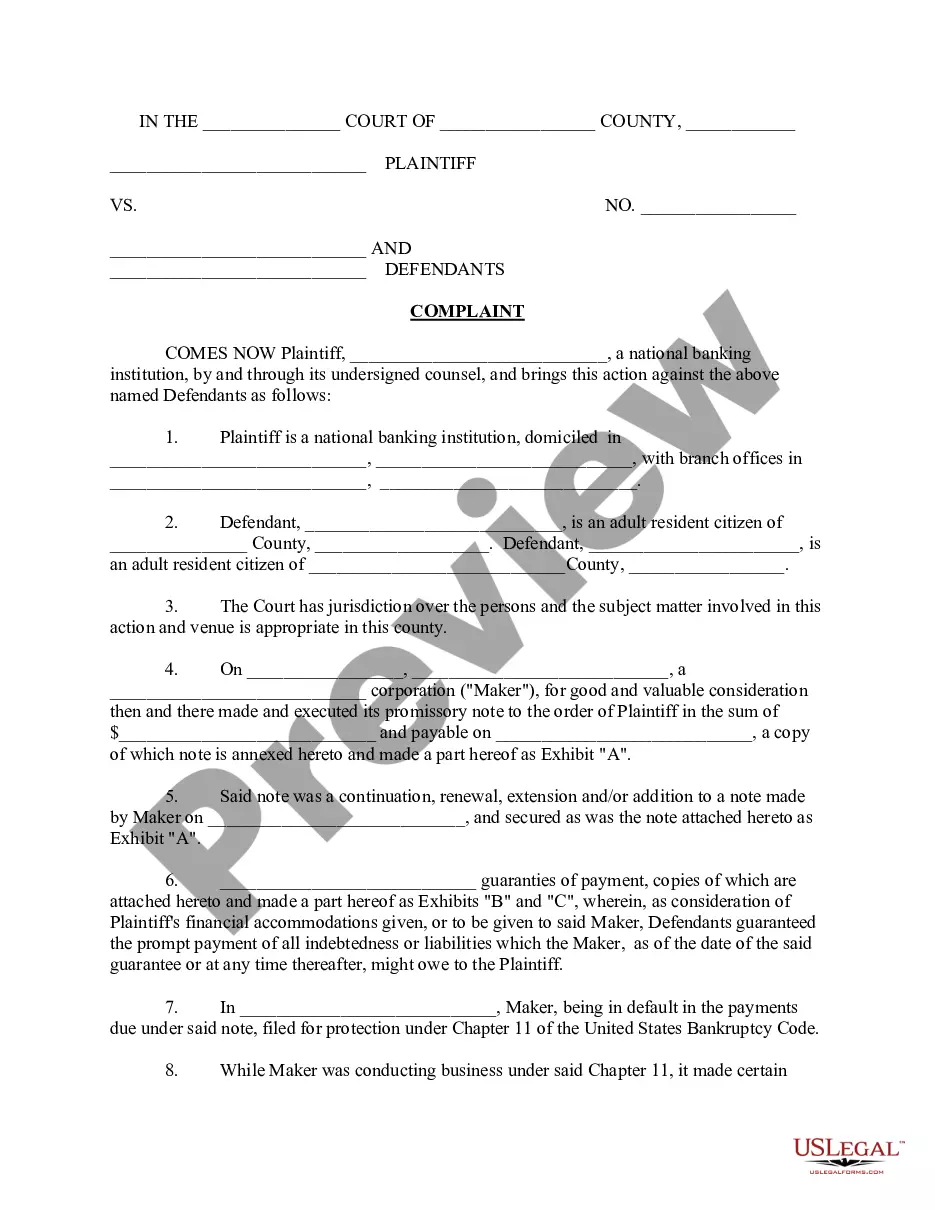
Typically, a plaintiff verifies a complaint by attaching a page at the end containing a statement made under oath that: The plaintiff has reviewed the complaint. The plaintiff knows or believes that all allegations that the plaintiff has personal knowledge of to be true.
Dear Contact Person: This letter is to notify you {or} follow up on our conversation of {date} about a problem I am having with the name of product or service performed that I bought, leased, rented or had repaired at your name of location location on date.
Be clear and brief Cover all the relevant points but be as brief as you can. Make it easy to read by using numbered lists and headings to highlight the important issues. Give your contact telephone and email details, as well as your address.
A complaint is considered verified if, in the complaint, the plaintiff swears under penalty of perjury that everything is true and correct. Sometimes the verification will be separate from the complaint; other times it will be included at the end of the Complaint itself.
Decide on the outcome you want. Escalate your complaint. Stick to the facts. Be pleasant even as you're insistent. Be willing to admit when you are wrong. Be part of the solution, if you can. Whatever the outcome be gracious.
To write a complaint letter, you can start with the sender's address followed by the date, the receiver's address, the subject, salutation, body of the letter, complimentary closing, signature and name in block letters. Body of the Letter explaining the reason for your letter and the complaint.
When filing a lawsuit in California, the original complaint may be either verified or unverified. If it is verified, the plaintiff makes assertions under the pains and penalties of perjury. A verified complaint also forces the defendant to respond to the lawsuit with a verified answer.
On a separate page or pages, write a short and plain statement of the answer to the allegations in the complaint. Number the paragraphs. The answer should correspond to each paragraph in the complaint, with paragraph 1 of the answer corresponding to paragraph 1 of the complaint, etc.
Typically, a plaintiff verifies a complaint by attaching a page at the end containing a statement made under oath that: The plaintiff has reviewed the complaint. The plaintiff knows or believes that all allegations that the plaintiff has personal knowledge of to be true.
