Foreclosure Letter Format In Massachusetts
Description


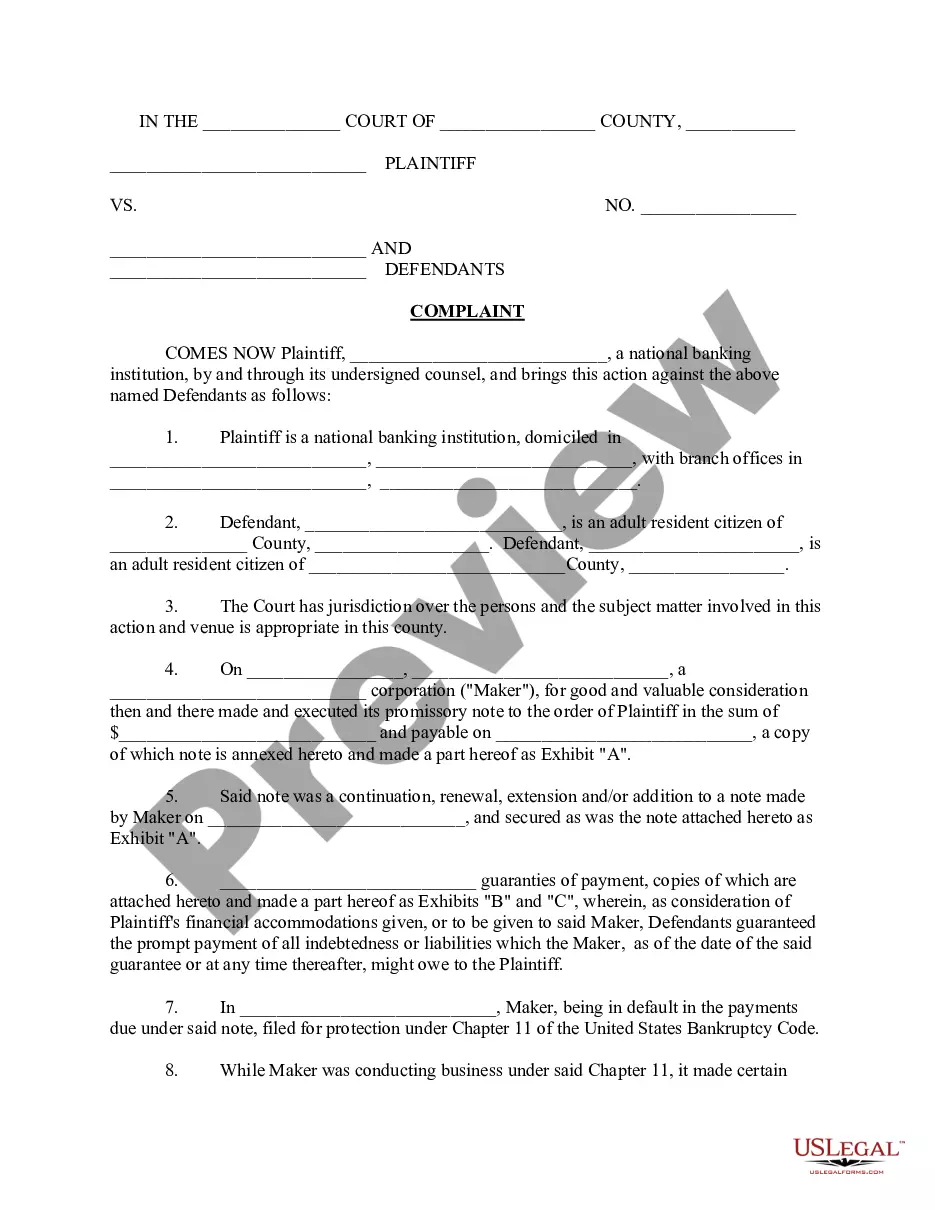
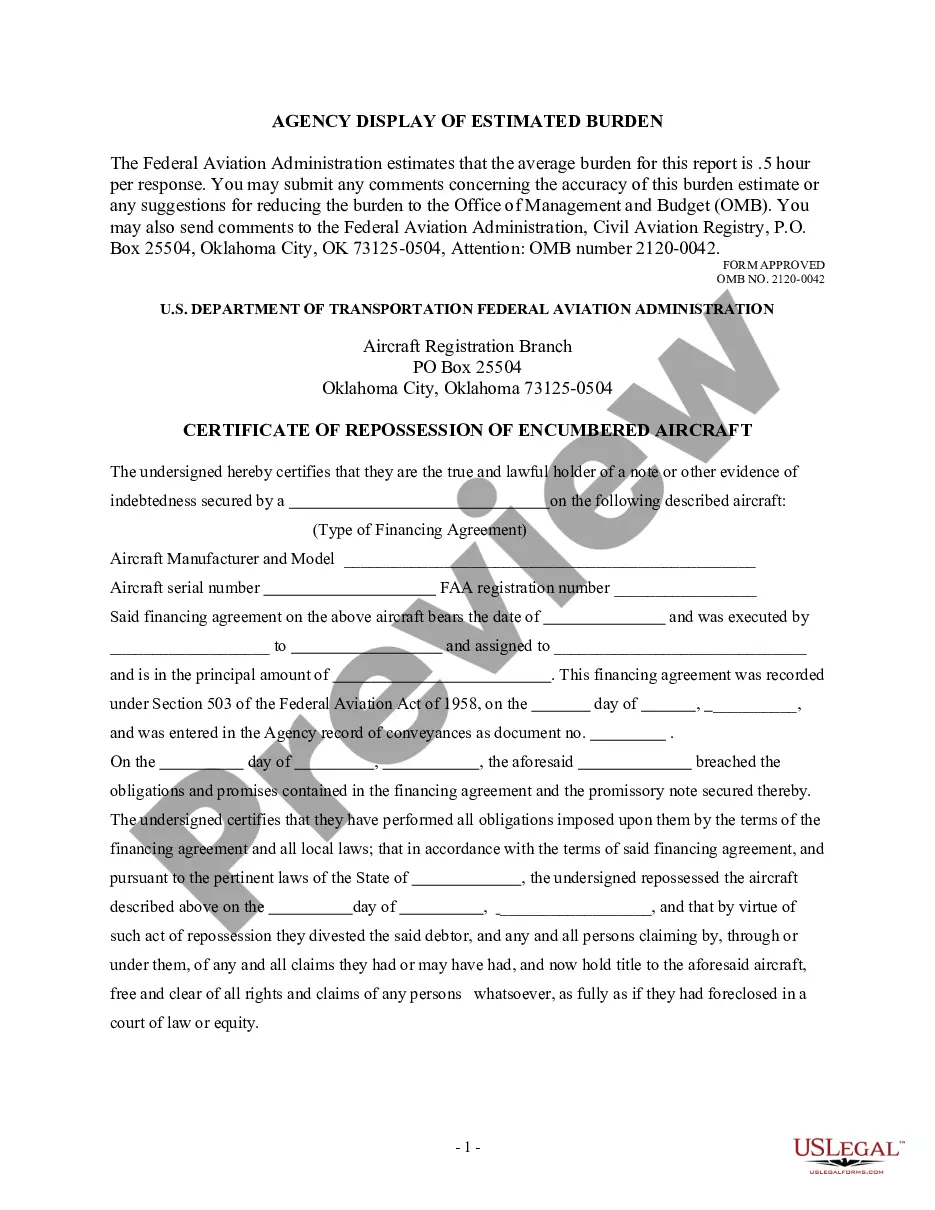
Get your form ready online
Our built-in tools help you complete, sign, share, and store your documents in one place.
Make edits, fill in missing information, and update formatting in US Legal Forms—just like you would in MS Word.
Download a copy, print it, send it by email, or mail it via USPS—whatever works best for your next step.
Sign and collect signatures with our SignNow integration. Send to multiple recipients, set reminders, and more. Go Premium to unlock E-Sign.
If this form requires notarization, complete it online through a secure video call—no need to meet a notary in person or wait for an appointment.
We protect your documents and personal data by following strict security and privacy standards.

Make edits, fill in missing information, and update formatting in US Legal Forms—just like you would in MS Word.

Download a copy, print it, send it by email, or mail it via USPS—whatever works best for your next step.

Sign and collect signatures with our SignNow integration. Send to multiple recipients, set reminders, and more. Go Premium to unlock E-Sign.

If this form requires notarization, complete it online through a secure video call—no need to meet a notary in person or wait for an appointment.

We protect your documents and personal data by following strict security and privacy standards.
Looking for another form?





Form popularity
FAQ
The law now requires that lenders send a 150-day right-to-cure notice rather than a 90-day notice in any case where the property sought to be foreclosed is the borrower's principal residence and is collateral for a residential loan.
The new law essentially (i) expands existing pre-foreclosure notice requirements and (ii) creates a new statutory chapter granting additional protections to tenants impacted by foreclosures. Pre-Foreclosure Notice Requirements.
Foreclosure requirements In Massachusetts, a foreclosure party is required to give the following notices to a consumer which has defaulted on their mortgage: Notice of default and Right to Cure; Notice regarding the Federal Servicemembers Civil Relief Act; and. Notice of Sale.
action rule typically requires a lender to complete a judicial or nonjudicial foreclosure on the real property collateral before it can obtain a deficiency judgment against the borrower or take other action to collect against a borrower's assets.
The Stages of Foreclosure Stage 1: Default of Payment. Stage 2: Notice of Default. Stage 3: Notice of Sale. Stage 4: Foreclosure Sale. Stage 5: Eviction.
The Notice of Default tells you the total amount you owe including missed payments and foreclosure fees. A declaration must be attached to the notice stating the lender has spoken to you or tried to reach you to discuss your situation.
Contact your lender as soon as you realize that you have a problem. Lenders do not want your house. They have options to help borrowers through difficult financial times.
A Notice of Intention to Foreclose is your lender telling you that they are planning to foreclose on your property because you are behind on your mortgage payments.
A Notice of Intention to Foreclose is your lender telling you that they are planning to foreclose on your property because you are behind on your mortgage payments.
