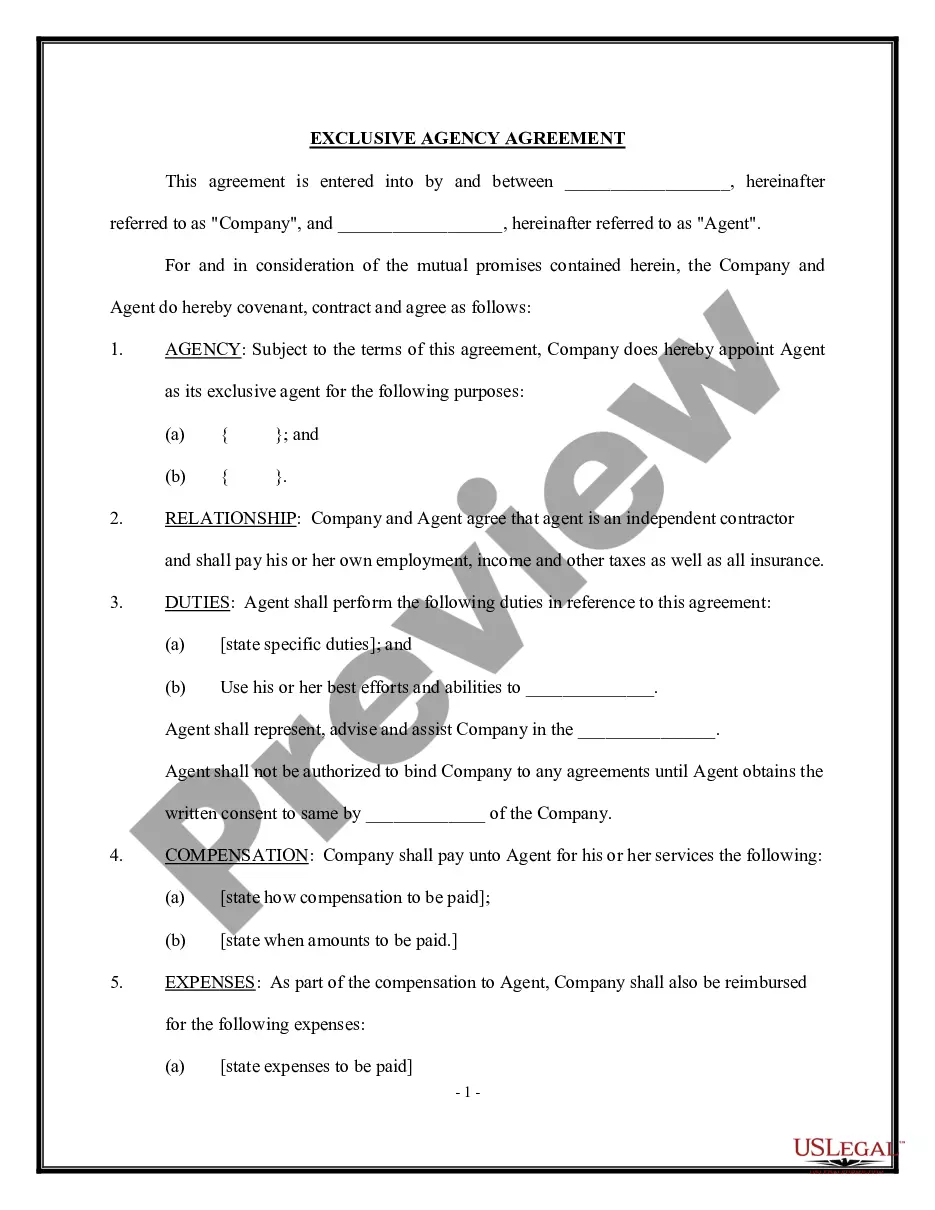
Foreclosure Letter For Home Loan In Florida
Description








Get your form ready online
Our built-in tools help you complete, sign, share, and store your documents in one place.
Make edits, fill in missing information, and update formatting in US Legal Forms—just like you would in MS Word.
Download a copy, print it, send it by email, or mail it via USPS—whatever works best for your next step.
Sign and collect signatures with our SignNow integration. Send to multiple recipients, set reminders, and more. Go Premium to unlock E-Sign.
If this form requires notarization, complete it online through a secure video call—no need to meet a notary in person or wait for an appointment.
We protect your documents and personal data by following strict security and privacy standards.

Make edits, fill in missing information, and update formatting in US Legal Forms—just like you would in MS Word.

Download a copy, print it, send it by email, or mail it via USPS—whatever works best for your next step.

Sign and collect signatures with our SignNow integration. Send to multiple recipients, set reminders, and more. Go Premium to unlock E-Sign.

If this form requires notarization, complete it online through a secure video call—no need to meet a notary in person or wait for an appointment.

We protect your documents and personal data by following strict security and privacy standards.
Looking for another form?








Form popularity
FAQ
The lender must sue the borrower and obtain an order to foreclose. Depending on the court schedule and load, it normally takes from 180 to 200 days to complete the foreclosure process in Florida. If contested by the borrower or if the borrower files for bankruptcy, this process may be delayed further.
In Florida, mortgage foreclosure actions are subject to a five year statute of limitations pursuant to Fla. Stat. § 95.11(2)(c). The statute of limitations begins running from the date that the cause of action accrues, which is typically the date of the borrower's default under the note or mortgage terms.
To start a foreclosure in Florida, the foreclosing bank files a lawsuit (a "complaint") and serves it to you. After the 120-day preforeclosure period expires, assuming a loss mitigation application isn't pending, the servicer can initiate a foreclosure under state law. (12 C.F.R. § 1024.41 (2024).)
The Stages of Foreclosure Stage 1: Default of Payment. Stage 2: Notice of Default. Stage 3: Notice of Sale. Stage 4: Foreclosure Sale. Stage 5: Eviction.
8 Steps To Buy Foreclosed Homes In FL Get Pre-Approved For Mortgage Financing. Hire A Florida Realtor Or Real Estate Agent. Find A Foreclosed Home In Florida. Tour The Foreclosed Home. Submit Your Offer. Perform Due Diligence. Get A Home Appraisal. Close The Deal.
A voluntary foreclosure is a foreclosure proceeding that is initiated by a borrower who is unable to continue making loan payments on a property, in an attempt to avoid further payments and prevent involuntary foreclosure and eviction. Borrowers may choose this option if their mortgage is significantly underwater.
To start a foreclosure in Florida, the foreclosing bank files a lawsuit (a "complaint") and serves it to you. After the 120-day preforeclosure period expires, assuming a loss mitigation application isn't pending, the servicer can initiate a foreclosure under state law. (12 C.F.R. § 1024.41 (2024).)
The lender must publish a notice of the foreclosure sale on a publicly accessible website for at least two consecutive weeks before the sale or in a newspaper once a week for two consecutive weeks, with the second publication at least five days before the sale. (Fla. Stat. § 45.031 (2024).)
If the buyer defaults on payments. The seller can start the foreclosure process by providing aMoreIf the buyer defaults on payments. The seller can start the foreclosure process by providing a notice of default. The next step is to file a lawsuit in court seeking to foreclose on the property.
A Notice of Intention to Foreclose is your lender telling you that they are planning to foreclose on your property because you are behind on your mortgage payments.