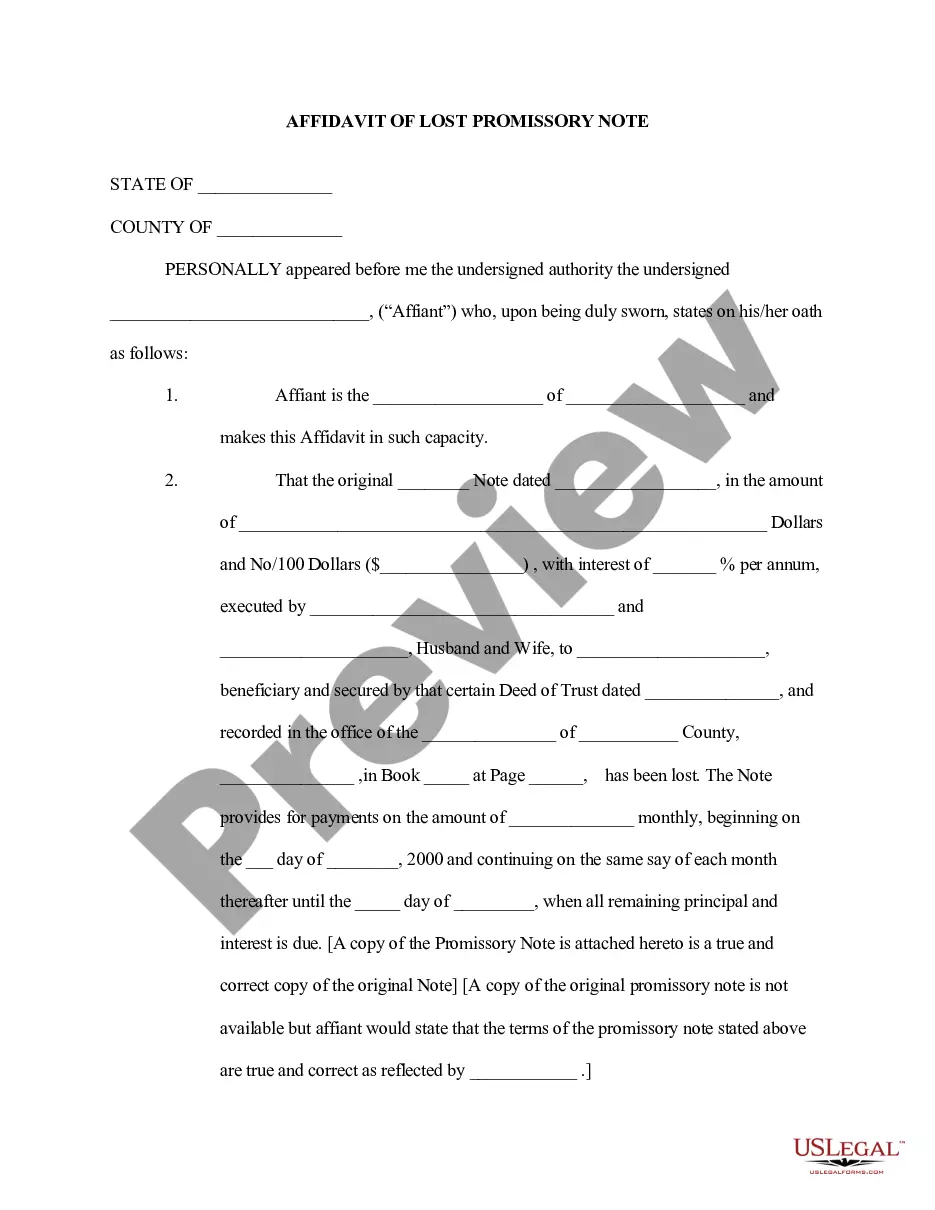
Complaint For Replevin Form Ontario In Bronx
Description








Get your form ready online
Our built-in tools help you complete, sign, share, and store your documents in one place.
Make edits, fill in missing information, and update formatting in US Legal Forms—just like you would in MS Word.
Download a copy, print it, send it by email, or mail it via USPS—whatever works best for your next step.
Sign and collect signatures with our SignNow integration. Send to multiple recipients, set reminders, and more. Go Premium to unlock E-Sign.
If this form requires notarization, complete it online through a secure video call—no need to meet a notary in person or wait for an appointment.
We protect your documents and personal data by following strict security and privacy standards.

Make edits, fill in missing information, and update formatting in US Legal Forms—just like you would in MS Word.

Download a copy, print it, send it by email, or mail it via USPS—whatever works best for your next step.

Sign and collect signatures with our SignNow integration. Send to multiple recipients, set reminders, and more. Go Premium to unlock E-Sign.

If this form requires notarization, complete it online through a secure video call—no need to meet a notary in person or wait for an appointment.

We protect your documents and personal data by following strict security and privacy standards.
Looking for another form?





Form popularity
FAQ
In New York, process servers can only properly serve documents on an intended recipient through their door attendant in a few circumstances. As service of process marks the important procedural beginning to most litigations, it is taken seriously and scrutinized quite carefully.
If you have not been properly served, and you don't show up, the court has no personal jurisdiction over you, and can't enter a judgment against you. The case can be continued to another court date, and the other side can try again to serve you.
A summons with notice or summons and complaint must be served within 120 days of filing with the County Clerk.
Among other things, CPLR 306-b provides that, in general, service of process on a defendant (or respondent) (collectively, a “Defendant”) must be effectuated within 120 days of the commencement of an Action. The Court of Appeals in Leader v. Maroney, Ponzini & Spencer, 97 N.Y.
The Defendant's Answer Under federal rules, defendants generally have 21 days to file an answer after they are served with a complaint; the U.S. government has 60 or 90 days, depending on whether it has waived service.
You can either answer the summons in writing or in person. If you answer in person, you must go to the courthouse clerk's office and tell the clerk about your defenses to the plaintiff's claims. The clerk will check off the boxes in a Consumer Credit Transaction Answer In Person form.
Procedure for Obtaining, in Court, a Writ of Replevin The filing of a complaint begins a replevin action. As in other civil actions, the defendant is brought into Court by the service of the summons and the complaint. If the plaintiff establishes the cause of action, the Court must enter an Order granting possession.
To begin an action in Small Claims Court, a person, or someone acting on his or her behalf, must come to the Small Claims Court Clerk's office in the proper county and fill out a statement of claim. To find out where the clerk's office is located in your county, click on Locations.