Complaint Waived File For Divorce In San Antonio
Description

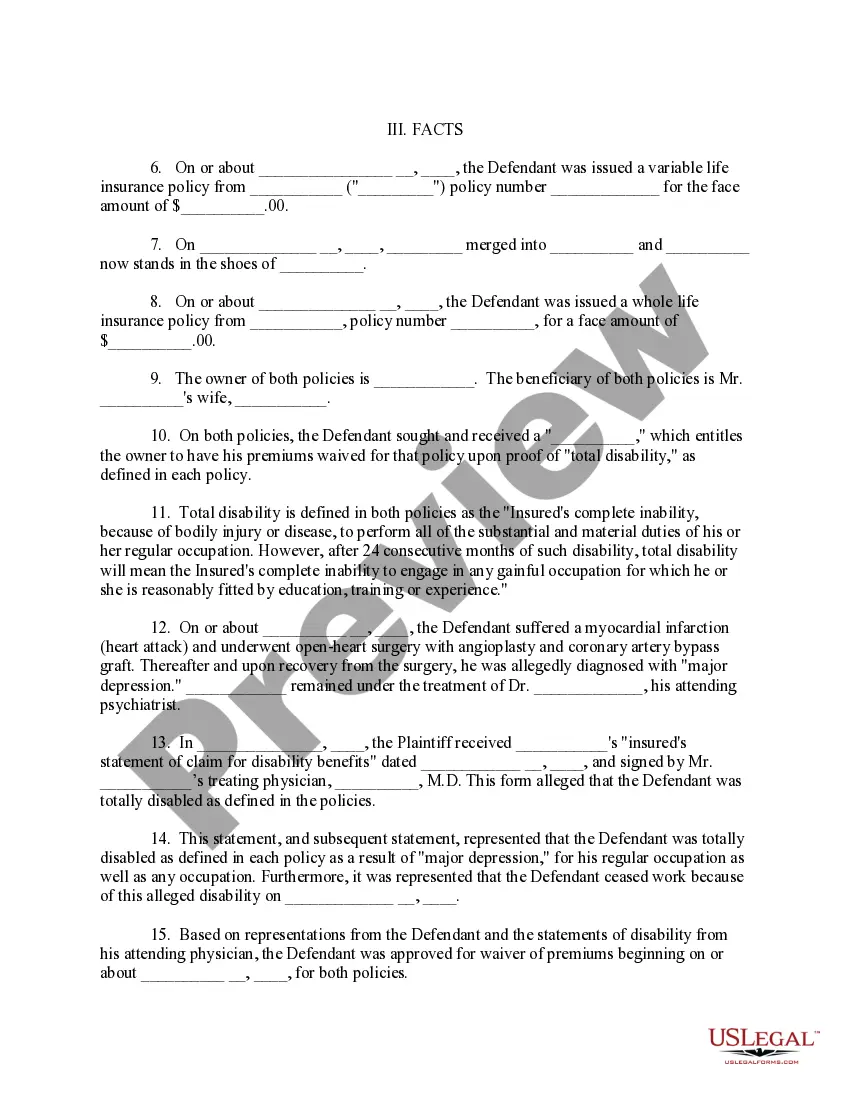
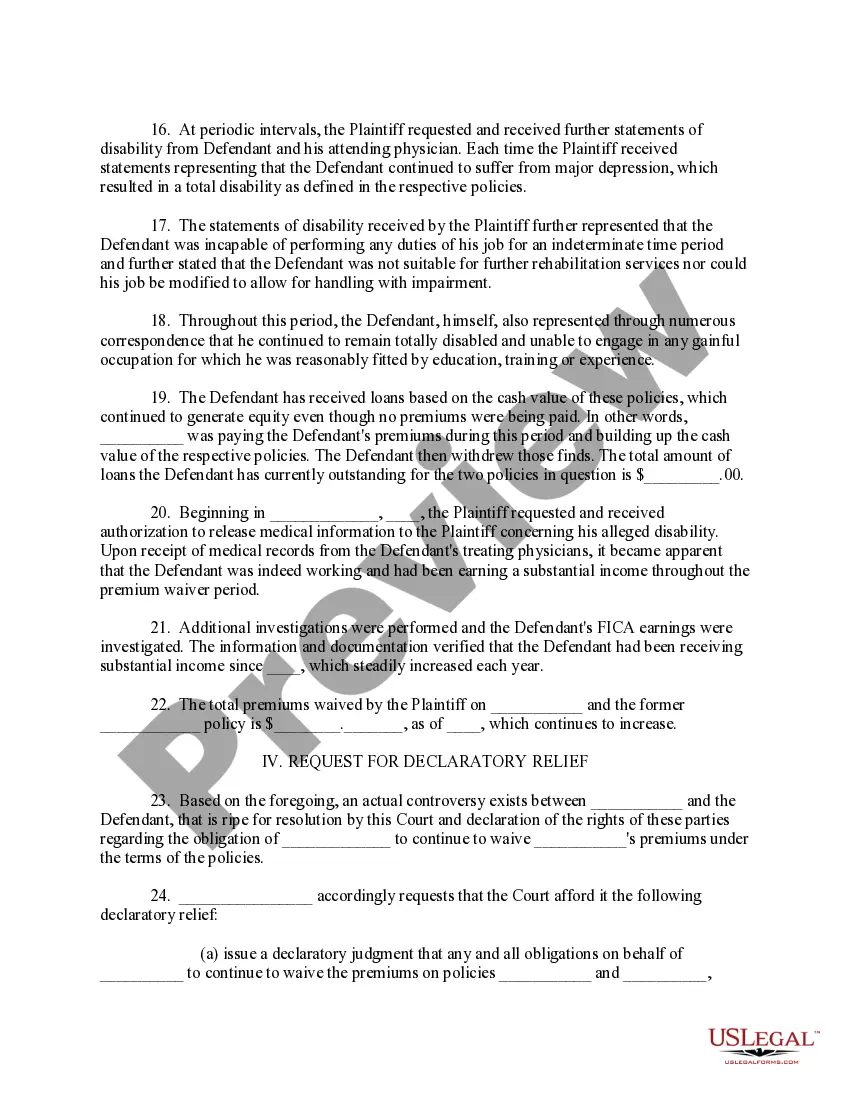
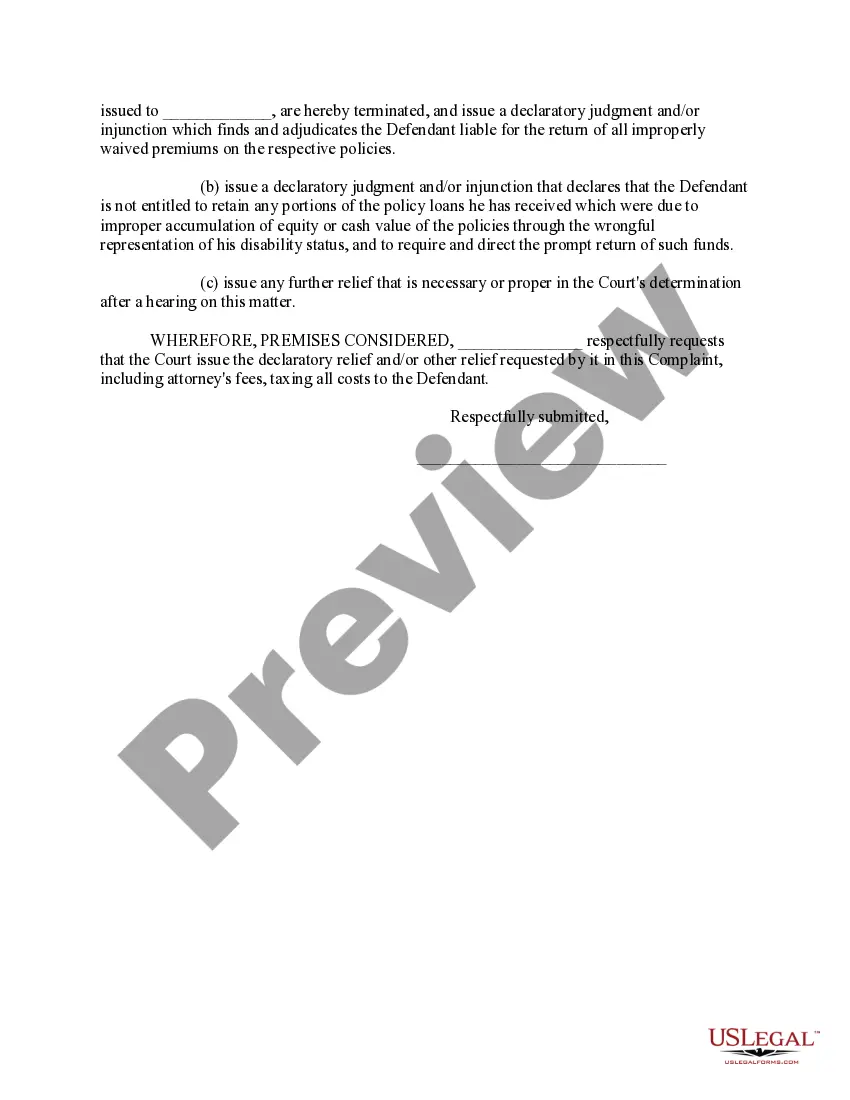



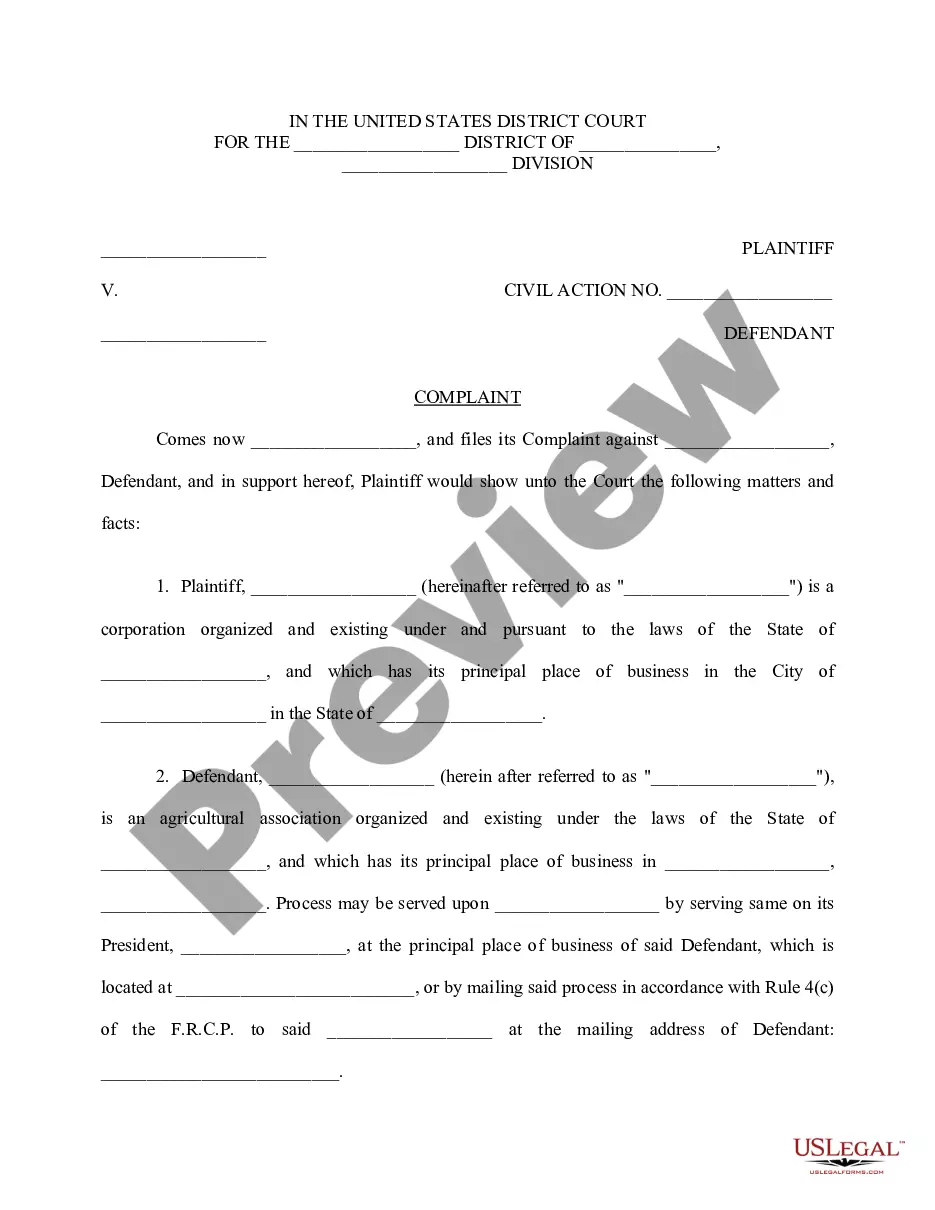
Get your form ready online
Our built-in tools help you complete, sign, share, and store your documents in one place.
Make edits, fill in missing information, and update formatting in US Legal Forms—just like you would in MS Word.
Download a copy, print it, send it by email, or mail it via USPS—whatever works best for your next step.
Sign and collect signatures with our SignNow integration. Send to multiple recipients, set reminders, and more. Go Premium to unlock E-Sign.
If this form requires notarization, complete it online through a secure video call—no need to meet a notary in person or wait for an appointment.
We protect your documents and personal data by following strict security and privacy standards.

Make edits, fill in missing information, and update formatting in US Legal Forms—just like you would in MS Word.

Download a copy, print it, send it by email, or mail it via USPS—whatever works best for your next step.

Sign and collect signatures with our SignNow integration. Send to multiple recipients, set reminders, and more. Go Premium to unlock E-Sign.

If this form requires notarization, complete it online through a secure video call—no need to meet a notary in person or wait for an appointment.

We protect your documents and personal data by following strict security and privacy standards.
Looking for another form?








Form popularity
FAQ
In Texas, as long as one spouse believes the relationship cannot be fixed, the judge will grant the divorce. If your spouse refuses to participate in any part of the divorce and never files an answer after proper service, you can get a default divorce.
A divorce or legal separation case begins when the plaintiff the party who starts the court case files a formal complaint at the courthouse. The defendant, the other party, may answer within 28 days. If an answer is filed, the case is contested. If the defendant does not file an answer, the case is uncontested.
An absolute divorce, also known as a final divorce, is the complete and permanent termination of a marital union.
If your spouse doesn't file a response within 30 days of being served, you can ask the court for a default. This means asking the court to decide the case without your spouse's input. In a divorce by default, the court will make decisions based on the information you file and what the law says.
Waiver of Service This means that your spouse doesn't need to serve you with papers as described on the Serving Divorce Papers page of this guide. You will still have the right to be involved in the proceedings. A specific waiver does not waive any of your rights except the formal notice of the suit.
A Complaint for Divorce or Filing for Divorce is the formalized process of filing paperwork such that legal and factual issues maybe set forth and later addressed at trial, if necessary.
Here are a few ways you can approach the conversation: Acknowledge Their Feelings: You might say, ``I'm sorry to hear that. Divorce can be really tough.'' Offer Support: Let them know you're there for them. You could say, ``If you ever want to talk about it or share how you're feeling, I'm here to listen.''
While the answer is simply admitting or denying information from the complaint, the counterclaim can be used to put forth alternative versions of the facts or a completely different reason for the divorce. The counterclaim functions just like a complaint, you do not need to prove anything in the counterclaim.
File a motion for default judgment. If you are unable to reach an agreement with your spouse, you can file a motion for default judgment with the court. This will ask the court to enter a default judgment against your spouse without hearing from them. Hire a local attorney.
