Complaint Waived File Format In Pennsylvania
Description

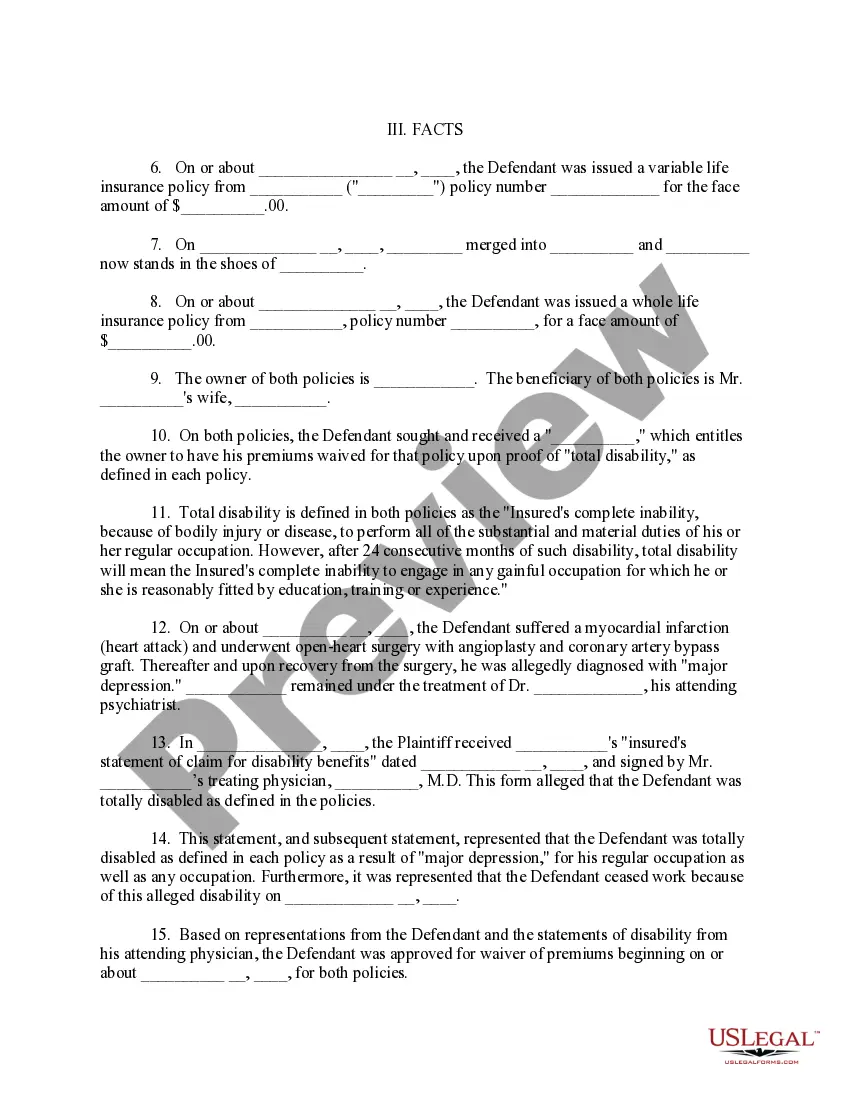
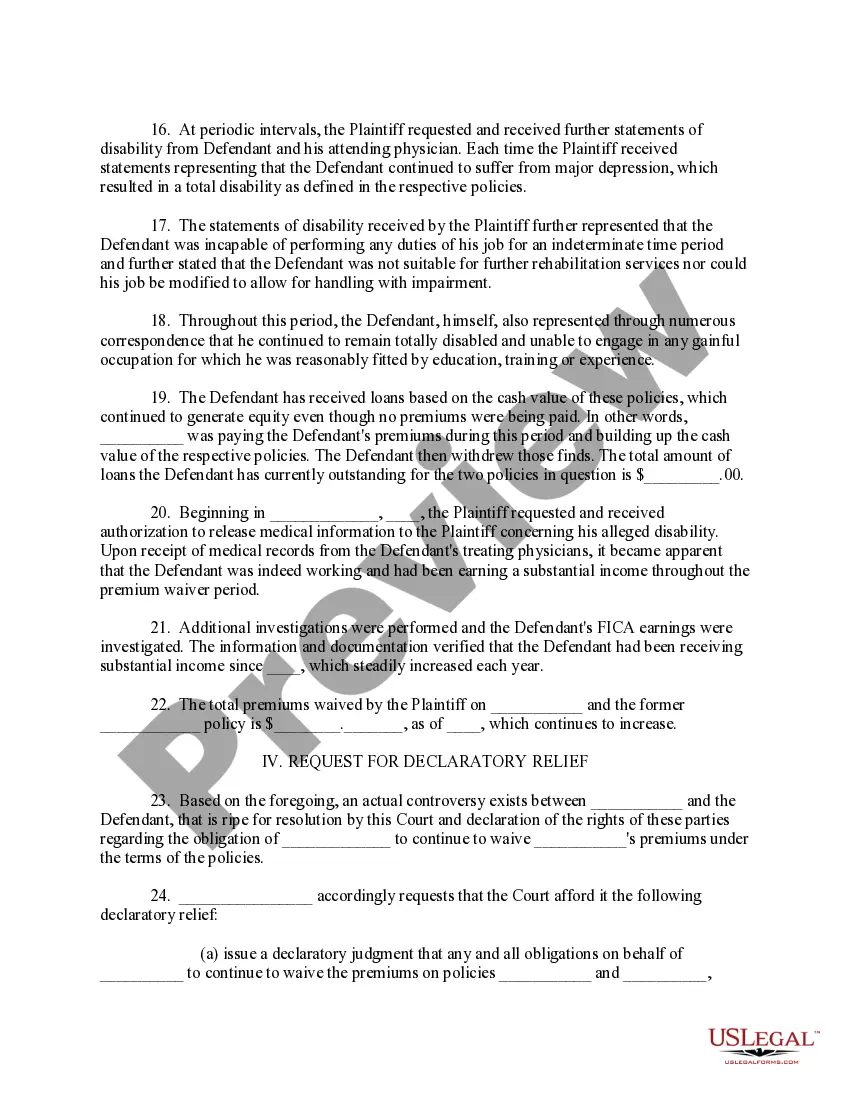
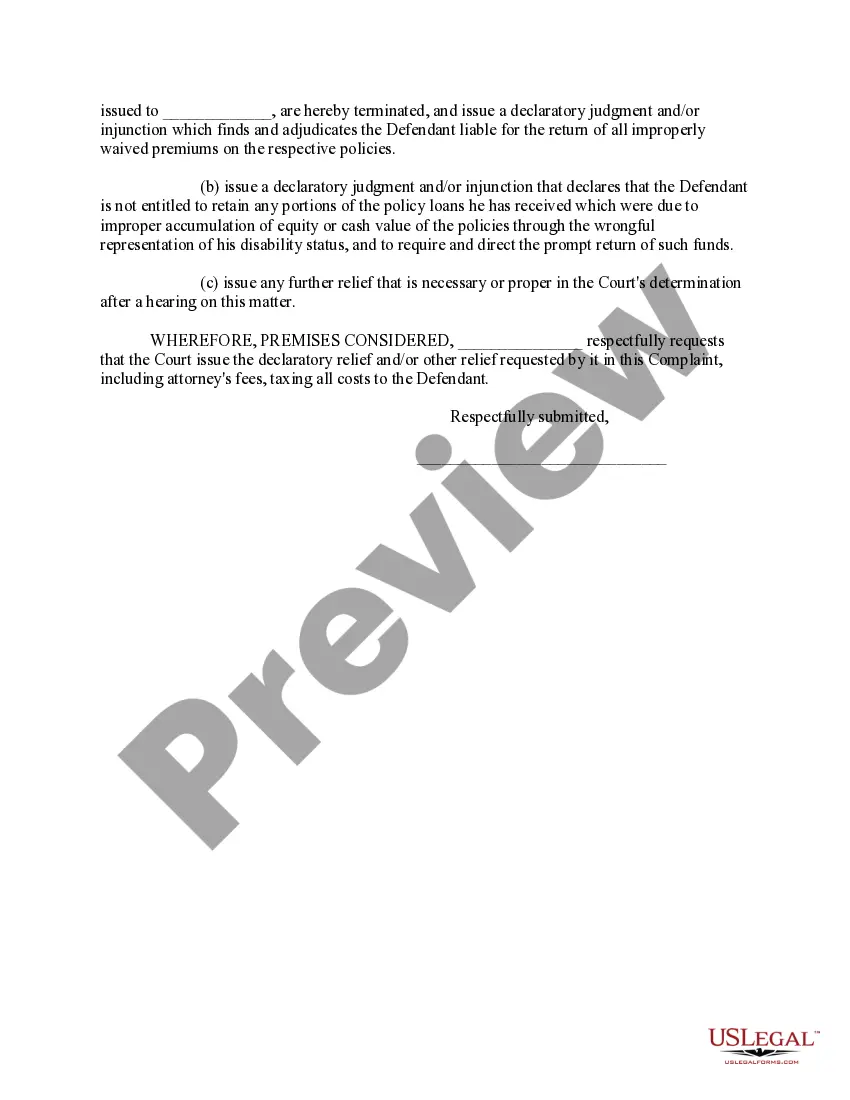



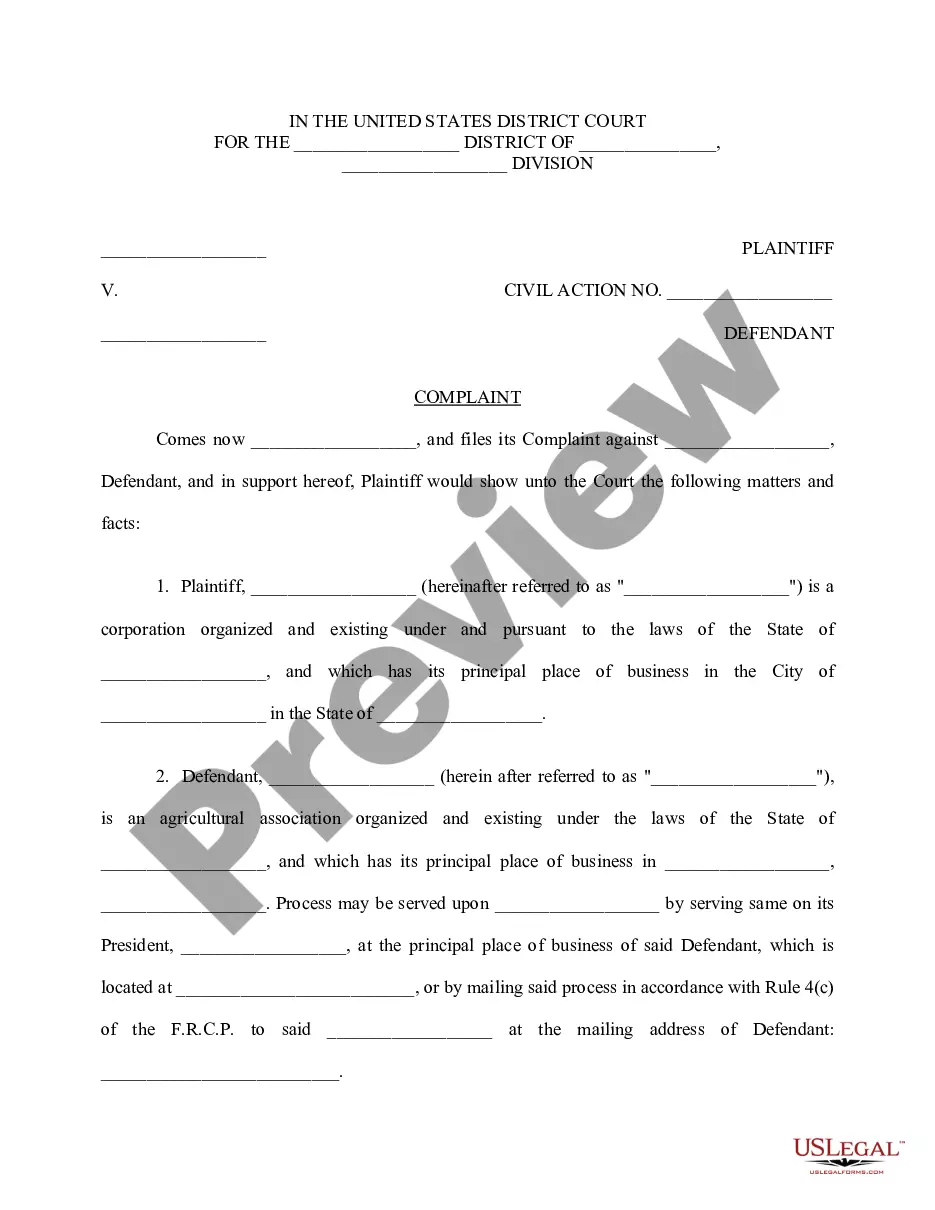
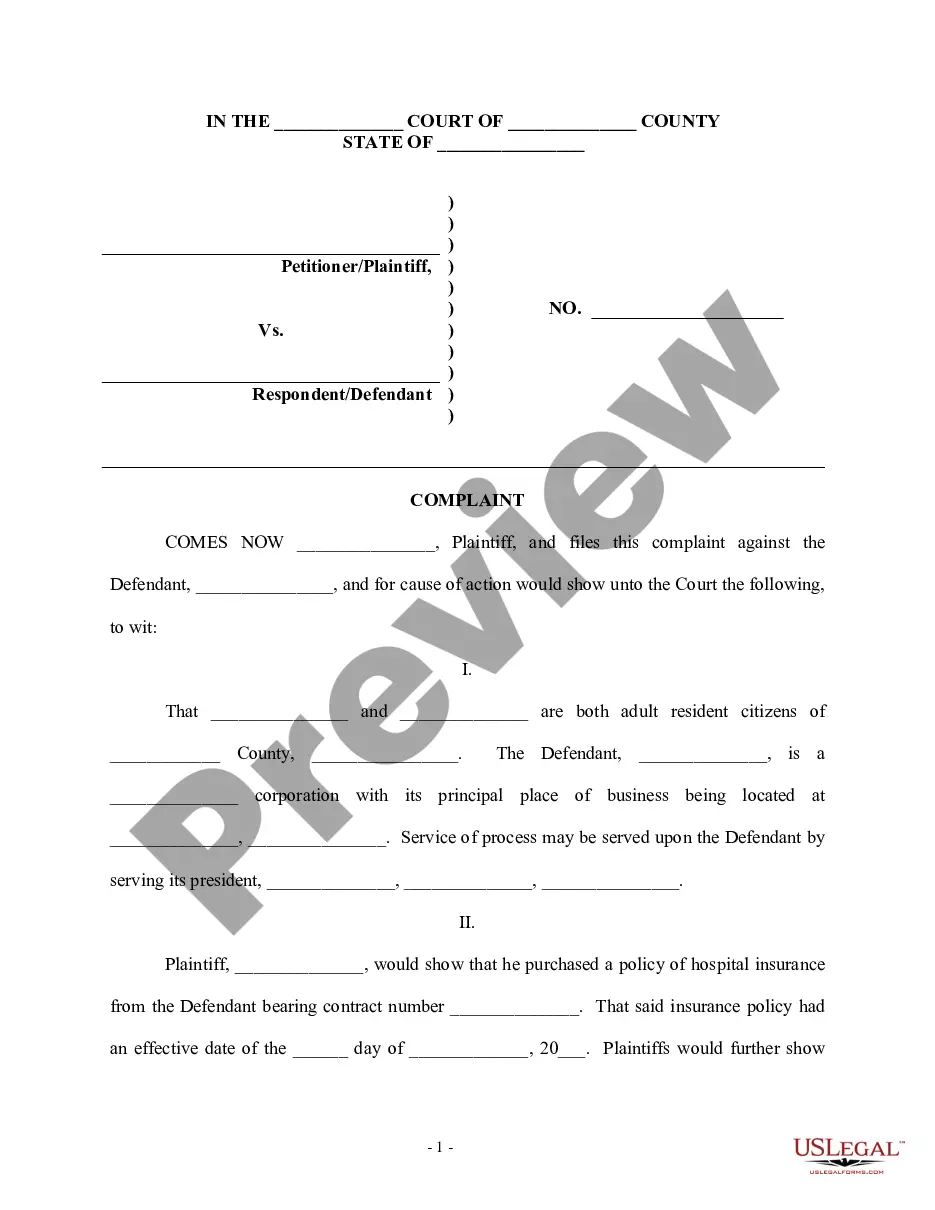
Get your form ready online
Our built-in tools help you complete, sign, share, and store your documents in one place.
Make edits, fill in missing information, and update formatting in US Legal Forms—just like you would in MS Word.
Download a copy, print it, send it by email, or mail it via USPS—whatever works best for your next step.
Sign and collect signatures with our SignNow integration. Send to multiple recipients, set reminders, and more. Go Premium to unlock E-Sign.
If this form requires notarization, complete it online through a secure video call—no need to meet a notary in person or wait for an appointment.
We protect your documents and personal data by following strict security and privacy standards.

Make edits, fill in missing information, and update formatting in US Legal Forms—just like you would in MS Word.

Download a copy, print it, send it by email, or mail it via USPS—whatever works best for your next step.

Sign and collect signatures with our SignNow integration. Send to multiple recipients, set reminders, and more. Go Premium to unlock E-Sign.

If this form requires notarization, complete it online through a secure video call—no need to meet a notary in person or wait for an appointment.

We protect your documents and personal data by following strict security and privacy standards.
Looking for another form?
Form popularity
FAQ
The answer must be in writing and: (1) Set forth in paragraphs numbered to correspond with the complaint. (2) Advise the parties and the Commission as to the nature of the defense. (3) Admit or deny specifically all material allegations of the complaint.
Comply With the Relevant Federal, State, and Local Rules. Research Before Writing. Allege Subject Matter Jurisdiction, Personal Jurisdiction, and Venue. Jurisdiction. Draft Concise and Plain Statement of the Facts. Factual Allegations. Draft Separate Counts for Each Legal Claim. Plead Facts With Particularity Where Necessary.
Comply With the Relevant Federal, State, and Local Rules. Research Before Writing. Allege Subject Matter Jurisdiction, Personal Jurisdiction, and Venue. Jurisdiction. Draft Concise and Plain Statement of the Facts. Factual Allegations. Draft Separate Counts for Each Legal Claim. Plead Facts With Particularity Where Necessary.
As in most states, the statute of limitations in civil cases in Pennsylvania is two years. In most cases, this means that victims have two years from the date of their injury to file a civil lawsuit.
Waiving service (Rule 4(d)) The plaintiff may request that the defendant waive formal service of the summons and complaint. If the defendant agrees to waive service, they sign a waiver form, and the case can proceed without the need for formal personal service.
Acceptance: “Sure. Send it on over. I won't quibble with the guy when he shows up at my door.” Waiver: “Nah, don't worry about serving it.
If you are filing the Complaint originally in Common Pleas Court, under Pennsylvania law, service of the Complaint on a resident of Pennsylvania must be made by the Sheriff. You must take two file-stamped copies (the Defendant's copy and the Sheriff's service copy) of the Complaint to the Sheriff for service.
A waiver of service is when a defendant agrees to be served court papers without the need for a process server or other official to deliver them. This is done by signing an acknowledgment of receipt of the petition and stating that he or she waives all further service.
A waiver of service is a legal document that can be used in civil lawsuits to save time and costs related to formal service of process. It allows the defendant to voluntarily waive their right to be formally served with the lawsuit papers (such as a summons and complaint) by a process server.