State Disability Which Withholding In Los Angeles
Description

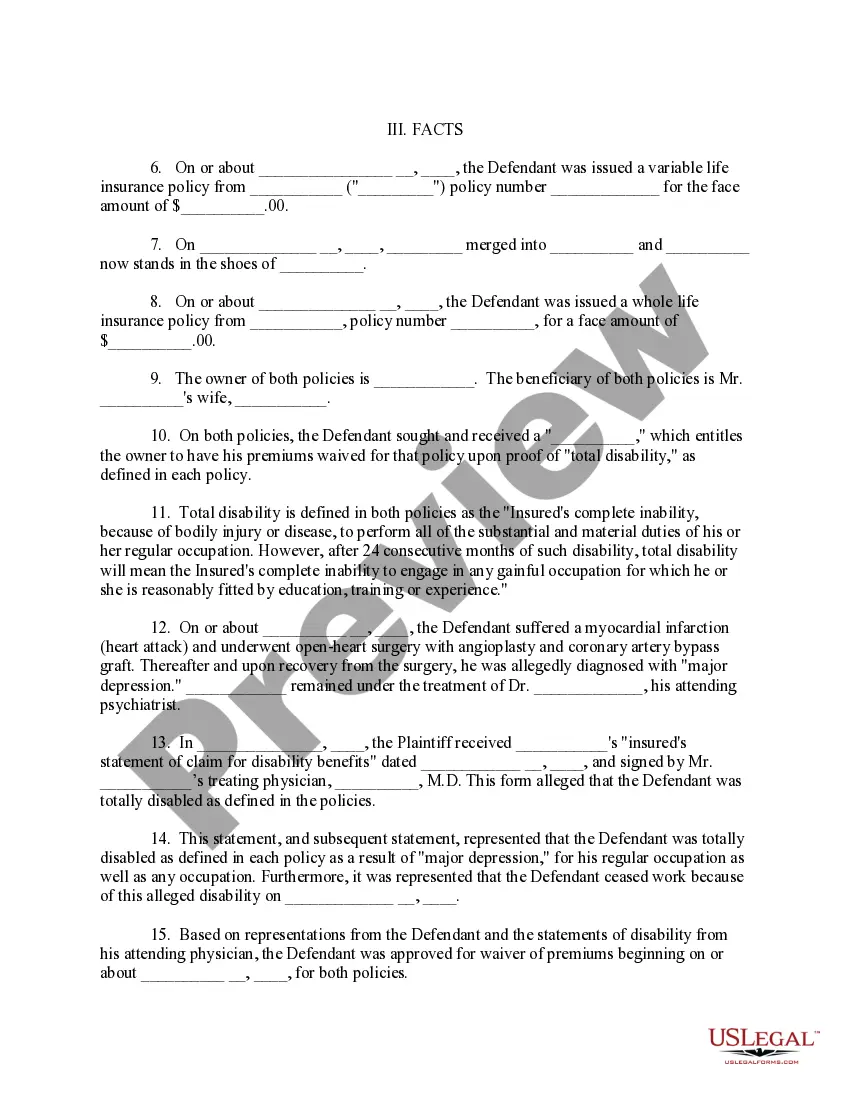



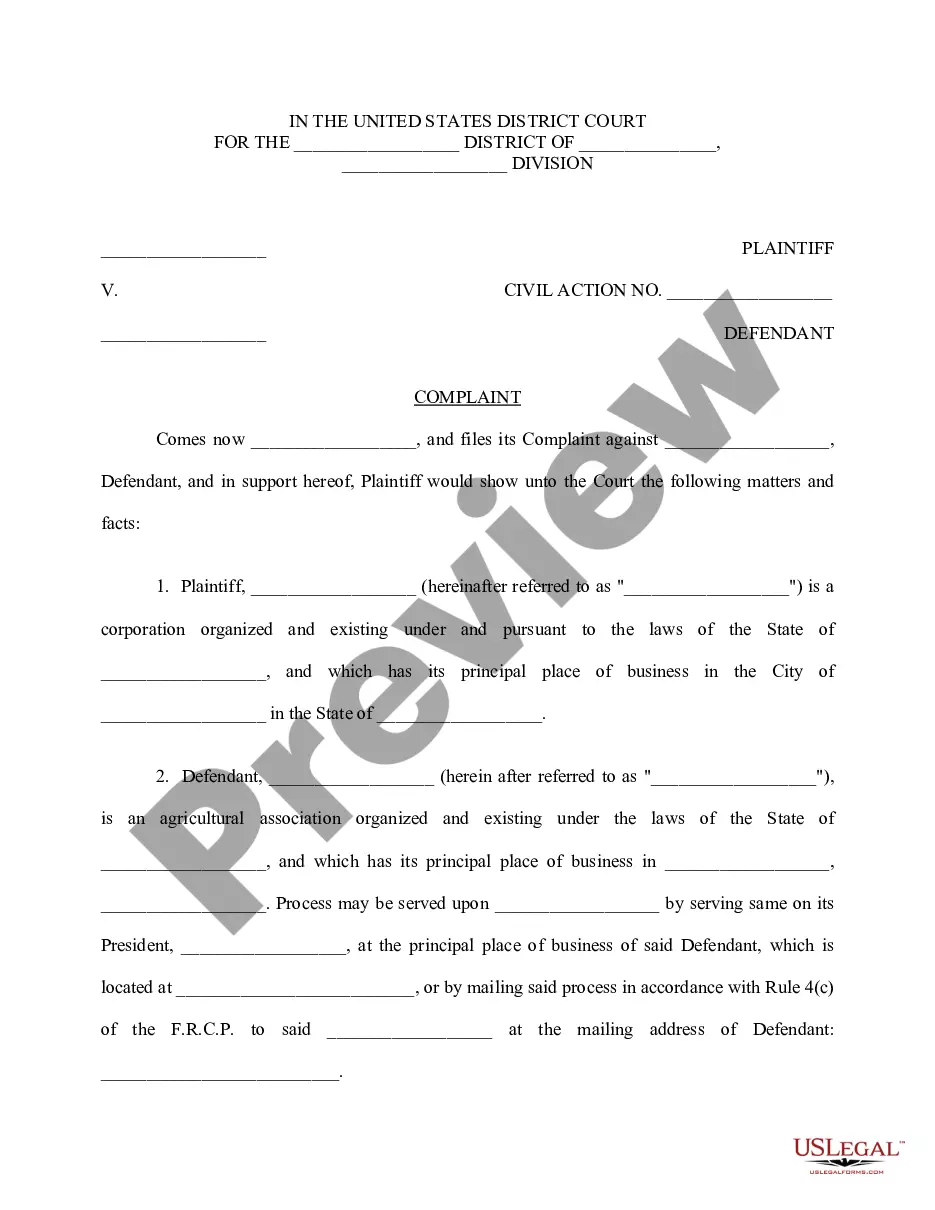
Get your form ready online
Our built-in tools help you complete, sign, share, and store your documents in one place.
Make edits, fill in missing information, and update formatting in US Legal Forms—just like you would in MS Word.
Download a copy, print it, send it by email, or mail it via USPS—whatever works best for your next step.
Sign and collect signatures with our SignNow integration. Send to multiple recipients, set reminders, and more. Go Premium to unlock E-Sign.
If this form requires notarization, complete it online through a secure video call—no need to meet a notary in person or wait for an appointment.
We protect your documents and personal data by following strict security and privacy standards.

Make edits, fill in missing information, and update formatting in US Legal Forms—just like you would in MS Word.

Download a copy, print it, send it by email, or mail it via USPS—whatever works best for your next step.

Sign and collect signatures with our SignNow integration. Send to multiple recipients, set reminders, and more. Go Premium to unlock E-Sign.

If this form requires notarization, complete it online through a secure video call—no need to meet a notary in person or wait for an appointment.

We protect your documents and personal data by following strict security and privacy standards.
Looking for another form?








Form popularity
FAQ
In most cases, Disability Insurance (DI) benefits are not taxable.
No. The State Disability Insurance (SDI) program and contributions are mandatory under the California Unemployment Insurance Code. There are two exceptions: If your employer or a majority of employees in your company apply for approval of a Voluntary Plan in place of SDI coverage.
Employers must withhold 1.1% of their employees' gross wages for CASDI tax. The wage base limit is $145,600 per employee, per calendar year, and the maximum amount that can be withheld for each employee is $1,601.60.
Employers must withhold 1.1% of their employees' gross wages for CASDI tax. The wage base limit is $145,600 per employee, per calendar year, and the maximum amount that can be withheld for each employee is $1,601.60.
The California SDI tax rate is 1.00 percent of SDI taxable wages per employee per year. The maximum tax is $1,229.09 per employee per year.
In California, disability income benefits are not taxable. The one case in which they may be taxed is when employees receive SDI benefits in place of unemployment compensation and for a person who is not eligible for Unemployment Insurance (UI) benefits only because of the disability.
Family employees - Services provided by (1) children under the age of 18 employed by a parent or partnership of parents only, (2) spouse employed by spouse, (3) registered domestic partner employed by registered domestic partner, and (4) parent employed by son or daughter are not subject to UI, ETT, and SDI.
Your Clients Can Get a W-4V Online To start, change, or stop federal income tax withholding from their Social Security benefits, your clients can sign and submit IRS form W-4V directly to their local Social Security office.
