Declaratory Judgment Illinois Insurance Coverage In Los Angeles
Description

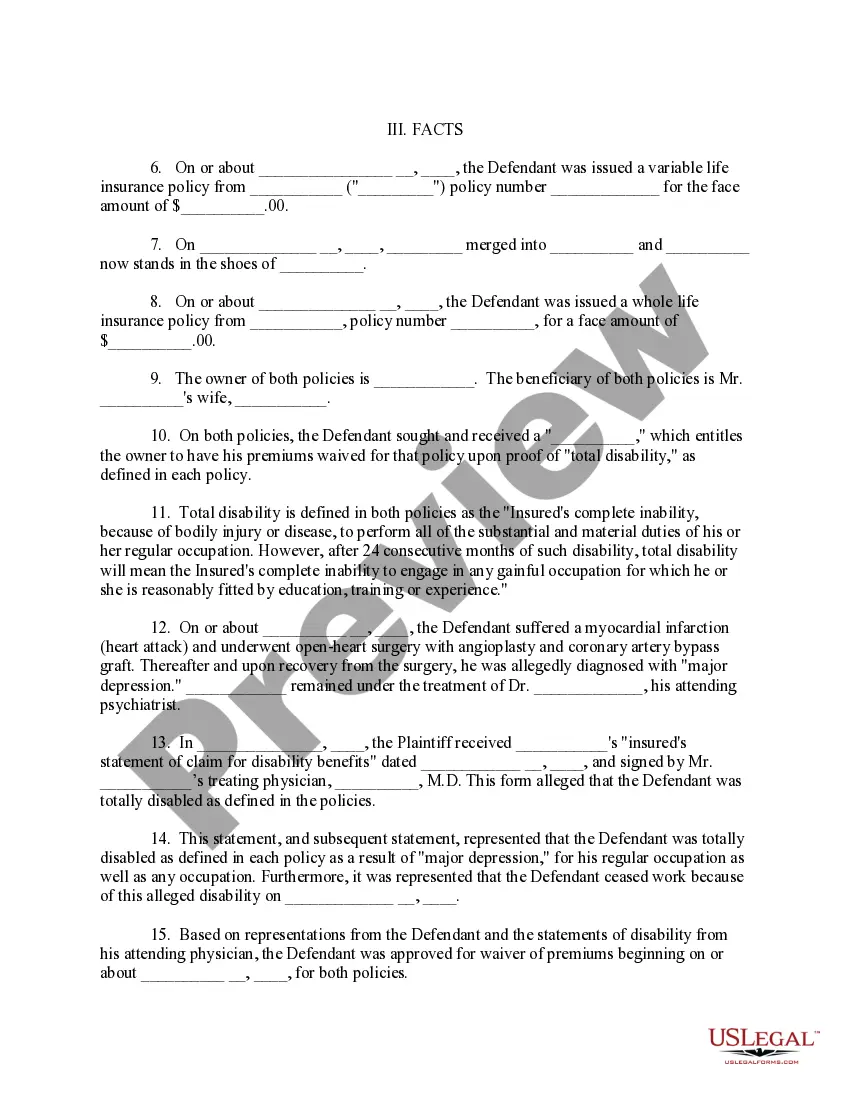
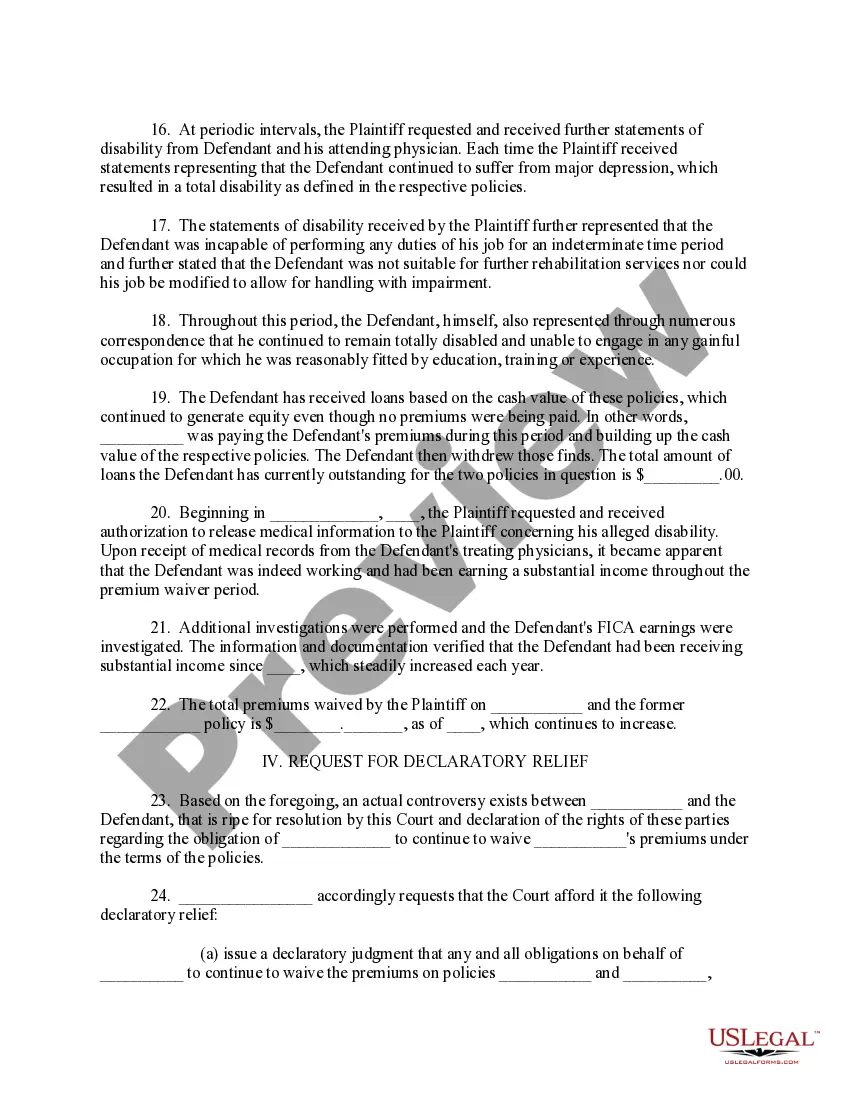



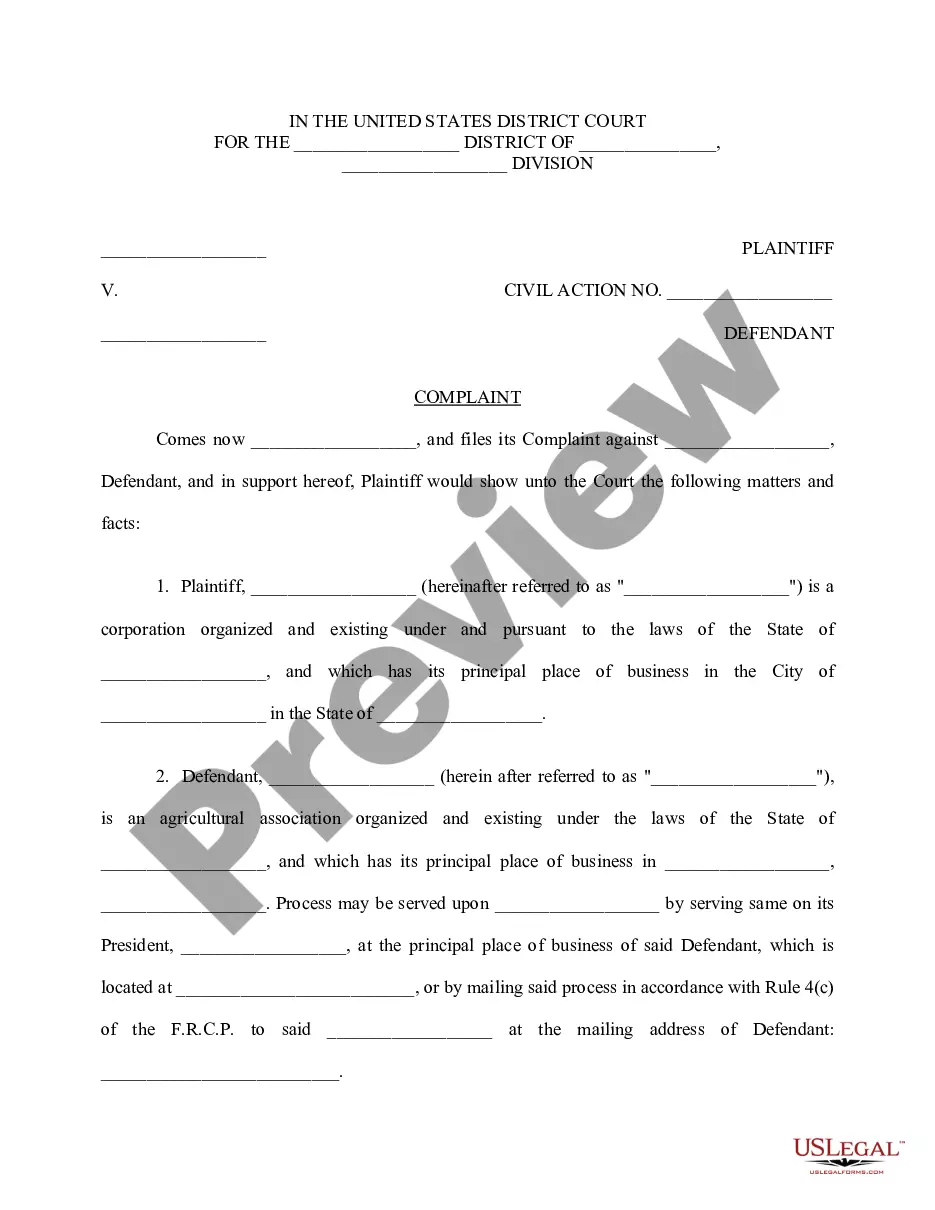
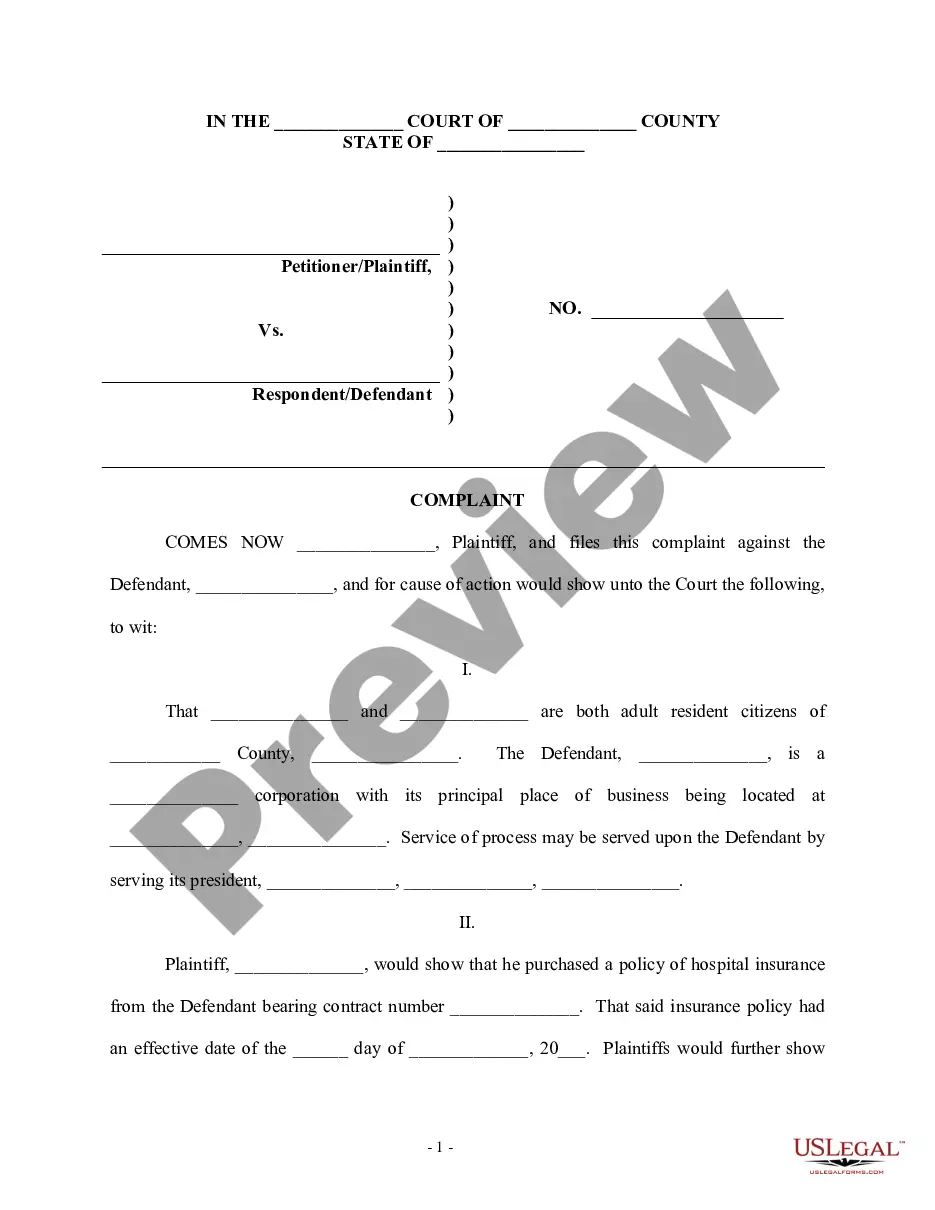
Get your form ready online
Our built-in tools help you complete, sign, share, and store your documents in one place.
Make edits, fill in missing information, and update formatting in US Legal Forms—just like you would in MS Word.
Download a copy, print it, send it by email, or mail it via USPS—whatever works best for your next step.
Sign and collect signatures with our SignNow integration. Send to multiple recipients, set reminders, and more. Go Premium to unlock E-Sign.
If this form requires notarization, complete it online through a secure video call—no need to meet a notary in person or wait for an appointment.
We protect your documents and personal data by following strict security and privacy standards.

Make edits, fill in missing information, and update formatting in US Legal Forms—just like you would in MS Word.

Download a copy, print it, send it by email, or mail it via USPS—whatever works best for your next step.

Sign and collect signatures with our SignNow integration. Send to multiple recipients, set reminders, and more. Go Premium to unlock E-Sign.

If this form requires notarization, complete it online through a secure video call—no need to meet a notary in person or wait for an appointment.

We protect your documents and personal data by following strict security and privacy standards.
Looking for another form?






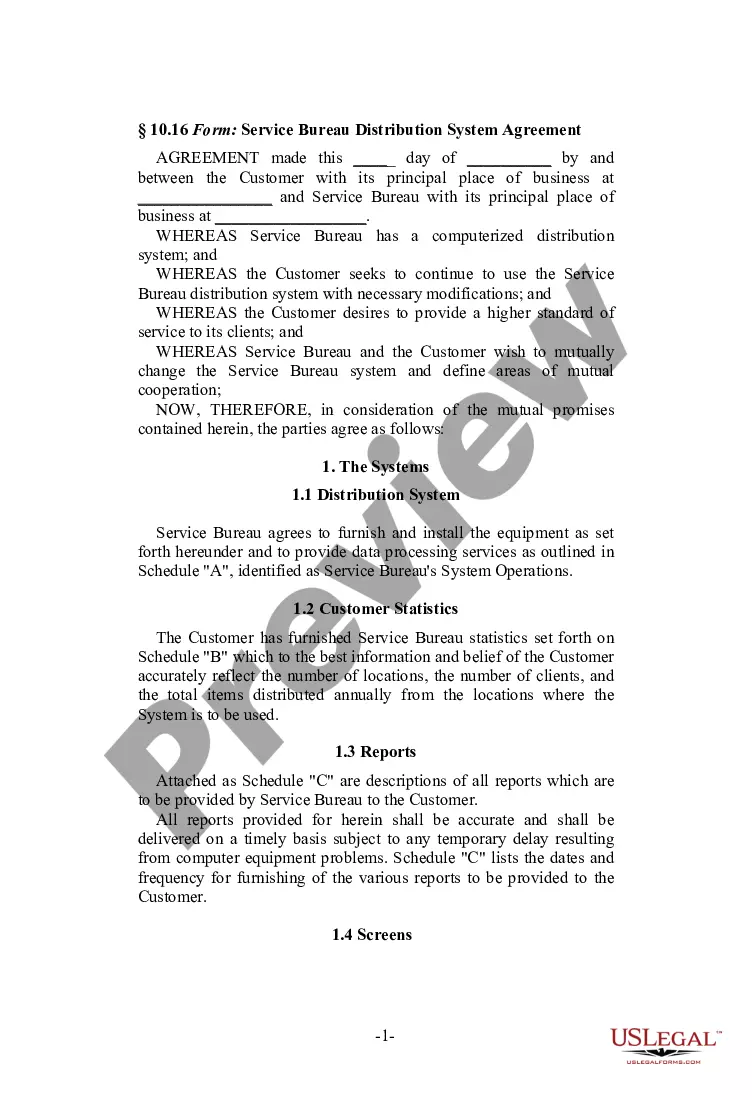



Form popularity
FAQ
“Actions for declaratory judgment are also governed by the same six-year statute of limitations and accrue when a plaintiff receives a judicially cognizable injury.” See Baroudi v.
A declaratory judgment is a legally binding judgment where a court declares the rights and obligations of the parties to a written agreement, such as an insurance policy or other contract.
To bring a claim for declaratory judgment in a situation where a patent dispute may exist or develop, the claimant must establish that an actual controversy exists. If there is a substantial controversy of sufficient immediacy and reality, the court will generally proceed with the declaratory-judgment action.
Declaratory judgments are conclusive and legally binding, but do not have preclusive effect if: A later lawsuit involves issues other than those specifically litigated and ruled on in the declaratory judgment action.
Your insurance company client wants to file a declaratory judgment action to determine whether the insurer owes coverage to one of the defendants in a civil lawsuit.
The declaratory judgment is generally considered a statutory remedy and not an equitable remedy in the United States, and is thus not subject to equitable requirements, though there are analogies that can be found in the remedies granted by courts of equity.
"The essential requirements of a declaratory judgment action are: (1) a plaintiff with a legal tangible interest; (2) a defendant having an opposing interest; and (3) an actual controversy between the parties concerning such interests. Citations.
Illinois law governs the enforcement and resurrection of judgments. Under Illinois law, judgments have an enforcement time limit of seven years from the date of their entry.