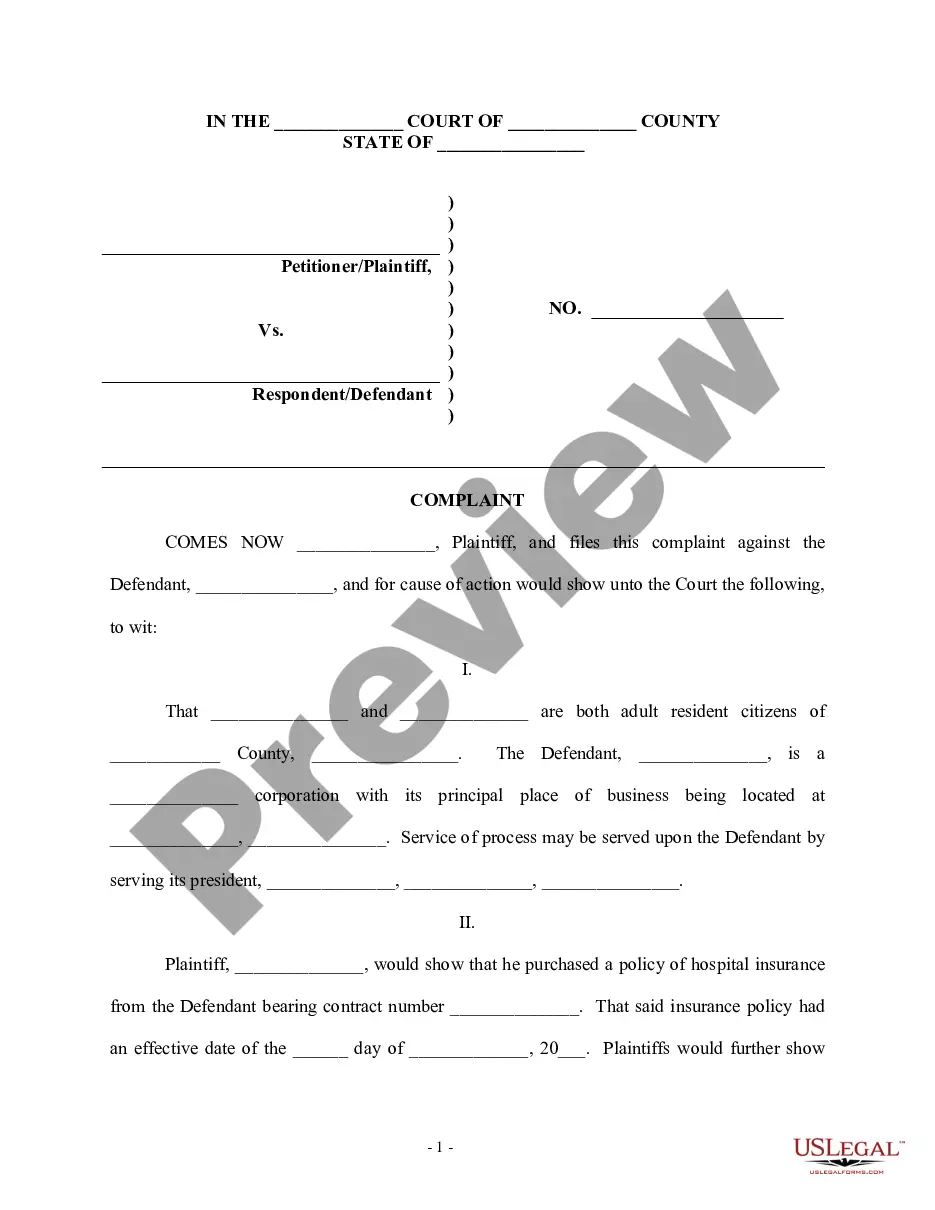
Complaint Waived File Format In Hennepin
Description

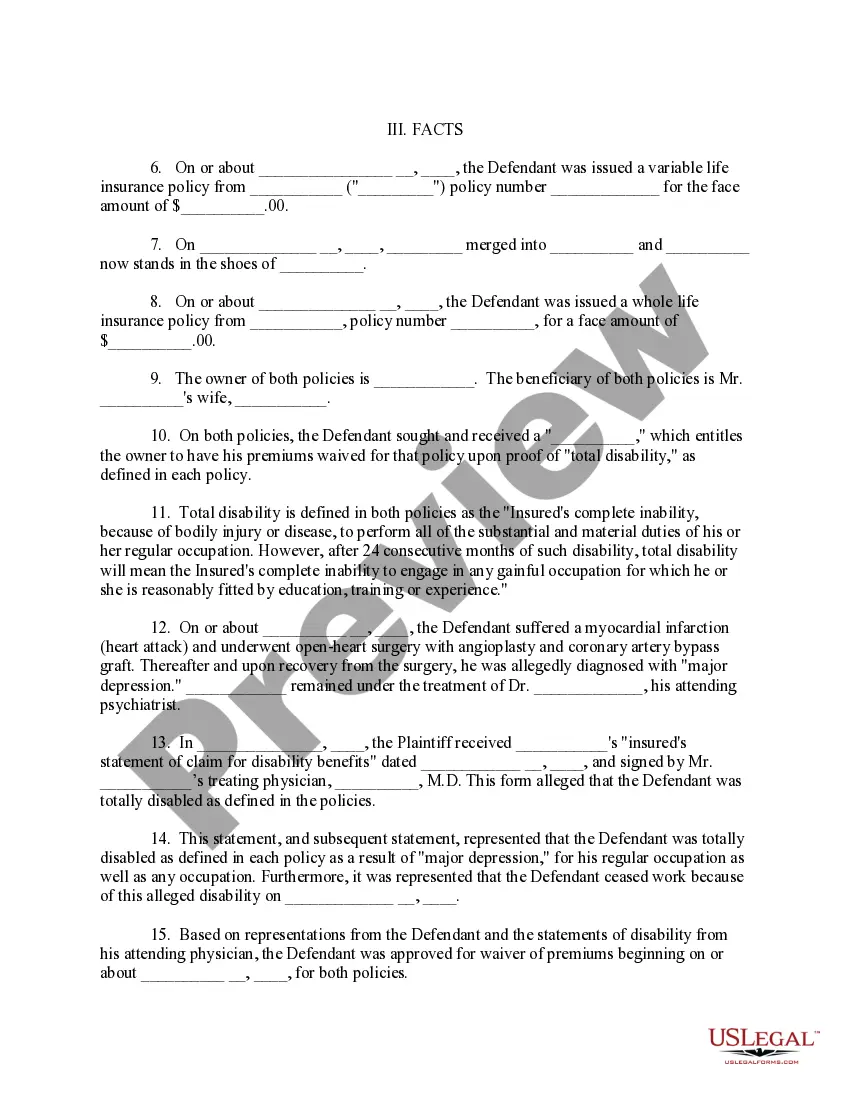
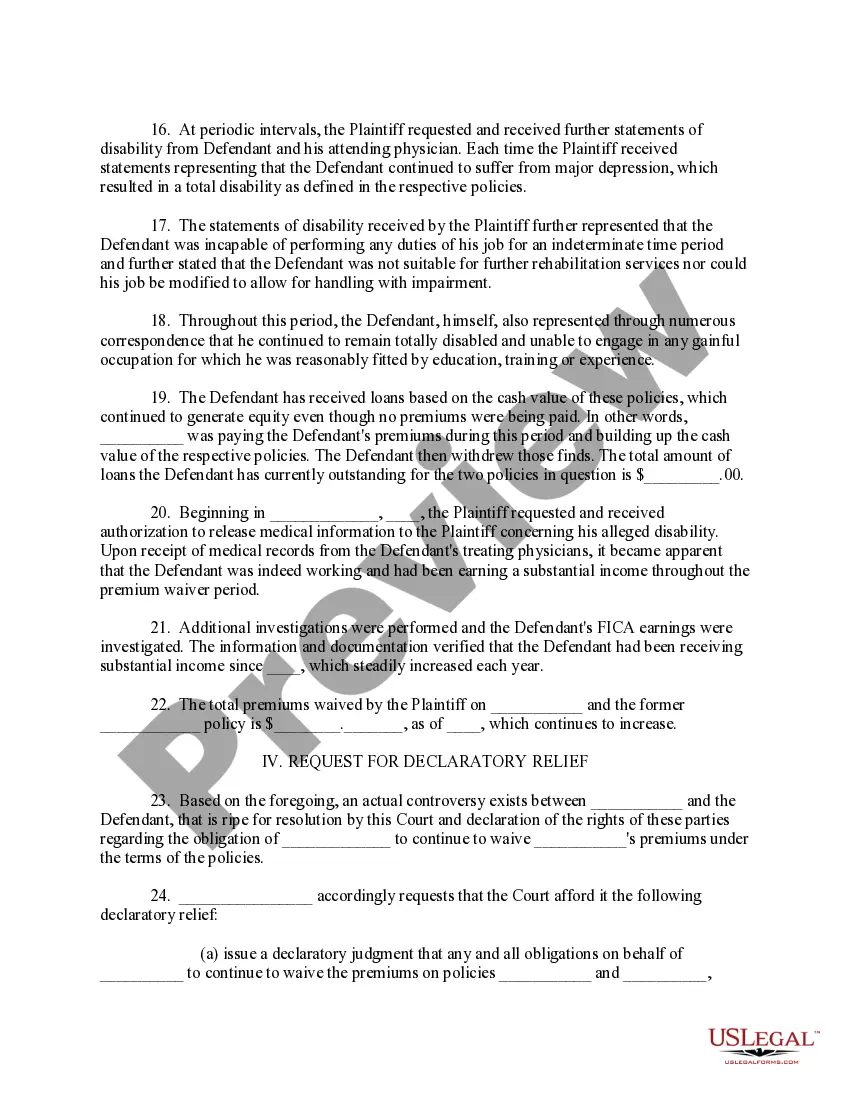
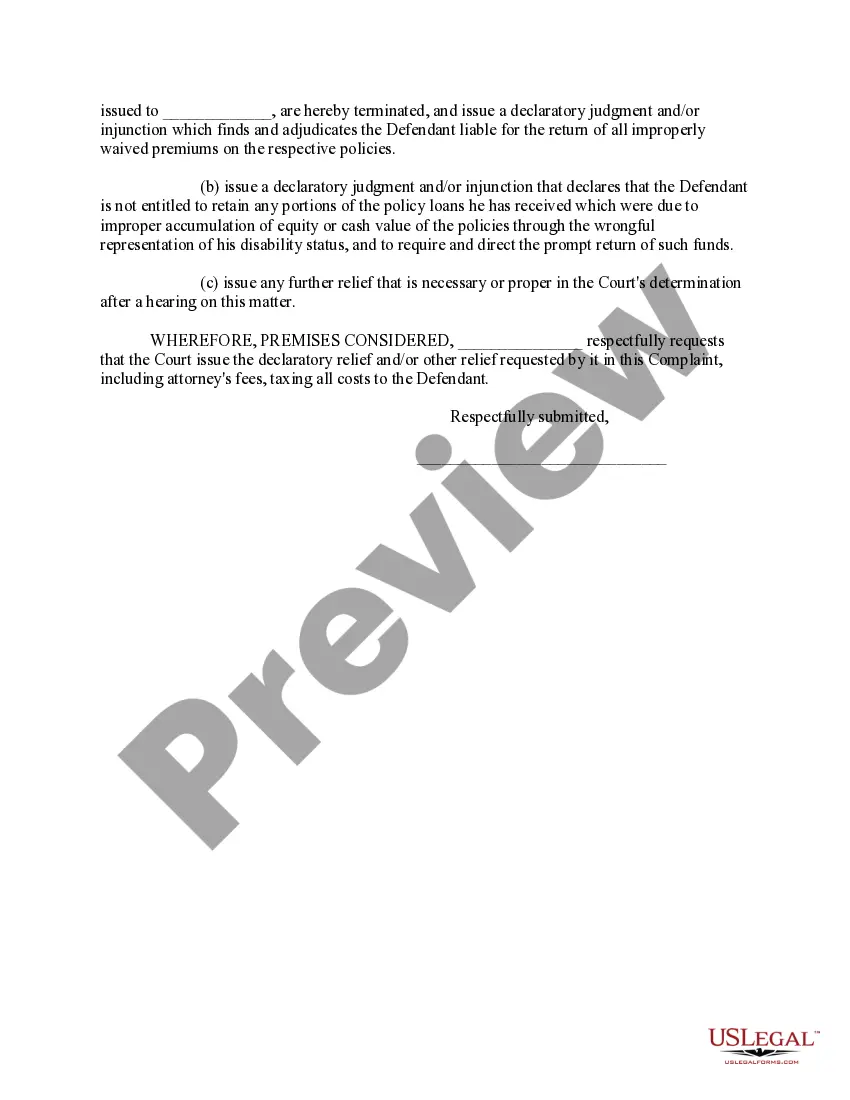



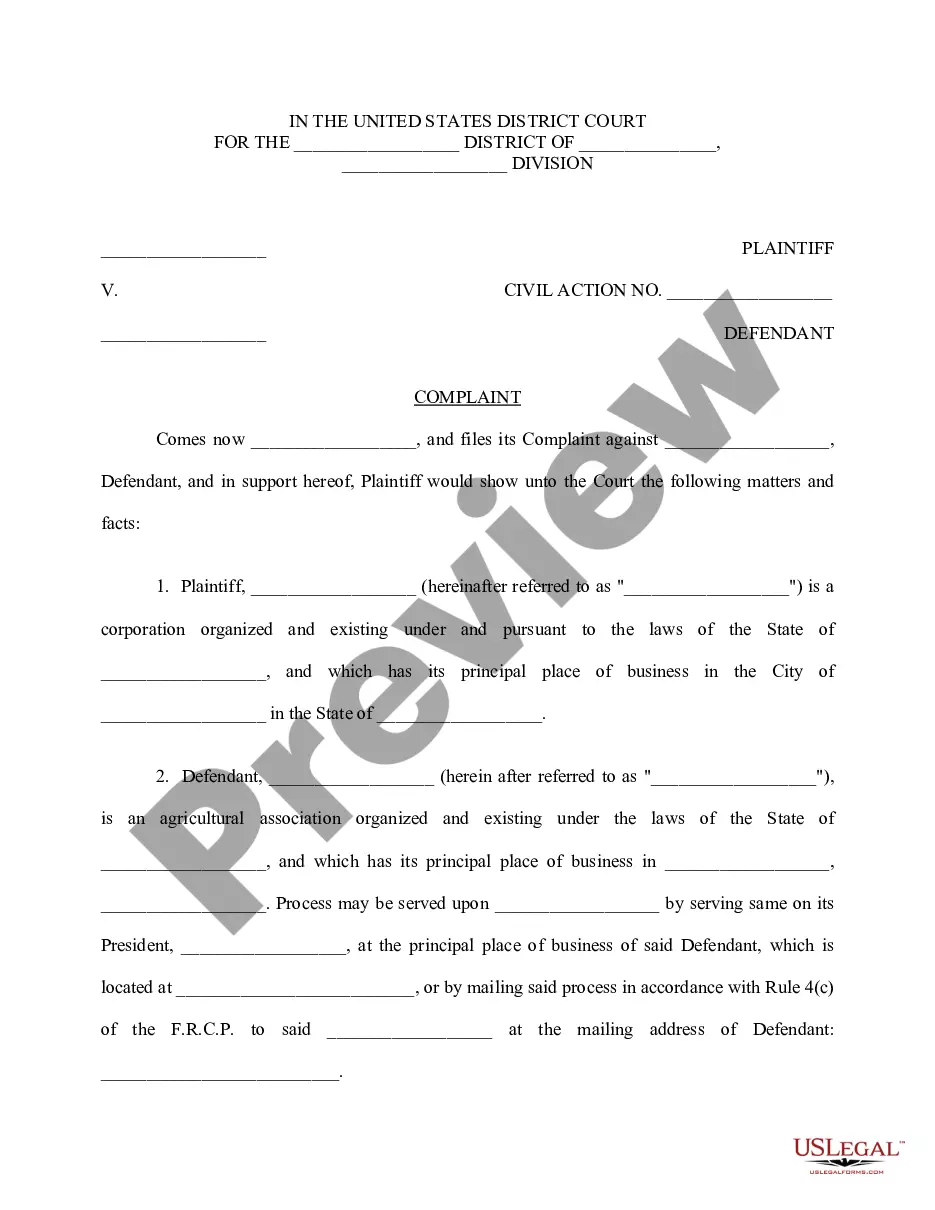
Get your form ready online
Our built-in tools help you complete, sign, share, and store your documents in one place.
Make edits, fill in missing information, and update formatting in US Legal Forms—just like you would in MS Word.
Download a copy, print it, send it by email, or mail it via USPS—whatever works best for your next step.
Sign and collect signatures with our SignNow integration. Send to multiple recipients, set reminders, and more. Go Premium to unlock E-Sign.
If this form requires notarization, complete it online through a secure video call—no need to meet a notary in person or wait for an appointment.
We protect your documents and personal data by following strict security and privacy standards.

Make edits, fill in missing information, and update formatting in US Legal Forms—just like you would in MS Word.

Download a copy, print it, send it by email, or mail it via USPS—whatever works best for your next step.

Sign and collect signatures with our SignNow integration. Send to multiple recipients, set reminders, and more. Go Premium to unlock E-Sign.

If this form requires notarization, complete it online through a secure video call—no need to meet a notary in person or wait for an appointment.

We protect your documents and personal data by following strict security and privacy standards.
Looking for another form?







Form popularity
FAQ
The public can also access court documents from public access computer terminals at any Minnesota district (county) courthouse or at the Minnesota State Law Library. The availability of court records is governed by the Minnesota Rules of Public Access to Records of the Judicial Branch.
If a case is already started and you are serving a motion, responsive motion, or answer: Generally the other party in your case can be served with motion or answer papers by: Regular first-class U.S. mail; or. Personal service. The person who serves these papers could be: Another adult; The sheriff; or. You.
The following are not available in MCRO, but are available through MPA Courthouse: a. Domestic Abuse (OFP) and Harassment Restraining Order (HRO) case types, which the federal Violence Against Women Act (VAWA) prohibits from displaying on the internet.
Civil court checks search federal and state civil court records and report domestic violence, restraining orders, bankruptcies, lawsuits, foreclosures, and more.
A Harassment Restraining Order (HRO) is an order signed by a judicial officer (judge or referee) that orders someone to stop harassing you and have no contact, unless allowed in the court order. It is not a criminal proceeding and takes place in civil court.
The following are not available in MCRO, but are available through MPA Courthouse: a. Domestic Abuse (OFP) and Harassment Restraining Order (HRO) case types, which the federal Violence Against Women Act (VAWA) prohibits from displaying on the internet.
A final order granting or denying a petition for an order for protection is appealable as a final order in a special proceeding. There are other types of orders that are appealable under statutes that apply to specific types of proceedings or under a decision of the Minnesota Supreme Court.
Some courts have "check the boxes" or "fill in the blank" motion forms. Look for these forms on the court's website, or contact the clerk of the court where your case has been assigned. If your court does not have blank motion forms, don't use a blank form from another state. Instead draft your own motion.
Instructions for filing a. Motion. in the Minnesota Court of Appeals. Step 1: Fill out the Motion form. Step 2: Fill out the Affidavit in Support of Motion form. Step 3: Serve your Motion and Affidavit on the opposing parties. Step 4: Proof of Service. Step 5: File the Motion, Affidavit, and Certificate of Service by Mail.
Instructions for filing a. Motion. in the Minnesota Court of Appeals. Step 1: Fill out the Motion form. Step 2: Fill out the Affidavit in Support of Motion form. Step 3: Serve your Motion and Affidavit on the opposing parties. Step 4: Proof of Service. Step 5: File the Motion, Affidavit, and Certificate of Service by Mail.
