Declaratory Judgment Vs Injunction In Georgia
Description

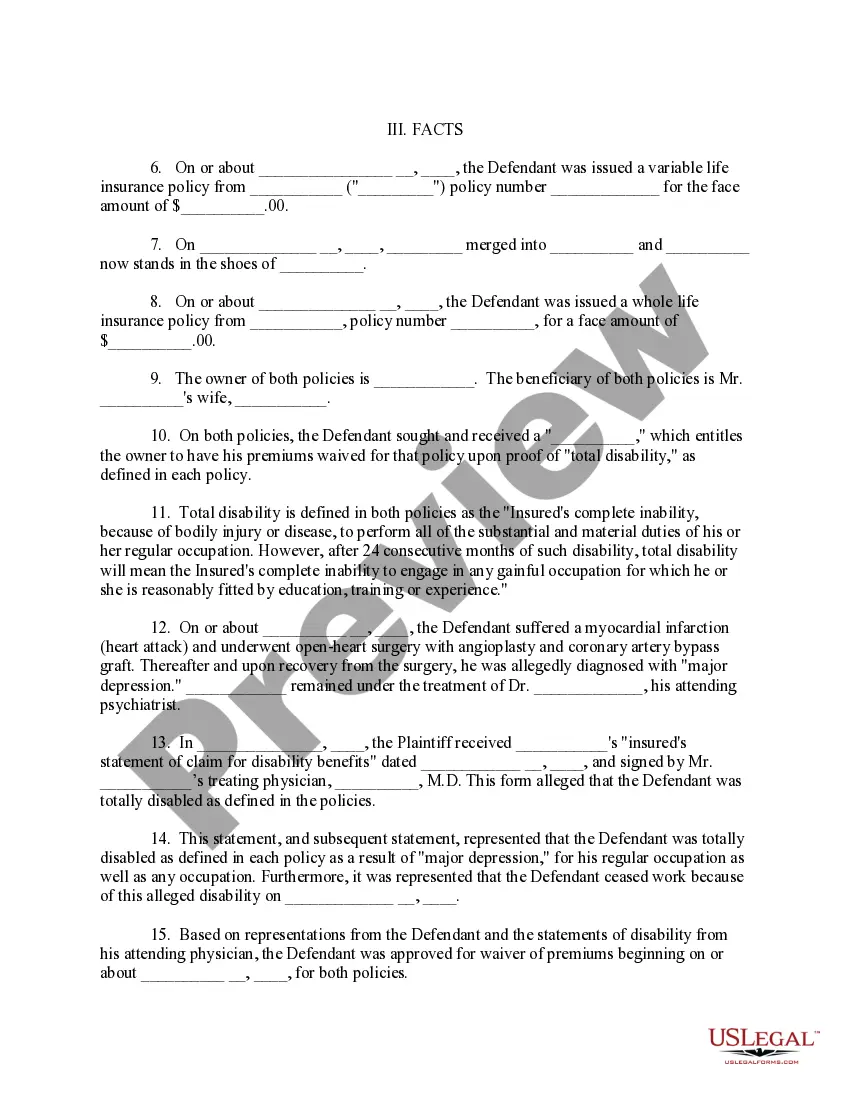
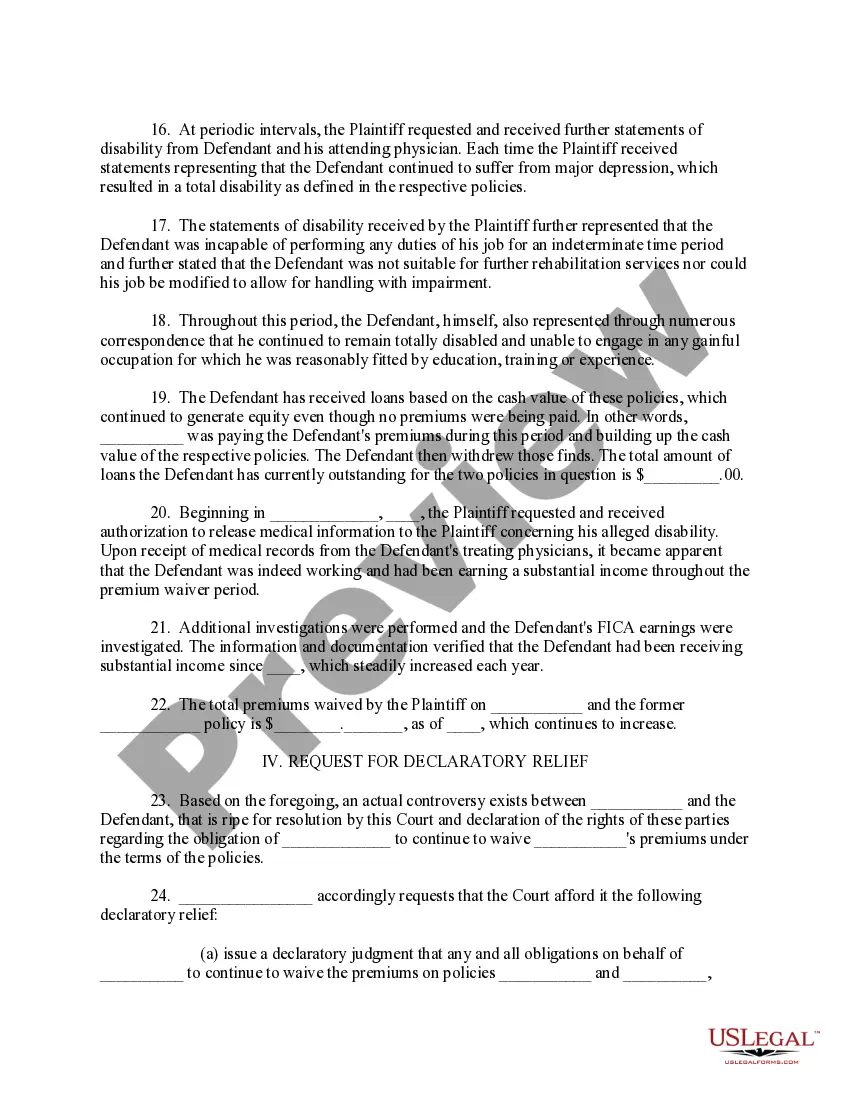
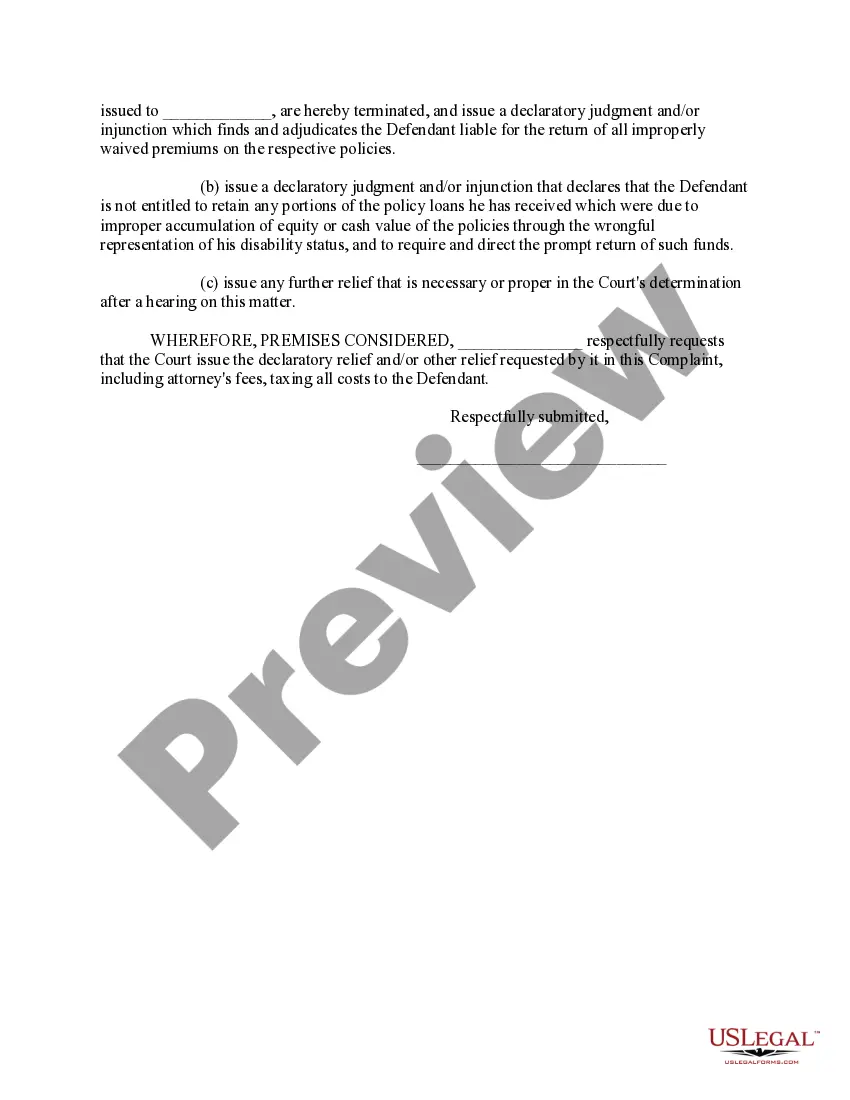



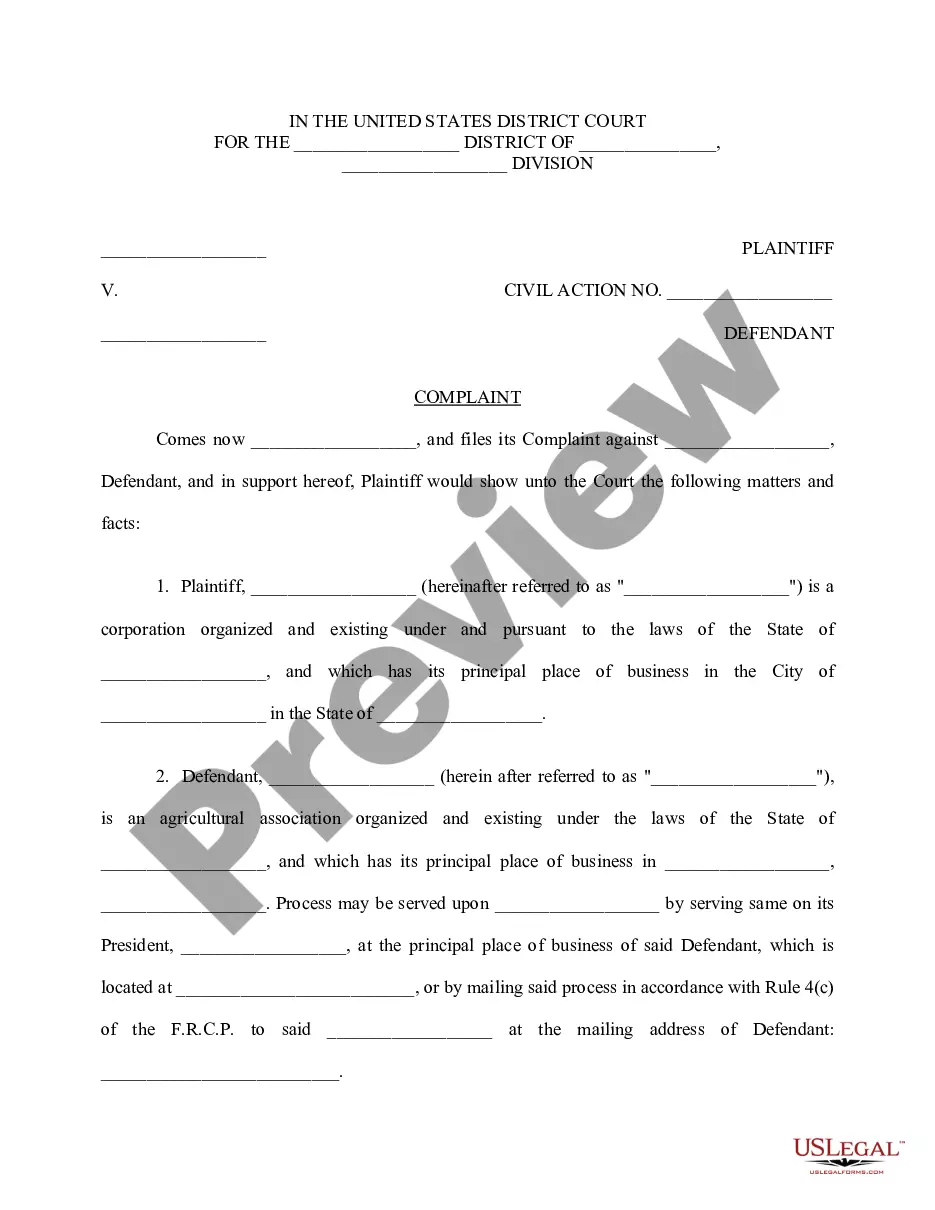
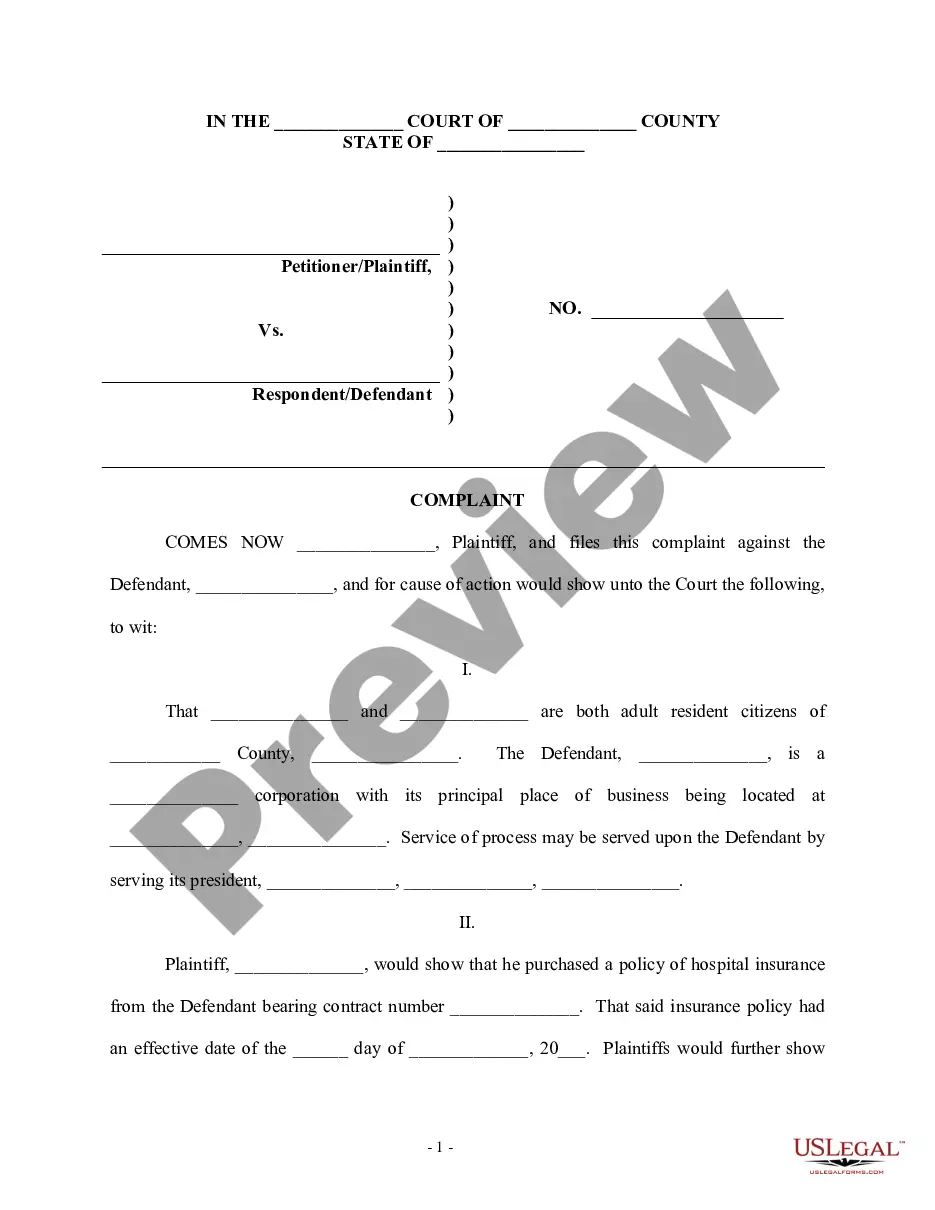
Get your form ready online
Our built-in tools help you complete, sign, share, and store your documents in one place.
Make edits, fill in missing information, and update formatting in US Legal Forms—just like you would in MS Word.
Download a copy, print it, send it by email, or mail it via USPS—whatever works best for your next step.
Sign and collect signatures with our SignNow integration. Send to multiple recipients, set reminders, and more. Go Premium to unlock E-Sign.
If this form requires notarization, complete it online through a secure video call—no need to meet a notary in person or wait for an appointment.
We protect your documents and personal data by following strict security and privacy standards.

Make edits, fill in missing information, and update formatting in US Legal Forms—just like you would in MS Word.

Download a copy, print it, send it by email, or mail it via USPS—whatever works best for your next step.

Sign and collect signatures with our SignNow integration. Send to multiple recipients, set reminders, and more. Go Premium to unlock E-Sign.

If this form requires notarization, complete it online through a secure video call—no need to meet a notary in person or wait for an appointment.

We protect your documents and personal data by following strict security and privacy standards.
Looking for another form?

Form popularity
FAQ
Relief of declaration the plaintiff must establish that. (i) the plaintiff was at the time of the suit entitled to any legal character. or any right to any property. (ii) the defendant had denied or was interested in denying the character. or the title of the plaintiff.
The fact that plaintiffs often choose between these remedies, or decide to seek both together, raises an obvious question. What is the difference between them? The standard answer is that the declaratory judgment is milder and the injunction is stronger.
Declaratory relief, also commonly known as declaratory judgment or declaration, is a form of discretionary remedy which parties may seek from the court. A declaration is essentially a statement made by the court at the request of a party.
A declaratory judgment establishes the rights and other legal actions of the parties without providing for or ordering enforcement. One example is, if you purchased a vehicle or boat and cannot obtain a certificate of title from the previous owner, you can obtain a judgment declaring your ownership.
Declaratory judgment and injunction Order (Injunctive Relief) are different in nature but same in purpose. The effects and outcomes may be varying ing to situation and requirements. The judgment doesn't award the remedies but the injunctive relief awards the remedies on the temporary or permanent base.
To bring a claim for declaratory judgment in a situation where a patent dispute may exist or develop, the claimant must establish that an actual controversy exists. If there is a substantial controversy of sufficient immediacy and reality, the court will generally proceed with the declaratory-judgment action.
A declaratory judgment is a binding judgment from a court defining the legal relationship between parties and their rights in a matter before the court. When there is uncertainty as to the legal obligations or rights between two parties, a declaratory judgment offers an immediate means to resolve this uncertainty.