Complaint Waived File For Divorce In Georgia
Description

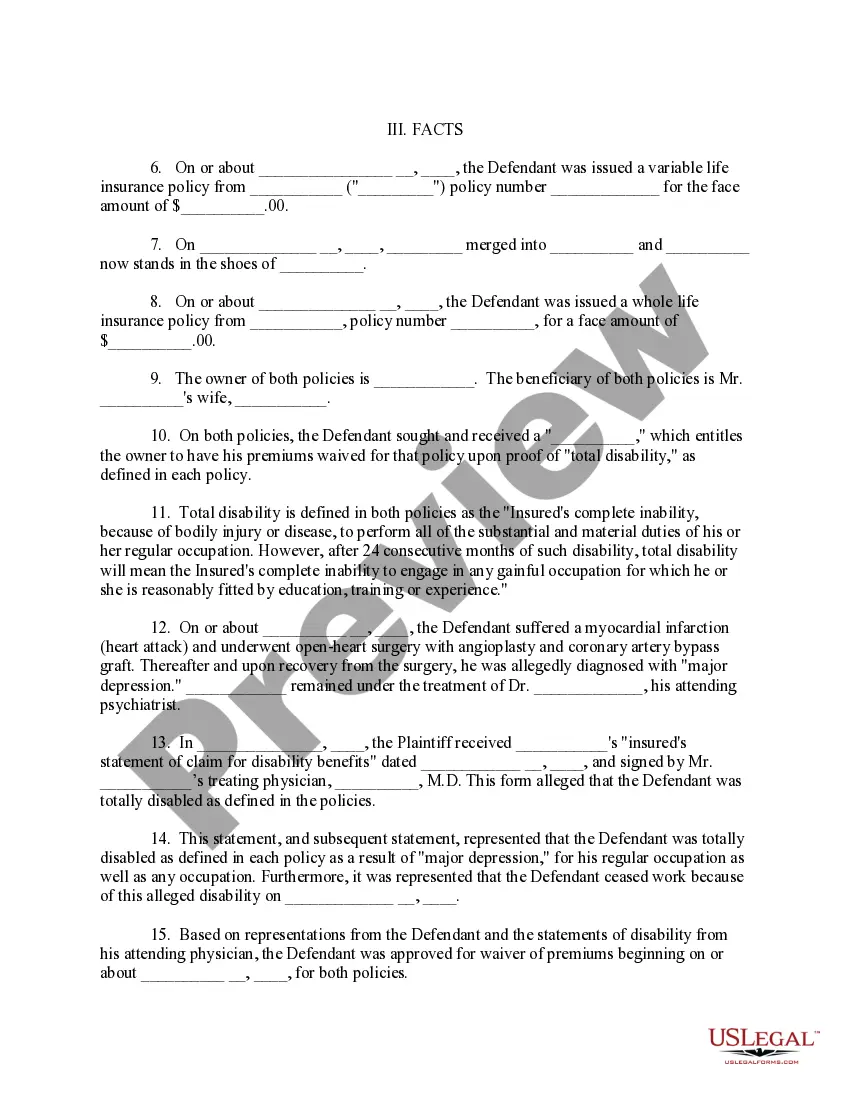
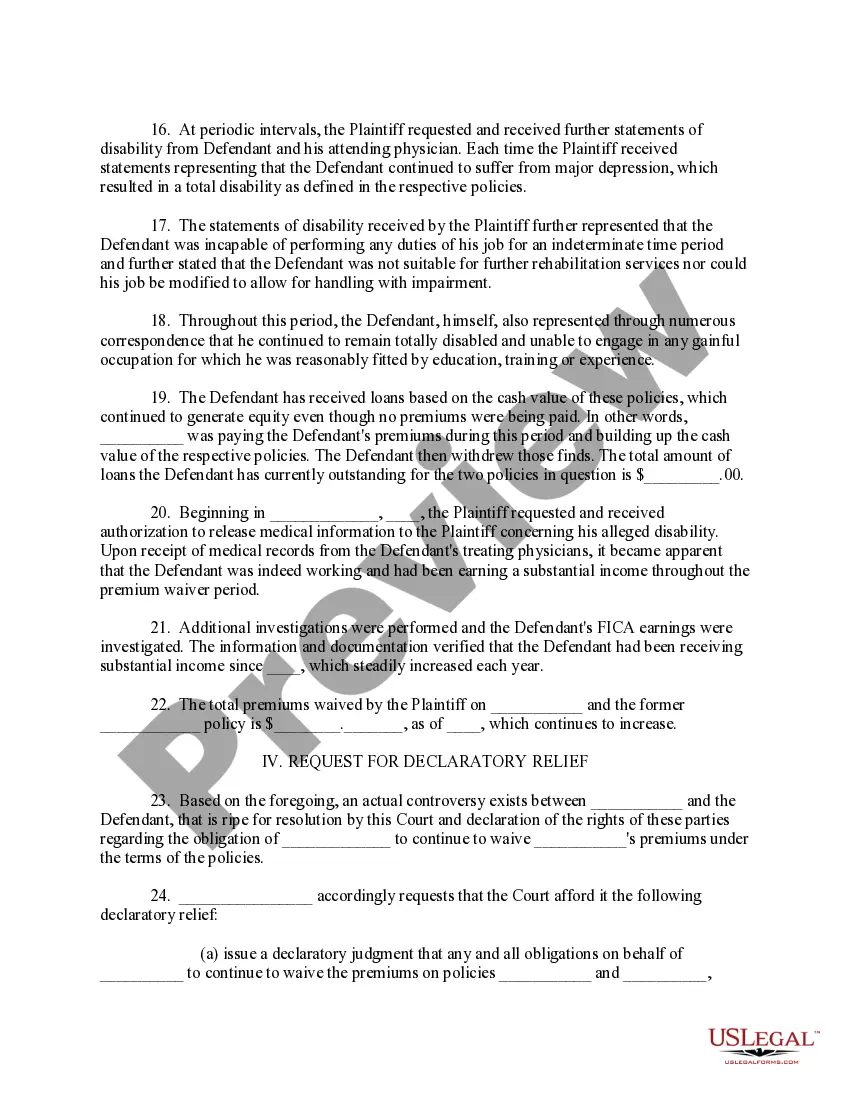
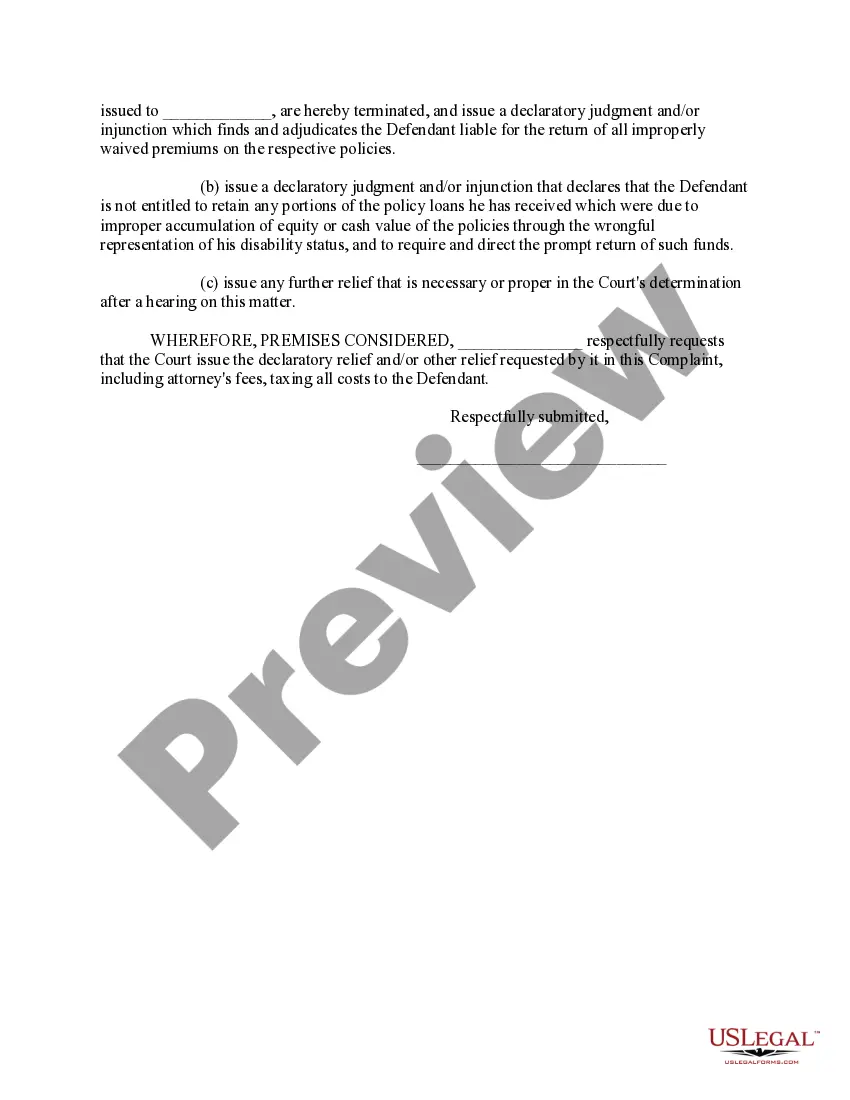



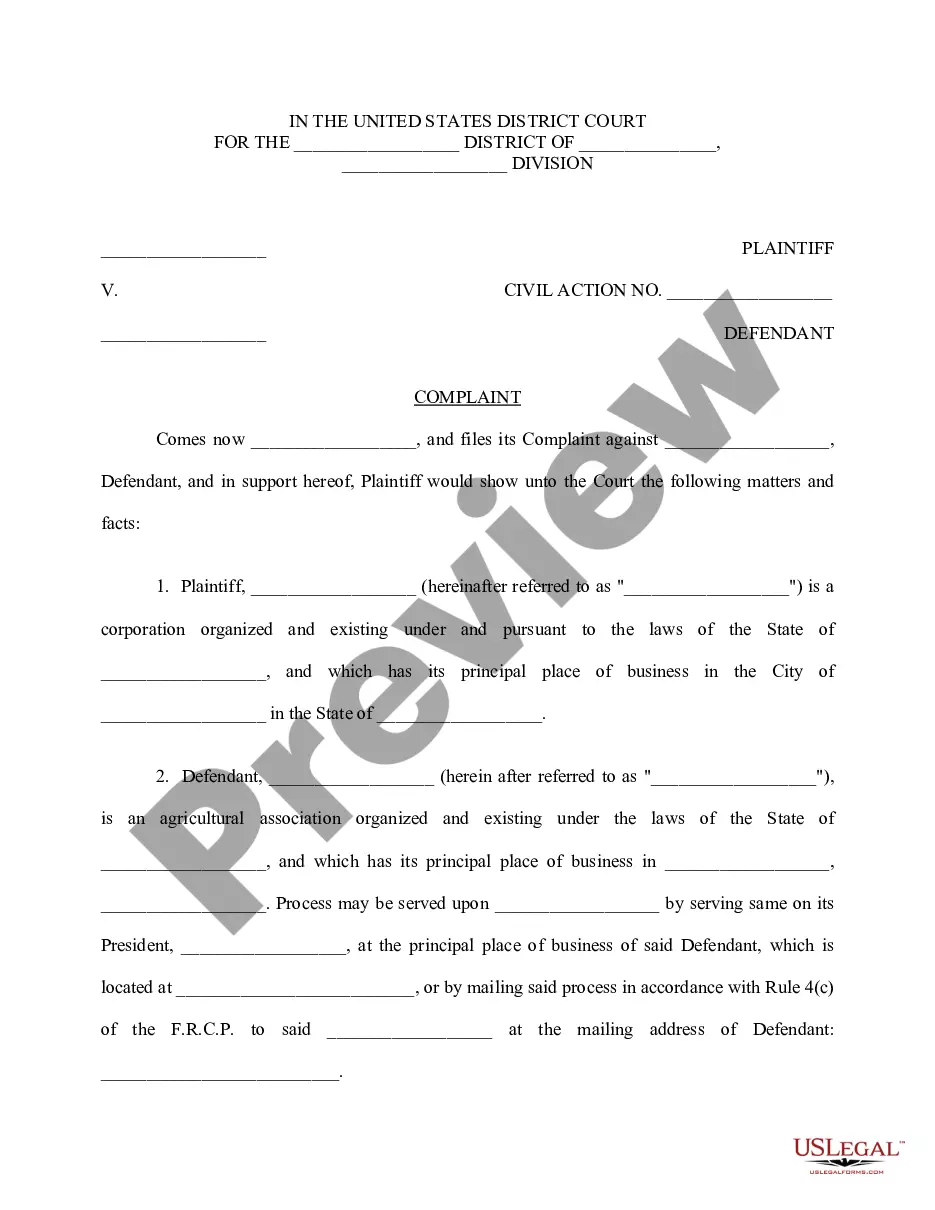
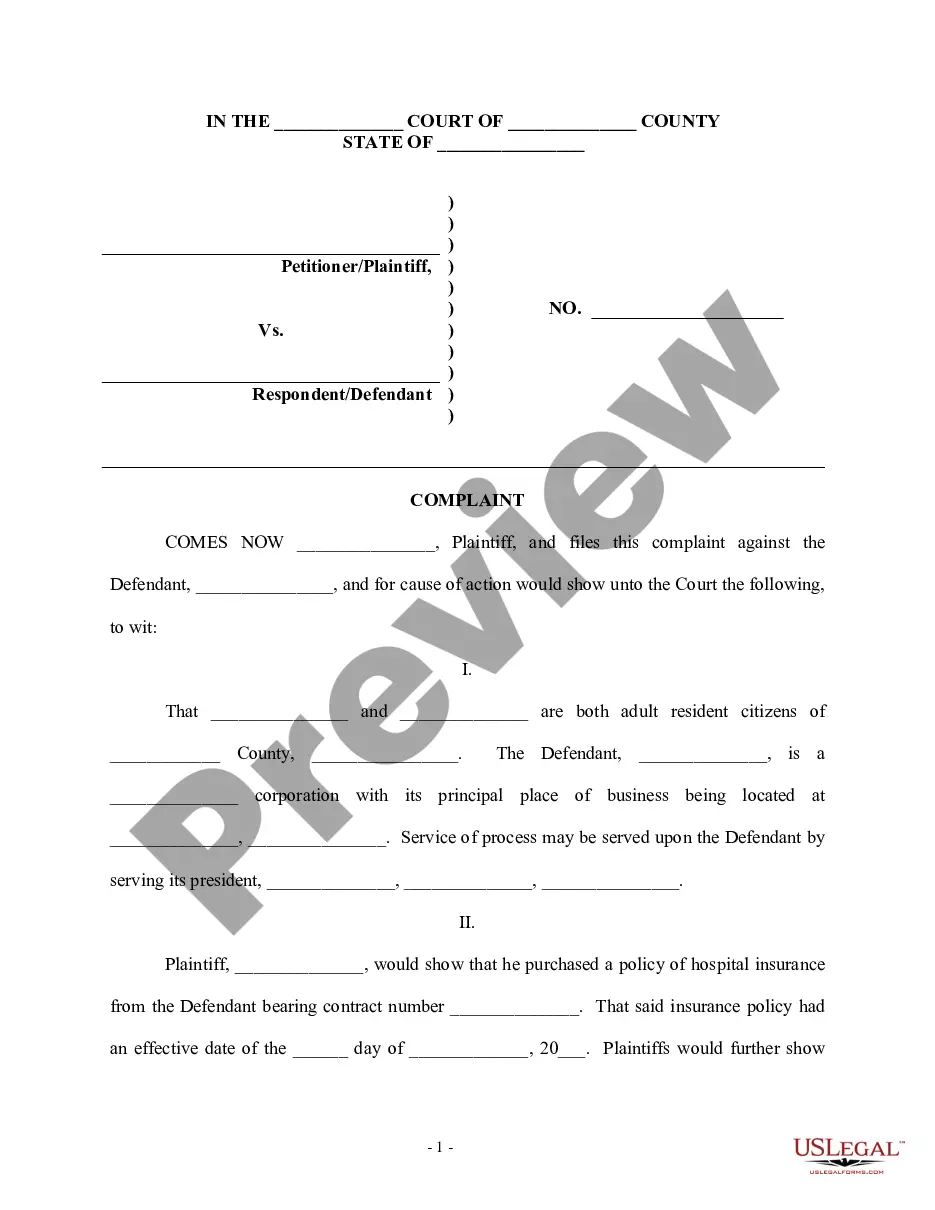
Get your form ready online
Our built-in tools help you complete, sign, share, and store your documents in one place.
Make edits, fill in missing information, and update formatting in US Legal Forms—just like you would in MS Word.
Download a copy, print it, send it by email, or mail it via USPS—whatever works best for your next step.
Sign and collect signatures with our SignNow integration. Send to multiple recipients, set reminders, and more. Go Premium to unlock E-Sign.
If this form requires notarization, complete it online through a secure video call—no need to meet a notary in person or wait for an appointment.
We protect your documents and personal data by following strict security and privacy standards.

Make edits, fill in missing information, and update formatting in US Legal Forms—just like you would in MS Word.

Download a copy, print it, send it by email, or mail it via USPS—whatever works best for your next step.

Sign and collect signatures with our SignNow integration. Send to multiple recipients, set reminders, and more. Go Premium to unlock E-Sign.

If this form requires notarization, complete it online through a secure video call—no need to meet a notary in person or wait for an appointment.

We protect your documents and personal data by following strict security and privacy standards.
Looking for another form?








Form popularity
FAQ
Whether you decide to sign a waiver is entirely up to you. However, if you choose not to sign a waiver, then you or your child will most likely not be allowed to participate in the activity.
Reason being, the waiver of service enters your appearance on the case and states that you are waiving your right to be formally served, that you are informally accepting the Original Petition for Divorce by being provided a copy of it, you waive your right to be notified of any further court date(s), and that the case ...
You are not required to sign the acceptance of notice and waiver of process. In fact, you should not sign the document unless you first see the Complaint for Divorce that has presumably been filed with the court. If you do not sign, the next step will be that you will be served by the sheriff.
People might choose to waive their rights for various reasons. It could be to settle disputes, voluntarily agree to specific terms, or gain benefits or advantages. Sometimes, it's part of a legal strategy or to avoid harsh consequences.
If you've been served divorce papers by your spouse, you must file a legal document called an Answer within 30 days to protect your rights. On the other hand, if you're the petitioning spouse and your husband or wife refuses to file their response, the court may grant the divorce in your favor.
A divorce or legal separation case begins when the plaintiff the party who starts the court case files a formal complaint at the courthouse. The defendant, the other party, may answer within 28 days. If an answer is filed, the case is contested. If the defendant does not file an answer, the case is uncontested.
A joint petition for divorce is a procedure where both parties file for divorce together instead of doing it separately. This process saves divorcees time by choosing to come to an agreement together before going to court. Both parties also must agree to the full terms of divorce before filing.
Oftentimes a party responding to a divorce complaint with an answer will file a counterclaim as well. The counterclaim provides the responding party an opportunity to make their own allegations about the reason for the divorce and a chance to tell the court what they are asking for.
Can My Spouse Stop a Divorce in Georgia by Claiming They Don't Want a Divorce? If a spouse refuses to sign the divorce papers because they do not want a divorce, there is no need to worry. Georgia has both fault and no-fault grounds for divorce.
