Farm Would Business Formula In Minnesota
Description



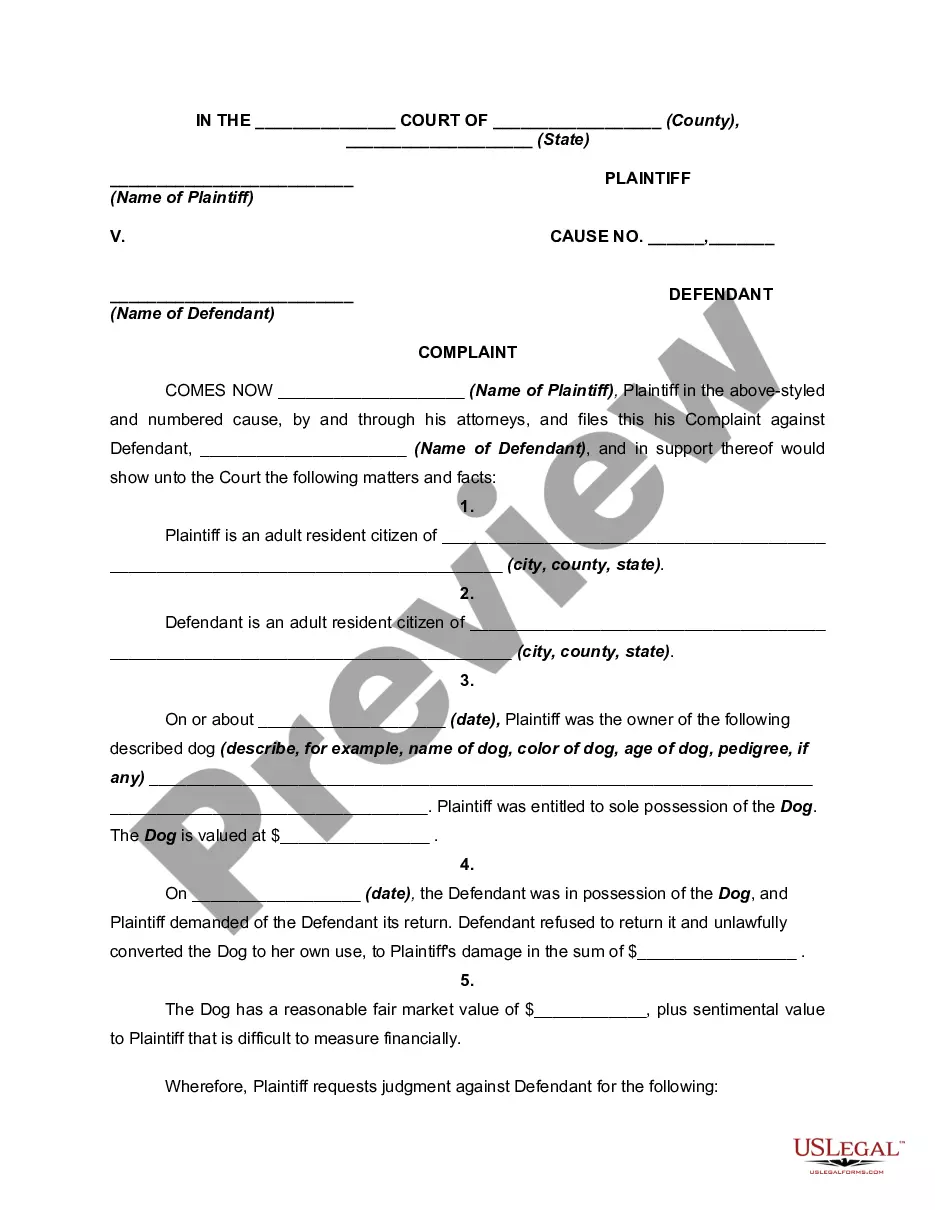
Get your form ready online
Our built-in tools help you complete, sign, share, and store your documents in one place.
Make edits, fill in missing information, and update formatting in US Legal Forms—just like you would in MS Word.
Download a copy, print it, send it by email, or mail it via USPS—whatever works best for your next step.
Sign and collect signatures with our SignNow integration. Send to multiple recipients, set reminders, and more. Go Premium to unlock E-Sign.
If this form requires notarization, complete it online through a secure video call—no need to meet a notary in person or wait for an appointment.
We protect your documents and personal data by following strict security and privacy standards.

Make edits, fill in missing information, and update formatting in US Legal Forms—just like you would in MS Word.

Download a copy, print it, send it by email, or mail it via USPS—whatever works best for your next step.

Sign and collect signatures with our SignNow integration. Send to multiple recipients, set reminders, and more. Go Premium to unlock E-Sign.

If this form requires notarization, complete it online through a secure video call—no need to meet a notary in person or wait for an appointment.

We protect your documents and personal data by following strict security and privacy standards.
Looking for another form?
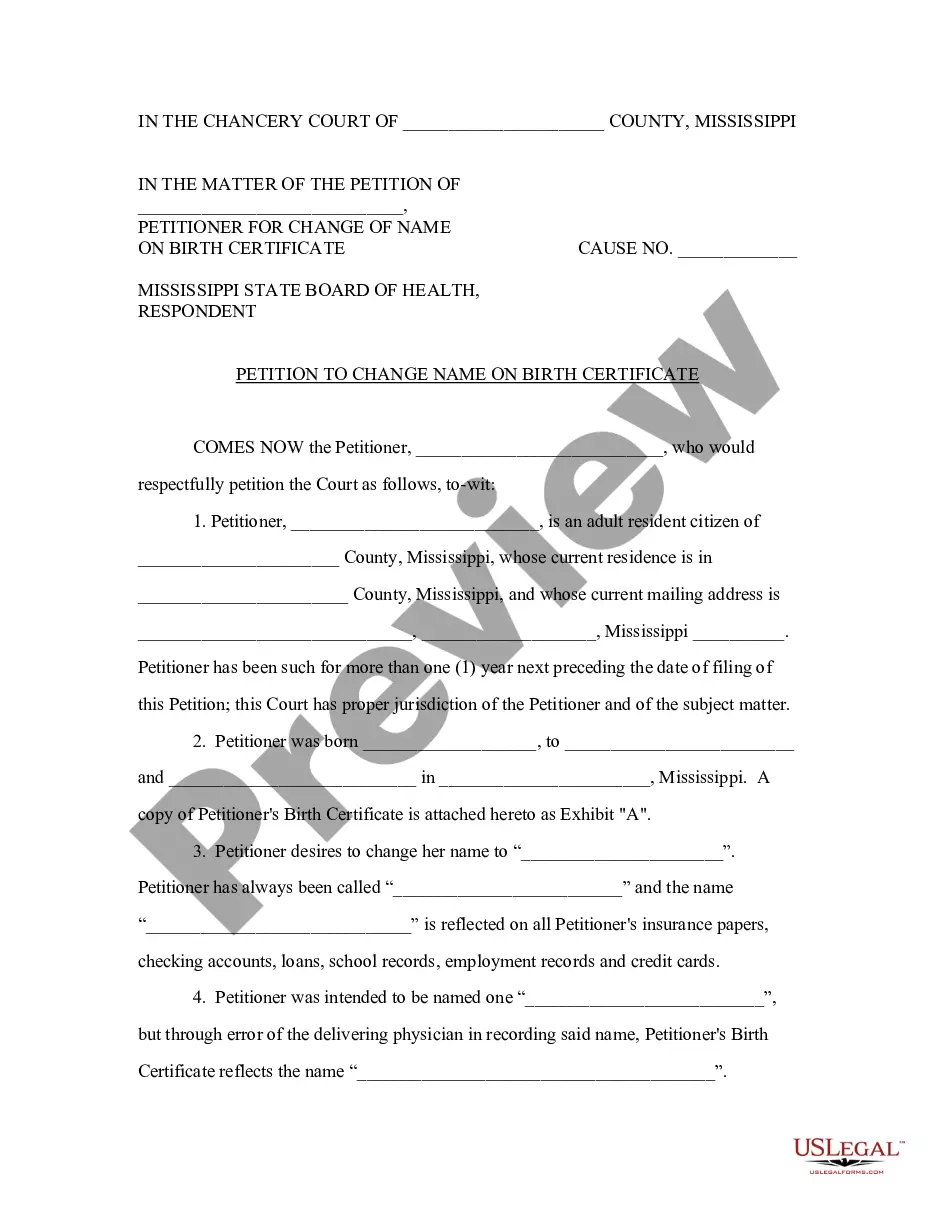









Form popularity
FAQ
LLC and S are the best options for small businesses like farmers. You're taxed like an individual in these cases. C corporations are taxed as their own entities, so to speak, and that's where you hear the double taxation term come through.
LLCs (limited liability companies) can be used to transfer farmland and farm businesses to one or more people over a period of time.
(a) "Farming" means the production of (1) agricultural products; (2) livestock or livestock products; (3) milk or milk products; or (4) fruit or other horticultural products.
Gross farm income reflects the total value of agricultural output plus Government farm program payments. Net farm income (NFI) reflects income after expenses from production in the calendar year and is calculated by subtracting farm expenses from gross farm income.
In general, the law bars corporations, limited liability companies, pension or investment funds, trusts, and limited partnerships from farming, owning, or leasing farmland in Minnesota.
Crop farms experienced inventory value changes at year end that led to a reduction in accrual adjusted net farm income for the year. Median3 net farm income for Minnesota farms was reduced to $44,719 in 2023, down from $189,807 (adjusted for inflation) in 2022.
It can also provide more favorable tax benefits. For example, if the family farmland is placed in ownership of a formal business entity such as an LLC, it may be insulated from higher estate taxes if the heirs are properly named as members of the entity itself.
As a beginning farmer you will need a federal tax ID number , also known as an Employer Identification Number (EIN). An EIN is used to identify a business entity, hire employees, apply for business licenses, permits, and more. The EIN is necessary for reporting to the IRS. You may apply for an EIN online .
One such definition is found in IRC Section 2032A(e)(4) relative to estate tax valuation; it reads as follows: The term “farm” includes stock, dairy, poultry, fruit, furbearing animal, and truck farms, plantations, ranches, nurseries, ranges, greenhouses or other similar structures used primarily for the raising of ...
USDA defines a farm as any place that produced and sold—or normally would have produced and sold—at least $1,000 of agricultural products during a given year. USDA uses acres of crops and head of livestock to determine if a place with sales less than $1,000 could normally produce and sell at least that amount.
