Farm Would Business Formula In Allegheny
Description

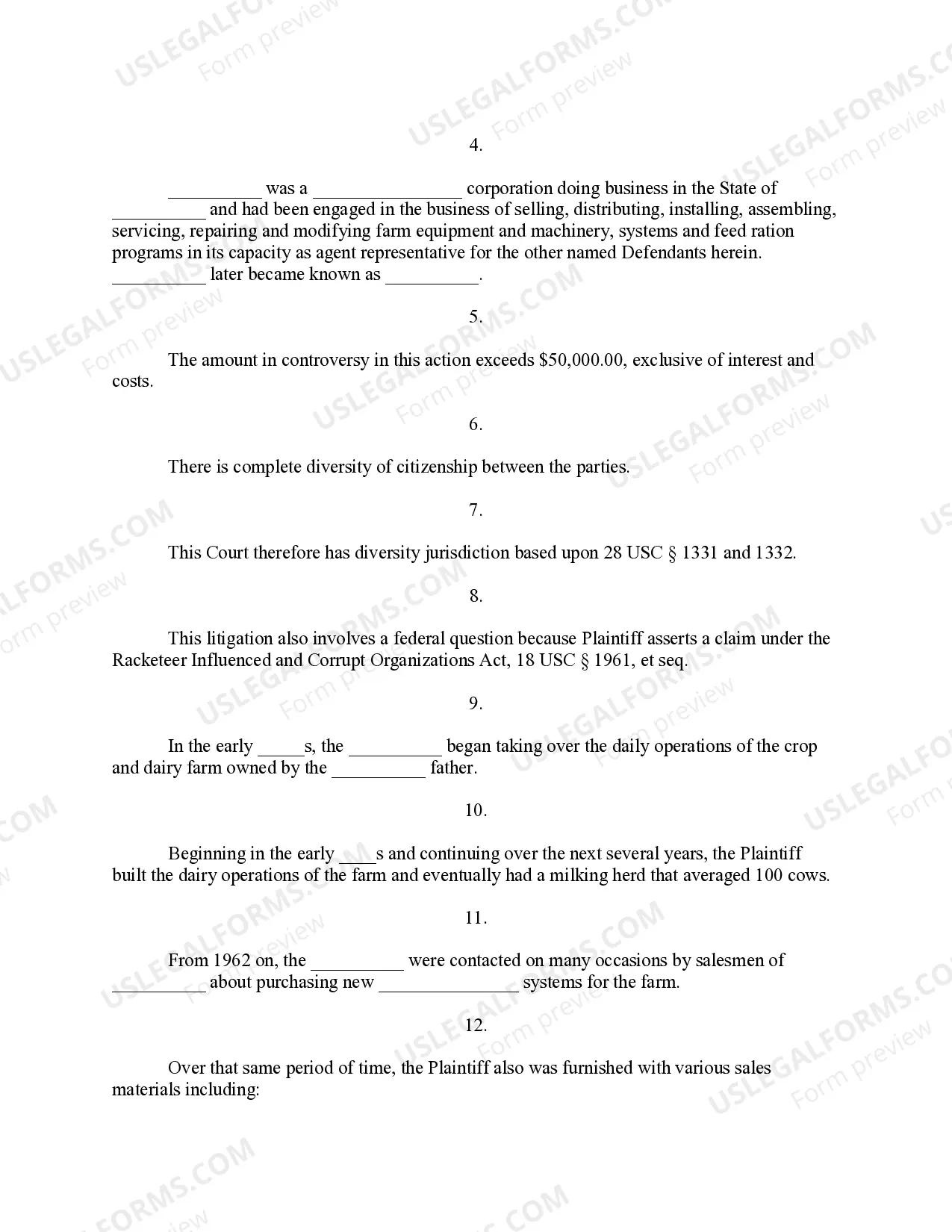
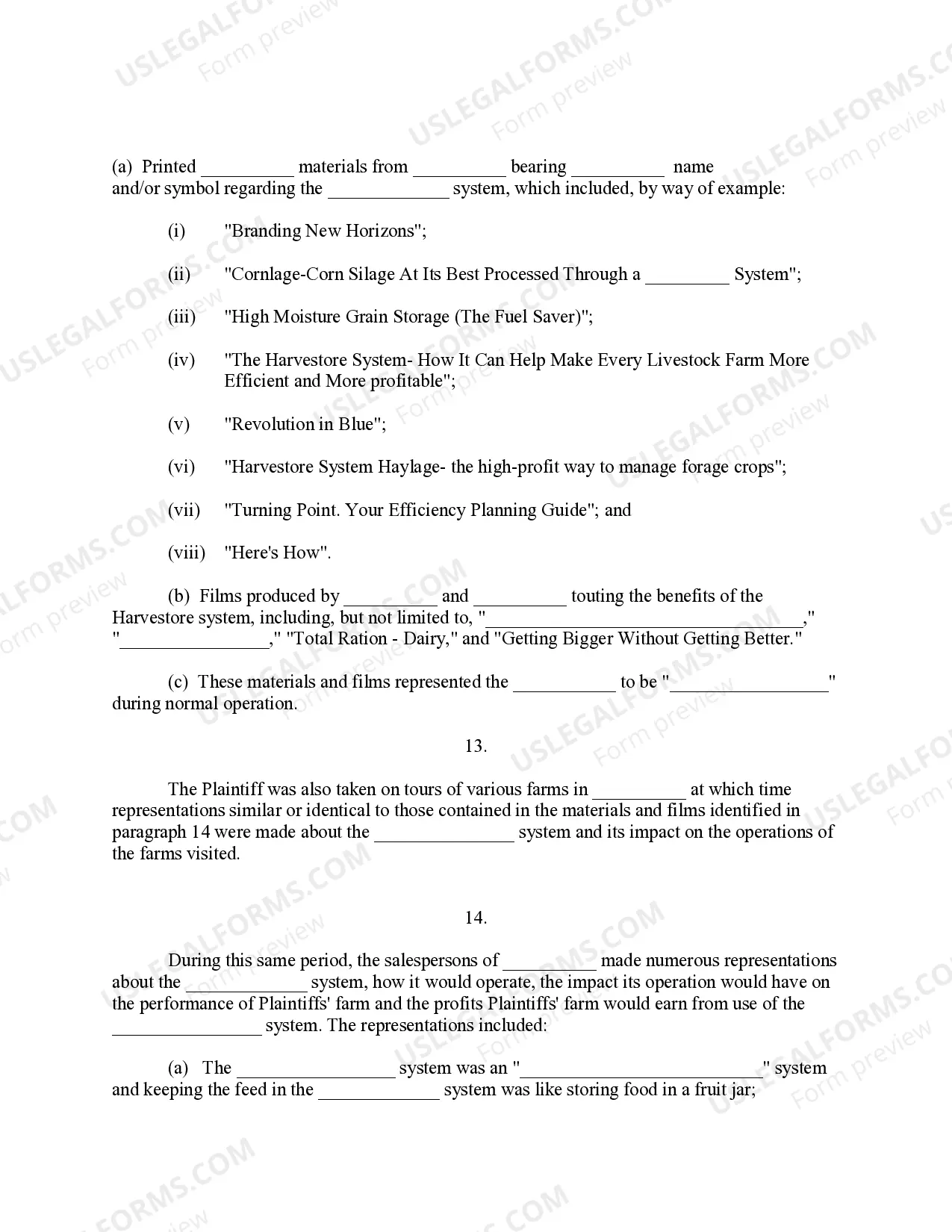
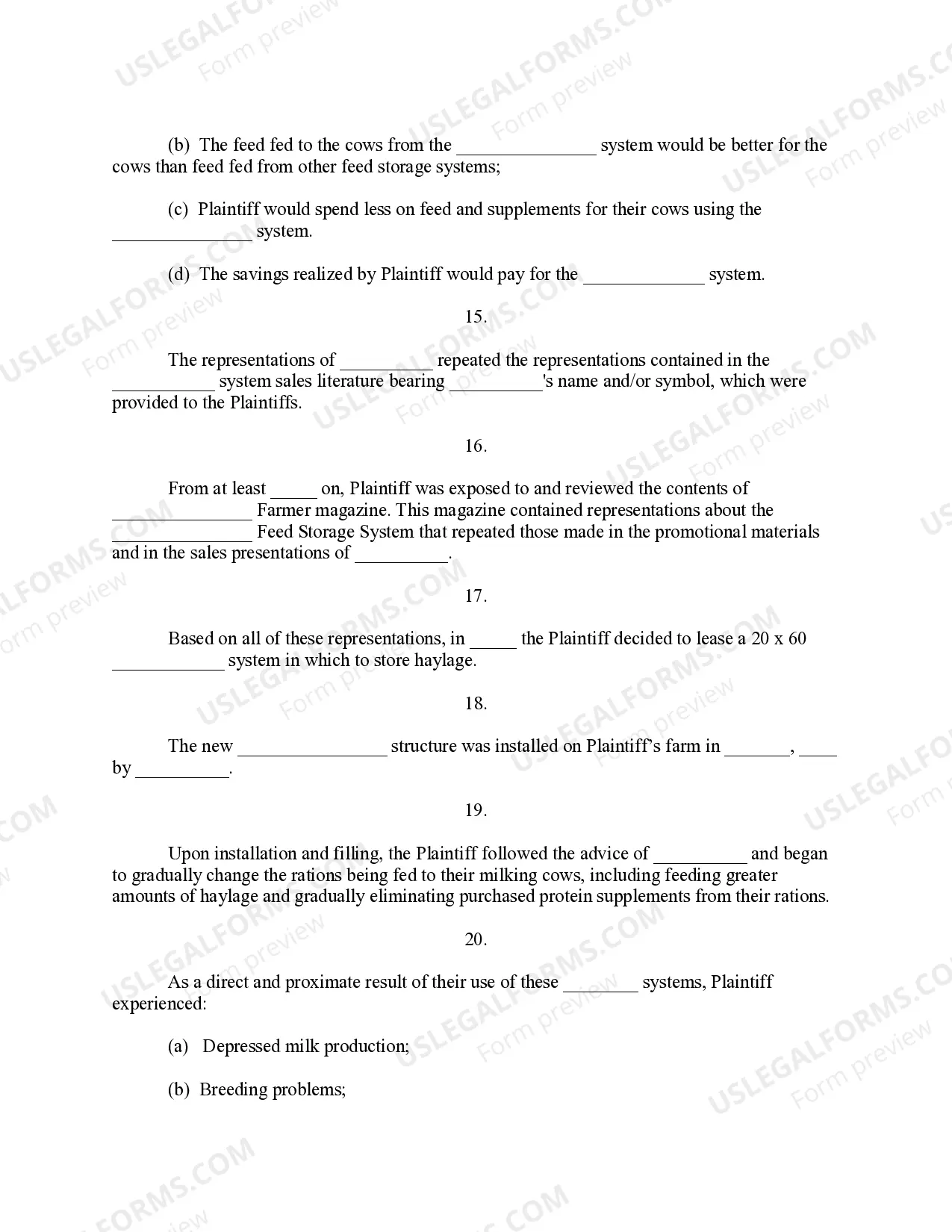
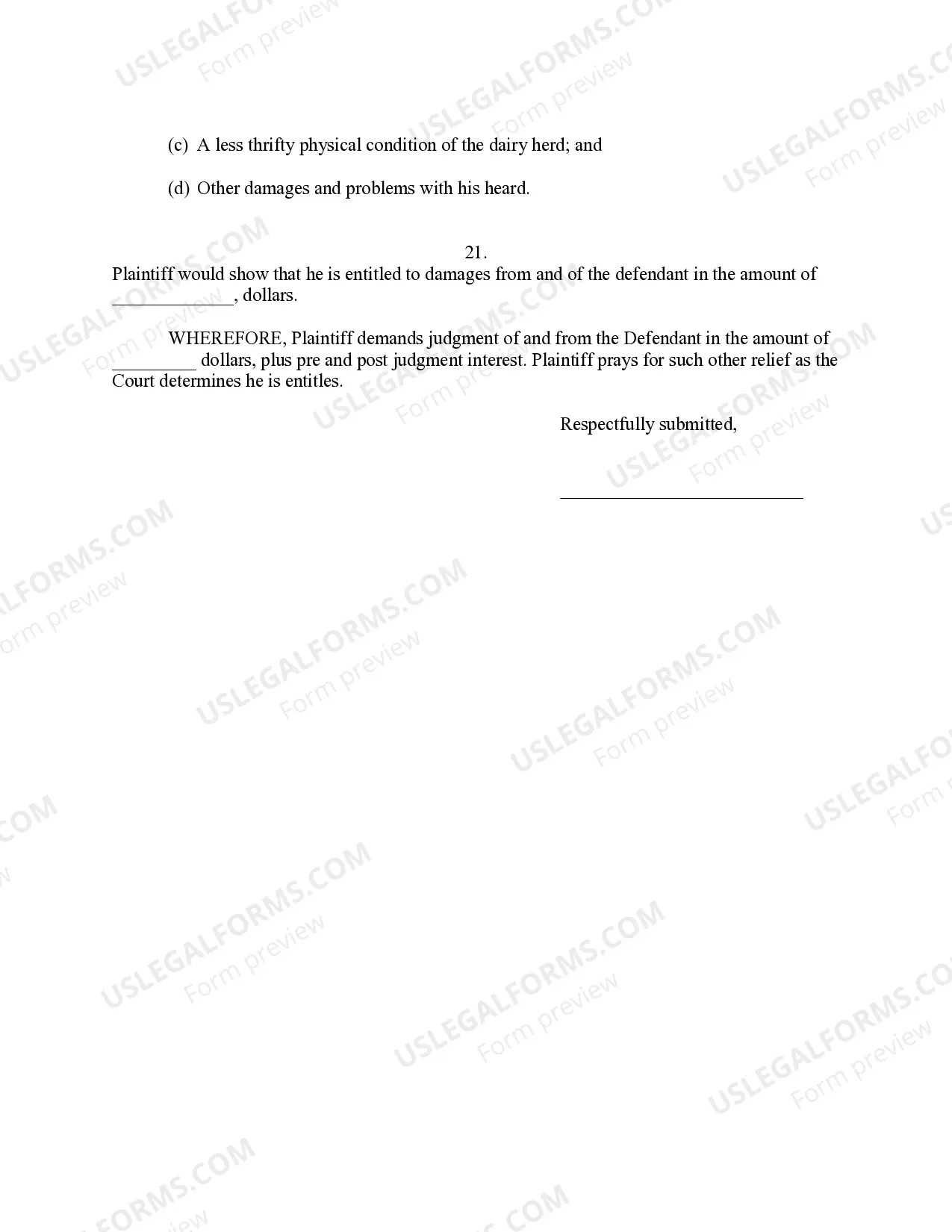


Get your form ready online
Our built-in tools help you complete, sign, share, and store your documents in one place.
Make edits, fill in missing information, and update formatting in US Legal Forms—just like you would in MS Word.
Download a copy, print it, send it by email, or mail it via USPS—whatever works best for your next step.
Sign and collect signatures with our SignNow integration. Send to multiple recipients, set reminders, and more. Go Premium to unlock E-Sign.
If this form requires notarization, complete it online through a secure video call—no need to meet a notary in person or wait for an appointment.
We protect your documents and personal data by following strict security and privacy standards.

Make edits, fill in missing information, and update formatting in US Legal Forms—just like you would in MS Word.

Download a copy, print it, send it by email, or mail it via USPS—whatever works best for your next step.

Sign and collect signatures with our SignNow integration. Send to multiple recipients, set reminders, and more. Go Premium to unlock E-Sign.

If this form requires notarization, complete it online through a secure video call—no need to meet a notary in person or wait for an appointment.

We protect your documents and personal data by following strict security and privacy standards.
Looking for another form?









Form popularity
FAQ
Under IRS rules, only farms operating as a business are eligible for tax breaks. In other words, if you have a “hobby” farm, you won't qualify. To avoid the label of a hobby farm, you may need to show that your farm occupies a certain portion of your land or that you attempt to generate a profit.
Beginning in 2018, farming and ranching property, if within the 3-, 5-, 7-, and 10-year recovery periods, is generally depreciated using the 200 percent declining balance method with half-year convention. Farmers may elect, however, to depreciate this property using the 150 percent declining balance method.
In the eyes of the IRS, a small farm must be actively cultivating, operating, or managing land for profit. That could include livestock, poultry, dairy, fish, vegetables, or fruit.
The IRS considers several factors to determine if a farming operation is a for-profit business or merely a hobby. A farm classified as a hobby cannot deduct losses against other income, whereas a business farm can. The primary difference lies in the intent to make a profit.
Introduction. Use Schedule F (Form 1040) to report farm income and expenses. File it with Form 1040, 1040-SR, 1040-SS, 1040-NR, 1041, or 1065. Your farming activity may subject you to state and local taxes and other requirements such as business licenses and fees.
Generally speaking, there is no minimum acreage for farm tax exemption. There may, however, be specific acreage minimums required to be considered for certain land classifications such as a “greenbelt” property.
One such definition is found in IRC Section 2032A(e)(4) relative to estate tax valuation; it reads as follows: The term “farm” includes stock, dairy, poultry, fruit, furbearing animal, and truck farms, plantations, ranches, nurseries, ranges, greenhouses or other similar structures used primarily for the raising of ...
