Tort Negligence Liability For Psychiatric Damage In San Antonio
Description

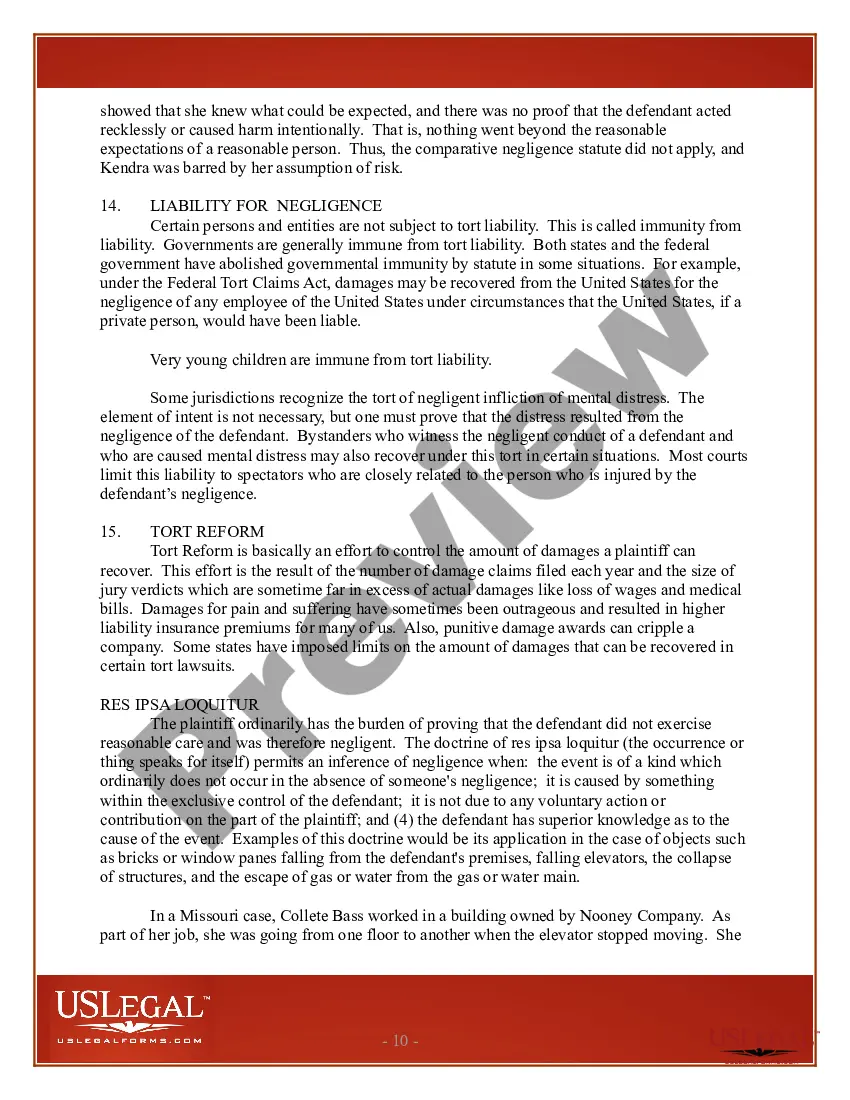



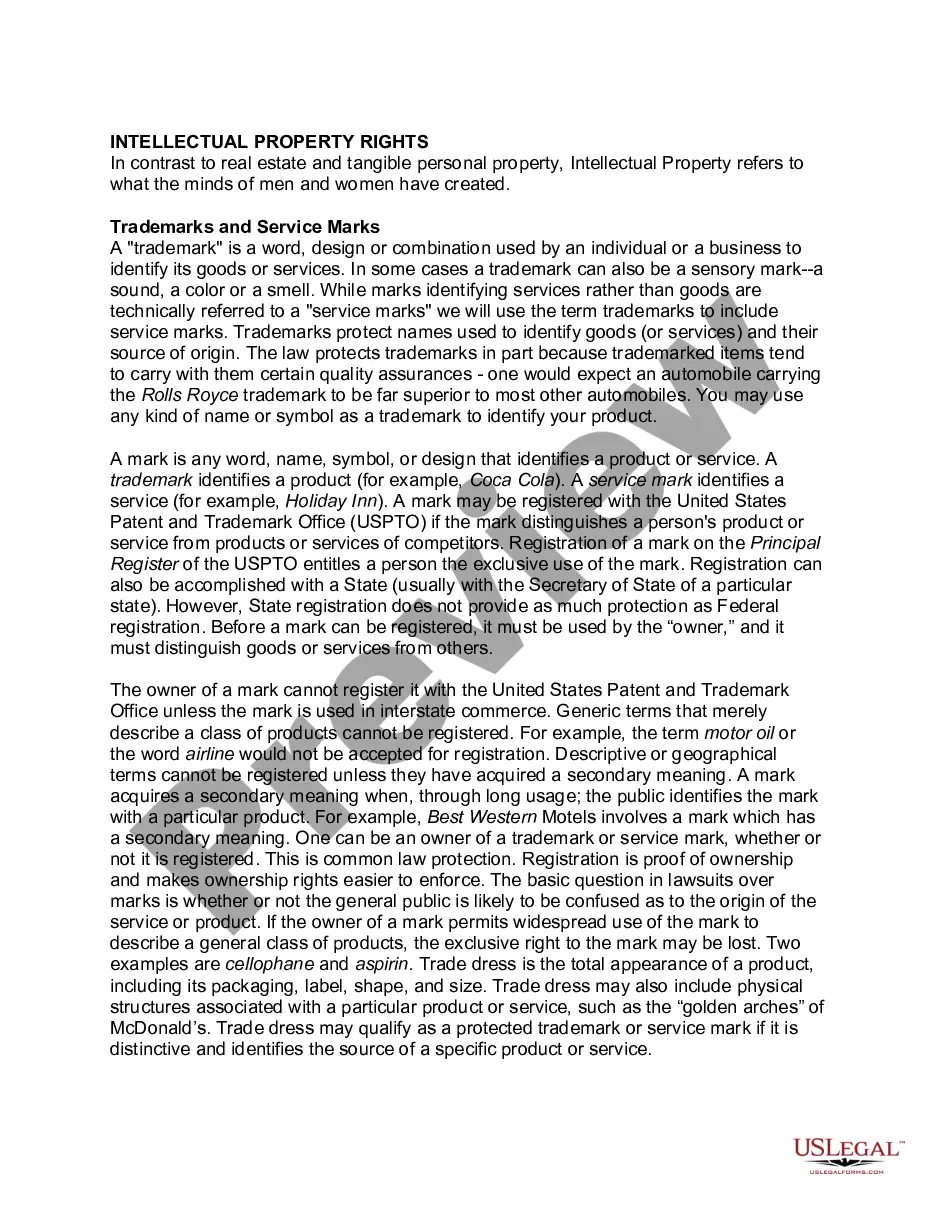
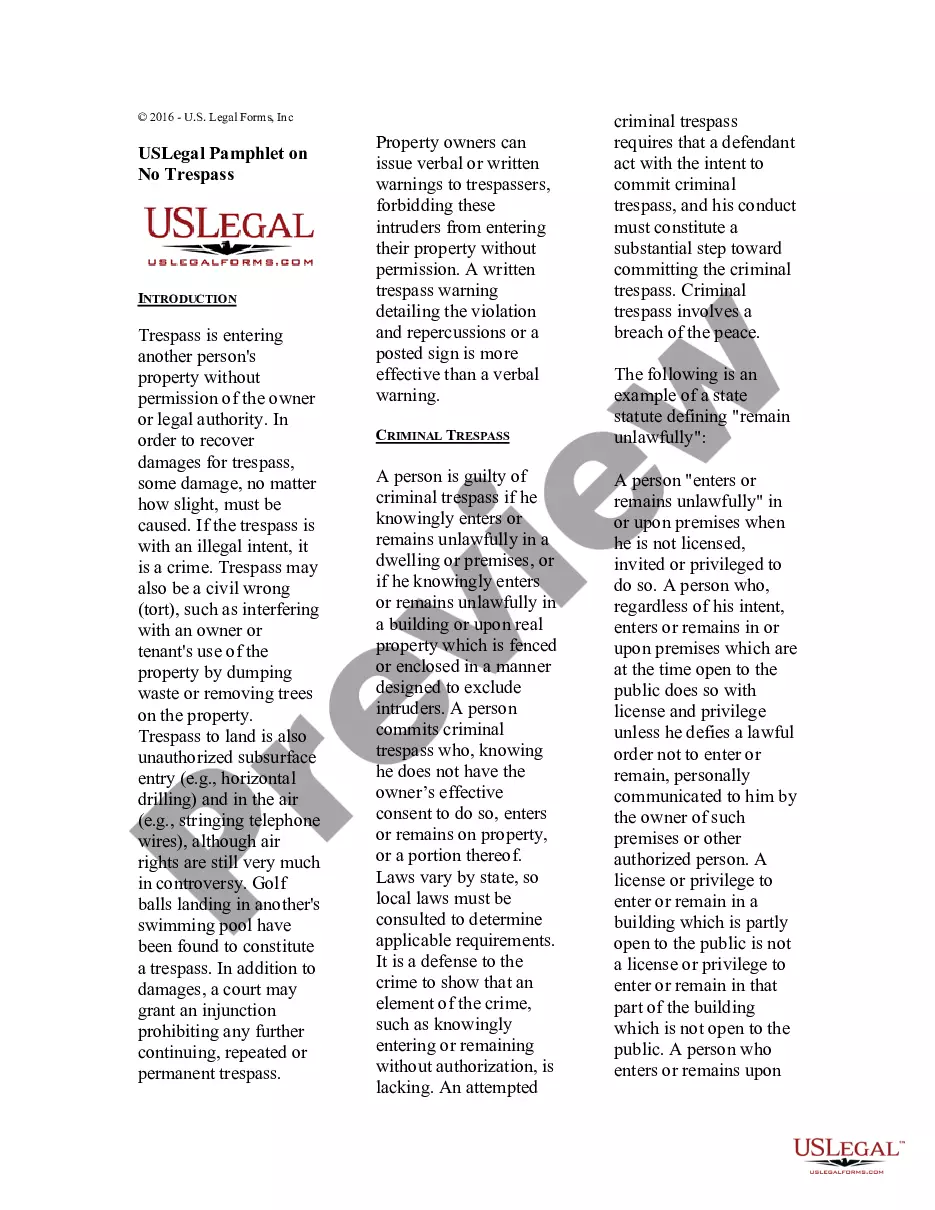
Get your form ready online
Our built-in tools help you complete, sign, share, and store your documents in one place.
Make edits, fill in missing information, and update formatting in US Legal Forms—just like you would in MS Word.
Download a copy, print it, send it by email, or mail it via USPS—whatever works best for your next step.
Sign and collect signatures with our SignNow integration. Send to multiple recipients, set reminders, and more. Go Premium to unlock E-Sign.
If this form requires notarization, complete it online through a secure video call—no need to meet a notary in person or wait for an appointment.
We protect your documents and personal data by following strict security and privacy standards.

Make edits, fill in missing information, and update formatting in US Legal Forms—just like you would in MS Word.

Download a copy, print it, send it by email, or mail it via USPS—whatever works best for your next step.

Sign and collect signatures with our SignNow integration. Send to multiple recipients, set reminders, and more. Go Premium to unlock E-Sign.

If this form requires notarization, complete it online through a secure video call—no need to meet a notary in person or wait for an appointment.

We protect your documents and personal data by following strict security and privacy standards.
Looking for another form?


Form popularity
FAQ
To file a claim, complete these steps: Complete Standard Form 95. Explain in detail what happened, using additional pages if necessary. Attach all documents that support your claim, which may include the following. Submit the completed Standard Form 95 and supporting documents to the OPM Office of the General Counsel.
The distinction between the liability of a lunatic or insane person in civil actions for torts committed by him, and in crimi- nal prosecutions, is well defined, and it has always been held, and upon sound reason, that though not punishable criminally, he is liable to a civil action for any tort he may commit."
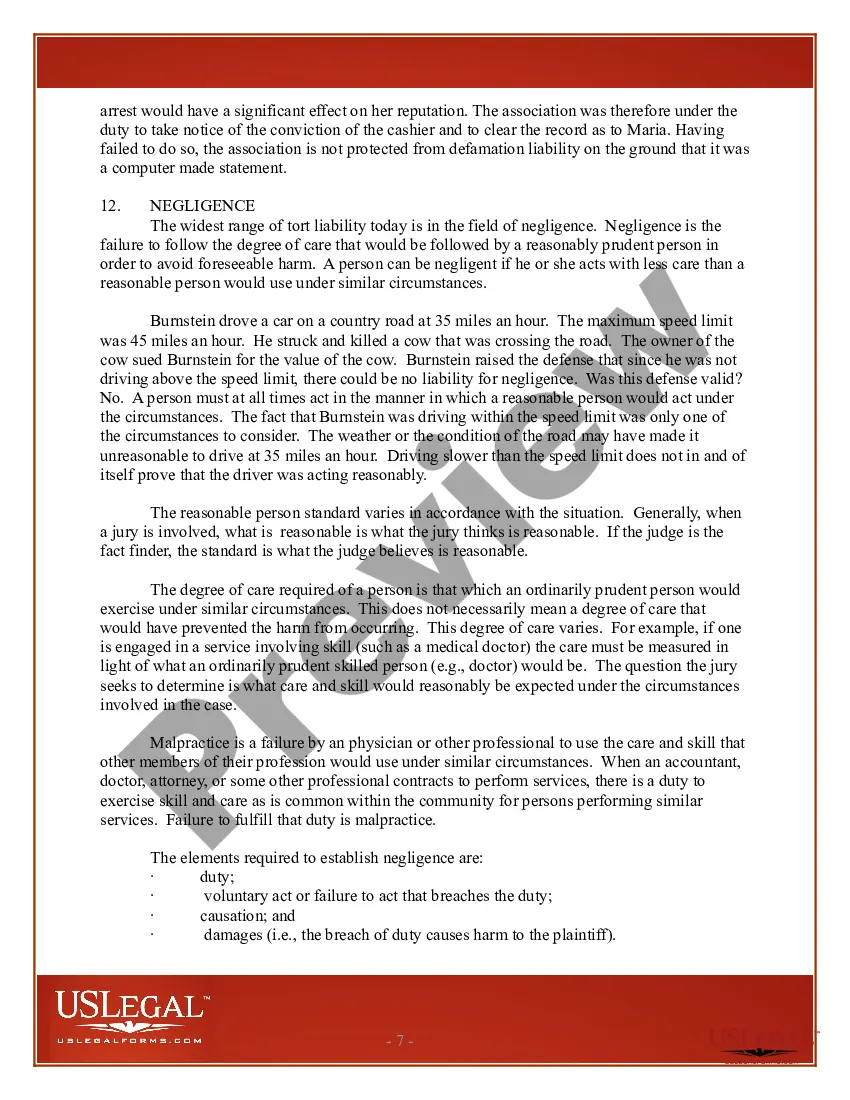
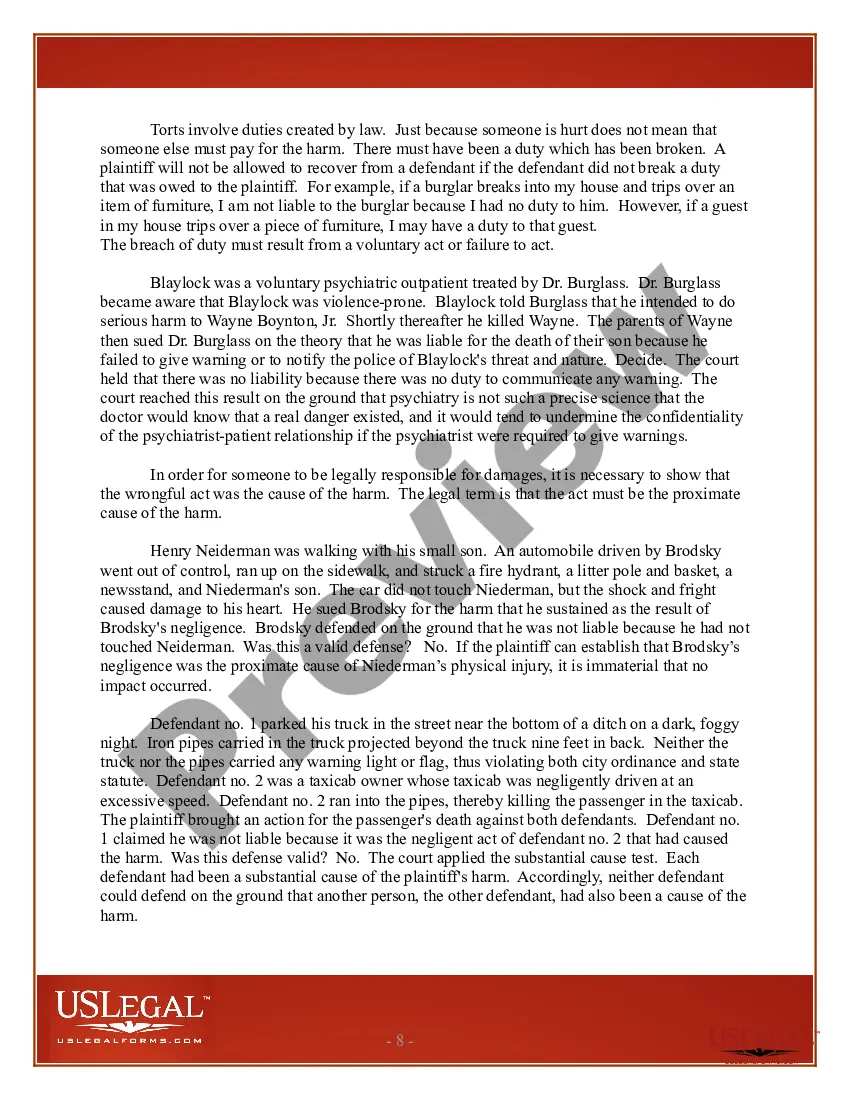
These legal elements include a professional duty owed to a patient, breach of duty, proximate cause or causal con- nection elicited by a breach of duty, and resulting in- juries or damages suffered. 1 These 4 elements apply to all cases of negligence regardless of specialty or clin- ician level.
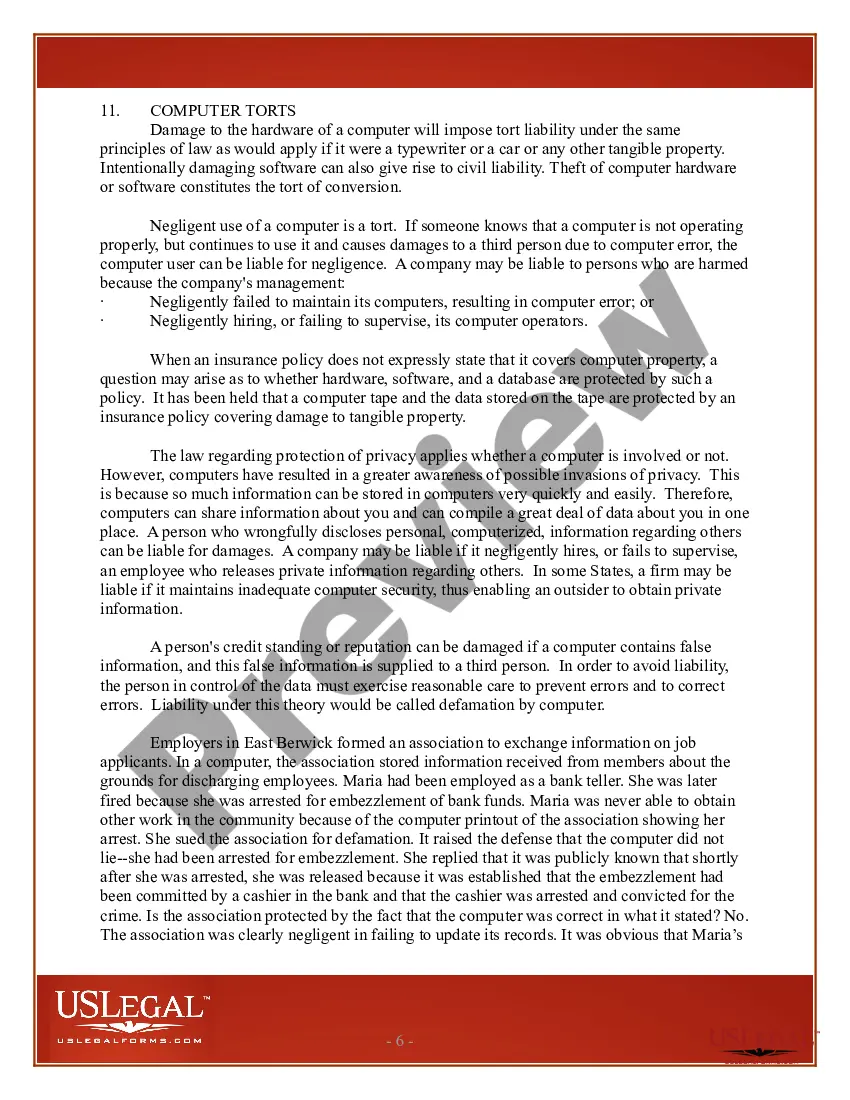
In claims of negligently inflicted psychiatric illness, the plaintiff's reaction to a traumatic event is usually measured against a standard of normal susceptibility and disposition. This measurement is used to determine the question of whether the defendant should have reasonably foreseen the plaintiff's injury.
Under the Texas Civil Statute of Limitations, parties have anywhere from one to five years to file a claim. In general, the statute of limitations starts to run at the time an injury occurs. A legal cause of action accrues — comes into existence — on the injury date.
The acronym NEID is used to refer to a type of emotional distress claim that arises when someone's negligence causes another person to suffer severe emotional distress. In Texas, NEID claims are not recognized as an independent tort, meaning that you cannot sue for NEID without also suffering a physical injury.
What is the Statute of Limitations for a Texas Government Tort Claim? Most government tort claims have a two-year statute of limitations for filing lawsuits. However, that is assuming you filed a timely notice of your claim with the correct government entity.
The Texas Tort Claims Act (TTCA or Act) is a set of state statutes that determine when a city or other governmental entity may be liable for accidents or intentional acts that cause property damage or personal injury.
