Tort Negligence Liability With Insurance In Illinois
Description

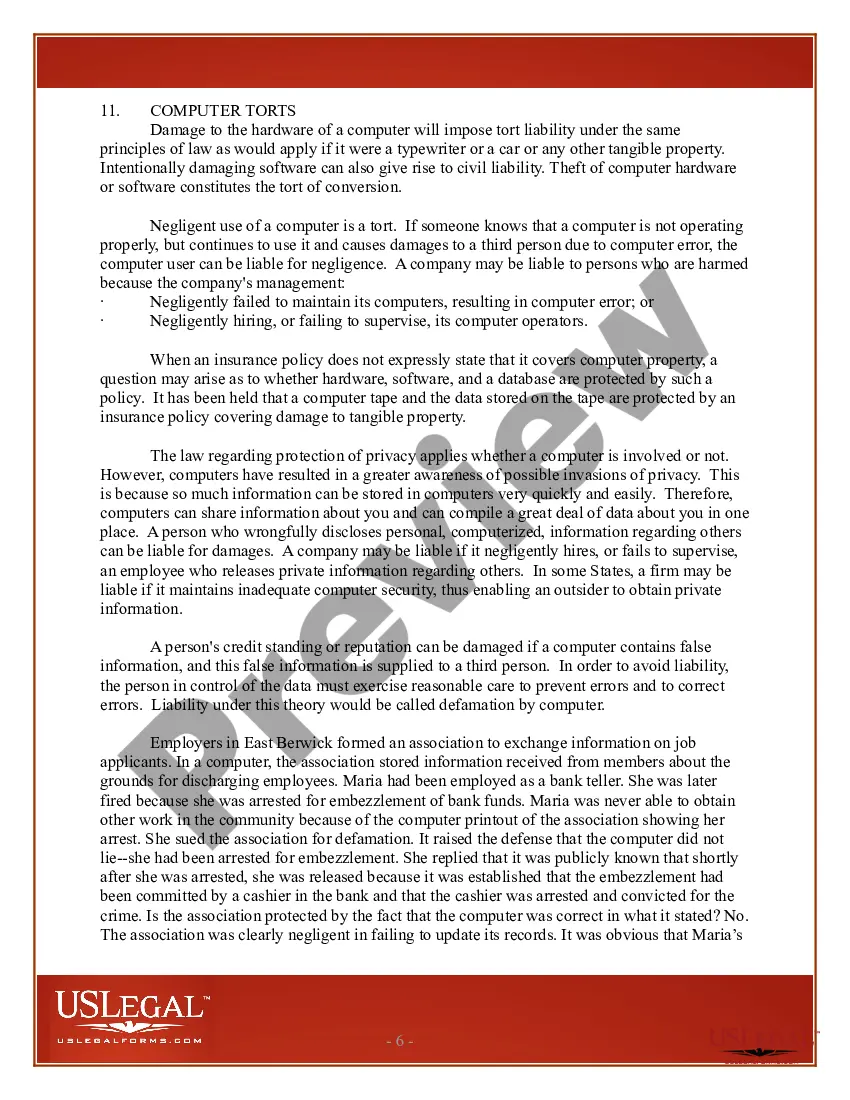
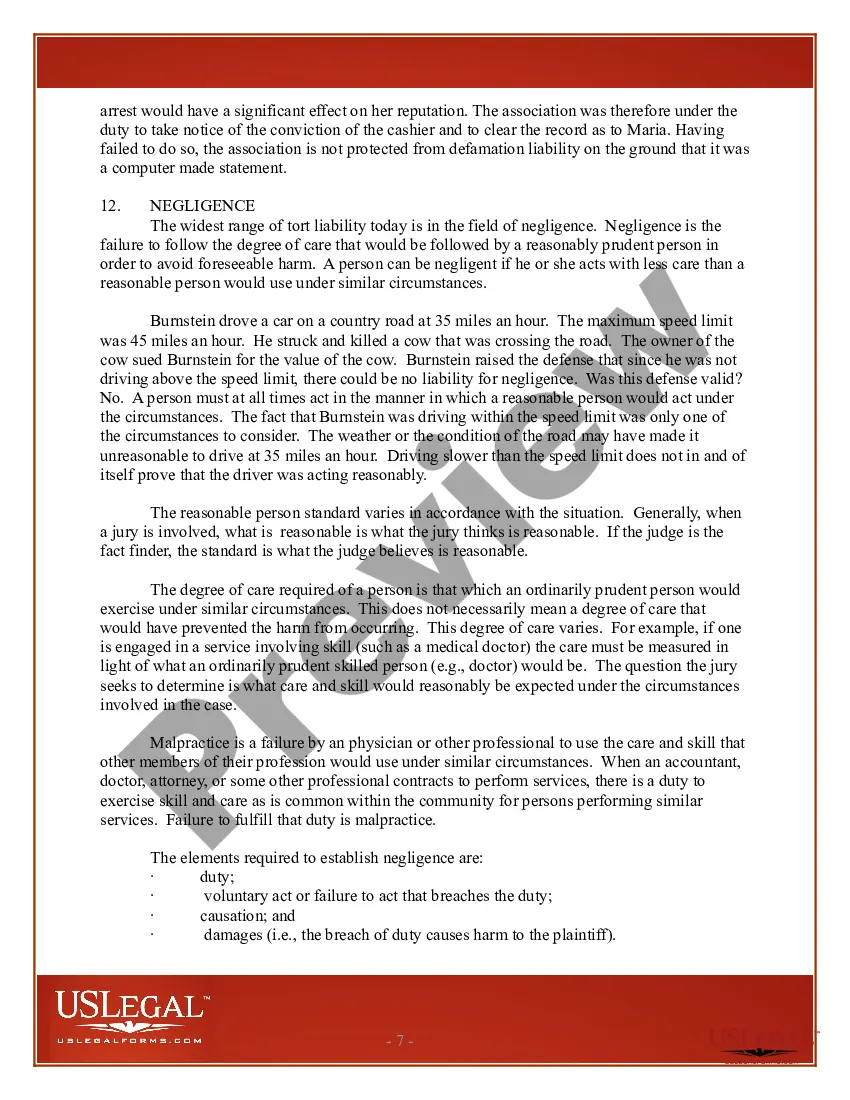
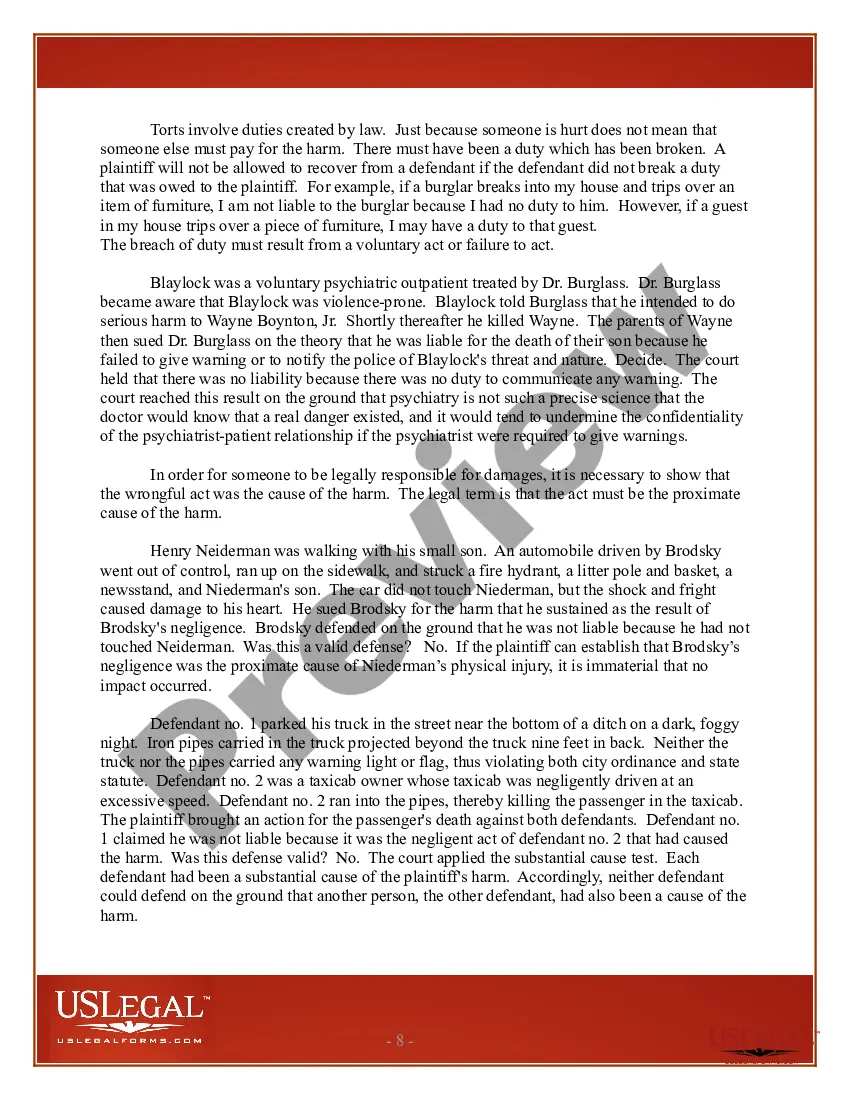
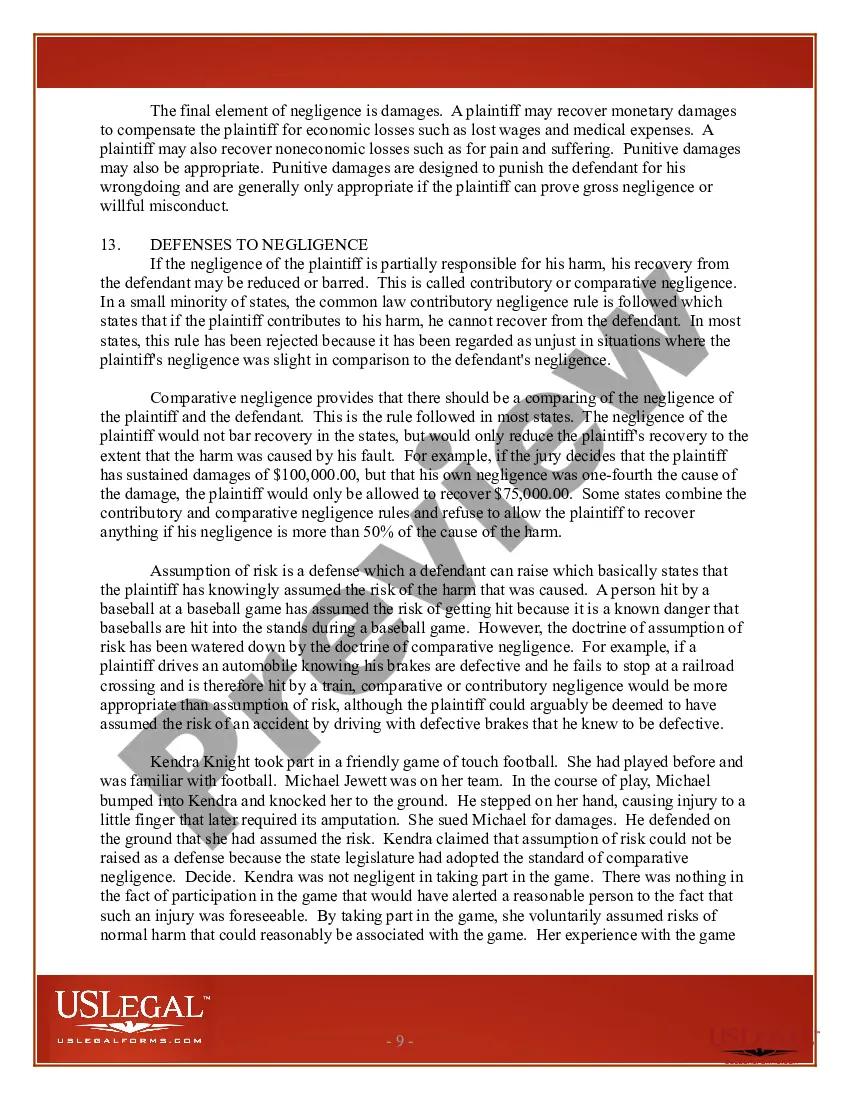
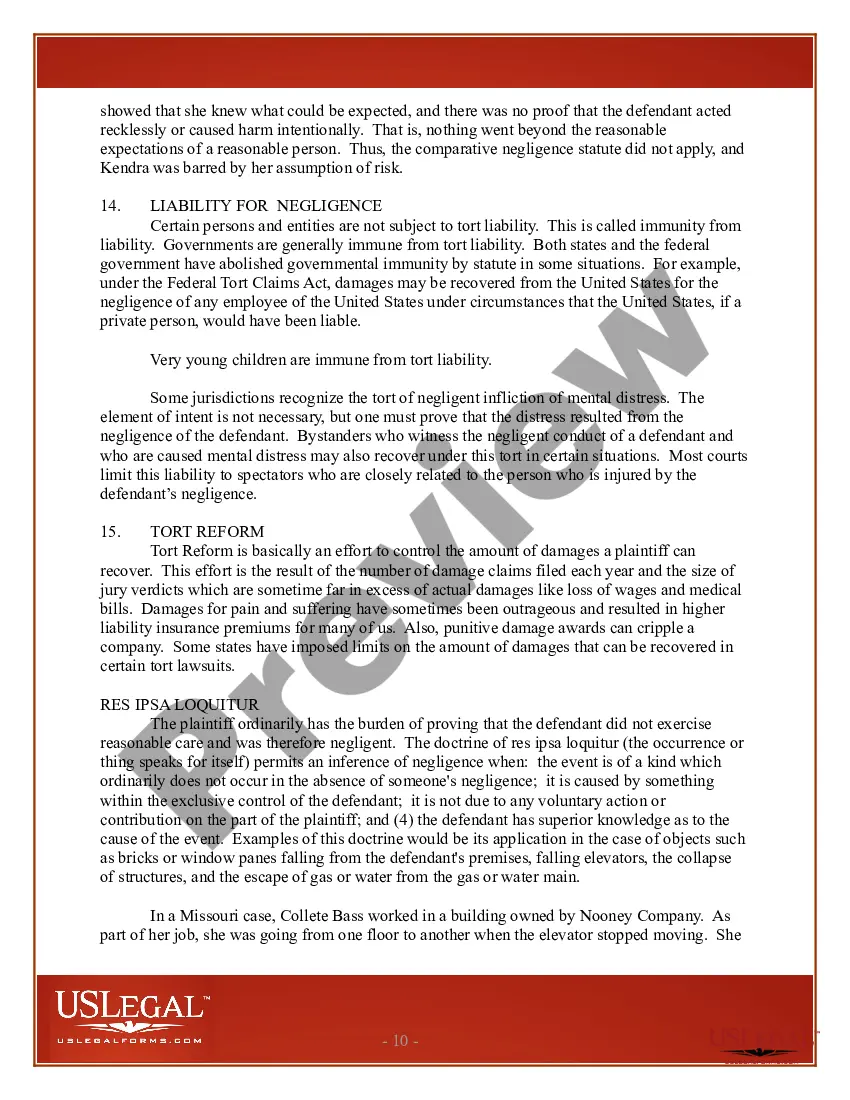



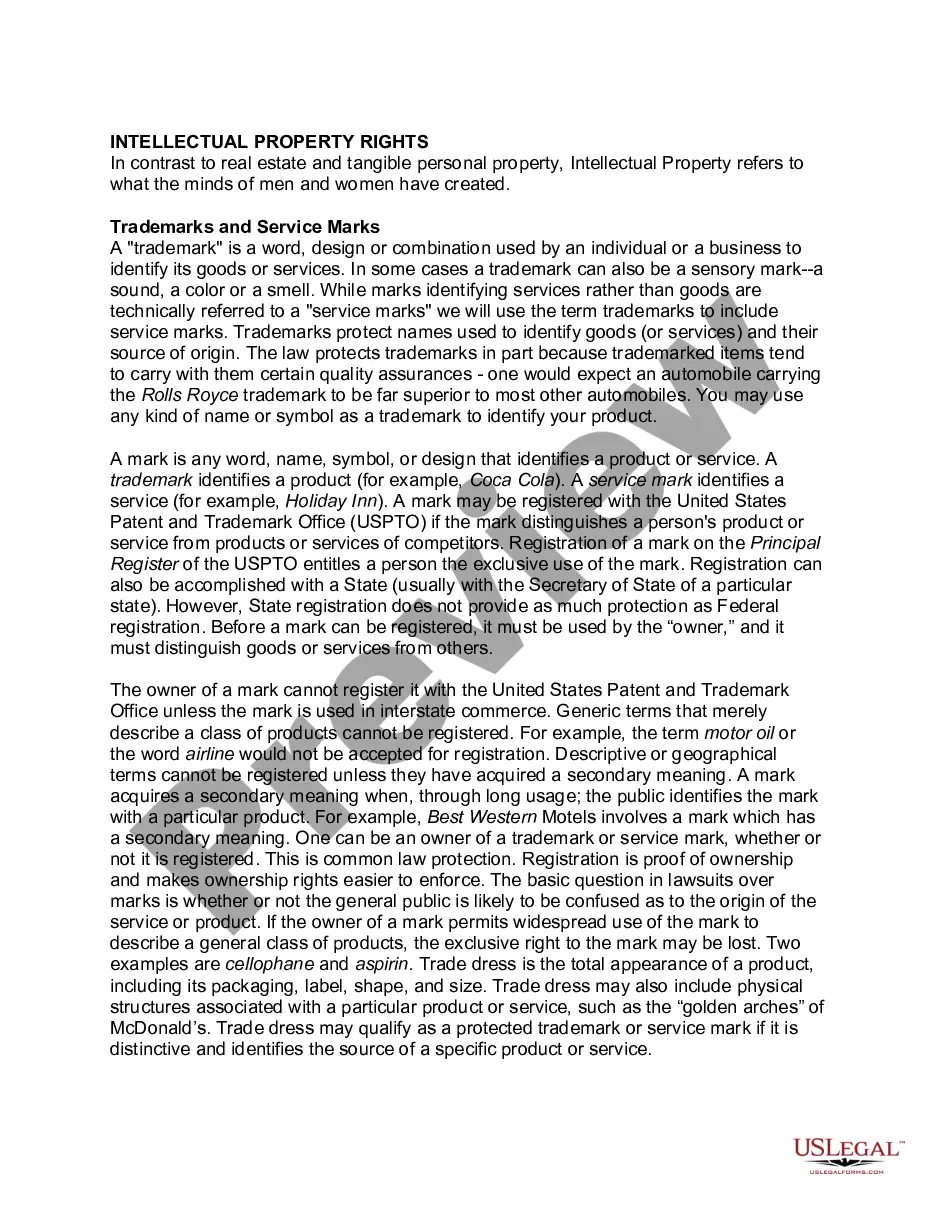
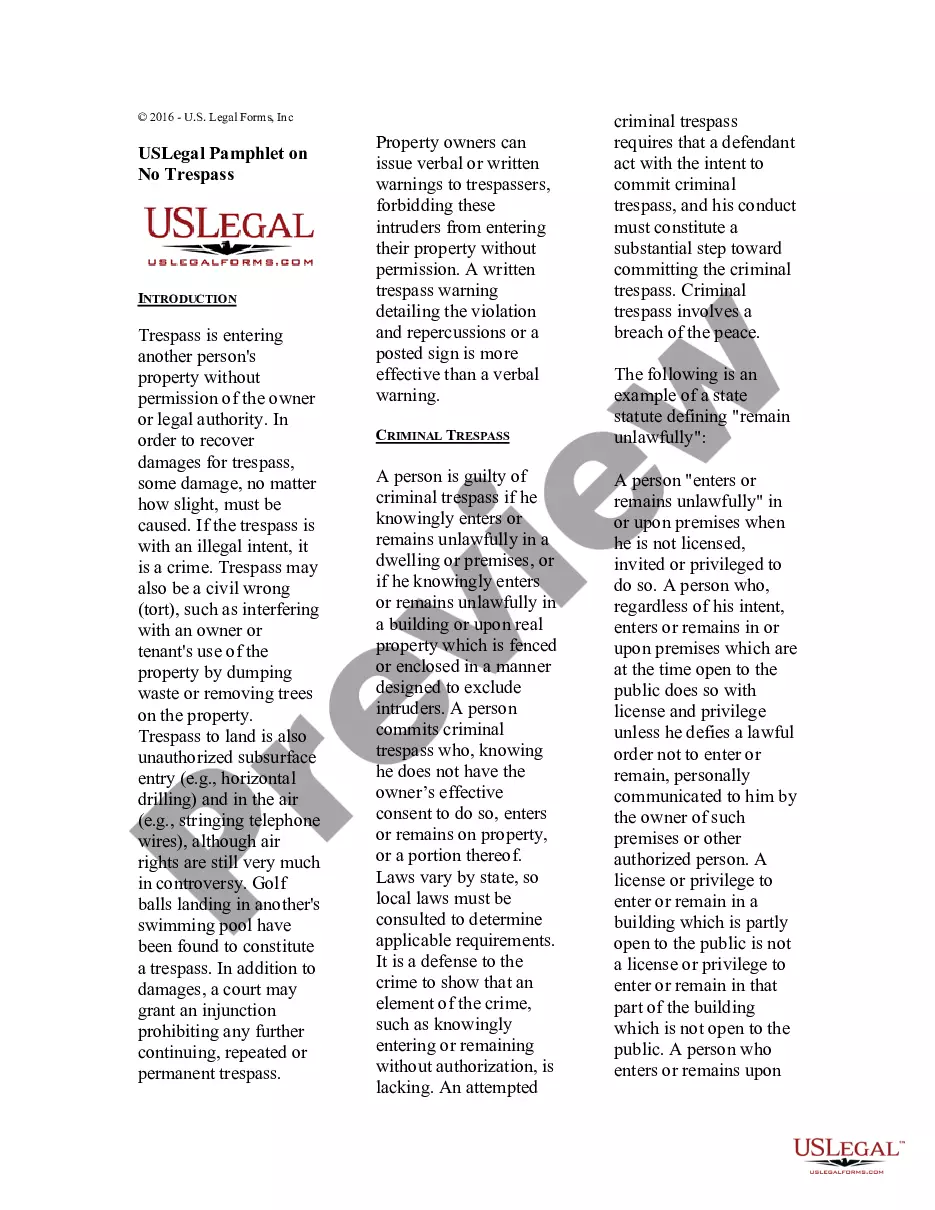
Get your form ready online
Our built-in tools help you complete, sign, share, and store your documents in one place.
Make edits, fill in missing information, and update formatting in US Legal Forms—just like you would in MS Word.
Download a copy, print it, send it by email, or mail it via USPS—whatever works best for your next step.
Sign and collect signatures with our SignNow integration. Send to multiple recipients, set reminders, and more. Go Premium to unlock E-Sign.
If this form requires notarization, complete it online through a secure video call—no need to meet a notary in person or wait for an appointment.
We protect your documents and personal data by following strict security and privacy standards.

Make edits, fill in missing information, and update formatting in US Legal Forms—just like you would in MS Word.

Download a copy, print it, send it by email, or mail it via USPS—whatever works best for your next step.

Sign and collect signatures with our SignNow integration. Send to multiple recipients, set reminders, and more. Go Premium to unlock E-Sign.

If this form requires notarization, complete it online through a secure video call—no need to meet a notary in person or wait for an appointment.

We protect your documents and personal data by following strict security and privacy standards.
Looking for another form?
Form popularity
FAQ
A person is negligent, or acts negligently, when that person fails to be aware of a substantial and unjustifiable risk that circumstances exist or a result will follow, described by the statute defining the offense, and that failure constitutes a substantial deviation from the standard of care that a reasonable person ...
Illinois has a "comparative negligence" law (735 ILCS 5/2-1116) which means that more than one person can be at fault in an accident. Under this law, you can generally collect damages if you are 50.00% or less at fault for the accident.
Illinois has adopted modified comparative negligence (735 ILCS 5/2-1116) as the standard for recovery of damages. Under modified comparative negligence, an injured party may recover damages only if he/she is less than 50% at fault for the injury or damages.
The following must be in a tort claim filed in Illinois: The plaintiff's name and address. Defendant's name, and address where the summons will be sent. The date, place, and circumstances surrounding the event of the injury. A description of the injury. The name of the individual that caused the injury.
The elements of a negligence claim include duty, breach, causation, and damages. Negligence occurs when one person fails to exercise the care we expect of an ordinary or reasonable person in that situation.
To recover on a negligence claim, the plaintiff must establish the existence of a legal duty on the part of the defendant, a breach of that duty, causation, and damages. United Blood Servs. v. Quintana, 827 P.
Primary tabs. Negligence is the failure to behave with the level of care that a reasonable person would have exercised under the same circumstances. Either a person's actions or omissions of actions can be found negligent.
Under California law, there are four legal principles of negligence required for a claim include duty of care, breach of duty of care, causation, and damages.
It's better if you file a third party claim directly with the other person's insurance. That will keep your insurance rates from rising (yes, your rates can rise if you file a claim with your own insurance even if you're not at fault.) You can't use a delay in processing the claim as an excuse to run up more expenses.
