Tort Negligence Liability With Insurance In Fairfax
Description





Get your form ready online
Our built-in tools help you complete, sign, share, and store your documents in one place.
Make edits, fill in missing information, and update formatting in US Legal Forms—just like you would in MS Word.
Download a copy, print it, send it by email, or mail it via USPS—whatever works best for your next step.
Sign and collect signatures with our SignNow integration. Send to multiple recipients, set reminders, and more. Go Premium to unlock E-Sign.
If this form requires notarization, complete it online through a secure video call—no need to meet a notary in person or wait for an appointment.
We protect your documents and personal data by following strict security and privacy standards.

Make edits, fill in missing information, and update formatting in US Legal Forms—just like you would in MS Word.

Download a copy, print it, send it by email, or mail it via USPS—whatever works best for your next step.

Sign and collect signatures with our SignNow integration. Send to multiple recipients, set reminders, and more. Go Premium to unlock E-Sign.

If this form requires notarization, complete it online through a secure video call—no need to meet a notary in person or wait for an appointment.

We protect your documents and personal data by following strict security and privacy standards.
Looking for another form?






Form popularity
FAQ
Tort States Alabama. Alaska. Arizona. Arkansas. California. Colorado. Connecticut. Delaware.
A tort claim against the United States, based on a negligent or wrongful act or omission of an employee of the Department of Veterans Affairs acting within the scope of his or her employment, may be filed by the injured person or his or her legal representative using Standard Form 95, Claim for Damage, Injury, or Death ...
Virginia is, in fact, an at-fault state, which means the driver whose negligence caused your accident is responsible for compensating you. Virginia does not require insurance on every registered vehicle. If the driver who caused your accident is covered, you can request compensation from their insurer.
Virginia operates under what's called a tort or fault-based system. This means that in the event of an accident, the person who is at fault is financially responsible for the all damages.
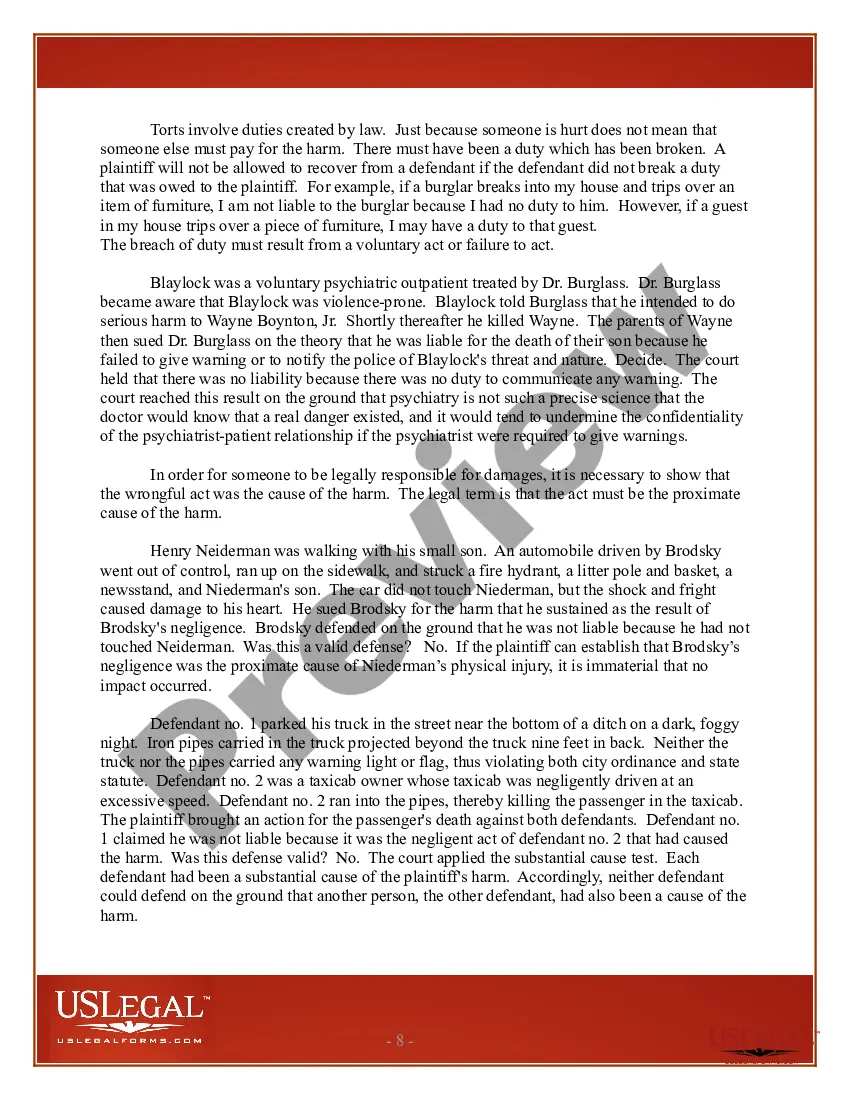
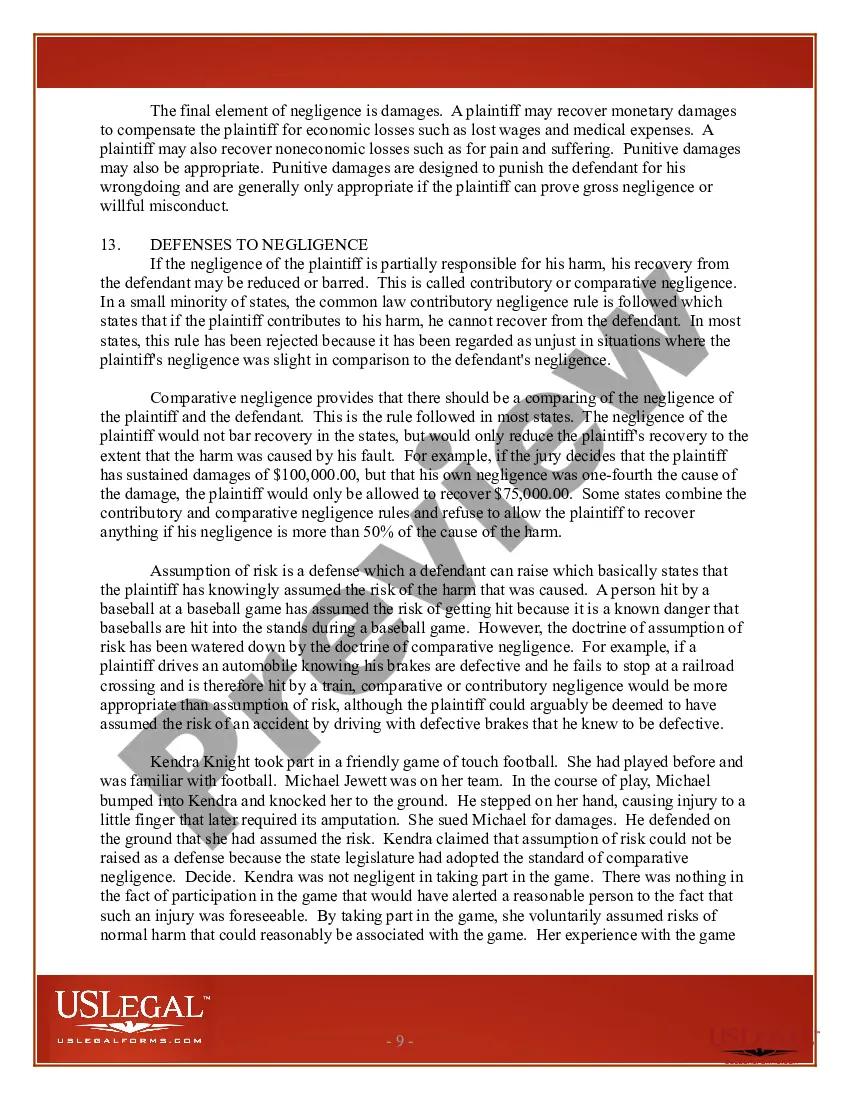
Some states follow a more enlightened version of the fault law called "comparative negligence." Alas, Virginia still chooses what is known as the "pure contributory negligence rule." That means the other person has to be 100 percent at fault or you can't collect any monetary damages.
Tort liability. No pecuniary liability of any kind shall be imposed upon the Commonwealth or the locality, town, or landowner therein because of any act, agreement, contract, tort, malfeasance, misfeasance, or nonfeasance by or on the part of a district or its agents, servants, or employees.
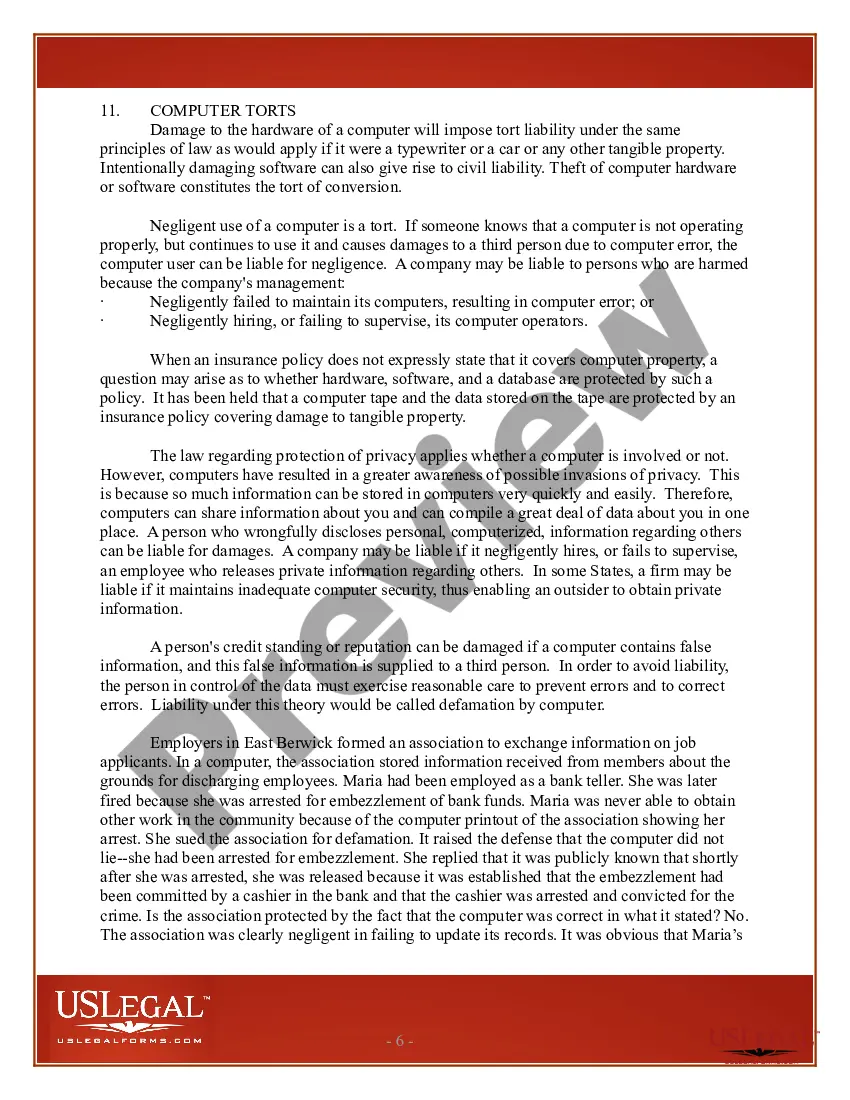
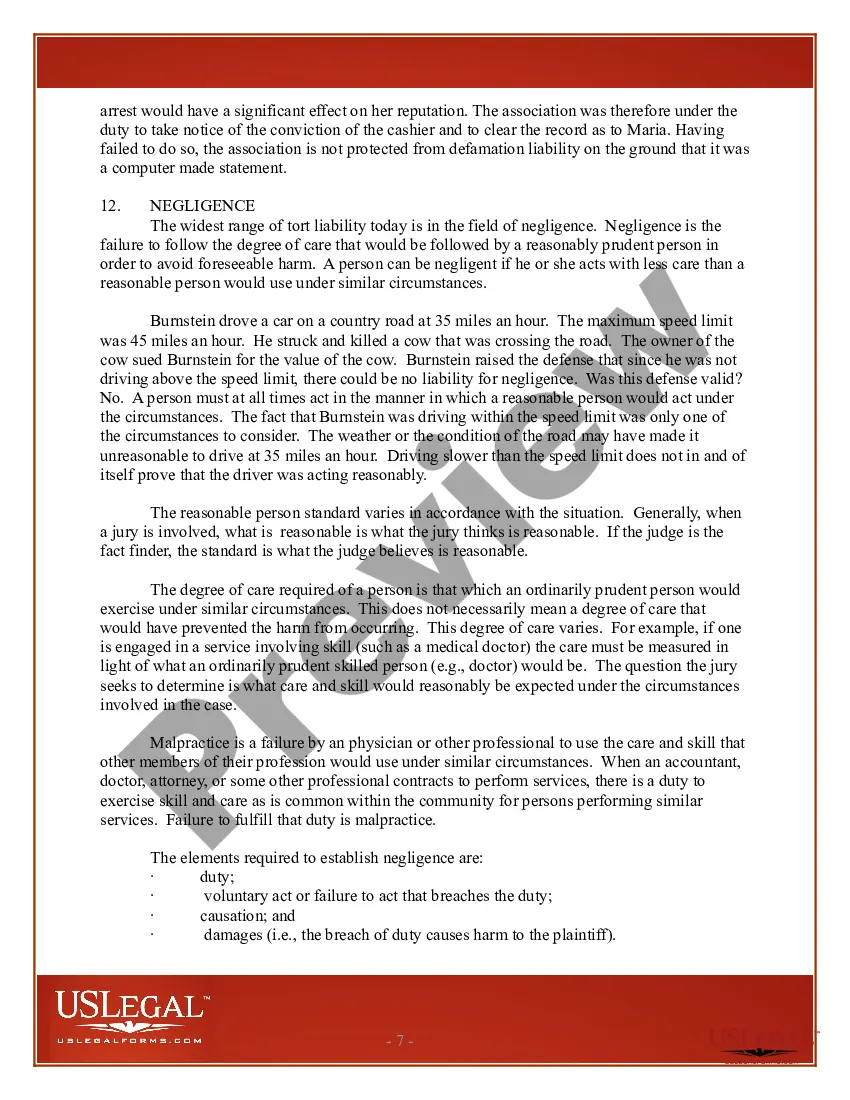
Tort refers to an action that harms another person or his property. Tort usually refers to injuring a person, causing damage to his or her property or reputation, or harming someone's commercial interest. A person who is injured or harmed may sue the person who committed the tort in civil court.
