Texas State Bar Rules Of Professional Conduct In Texas
Description
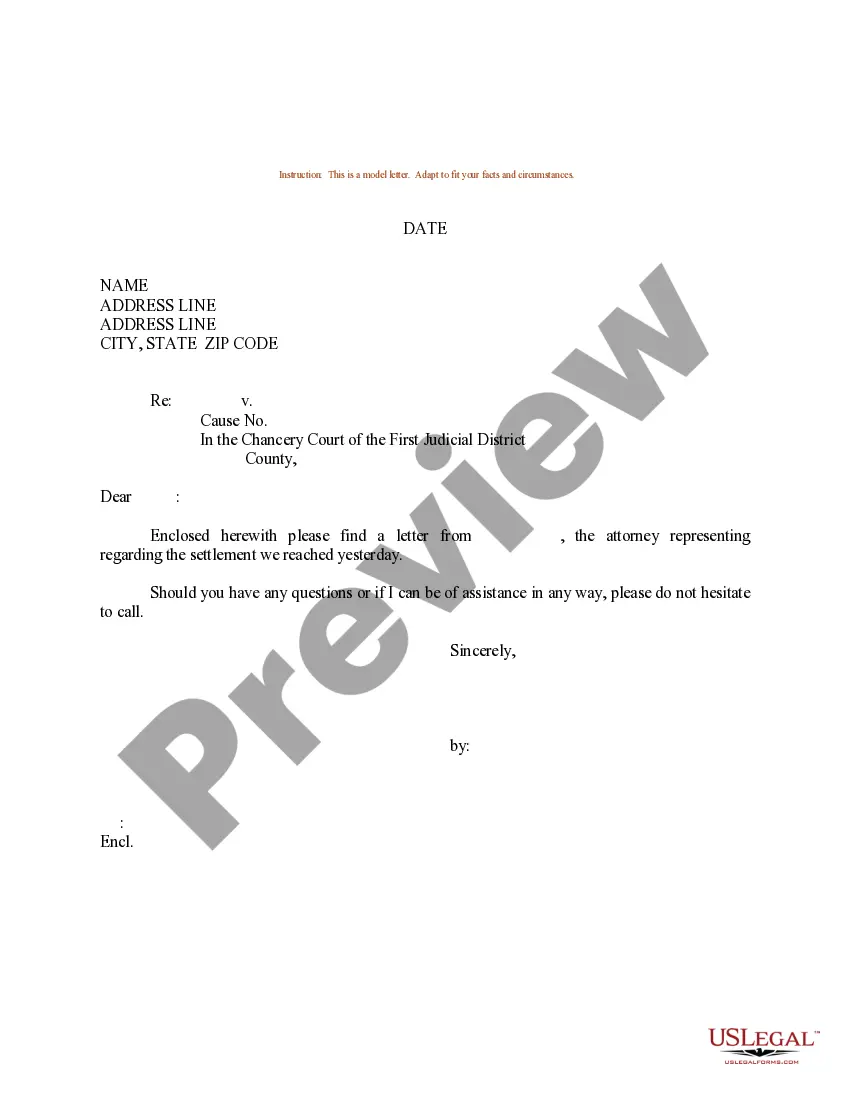
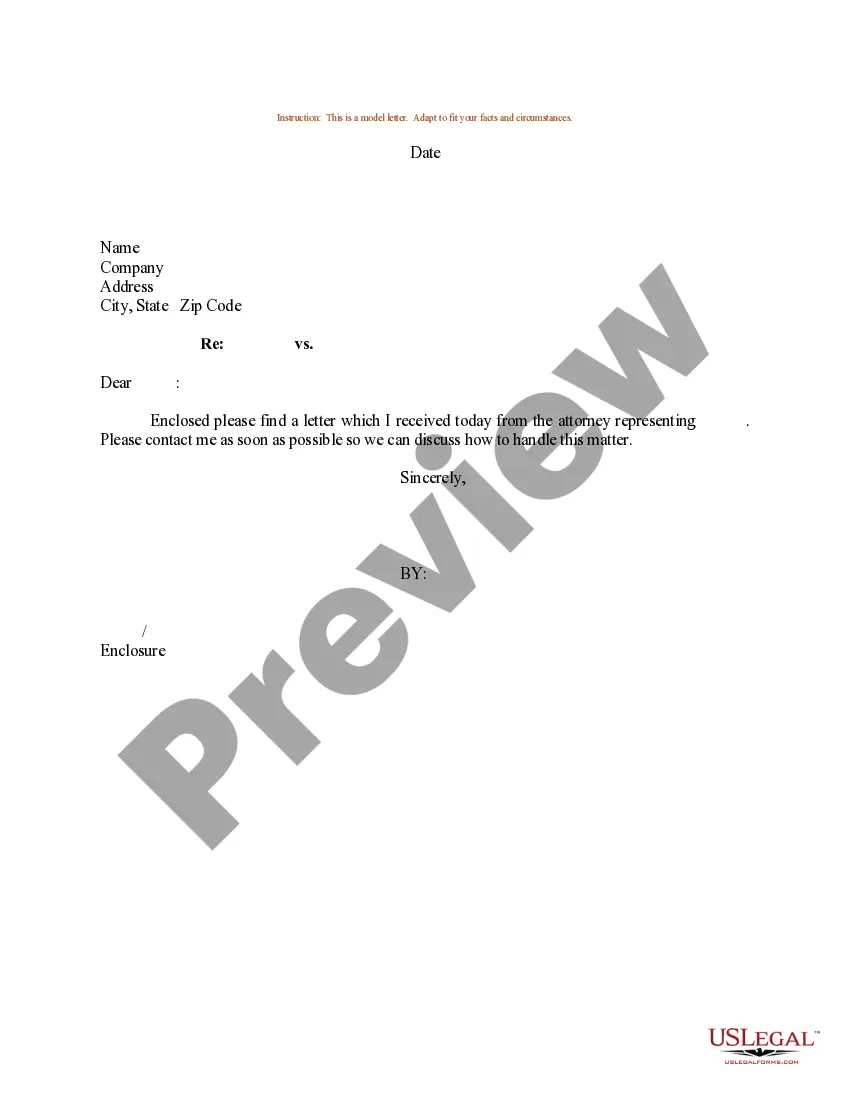
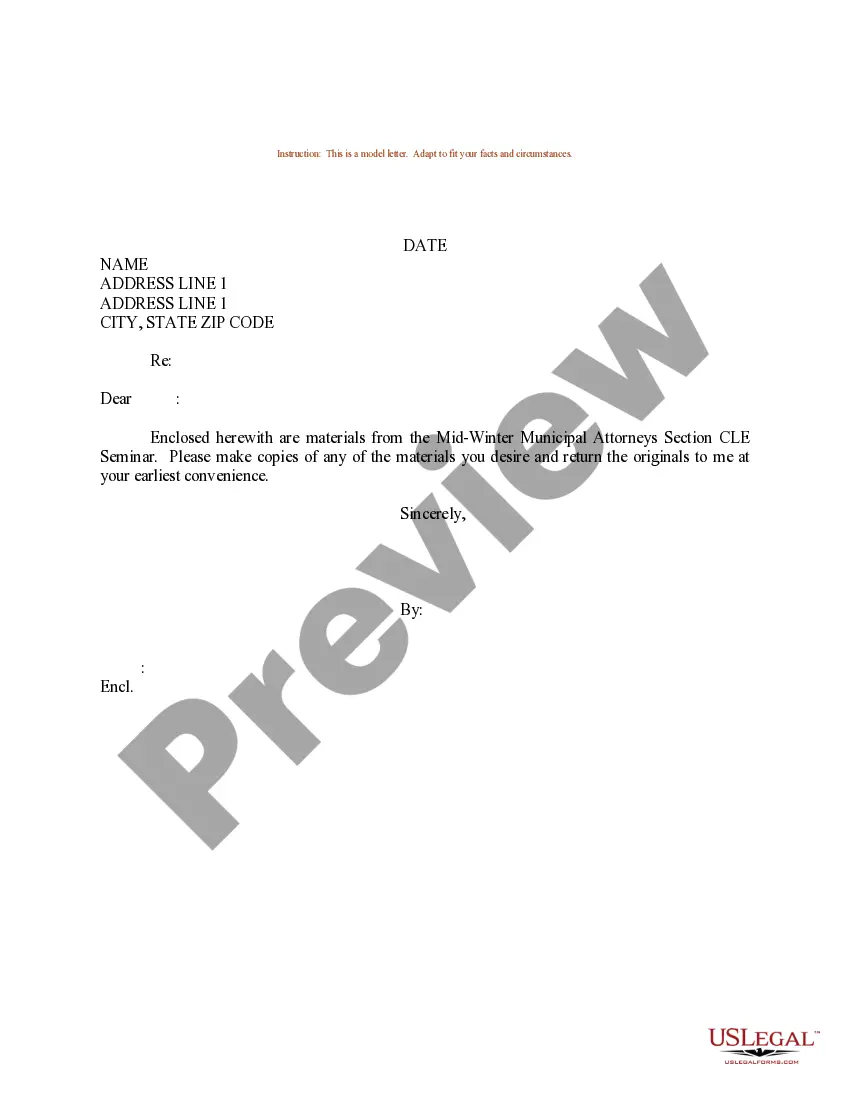
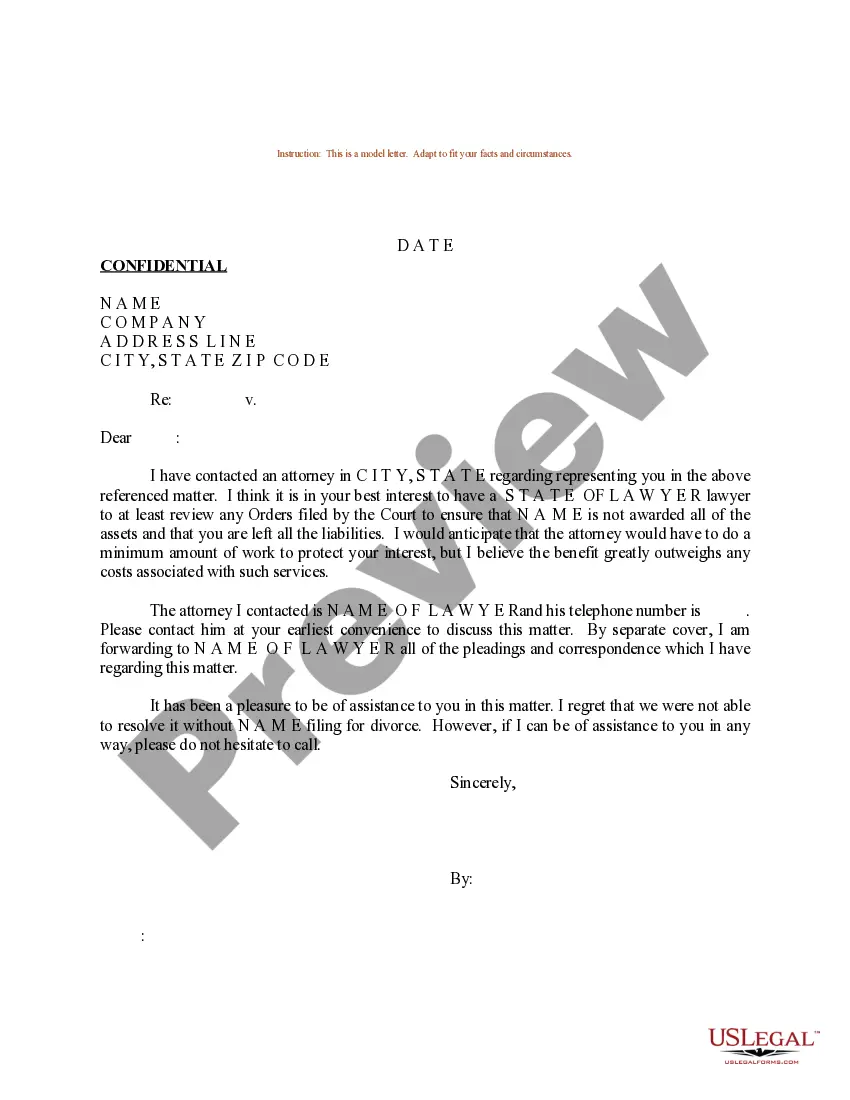
Get your form ready online
Our built-in tools help you complete, sign, share, and store your documents in one place.
Make edits, fill in missing information, and update formatting in US Legal Forms—just like you would in MS Word.
Download a copy, print it, send it by email, or mail it via USPS—whatever works best for your next step.
Sign and collect signatures with our SignNow integration. Send to multiple recipients, set reminders, and more. Go Premium to unlock E-Sign.
If this form requires notarization, complete it online through a secure video call—no need to meet a notary in person or wait for an appointment.
We protect your documents and personal data by following strict security and privacy standards.

Make edits, fill in missing information, and update formatting in US Legal Forms—just like you would in MS Word.

Download a copy, print it, send it by email, or mail it via USPS—whatever works best for your next step.

Sign and collect signatures with our SignNow integration. Send to multiple recipients, set reminders, and more. Go Premium to unlock E-Sign.

If this form requires notarization, complete it online through a secure video call—no need to meet a notary in person or wait for an appointment.

We protect your documents and personal data by following strict security and privacy standards.
Looking for another form?

Form popularity
FAQ
Rule 7.03 - Solicitation and Other Prohibited Communications (a) The following definitions apply to this Rule: (1) "Regulated telephone, social media, or other electronic contact" means telephone, social media, or electronic communication initiated by a lawyer, or by a person acting on behalf of a lawyer, that involves ...
1. A lawyer generally should not accept or continue employment in any area of the law in which the lawyer is not and will not be prepared to render competent legal services. Competence is defined in Terminology as possession of the legal knowledge, skill, and training reasonably necessary for the representation.
Texas Disciplinary Rules of Professional Conduct (TDRPC) Rule 1.12(a) states that “(a) lawyer employed or retained by an organization represents the entity.” The rule goes on to note that the lawyer's duty is to serve the best interests of the entity, rather than that of the constituent partners or shareholders ...
In the course of litigation, a lawyer shall not take a position that unreasonably increases the costs or other burdens of the case or that unreasonably delays resolution of the matter.
The Texas State Bar Exam is a formidable hurdle for law school graduates, encompassing not only the challenge of mastering extensive legal knowledge but also the need for psychological resilience and effective preparation strategies.
Rule 1.10 - Imputation of Conflicts of Interest: General (a) While lawyers are associated in a firm, none of them shall knowingly represent a client when any one of them practicing alone would be prohibited from doing so by Rules 1.06 or 1.09, unless: (1) the prohibition is based on a personal interest of the ...
Rule 3.03 - Candor Toward the Tribunal (a) A lawyer shall not knowingly: (1) make a false statement of material fact or law to a tribunal; (2) fail to disclose a fact to a tribunal when disclosure is necessary to avoid assisting a criminal or fraudulent act; (3) in an ex parte proceeding, fail to disclose to the ...
Rule 3.08 - Lawyer as Witness (a) A lawyer shall not accept or continue employment as an advocate before a tribunal in a contemplated or pending adjudicatory proceeding if the lawyer knows or believes that the lawyer is or may be a witness necessary to establish an essential fact on behalf of the lawyer's client, ...
13.02. Assumption of Jurisdiction: A client of the attorney, Chief Disciplinary Counsel, or any other interested person may petition a district court in the county of the attorney's residence to assume jurisdiction over the attorney's law practice.
A lawyer shall not: (a) unlawfully obstruct another party's access to evidence; in anticipation of a dispute unlawfully alter, destroy or conceal a document or other material that a competent lawyer would believe has potential or actual evidentiary value; or counsel or assist another person to do any such act.

