State Bar Form 9-2009 In Salt Lake
Description
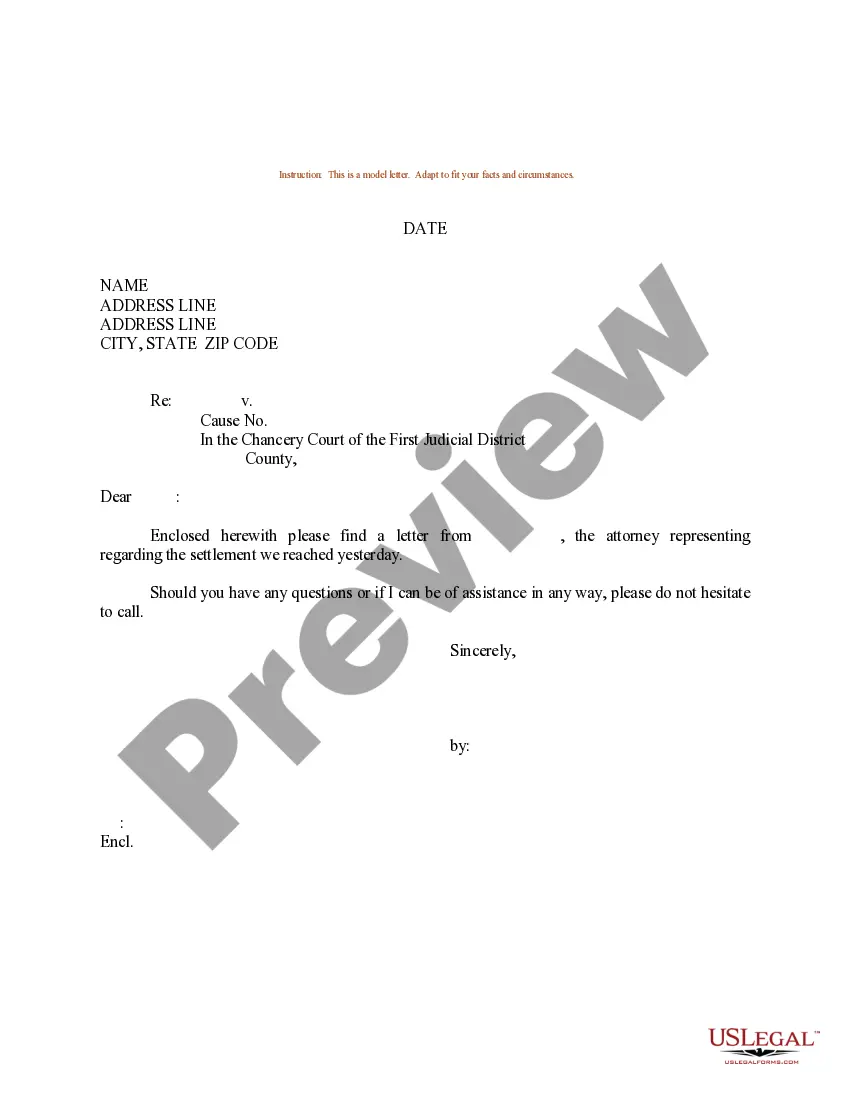
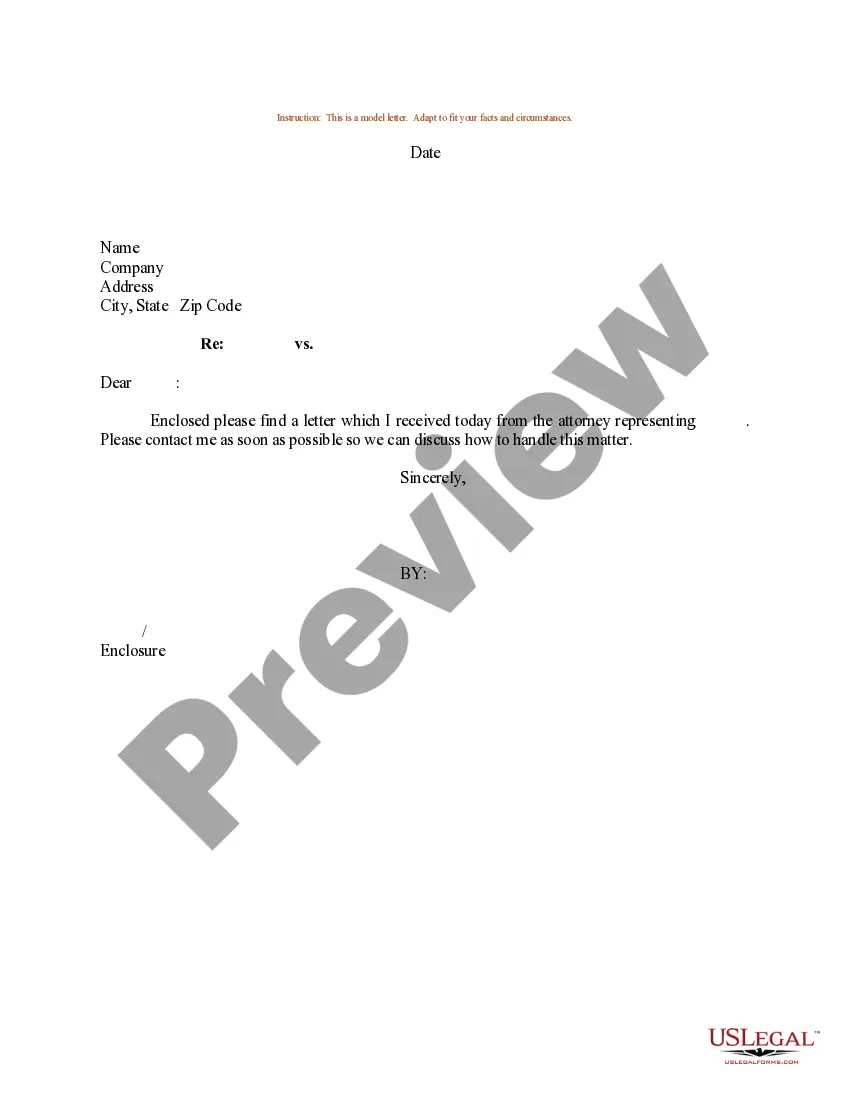
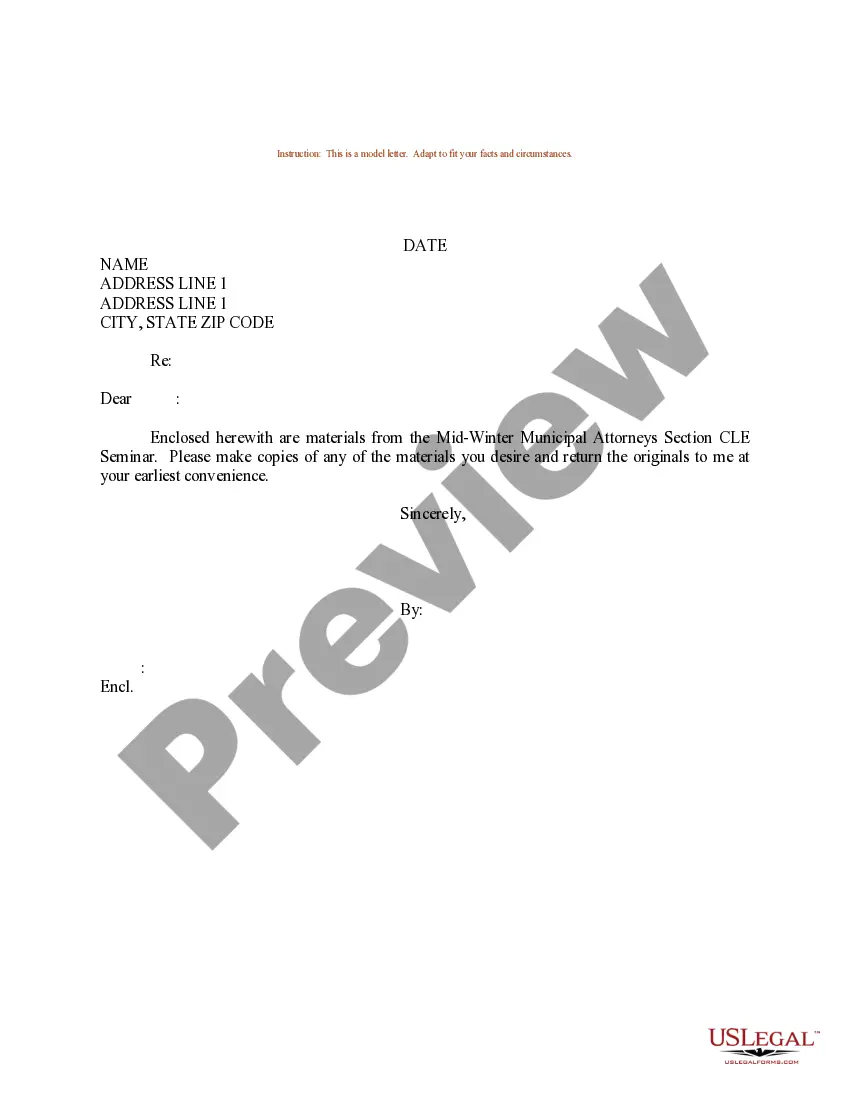
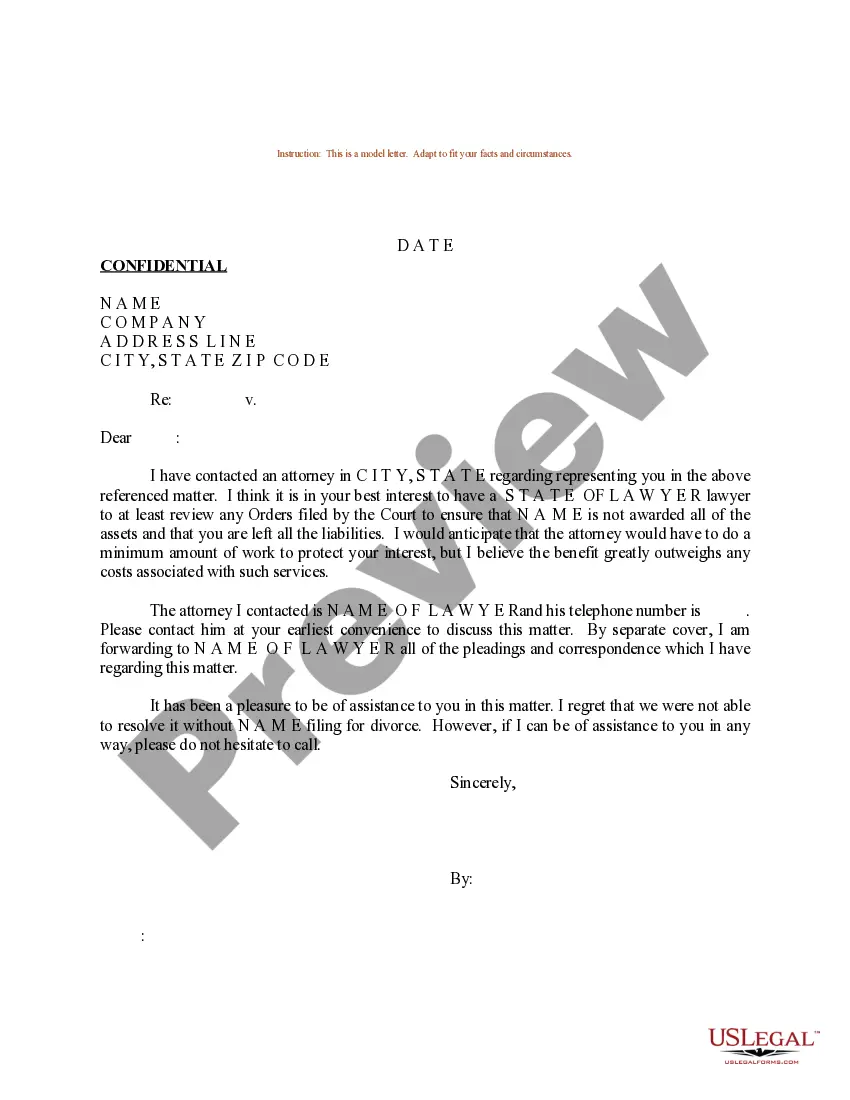
Get your form ready online
Our built-in tools help you complete, sign, share, and store your documents in one place.
Make edits, fill in missing information, and update formatting in US Legal Forms—just like you would in MS Word.
Download a copy, print it, send it by email, or mail it via USPS—whatever works best for your next step.
Sign and collect signatures with our SignNow integration. Send to multiple recipients, set reminders, and more. Go Premium to unlock E-Sign.
If this form requires notarization, complete it online through a secure video call—no need to meet a notary in person or wait for an appointment.
We protect your documents and personal data by following strict security and privacy standards.

Make edits, fill in missing information, and update formatting in US Legal Forms—just like you would in MS Word.

Download a copy, print it, send it by email, or mail it via USPS—whatever works best for your next step.

Sign and collect signatures with our SignNow integration. Send to multiple recipients, set reminders, and more. Go Premium to unlock E-Sign.

If this form requires notarization, complete it online through a secure video call—no need to meet a notary in person or wait for an appointment.

We protect your documents and personal data by following strict security and privacy standards.
Looking for another form?







Form popularity
FAQ
Unless you have a complex situation or have specific concerns, you likely won't need a lawyer to create a TOD deed. But you will need to make sure that the TOD deed you make is valid in your state, since each state's rules are a little different.
How the TOD Designation Works. The beneficiary's rights. The person you name in the TOD designation to inherit the property doesn't have any legal right to it until your death—or, if you own the property as a "joint tenant" or with "rights of survivorship" with someone else, until the last surviving owner dies.
The TOD account owner can choose, among other entities, his or her estate, individuals (including minors), trusts, and churches as beneficiaries. You retain control.
Disadvantages of transfer on death deeds Creditors may come after the new owner(s) of the property. Beneficiaries may get equal shares of the asset. Not available in many states. Unintentional disinheritance. Raises the risk that estate planning documents don't match.
Unless you have a complex situation or have specific concerns, you likely won't need a lawyer to create a TOD deed. But you will need to make sure that the TOD deed you make is valid in your state, since each state's rules are a little different.
Until you file a TOD Deed, it won't be valid. To record it, you need to find your Land Records office in the county the property is in. This entity can be several names, including: County Recorder, Registrar of Deeds or Land Registry, to name a few.
Disadvantages of transfer on death deeds Creditors may come after the new owner(s) of the property. Beneficiaries may get equal shares of the asset. Not available in many states. Unintentional disinheritance. Raises the risk that estate planning documents don't match.

