State Bar Association In California In Sacramento
Description
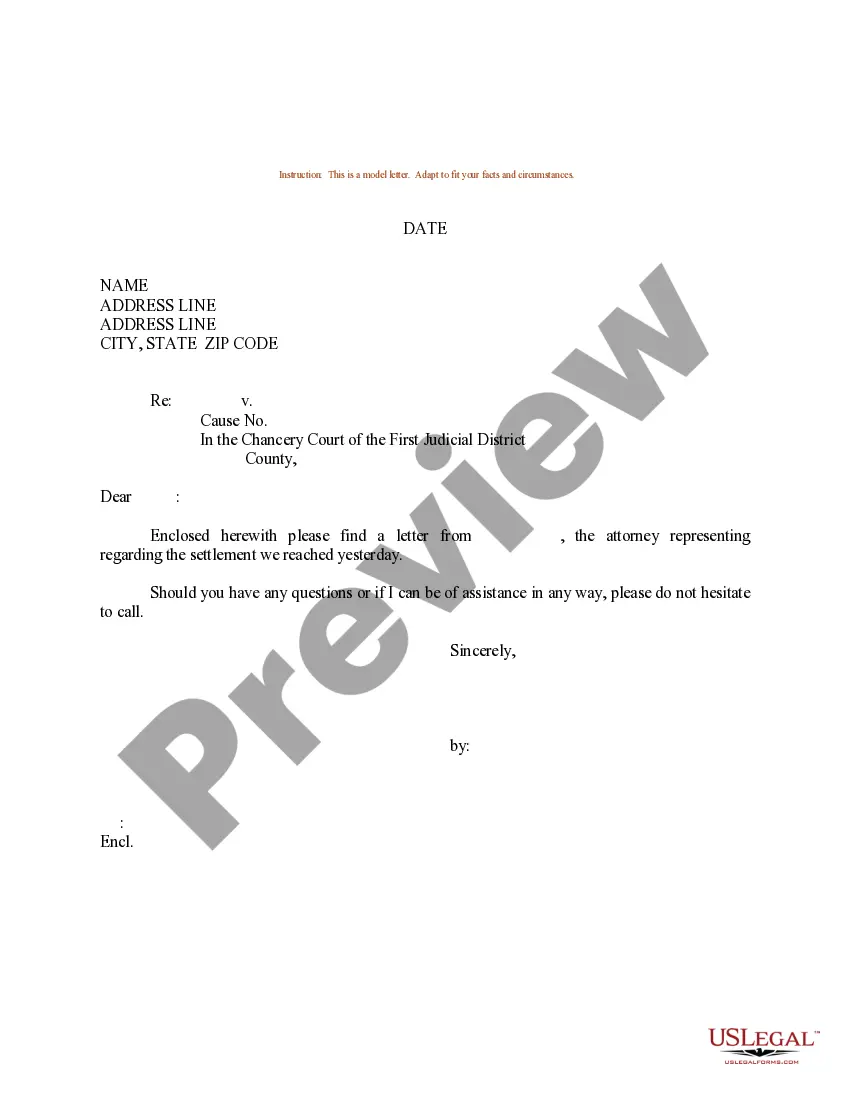
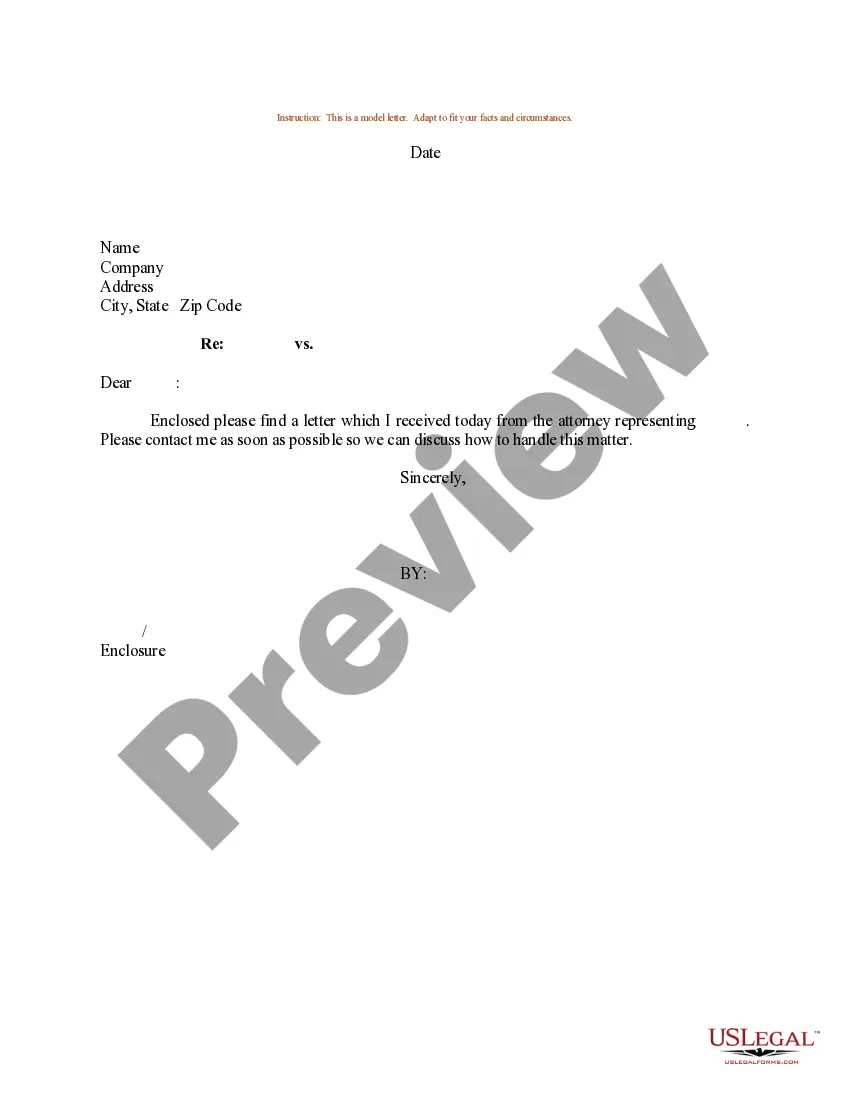
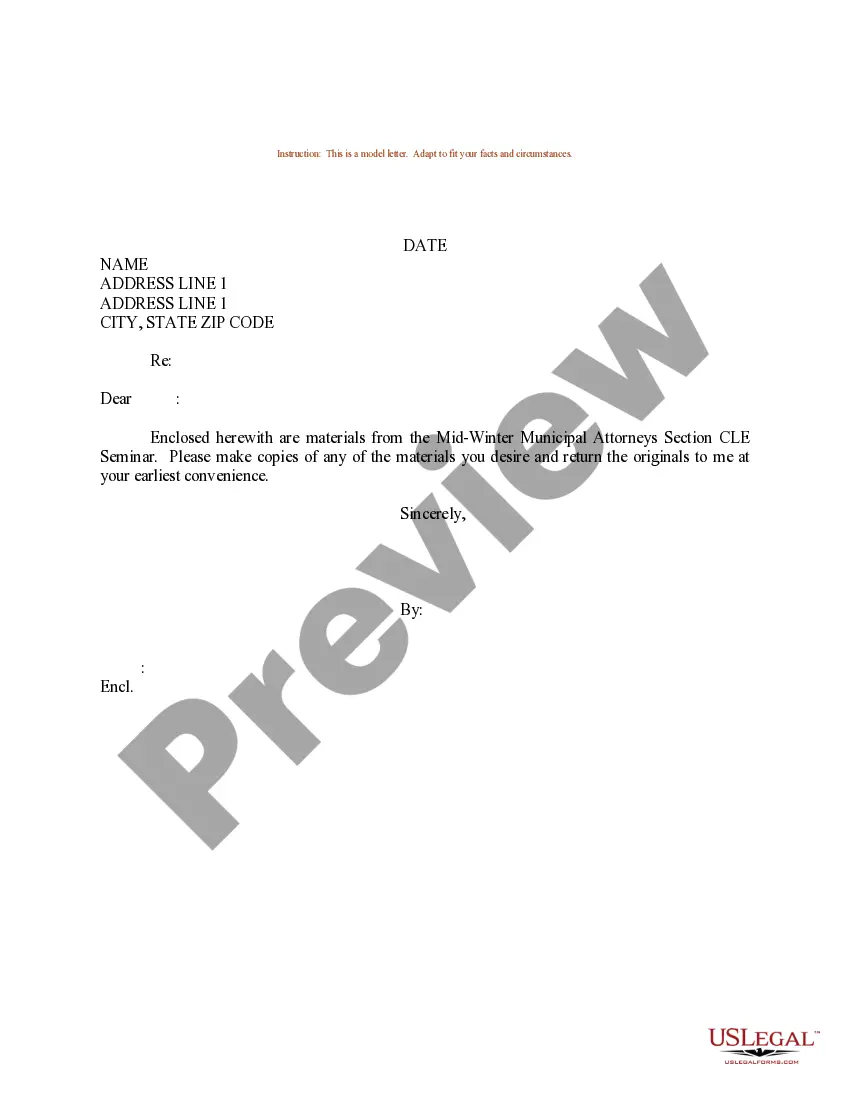
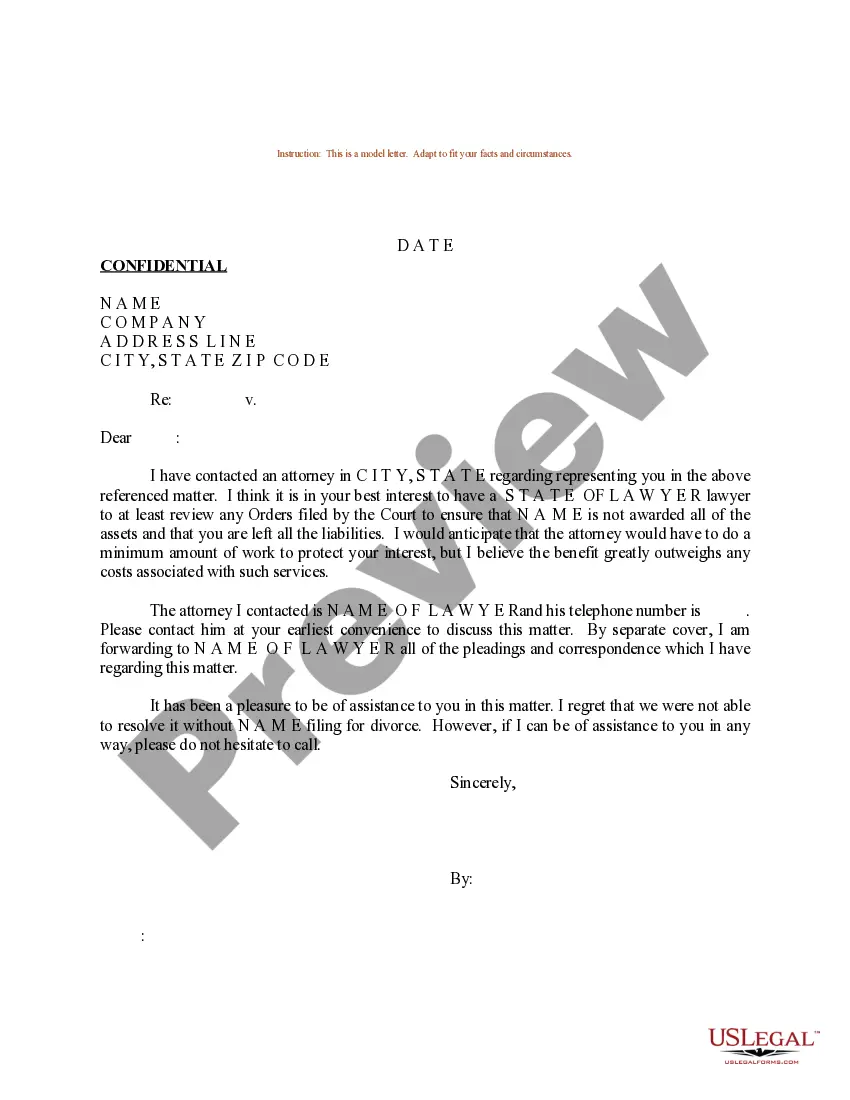
Get your form ready online
Our built-in tools help you complete, sign, share, and store your documents in one place.
Make edits, fill in missing information, and update formatting in US Legal Forms—just like you would in MS Word.
Download a copy, print it, send it by email, or mail it via USPS—whatever works best for your next step.
Sign and collect signatures with our SignNow integration. Send to multiple recipients, set reminders, and more. Go Premium to unlock E-Sign.
If this form requires notarization, complete it online through a secure video call—no need to meet a notary in person or wait for an appointment.
We protect your documents and personal data by following strict security and privacy standards.

Make edits, fill in missing information, and update formatting in US Legal Forms—just like you would in MS Word.

Download a copy, print it, send it by email, or mail it via USPS—whatever works best for your next step.

Sign and collect signatures with our SignNow integration. Send to multiple recipients, set reminders, and more. Go Premium to unlock E-Sign.

If this form requires notarization, complete it online through a secure video call—no need to meet a notary in person or wait for an appointment.

We protect your documents and personal data by following strict security and privacy standards.
Looking for another form?








Form popularity
FAQ
Contact Center To speak with a representative, please call 800-843-9053 if you are in California. If you are calling from out-of-state, please call 415-538-2000.
Applicants who are already licensed to practice law in another state or jurisdiction must register as an attorney applicant, complete a positive moral character determination and pass the Multistate Professional Responsibility Examination as well as the California Bar Examination.
California was one of the first states to unify its bar (1927). A unified, or integrated bar, means simply that membership is mandatory for all attorneys who are licensed to practice law in the state.
In California, qualified applicants can take the bar exam without going to law school. Most law schools require a college degree, but some may only ask for equivalent course work, and some law schools focus on your legal interest and life experiences and not on your grades or LSAT scores.
California Breach Of Legal Ethics Lawyers Client Neglect – not returning phone calls, or answering correspondence. Conflicts of Interest – a lawyer may not be representing a client to the best of their ability due to allegiance to another client, or the opposition.
To verify an attorney's recent admission to, or current membership status with, the bar of U.S. District Court for the Northern District of California, please use the Court's online Attorney Bar Membership Status Lookup Tool.
The California bar limits complaints for events that occurred within the last five years. The statute of limitations for legal malpractices is one year, generally from the time representation ends.
California has a one-year statute of limitations (SOL) for all claims by clients against their former attorneys (except actual fraud which has a three-year period). California Code of Civil Procedure section 340.6.
Generally, under the California Penal Code, there is a one-year statute of limitations for misdemeanors and a three-year statute of limitations for felonies in California. This means that if a person commits a criminal offense, they should be charged in court within three years of the crime.
Ing to the ABA, the most common attorney discipline complaints filed with the bar association involve: Neglect. Lack of communication. Misrepresentation or dishonesty. Scope of representation. Fee disputes.

