Texas State Bar For Lawyers In Palm Beach
Description
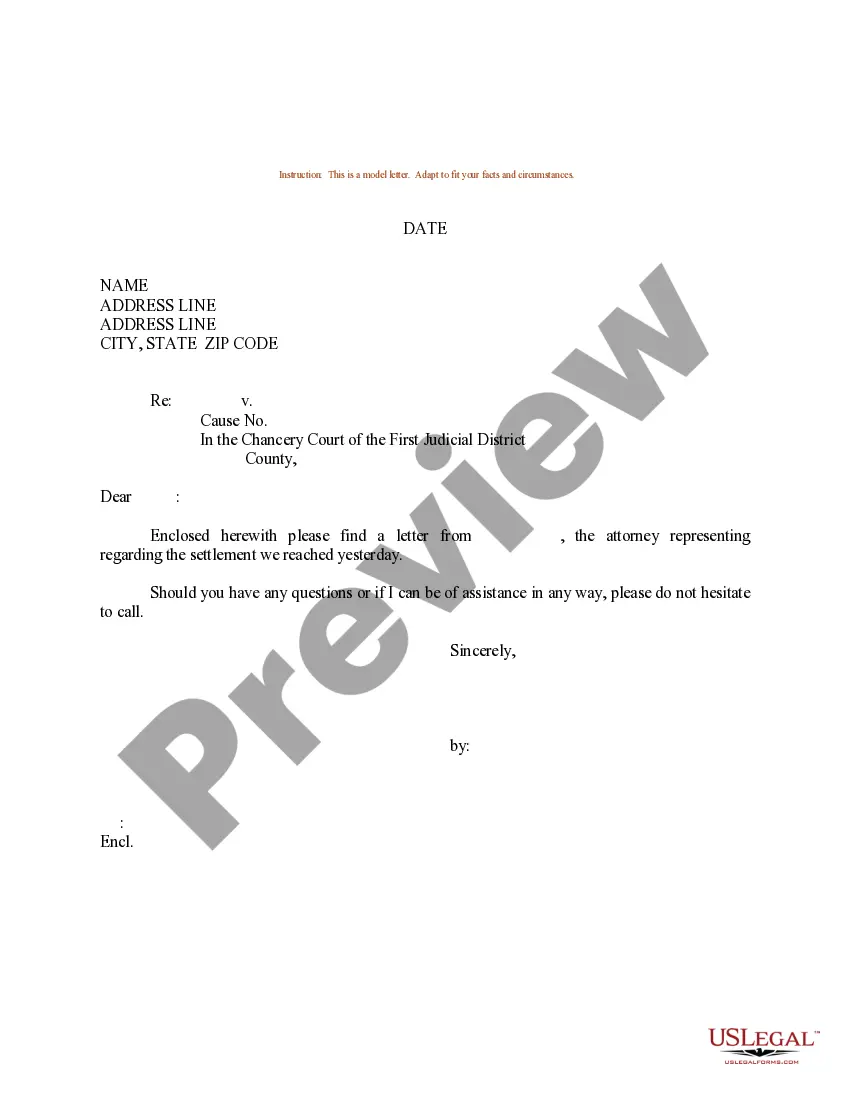
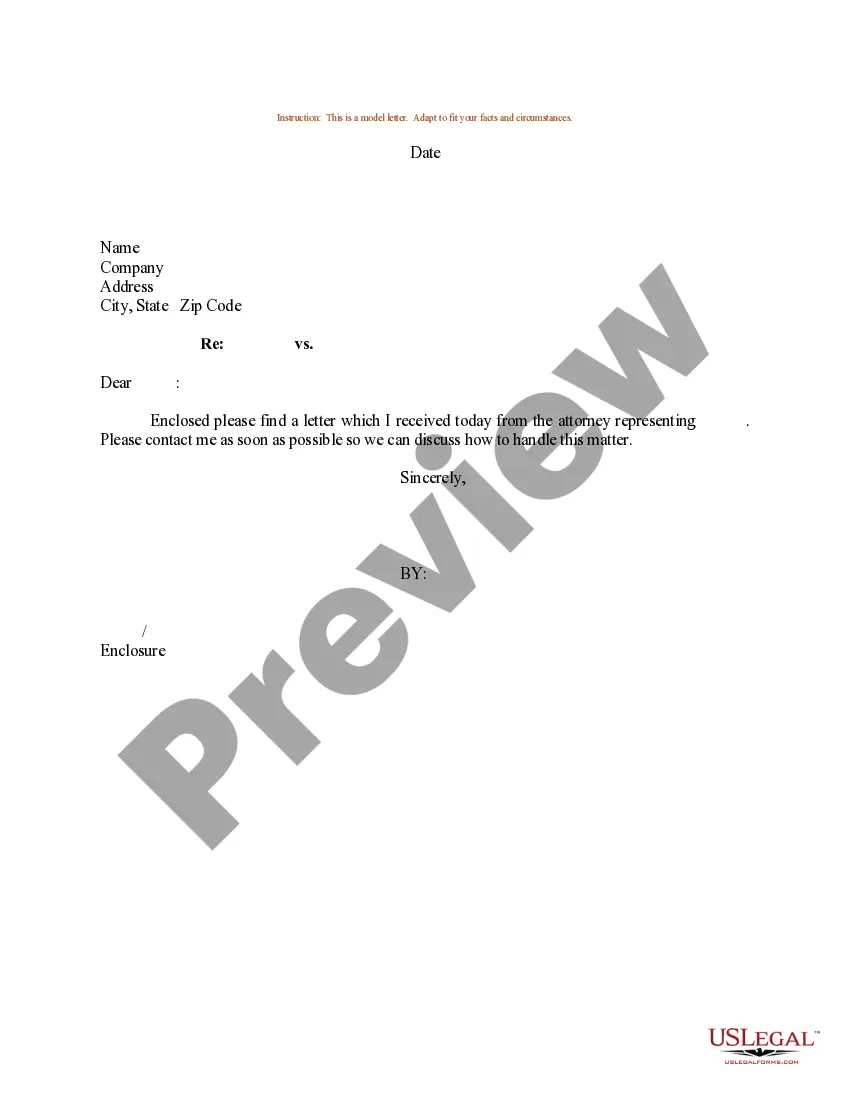
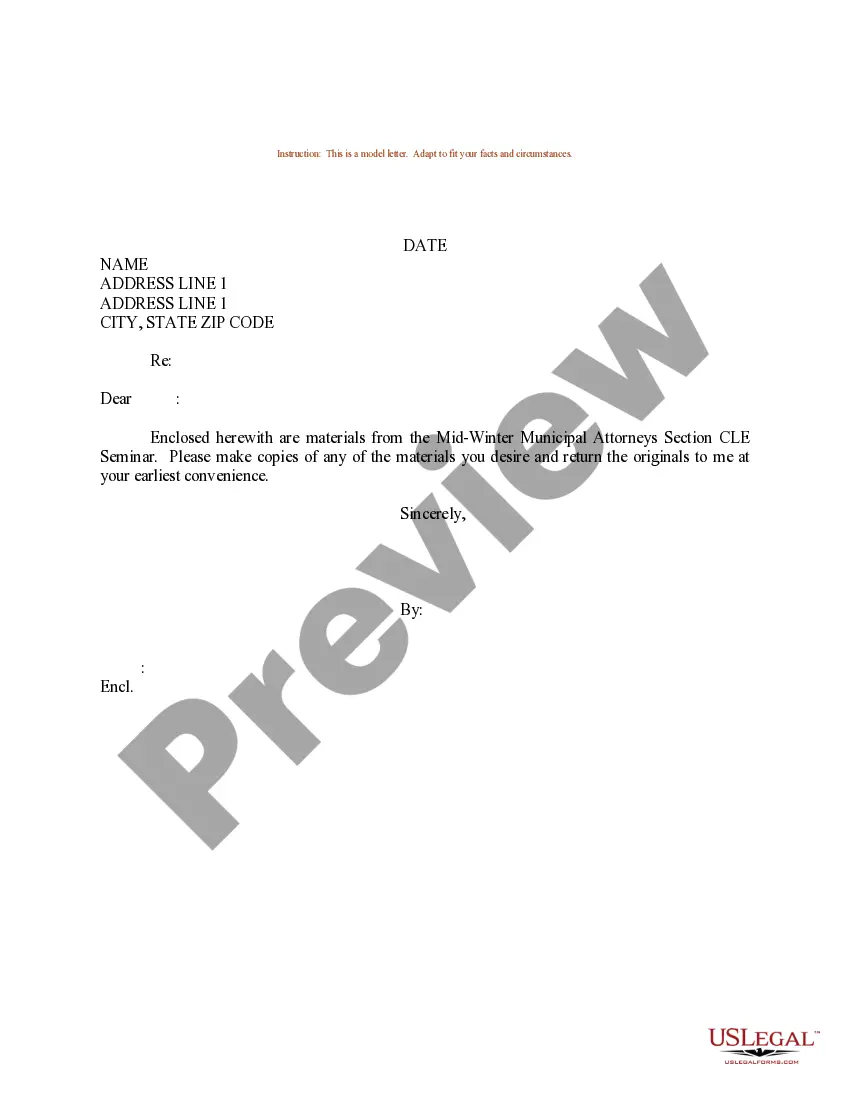
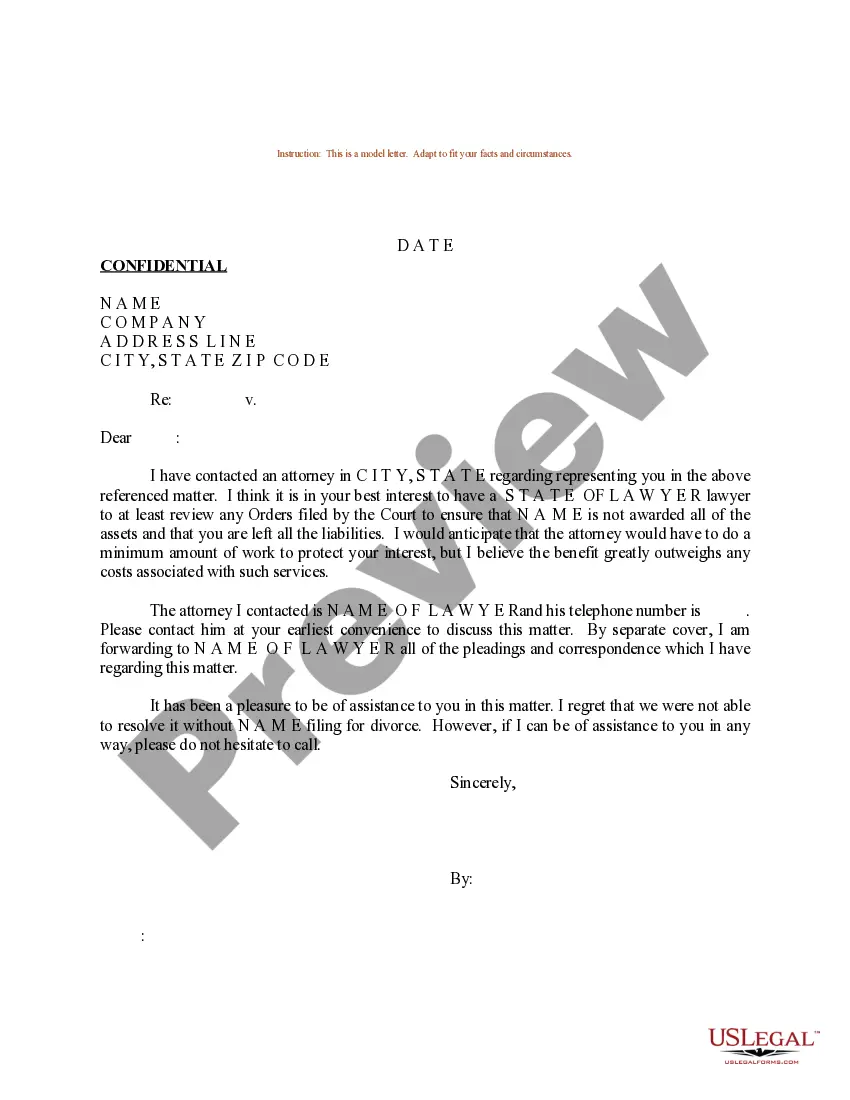
Get your form ready online
Our built-in tools help you complete, sign, share, and store your documents in one place.
Make edits, fill in missing information, and update formatting in US Legal Forms—just like you would in MS Word.
Download a copy, print it, send it by email, or mail it via USPS—whatever works best for your next step.
Sign and collect signatures with our SignNow integration. Send to multiple recipients, set reminders, and more. Go Premium to unlock E-Sign.
If this form requires notarization, complete it online through a secure video call—no need to meet a notary in person or wait for an appointment.
We protect your documents and personal data by following strict security and privacy standards.

Make edits, fill in missing information, and update formatting in US Legal Forms—just like you would in MS Word.

Download a copy, print it, send it by email, or mail it via USPS—whatever works best for your next step.

Sign and collect signatures with our SignNow integration. Send to multiple recipients, set reminders, and more. Go Premium to unlock E-Sign.

If this form requires notarization, complete it online through a secure video call—no need to meet a notary in person or wait for an appointment.

We protect your documents and personal data by following strict security and privacy standards.
Looking for another form?





Form popularity
FAQ
The Texas State Bar Exam is a formidable hurdle for law school graduates, encompassing not only the challenge of mastering extensive legal knowledge but also the need for psychological resilience and effective preparation strategies.
Admission on Motion (Reciprocity) To become licensed in Texas without examination, applicants must: Hold a J.D. from an ABA-approved U.S. law school. Have practiced law as a primary occupation for at least 5 of the last 7 years. Demonstrate good moral character.
Can I Take the Bar Without Going To Law School In Texas? No, you can't take the bar without attending Texas law school. Currently, Texas is not one of the states that allow a person to take the bar exam without attending law school.
State Bar of Texas Dues Schedule After June 1, 2025: Licensed less than 3 years = $74.00. Licensed 3-5 years = $162.00. Licensed more than 5 years = $258.00.
Can I Take the Bar Without Going To Law School In Texas? No, you can't take the bar without attending Texas law school. Currently, Texas is not one of the states that allow a person to take the bar exam without attending law school.
Texas's additional reciprocity requirements include: Law Degree. A law degree from an ABA approved law school (determined at the time of enrollment or graduation and not at a later date). Character and Fitness.
(a) The state bar is a public corporation and an administrative agency of the judicial department of government.
After graduating from a law school approved by the American Bar Association with a doctor of jurisprudence degree, candidates must then take the bar examination – a comprehensive test of knowledge in many areas of law. After passing this test, the person is licensed to practice law.
The State Bar assists the Supreme Court in its exercise of the judicial department's power under the Texas Constitution to regulate the practice of law in Texas and thus unifies all functions necessary to assure access to the legal system and to improve delivery of legal services to the public.
The State Bar of Texas is governed by a board of directors with 46 voting members from across the state who volunteer their valuable time and professional experience.

