Motion Time Form With Time In Maricopa
Description

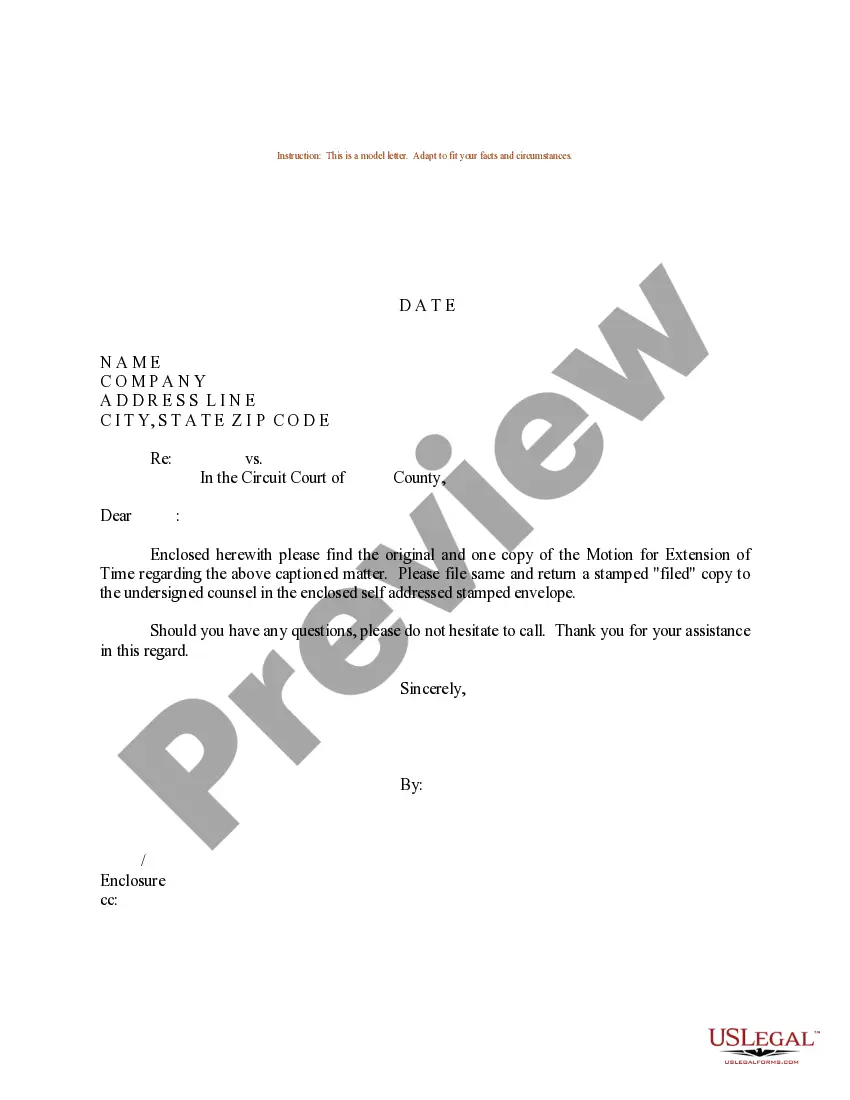
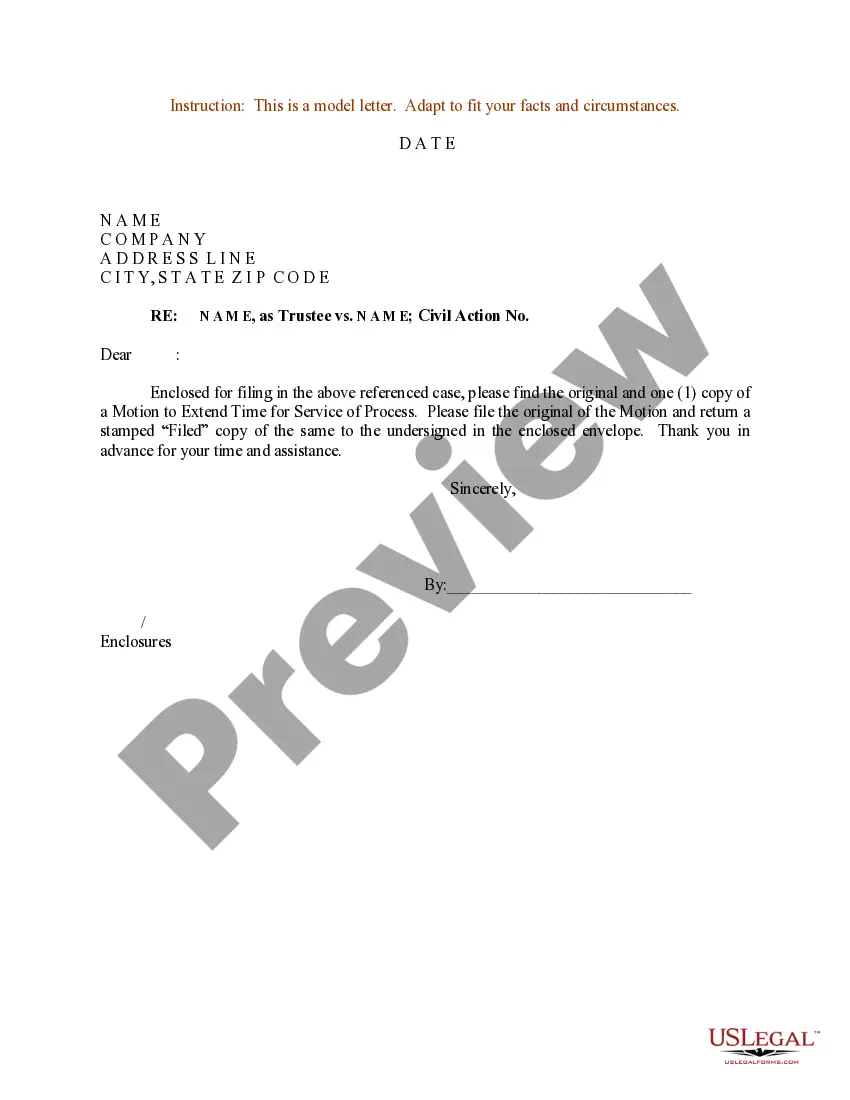
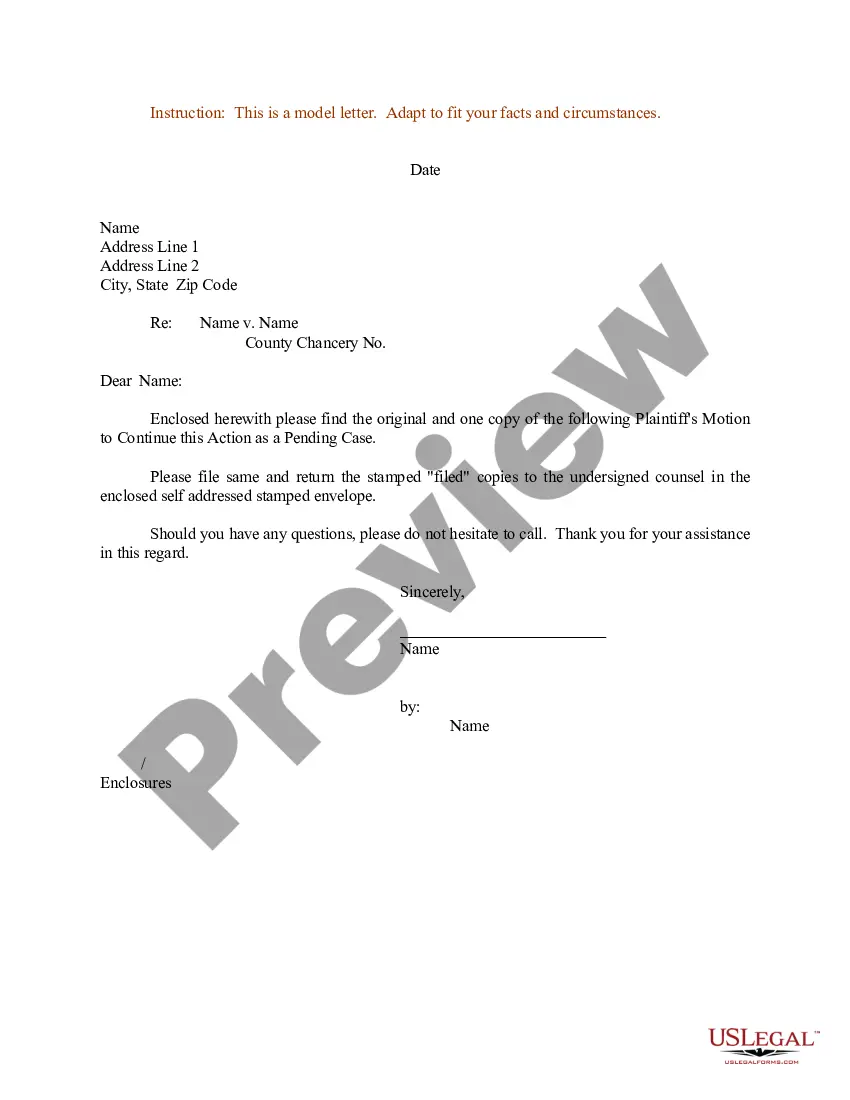
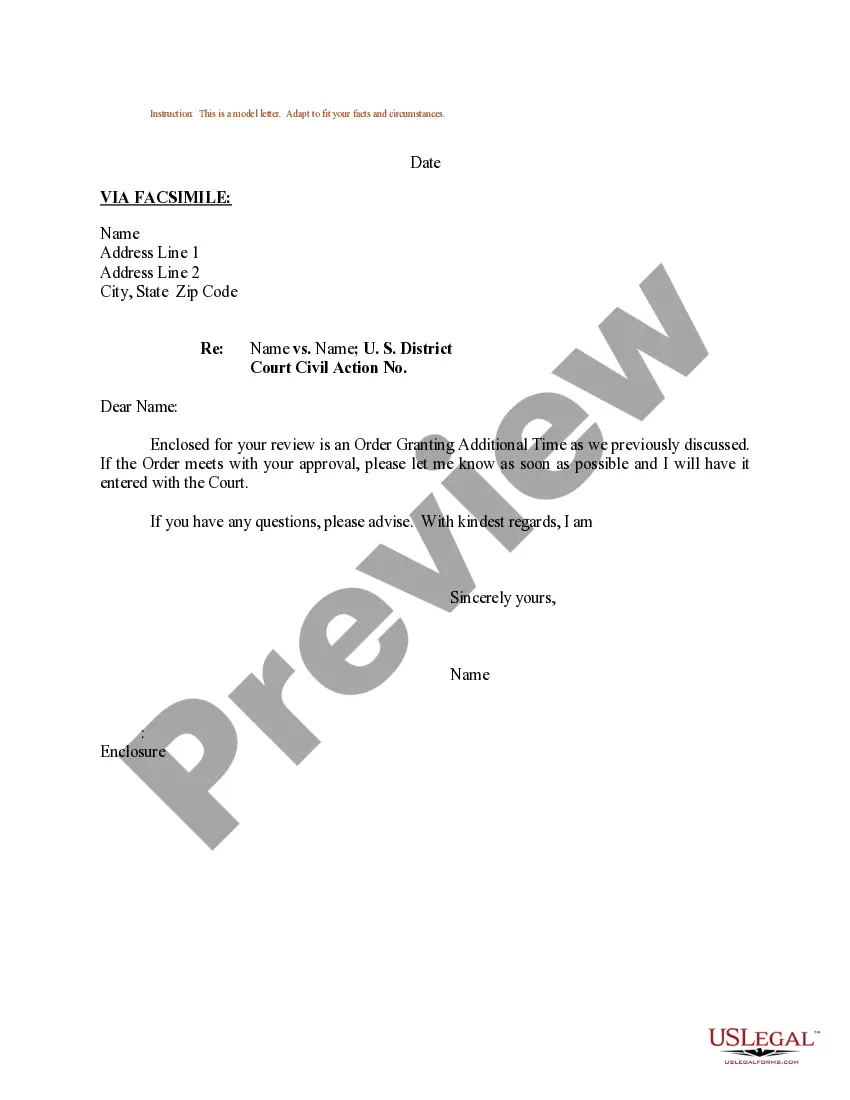
Get your form ready online
Our built-in tools help you complete, sign, share, and store your documents in one place.
Make edits, fill in missing information, and update formatting in US Legal Forms—just like you would in MS Word.
Download a copy, print it, send it by email, or mail it via USPS—whatever works best for your next step.
Sign and collect signatures with our SignNow integration. Send to multiple recipients, set reminders, and more. Go Premium to unlock E-Sign.
If this form requires notarization, complete it online through a secure video call—no need to meet a notary in person or wait for an appointment.
We protect your documents and personal data by following strict security and privacy standards.

Make edits, fill in missing information, and update formatting in US Legal Forms—just like you would in MS Word.

Download a copy, print it, send it by email, or mail it via USPS—whatever works best for your next step.

Sign and collect signatures with our SignNow integration. Send to multiple recipients, set reminders, and more. Go Premium to unlock E-Sign.

If this form requires notarization, complete it online through a secure video call—no need to meet a notary in person or wait for an appointment.

We protect your documents and personal data by following strict security and privacy standards.
Looking for another form?




Form popularity
FAQ
If you're doing it on your own, however, you may contact your court clerk for information on how to do this. The motion has to state what your ex-spouse isn't doing, what areas he or she is in violation of. It must clarify why he or she ought to be held in contempt of the divorce decree. You must prove your case.
Writs of Execution: This is a process where a Constable would take non-exempt personal property from the Judgment Debtor to satisfy a judgment however, there are many exemptions to what a Constable can take. It is advisable that you contact the Constable before issuing a Writ of Execution.
If you have a court date and you are not able to attend, or if you must provide documents to the court and cannot meet the deadline, you must file a Motion to Continue and a Notice of Hearing. Your request for a continuance and hearing must be filed as far in advance as possible.
A motion to vacate must be filed within a reasonable time. For reasons (1) and (2), the motion must be filed no more than 6 months after the entry of the judgment or the date of the proceeding, whichever is later. The moving party must deliver a copy of the motion to the other party on the date of filing.
A party desiring reconsideration of a decision must file a motion for reconsideration in the appellate court within 15 days after the appellate court enters its decision. A party may amend a motion for reconsideration only with the appellate court's permission.
A request for continuance must be made no less than five (5) days prior to the scheduled hearing date and shall not be granted absent a showing of good cause. Good cause includes, but is not limited to, scheduling conflicts and unavailability of witnesses.
A request for the Court to change an upcoming hearing to a later date for reasons such as incomplete disclosure or discovery processes, a conflict, illness, etc.
A party begins a civil contempt proceeding by filing a petition that recites the essential facts alleged to be contemptuous. The petition must comply with this rule and Rules 91(b), (c), (e), and (h).
Steps Check if the court has blank motion forms. Some courts have "check the boxes" or "fill in the blank" motion forms. Create your caption. Title your motion. Draft the introductory paragraph to the body of the motion. Request relief. Lay out the applicable facts. Make your legal argument. Insert a signature block.
Steps Check if the court has blank motion forms. Some courts have "check the boxes" or "fill in the blank" motion forms. Create your caption. Title your motion. Draft the introductory paragraph to the body of the motion. Request relief. Lay out the applicable facts. Make your legal argument. Insert a signature block.

