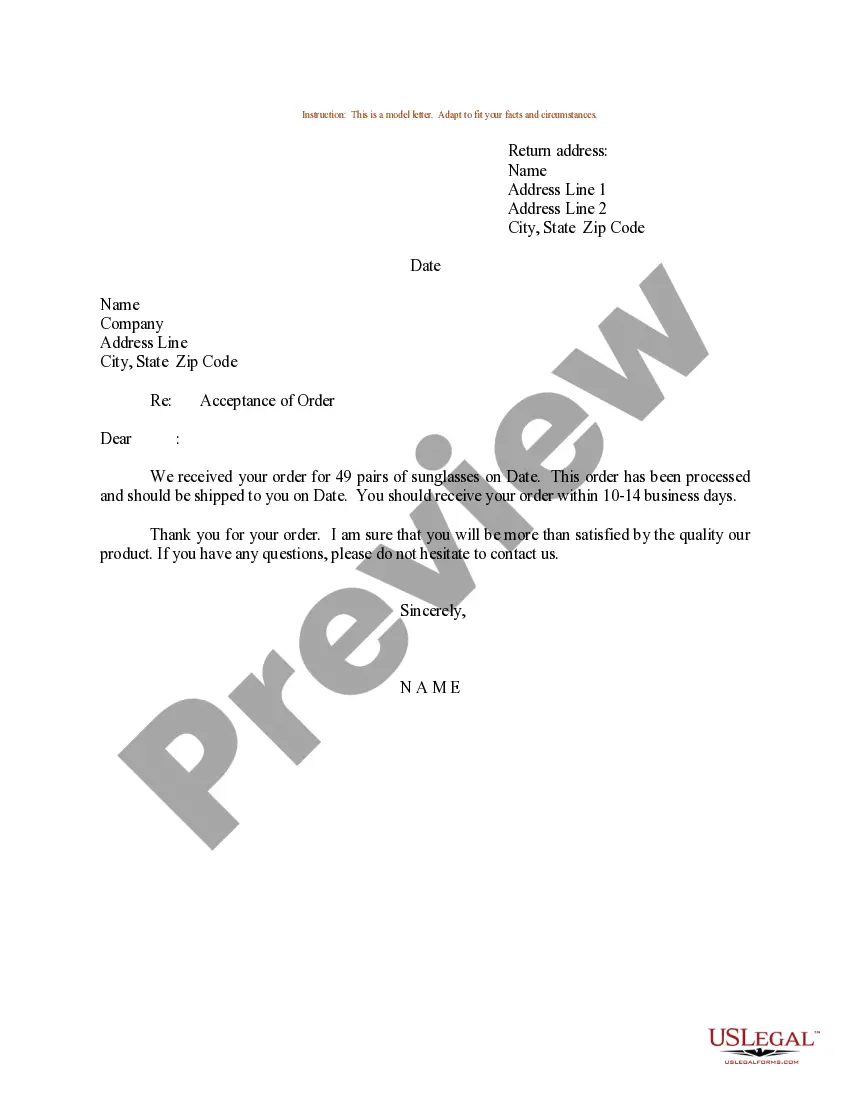
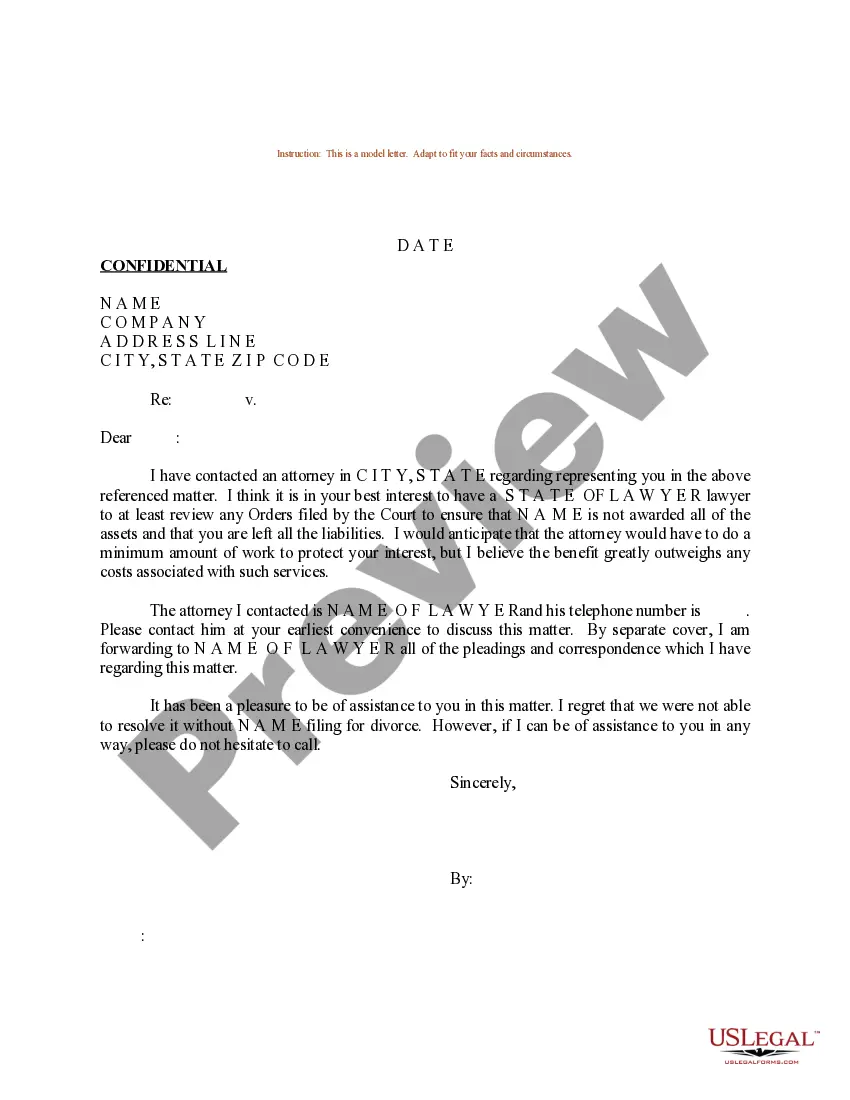
Texas State Bar Association Withdrawal Of Counsel In Orange
Description
Get your form ready online
Our built-in tools help you complete, sign, share, and store your documents in one place.
Make edits, fill in missing information, and update formatting in US Legal Forms—just like you would in MS Word.
Download a copy, print it, send it by email, or mail it via USPS—whatever works best for your next step.
Sign and collect signatures with our SignNow integration. Send to multiple recipients, set reminders, and more. Go Premium to unlock E-Sign.
If this form requires notarization, complete it online through a secure video call—no need to meet a notary in person or wait for an appointment.
We protect your documents and personal data by following strict security and privacy standards.

Make edits, fill in missing information, and update formatting in US Legal Forms—just like you would in MS Word.

Download a copy, print it, send it by email, or mail it via USPS—whatever works best for your next step.

Sign and collect signatures with our SignNow integration. Send to multiple recipients, set reminders, and more. Go Premium to unlock E-Sign.

If this form requires notarization, complete it online through a secure video call—no need to meet a notary in person or wait for an appointment.

We protect your documents and personal data by following strict security and privacy standards.
Looking for another form?










Form popularity
FAQ
Even if the matter is not pending before a tribunal, the ethics rules of most states provide that a lawyer cannot withdraw until he or she has taken reasonable steps to avoid foreseeable prejudice to the rights of his client, such as giving notice to the client, allowing time for employment of other counsel, delivering ...
An attorney may withdraw from representing a party only upon written motion for good cause shown.
Withdrawal is also permitted if the lawyer's services were misused in the past. The lawyer also may withdraw where the client insists on pursuing a repugnant or imprudent objective or one with which the lawyer has fundamental disagreement.
Under Rule 1.16(a), lawyers are required to either decline to represent a client, or to withdraw, when the representation would result in a violation of the rules of professional conduct or other law; the lawyer's physical or mental condition materially impairs their ability to represent client; or the lawyer has been ...
Withdrawal from representation, in United States law, occurs where an attorney terminates a relationship of representing a client.
Withdrawal of counsel refers to an attorney's decision to stop representing a client in a legal case. This can happen for various reasons, such as a conflict between the attorney and client over strategy or fees.
If your attorney's withdrawal is granted, you will need to seek new legal representation immediately. If you are facing a criminal case, it is critical to have a lawyer by your side as soon as possible.
If your attorney's withdrawal is granted, you will need to seek new legal representation immediately. If you are facing a criminal case, it is critical to have a lawyer by your side as soon as possible.
STATE BAR STAFF CONTACTS Telephone (800) 204-2222 or (512) 427-1463 and the extension number, as noted for each department, unless another telephone number is given.