California State Bar Office Of Admissions In Miami-Dade
Description
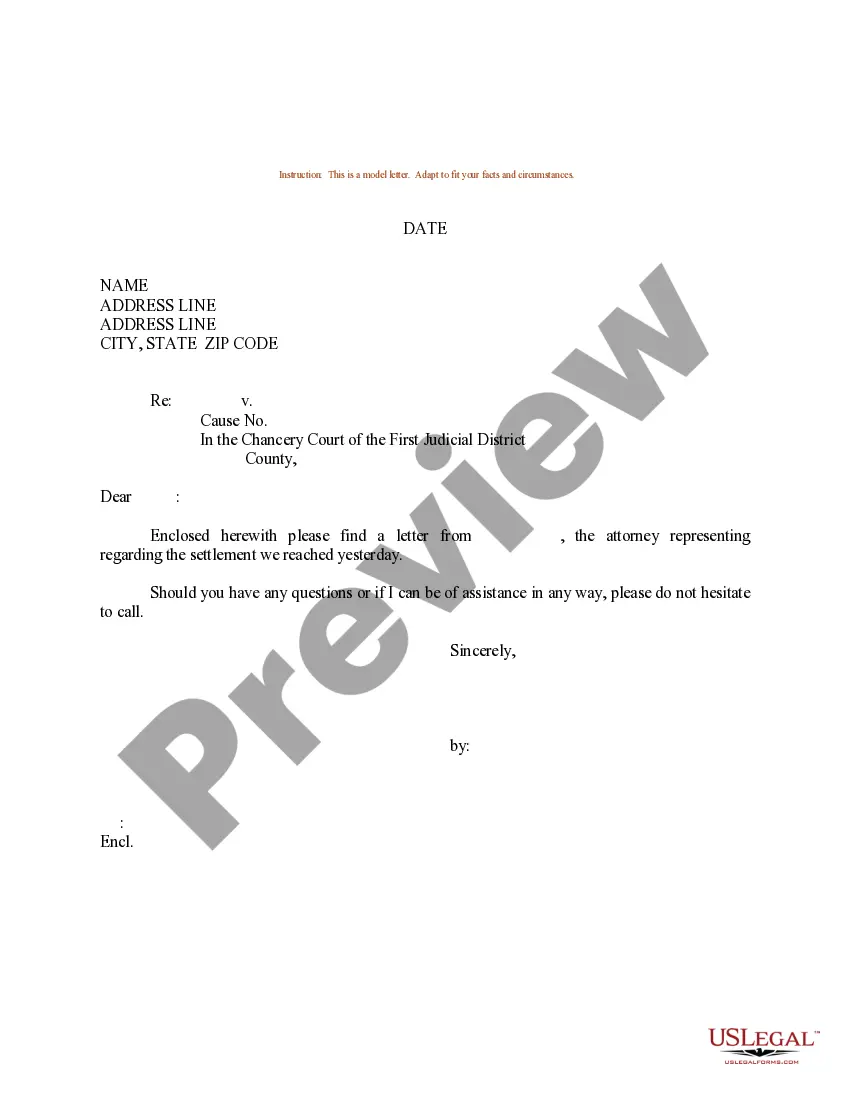
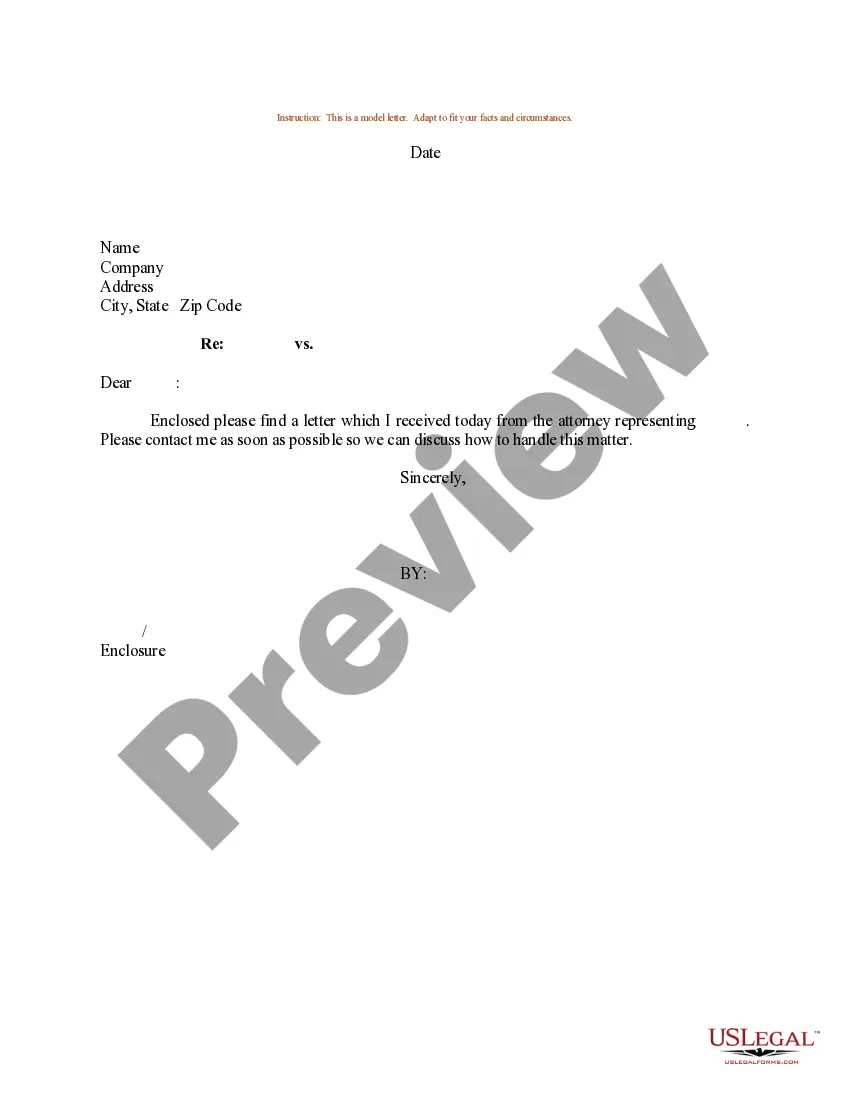
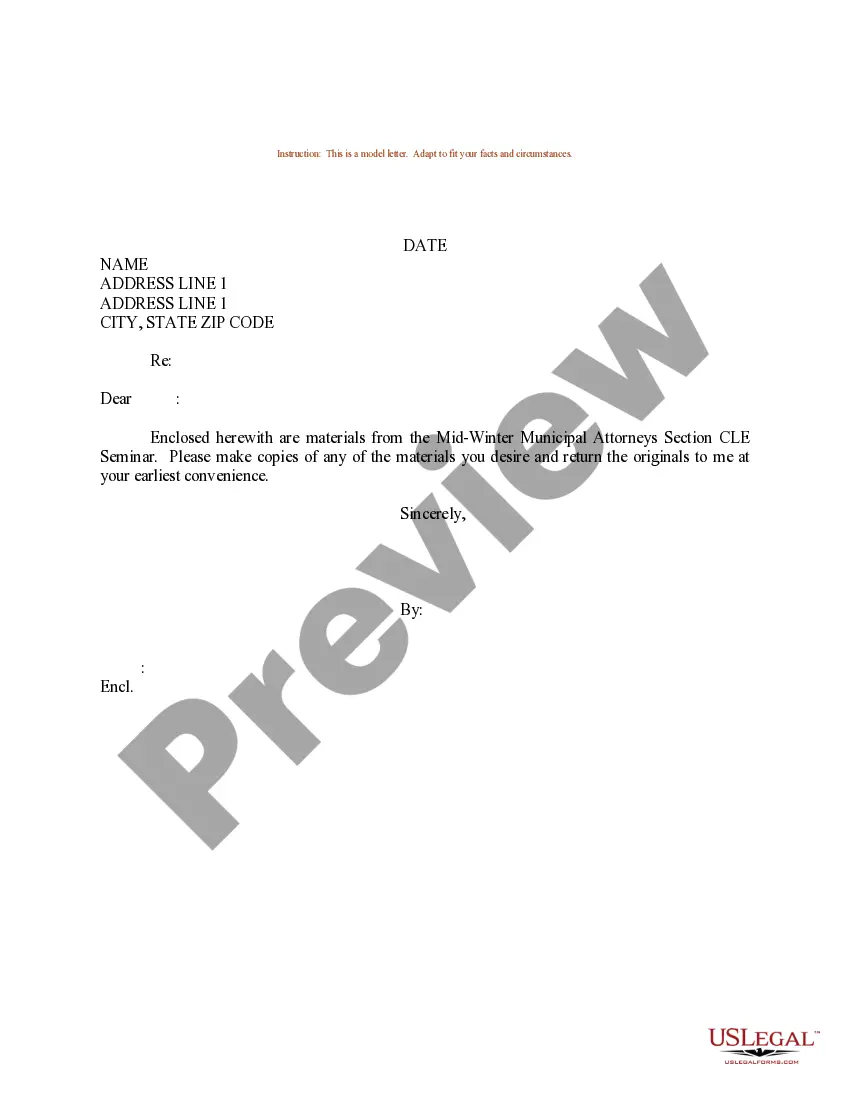
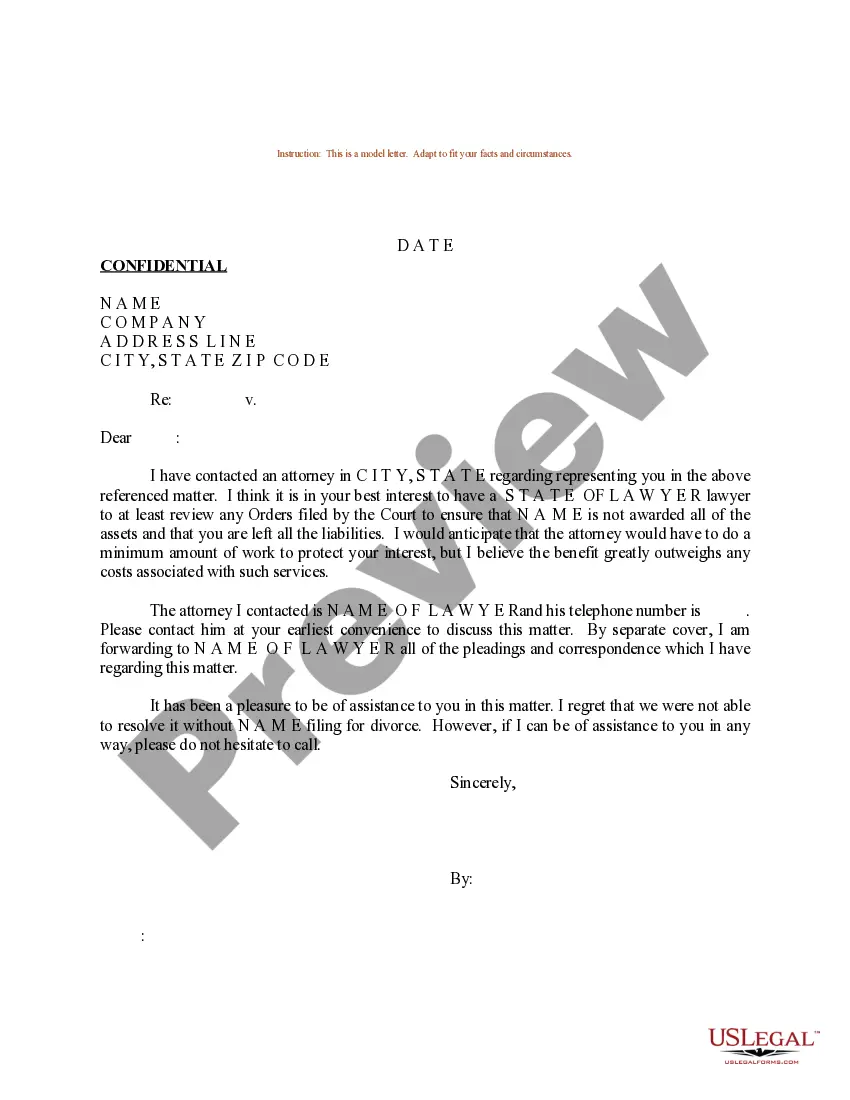
Get your form ready online
Our built-in tools help you complete, sign, share, and store your documents in one place.
Make edits, fill in missing information, and update formatting in US Legal Forms—just like you would in MS Word.
Download a copy, print it, send it by email, or mail it via USPS—whatever works best for your next step.
Sign and collect signatures with our SignNow integration. Send to multiple recipients, set reminders, and more. Go Premium to unlock E-Sign.
If this form requires notarization, complete it online through a secure video call—no need to meet a notary in person or wait for an appointment.
We protect your documents and personal data by following strict security and privacy standards.

Make edits, fill in missing information, and update formatting in US Legal Forms—just like you would in MS Word.

Download a copy, print it, send it by email, or mail it via USPS—whatever works best for your next step.

Sign and collect signatures with our SignNow integration. Send to multiple recipients, set reminders, and more. Go Premium to unlock E-Sign.

If this form requires notarization, complete it online through a secure video call—no need to meet a notary in person or wait for an appointment.

We protect your documents and personal data by following strict security and privacy standards.
Looking for another form?





Form popularity
FAQ
Not really. A California-licensed attorney may be granted temporary permission to practice law in another state for a specific case through pro hac vice admission. Be careful, however, pro hac vice practice has its limitations.
The short answer to this question is no – just because you are licensed to practice law in one state does not mean you can practice law in any state.
There is no reciprocity between Florida and any other jurisdiction. Submission to the Florida Bar Examination and completion of a character and fitness investigation is required of all applicants.
A practicing lawyer of another state may be permitted to practice as allowed by the Florida Rules of General Practice and Judicial Administration regarding foreign attorneys. That lawyer must also comply with this rule. (1)Application of Rules Regulating The Florida Bar.
There is no reciprocity between Florida and any other jurisdiction.
First, you will need to complete a 4-year undergraduate degree, followed by a 3-year law degree. After completing the law program, you will have to pass the Bar Examination and a Professional Ethics exam in Florida and pass a background check.
If your question is not addressed in the above FAQs, please email admissions@calbar.ca or call 213-765-1000 or 415-538-2300. You may also submit a general request in the Applicant Portal.
For the Office of Admissions to confirm your eligibility to take the California Bar Exam, you must mail an official sealed transcript(s) to the Office of Admissions at 845 S. Figueroa Street, Los Angeles, CA 90017 once you have completed your LLM studies. Please note that electronic transcripts will not be accepted.
View your application progress through your Admission Status Screen. Please contact us at admissions@calbar.ca or call 800-843-9053 if you have satisfied a requirement but it is not reflected in your Admission Status Screen.
Applicants who are already licensed to practice law in another state or jurisdiction must register as an attorney applicant, complete a positive moral character determination and pass the Multistate Professional Responsibility Examination as well as the California Bar Examination.

