California Bar And Restaurant In Kings
Description

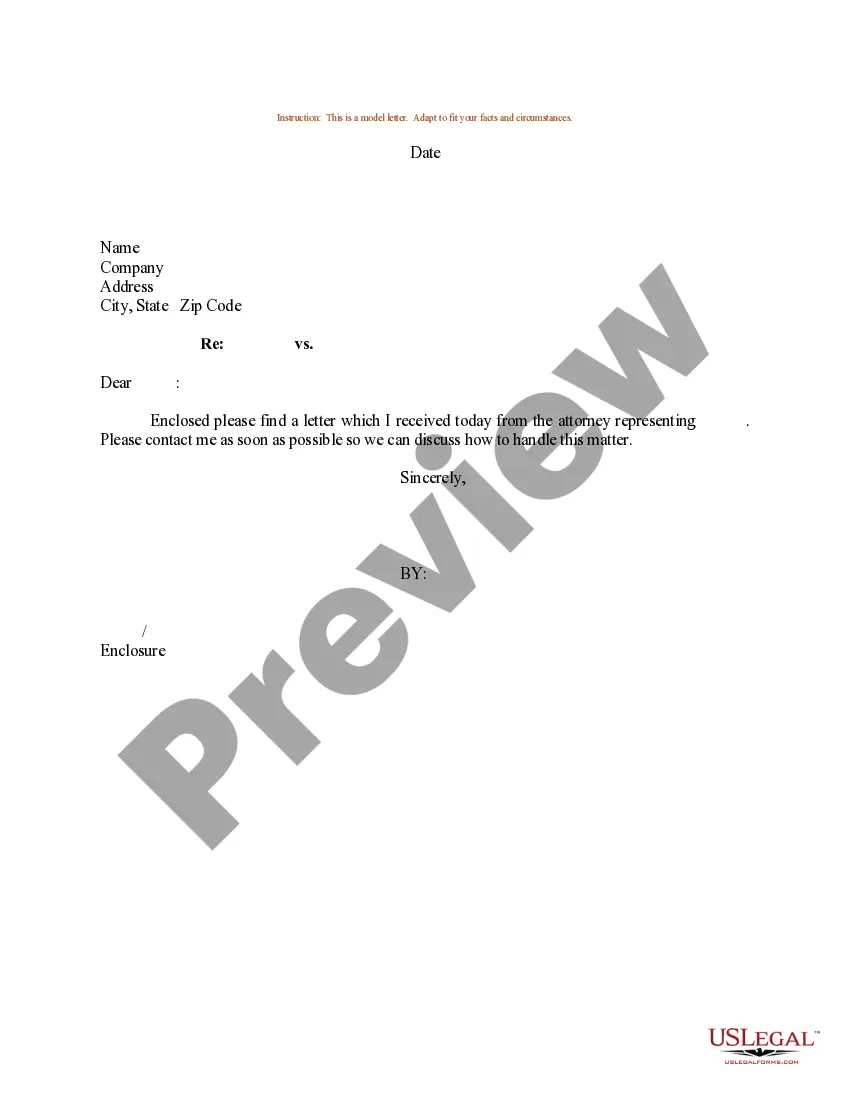

Get your form ready online
Our built-in tools help you complete, sign, share, and store your documents in one place.
Make edits, fill in missing information, and update formatting in US Legal Forms—just like you would in MS Word.
Download a copy, print it, send it by email, or mail it via USPS—whatever works best for your next step.
Sign and collect signatures with our SignNow integration. Send to multiple recipients, set reminders, and more. Go Premium to unlock E-Sign.
If this form requires notarization, complete it online through a secure video call—no need to meet a notary in person or wait for an appointment.
We protect your documents and personal data by following strict security and privacy standards.

Make edits, fill in missing information, and update formatting in US Legal Forms—just like you would in MS Word.

Download a copy, print it, send it by email, or mail it via USPS—whatever works best for your next step.

Sign and collect signatures with our SignNow integration. Send to multiple recipients, set reminders, and more. Go Premium to unlock E-Sign.

If this form requires notarization, complete it online through a secure video call—no need to meet a notary in person or wait for an appointment.

We protect your documents and personal data by following strict security and privacy standards.
Looking for another form?
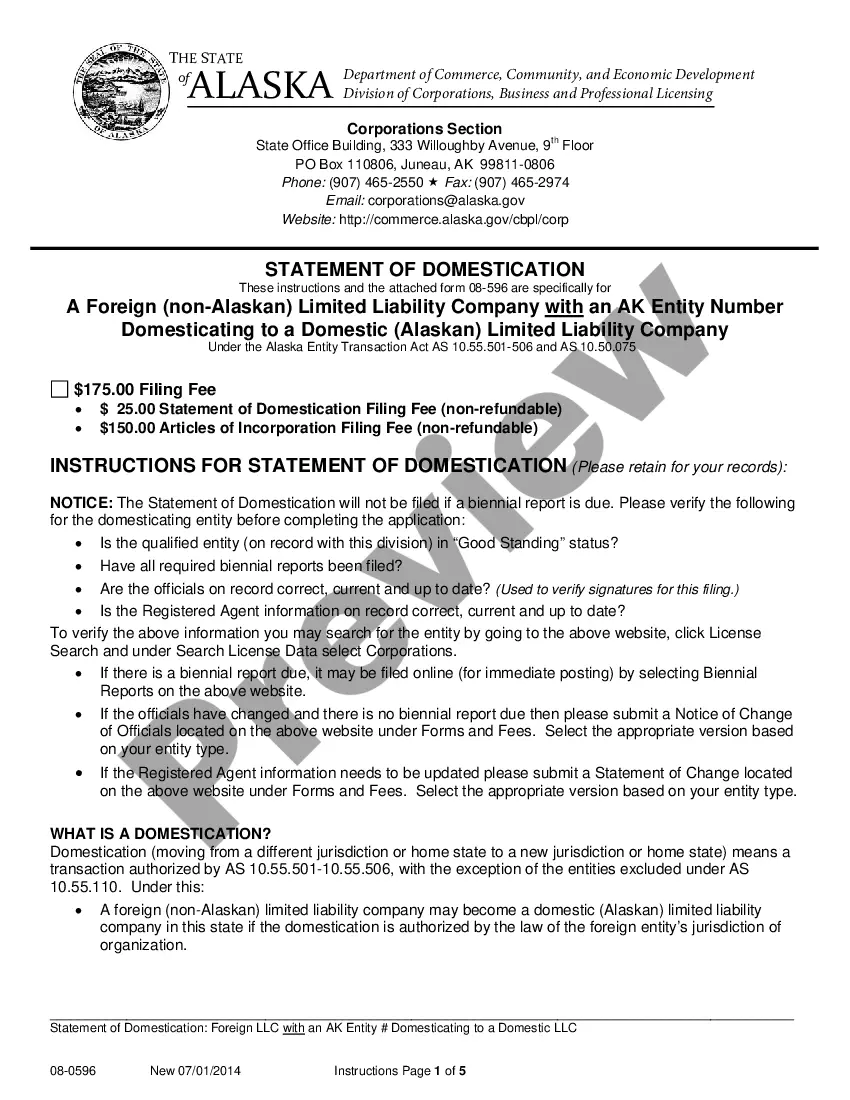






Form popularity
FAQ
Is The California Bar Exam Hard? Yes, the California bar exam is widely considered to be the most difficult of all state bar exams in the US. The California bar exam has a pass rate of 34%.
The highest score reported on the Uniform Bar Exam (UBE) is typically around 300, which is the maximum possible score. However, scores above 280 are considered exceptionally high and are rare. Individual jurisdictions may also have their own standards for passing scores, often ranging from 260 to 280.
The California Bar Exam has three (3) parts given over two (2) days: five (5) essay questions, the Multistate Bar Examination (MBE) and one (1) performance test.
The California bar exam has 2000 possible points. You need 1440 points to pass the California bar exam.
To pass the exam in the first phase of grading, an applicant must have a total scale score (after one reading) of at least 1390 out of 2000 possible points. Those with total scale scores after one reading below 1350 fail the exam.
While your study time, days and location are extremely flexible, passing the bar exam requires time and commitment. Plan on spending approximately 40 hours per week over 8-10 weeks studying for the bar exam. During the few weeks of bar prep, treat your studies like you would treat a new, important job.
A 4.0 is considered passing in Uniform Bar Exam jurisdictions that require a 266 to pass. A 4.1 is considered passing in Uniform Bar Exam jurisdictions that require a 273 to pass. A 4.2 is considered passing in Uniform Bar Exam jurisdictions that require a score of 280 to pass.
So, as a general rule, if you are answering somewhere between 60 and 67%, your MBE raw score is in the “passing zone” depending on the jurisdiction you are in.
For questions related to a moral character application, contact the Office of Admissions at moral.character@calbar.ca or 800-843-9053.
The California bar limits complaints for events that occurred within the last five years. The statute of limitations for legal malpractices is one year, generally from the time representation ends.
