State Bar Numbers For Attorneys In Florida
Description
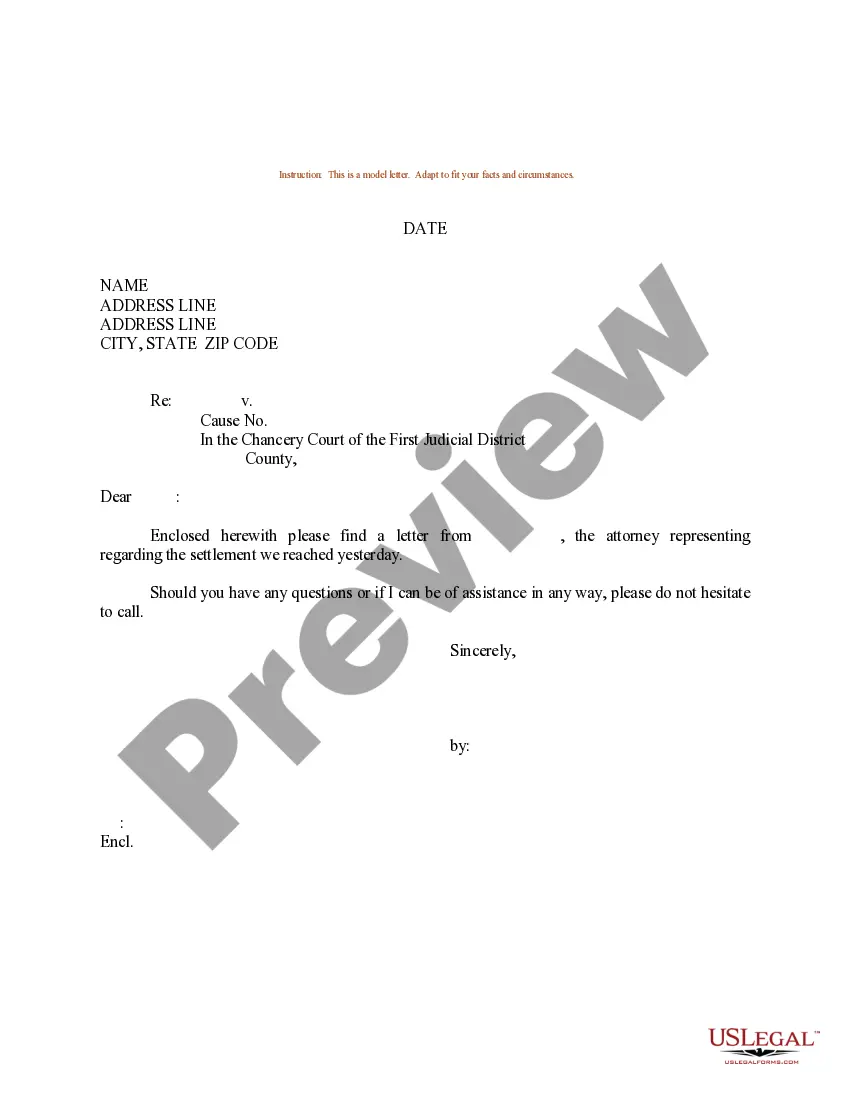
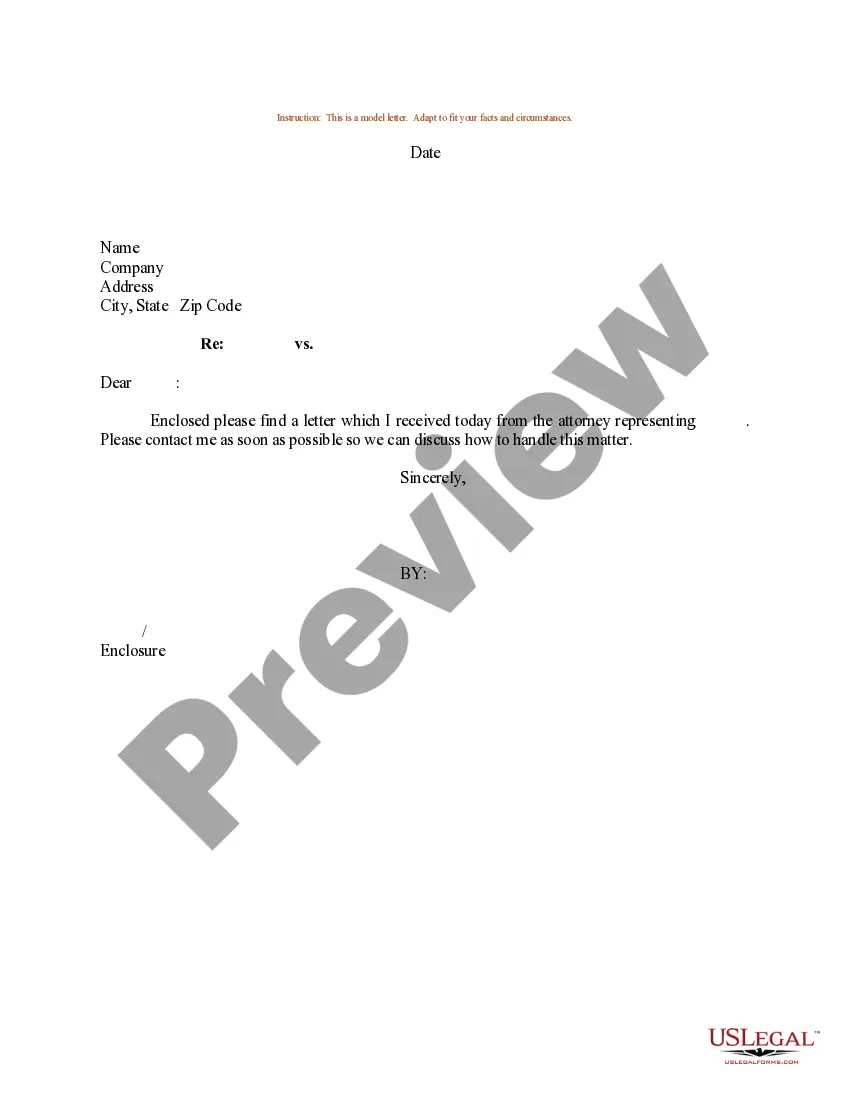
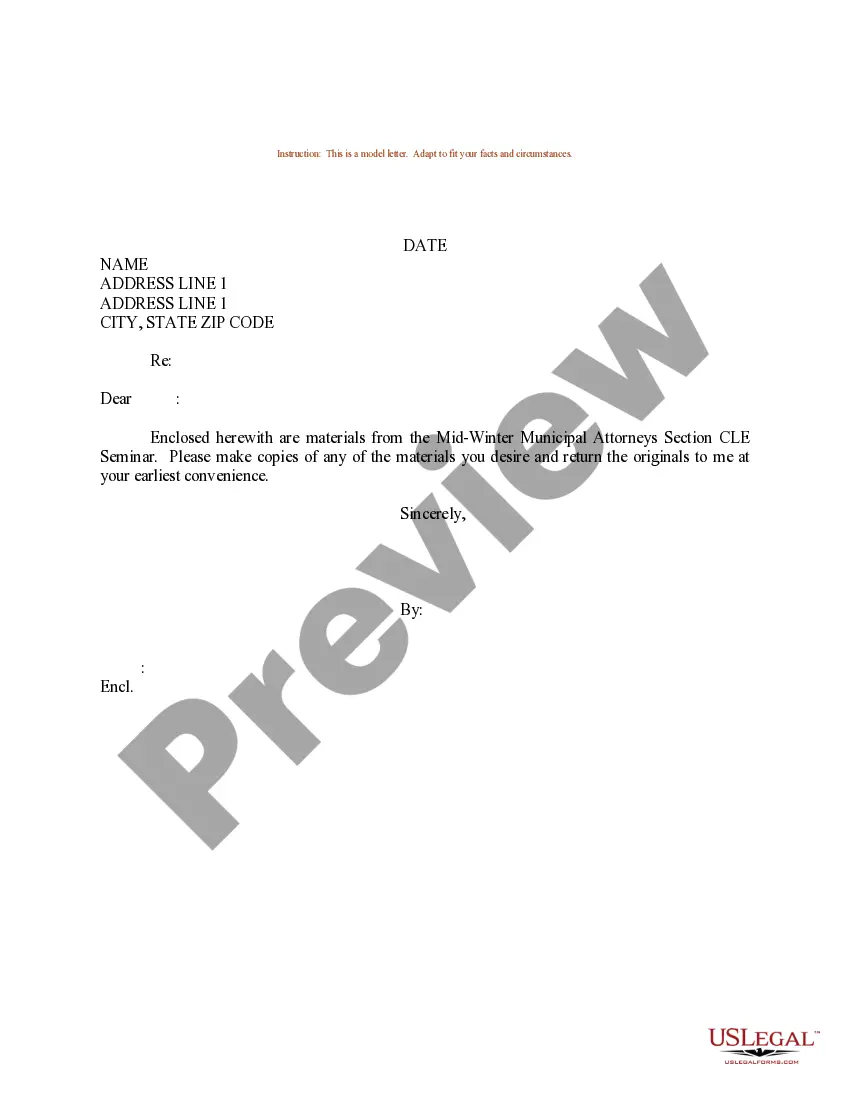
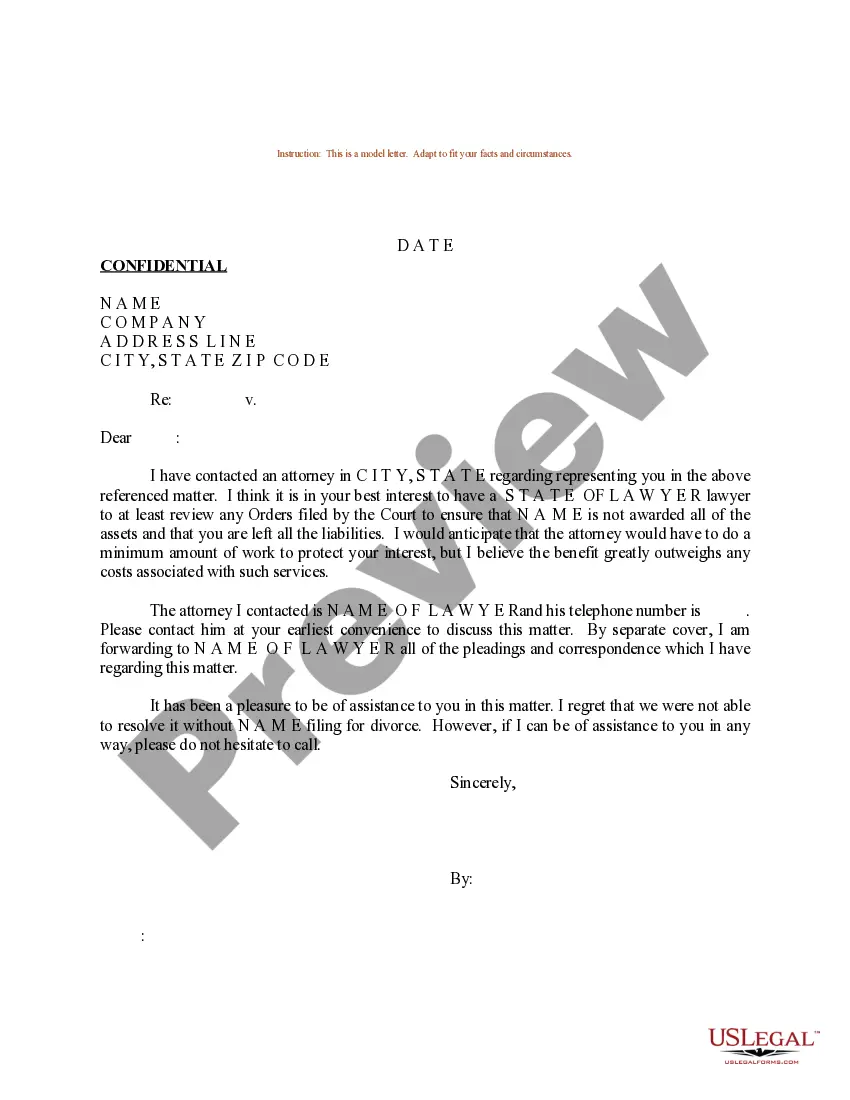
Get your form ready online
Our built-in tools help you complete, sign, share, and store your documents in one place.
Make edits, fill in missing information, and update formatting in US Legal Forms—just like you would in MS Word.
Download a copy, print it, send it by email, or mail it via USPS—whatever works best for your next step.
Sign and collect signatures with our SignNow integration. Send to multiple recipients, set reminders, and more. Go Premium to unlock E-Sign.
If this form requires notarization, complete it online through a secure video call—no need to meet a notary in person or wait for an appointment.
We protect your documents and personal data by following strict security and privacy standards.

Make edits, fill in missing information, and update formatting in US Legal Forms—just like you would in MS Word.

Download a copy, print it, send it by email, or mail it via USPS—whatever works best for your next step.

Sign and collect signatures with our SignNow integration. Send to multiple recipients, set reminders, and more. Go Premium to unlock E-Sign.

If this form requires notarization, complete it online through a secure video call—no need to meet a notary in person or wait for an appointment.

We protect your documents and personal data by following strict security and privacy standards.
Looking for another form?










Form popularity
FAQ
Filing a Complaint Each state has a bar association that regulates lawyers and their conduct. Any complaints should be addressed to your state's bar association. Most will have a complaint form on their website and guidance on how to fill it out.
Attorneys, lawyers, and counsel have all been educated and trained in law. As explained above, attorneys must pass the bar exam and practice law in court. Lawyers have also taken the bar exam, and may or may not practice law. Counsels provide legal advice, and often work for an organization or corporation.
If someone says they are a lawyer, ask which state they have a license in. Then, contact the state bar association to make sure they are allowed to work in that state.
Most states provide the attorney's bar number, but some do not. In a few states, the state does not issue a bar license number.
Attorneys are required to put their bar number on pleadings they file with courts, but are not required to put them on their websites, business cards or anything else. If you want to know, just ask. Most attorneys will tell you.
You will also receive TFB new member communication via physical mail within 7-10 business days of the emailed communication. Both of these communications will include your new bar number, information on accessing your Member Portal, Continuing Legal Education, the Young Lawyers Division and available Bar resources.
Rule 4-4.2, Rules of Professional Conduct, provides that, in representing a client, a lawyer cannot communicate with a person the lawyer knows to be represented by another lawyer in the matter unless the other lawyer gives consent.
Each database provides different types of information, including the attorney's name, address, phone number, email address, education, area of practice or specialty, and years in practice. Most states provide the attorney's bar number, but some do not. In a few states, the state does not issue a bar license number.
Disbarment, also known as striking off, is the removal of a lawyer from a bar association or the practice of law, thus revoking their law license or admission to practice law. Disbarment is usually a punishment for unethical or criminal conduct but may also be imposed for incompetence or incapacity.
Rule 4-4.2, Rules of Professional Conduct, provides that, in representing a client, a lawyer cannot communicate with a person the lawyer knows to be represented by another lawyer in the matter unless the other lawyer gives consent.

