Nebraska Bar Association Form 990 In Cuyahoga
Description

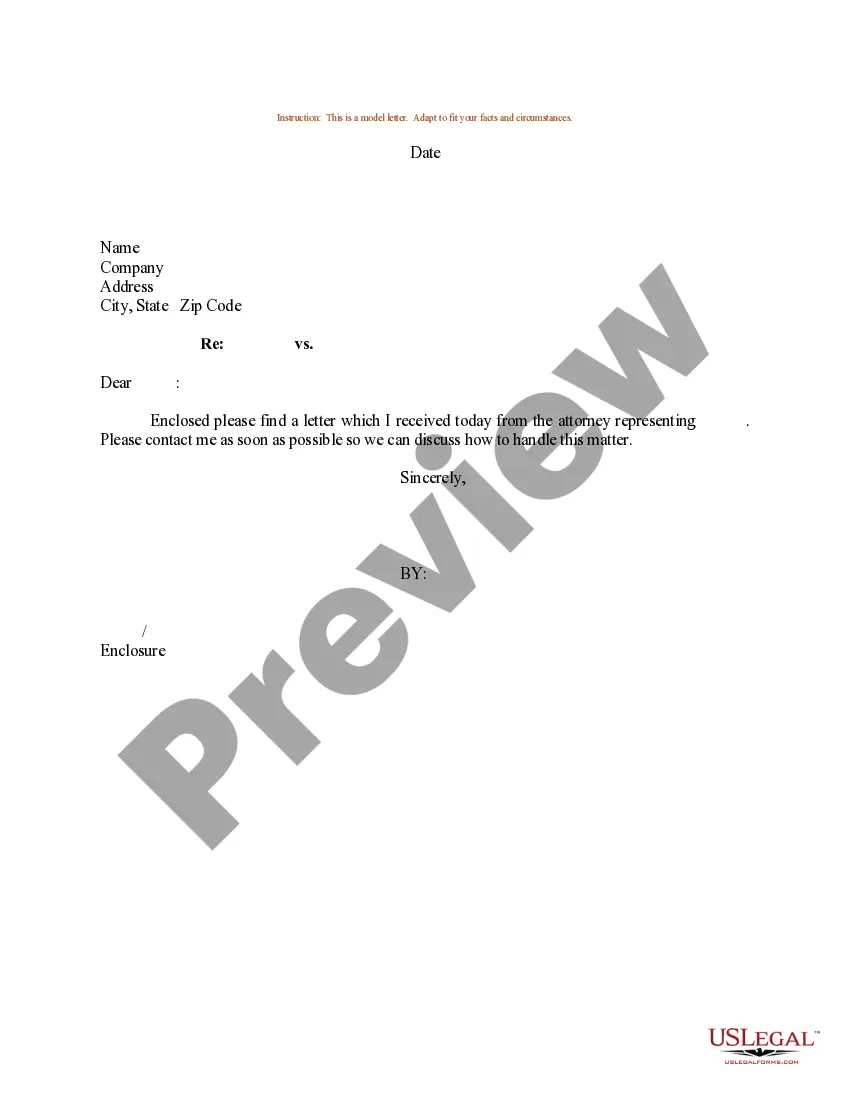
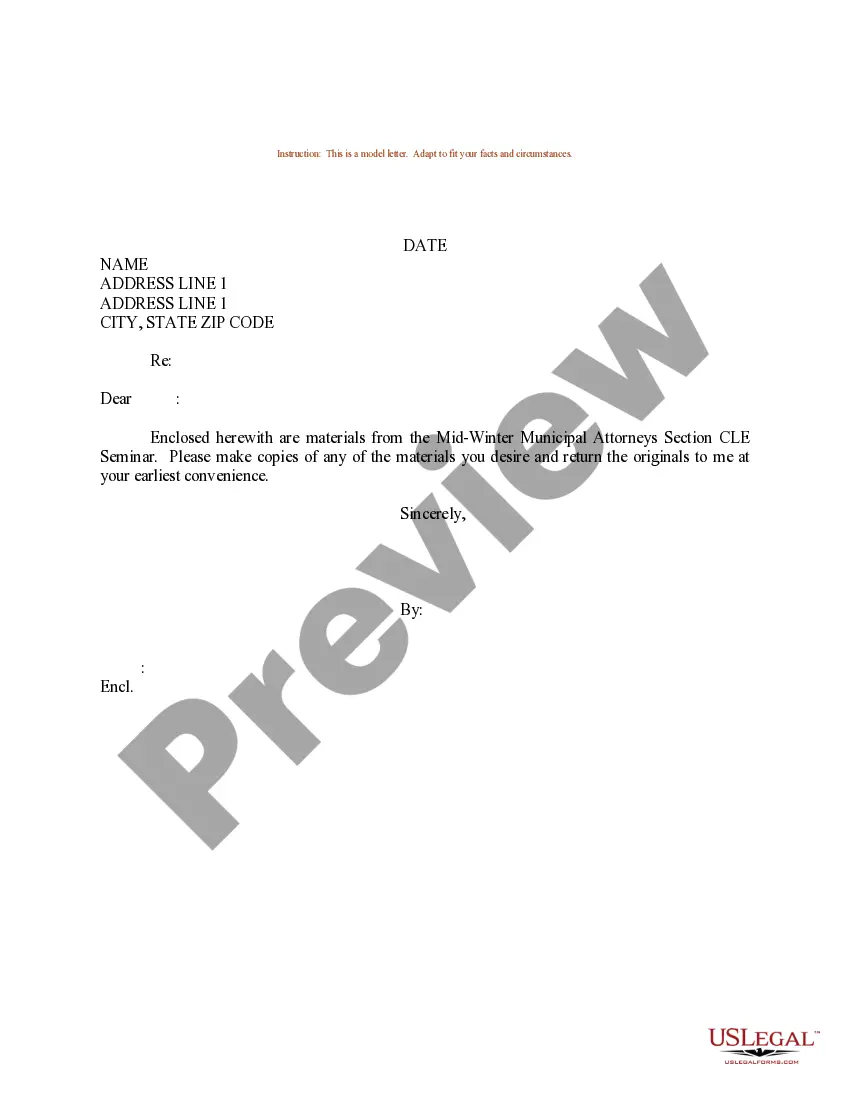

Get your form ready online
Our built-in tools help you complete, sign, share, and store your documents in one place.
Make edits, fill in missing information, and update formatting in US Legal Forms—just like you would in MS Word.
Download a copy, print it, send it by email, or mail it via USPS—whatever works best for your next step.
Sign and collect signatures with our SignNow integration. Send to multiple recipients, set reminders, and more. Go Premium to unlock E-Sign.
If this form requires notarization, complete it online through a secure video call—no need to meet a notary in person or wait for an appointment.
We protect your documents and personal data by following strict security and privacy standards.

Make edits, fill in missing information, and update formatting in US Legal Forms—just like you would in MS Word.

Download a copy, print it, send it by email, or mail it via USPS—whatever works best for your next step.

Sign and collect signatures with our SignNow integration. Send to multiple recipients, set reminders, and more. Go Premium to unlock E-Sign.

If this form requires notarization, complete it online through a secure video call—no need to meet a notary in person or wait for an appointment.

We protect your documents and personal data by following strict security and privacy standards.
Looking for another form?







Form popularity
FAQ
Tax-exempt organizations must make annual returns and exemption applications filed with the IRS available for public inspection and copying upon request. In addition, the IRS makes these documents available.
An exempt organization must make available for public inspection its annual information return (e.g., Form 990, Form 990-EZ). Returns must be available for a three-year period beginning with the due date of the return (including any extension of time for filing) or, if later, the date it is actually filed.
How will the public get access to information we reported on Form 990-N? The public can search for organizations that have filed an e-Postcard and view their filings using the Tax Exempt Organization Search tool. You can also download the entire database of e-Postcard filings on that site.
Exempt organizations must allow for public inspection and copying of their exemption applications, determination letters, and annual returns. The IRS also makes these documents available for public inspection and copying.
The IRS website is one of the most comprehensive sources for nonprofit tax returns. The Tax Exempt Organization Search is an IRS 501(c)(3) search tool where you can search by nonprofit tax ID, name, or location to find: Form 990 series returns.
Forms 990, Return of Organization Exempt from Income Tax, and 990-PF, Return of Private Foundation or Section 4947(a)(1) Trust Treated as Private Foundation, for tax years ending July 31, 2020 and later MUST be filed electronically.
The 990 is a public document that you can search for on the websites for the Secretary of State or the Attorney General where the organization is incorporated. In addition, 990s are available from a variety of open source and subscription sources. You may also request them from an organization or from the IRS.
An activity is presumed for profit if it makes a profit in at least three of the last five tax years, including the current year (or at least two of the last seven years for activities that consist primarily of breeding, showing, training or racing horses).
The 990 is a public document that you can search for on the websites for the Secretary of State or the Attorney General where the organization is incorporated. In addition, 990s are available from a variety of open source and subscription sources. You may also request them from an organization or from the IRS.
In the case of an individual, the miscellaneous itemized deductions for any taxable year shall be allowed only to the extent that the aggregate of such deductions exceeds 2 percent of adjusted gross income.

