California State Bar Rules Of Professional Conduct In Cook
Description
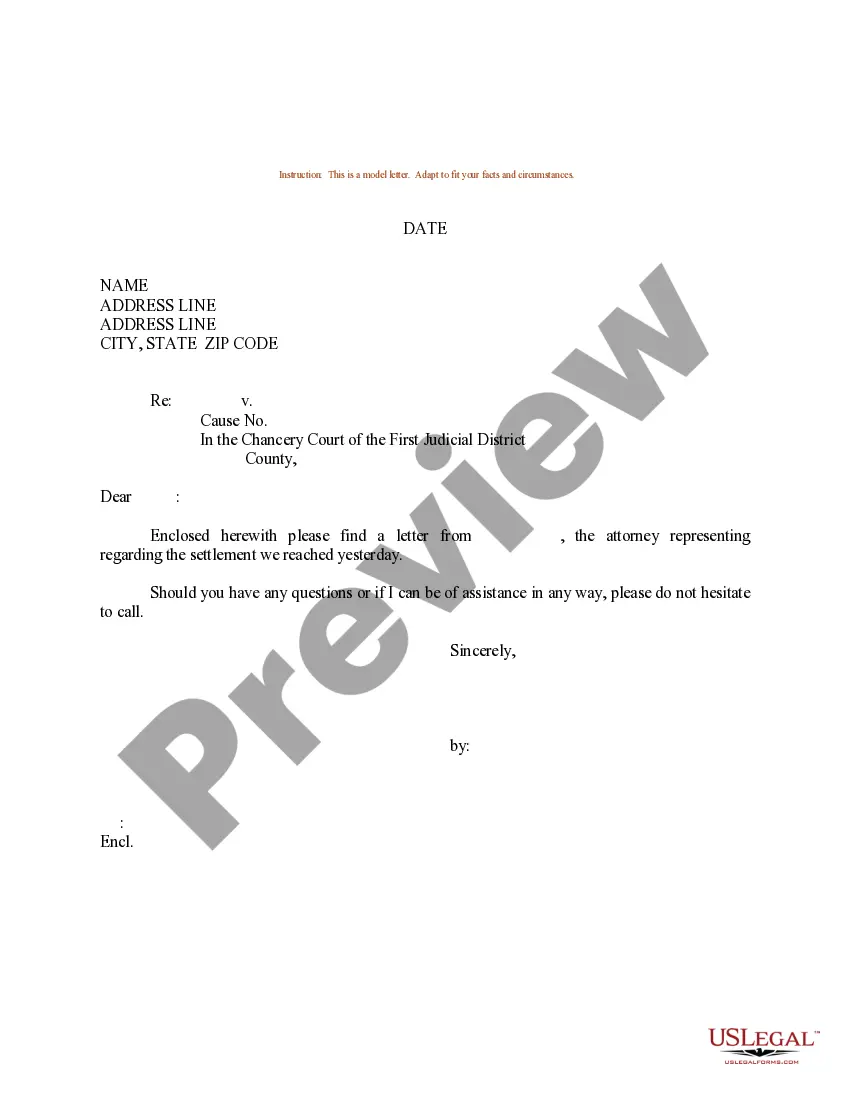
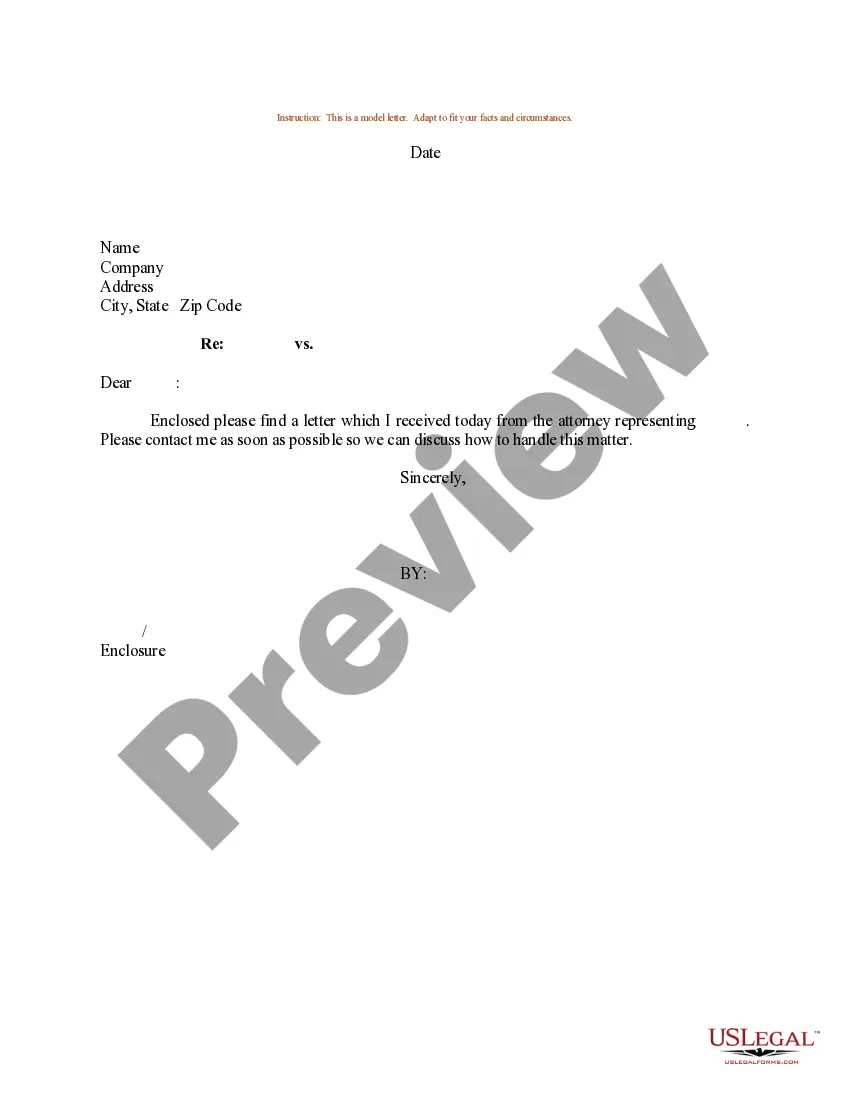
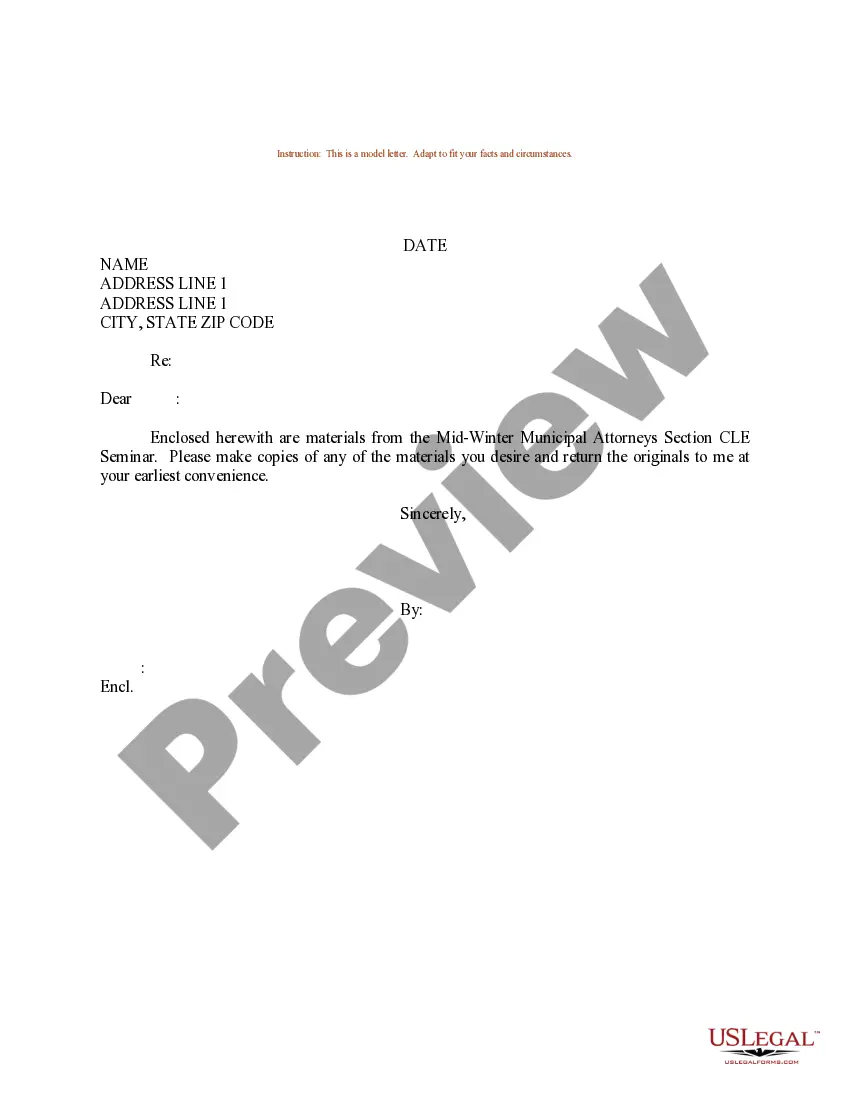
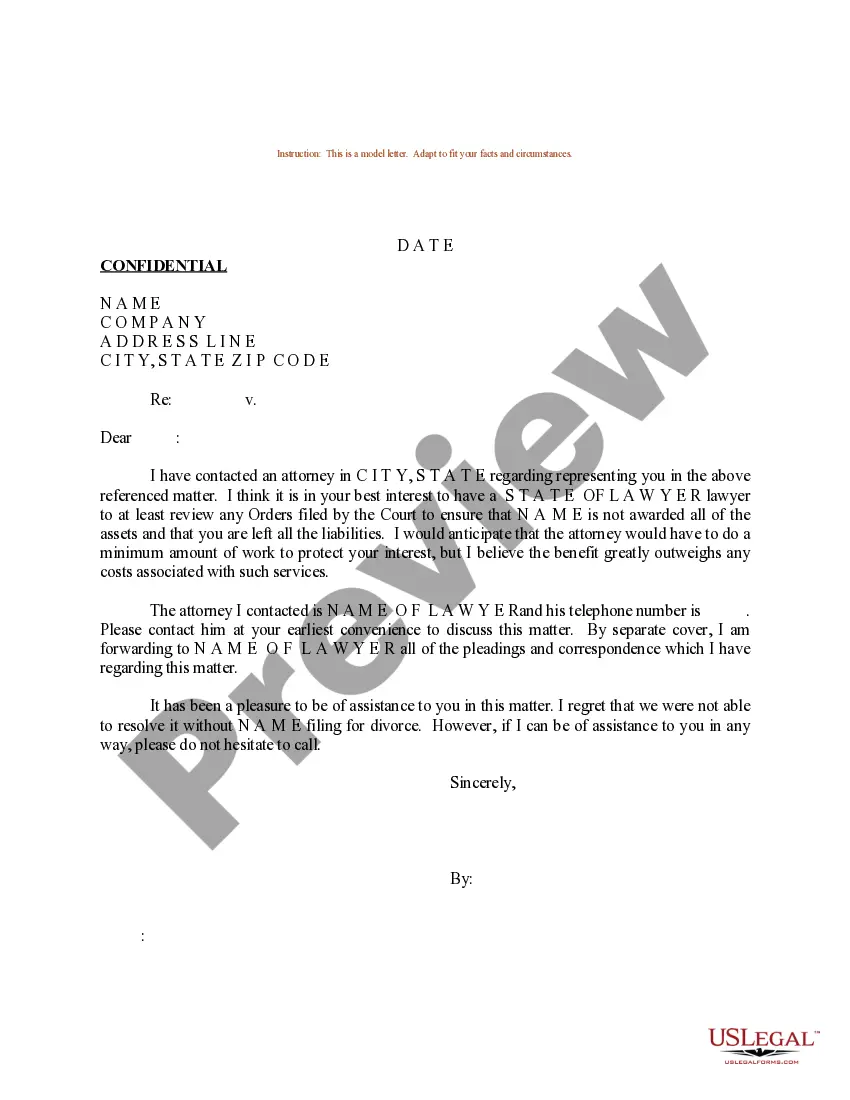
Get your form ready online
Our built-in tools help you complete, sign, share, and store your documents in one place.
Make edits, fill in missing information, and update formatting in US Legal Forms—just like you would in MS Word.
Download a copy, print it, send it by email, or mail it via USPS—whatever works best for your next step.
Sign and collect signatures with our SignNow integration. Send to multiple recipients, set reminders, and more. Go Premium to unlock E-Sign.
If this form requires notarization, complete it online through a secure video call—no need to meet a notary in person or wait for an appointment.
We protect your documents and personal data by following strict security and privacy standards.

Make edits, fill in missing information, and update formatting in US Legal Forms—just like you would in MS Word.

Download a copy, print it, send it by email, or mail it via USPS—whatever works best for your next step.

Sign and collect signatures with our SignNow integration. Send to multiple recipients, set reminders, and more. Go Premium to unlock E-Sign.

If this form requires notarization, complete it online through a secure video call—no need to meet a notary in person or wait for an appointment.

We protect your documents and personal data by following strict security and privacy standards.
Looking for another form?









Form popularity
FAQ
Rule 8.2 Judicial Officials (a) A lawyer shall not make a statement of fact that the lawyer knows to be false or with reckless disregard as to its truth or falsity concerning the qualifications or integrity of a judge or judicial officer, or of a candidate for election or appointment to judicial office.
To further enhance accountability and ensure ethical behavior, a new rule has been introduced by the California State Bar: Rule of Professional Conduct 8.3. Effective August 1, 2023, this rule mandates lawyers to report credible evidence of certain conduct exhibited by other lawyers.
They have been adopted by the Board of Trustees and approved by the California Supreme Court pursuant to statute to protect the public and to promote respect and confidence in the legal profession. The rules and any related standards adopted by the Board are binding on all attorneys licensed by the State Bar.
Rule 4.1 Truthfulness in Statements to Others (b) fail to disclose a material fact to a third person when disclosure is necessary to avoid assisting a criminal or fraudulent act by a client, unless disclosure is prohibited by Business and Professions Code section 6068, subdivision (e)(1) or rule 1.6.
(A) A member shall not intentionally, recklessly, or repeatedly fail to perform legal services with competence.
Attorneys have an ethical obligation to promptly return a former client's papers and property upon a client's request when representation ends. After a brief representation, that duty may sound simple enough.
In California, qualified applicants can take the bar exam without going to law school. Most law schools require a college degree, but some may only ask for equivalent course work, and some law schools focus on your legal interest and life experiences and not on your grades or LSAT scores.
To further enhance accountability and ensure ethical behavior, a new rule has been introduced by the California State Bar: Rule of Professional Conduct 8.3. Effective August 1, 2023, this rule mandates lawyers to report credible evidence of certain conduct exhibited by other lawyers.
Has anyone passed the bar exam in California without completing law school? Yes. California is one of four U.S. states that will allow you to sit for a bar exam without a law degree. In the past five years, 12 people have passed the California bar exam without completing law school.
Cannot Practice Law in Another State: If a person completes a state's program of taking the bar without going to law school, they can only practice law in that state. This route limits a person from practicing law in any other state in the country. 2.

