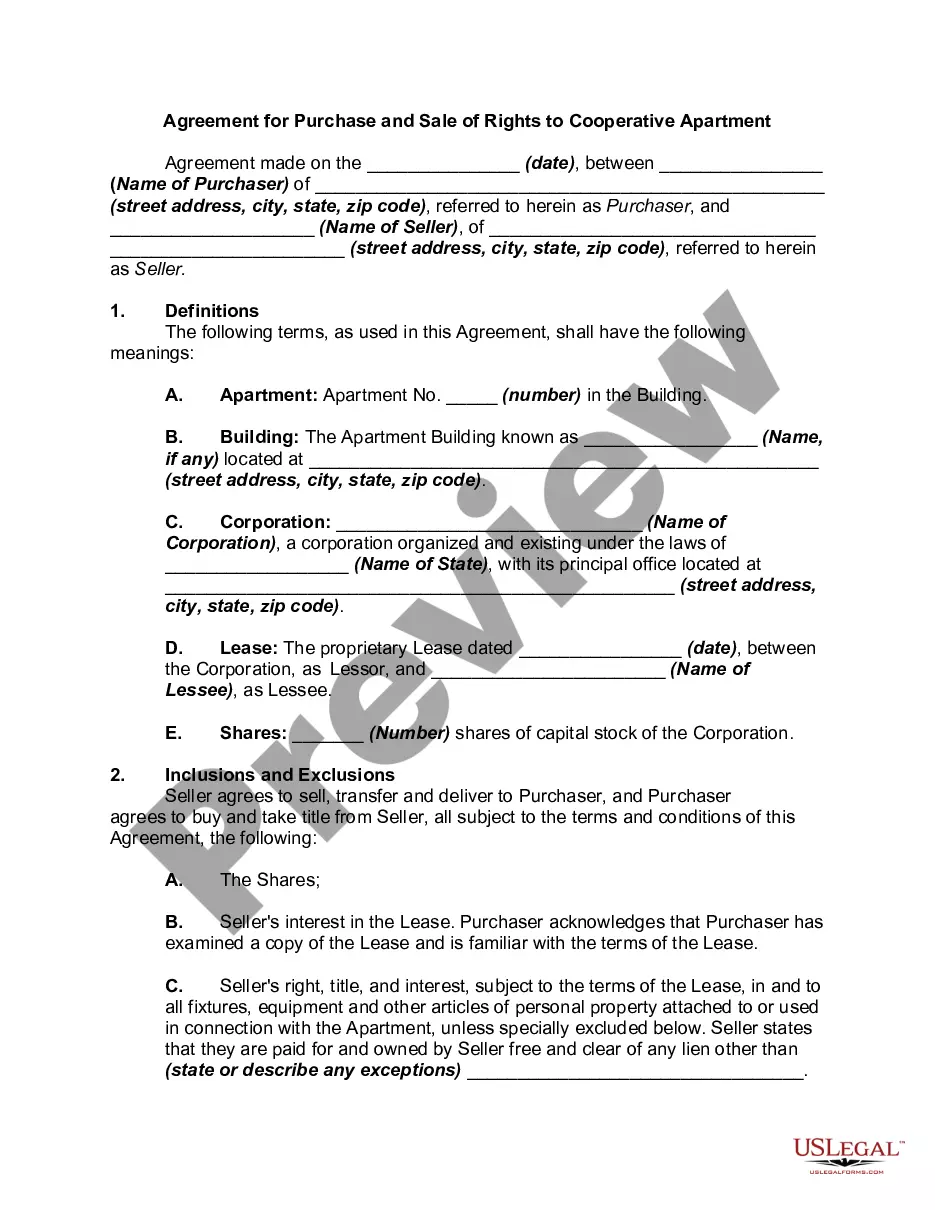
Cooperative Agreement For In Nassau
Description


Get your form ready online
Our built-in tools help you complete, sign, share, and store your documents in one place.
Make edits, fill in missing information, and update formatting in US Legal Forms—just like you would in MS Word.
Download a copy, print it, send it by email, or mail it via USPS—whatever works best for your next step.
Sign and collect signatures with our SignNow integration. Send to multiple recipients, set reminders, and more. Go Premium to unlock E-Sign.
If this form requires notarization, complete it online through a secure video call—no need to meet a notary in person or wait for an appointment.
We protect your documents and personal data by following strict security and privacy standards.

Make edits, fill in missing information, and update formatting in US Legal Forms—just like you would in MS Word.

Download a copy, print it, send it by email, or mail it via USPS—whatever works best for your next step.

Sign and collect signatures with our SignNow integration. Send to multiple recipients, set reminders, and more. Go Premium to unlock E-Sign.

If this form requires notarization, complete it online through a secure video call—no need to meet a notary in person or wait for an appointment.

We protect your documents and personal data by following strict security and privacy standards.
Looking for another form?









Form popularity
FAQ
A cooperative agreement is a hybrid between a contract and a grant. While its purpose is typically similar to a grant in that it focuses on increased scientific knowledge, the sponsor takes a more active role as a partner to the research, rather than just a funder.
Regardless of the specific content, ensure your agreements always contain the following from a structural perspective: The purpose of the cooperation. Details of all parties. Details of the cooperation. Duties of all parties. Payment structure. Term and termination. Confidentiality clause.
A cooperative agreement is a hybrid between a contract and a grant. While its purpose is typically similar to a grant in that it focuses on increased scientific knowledge, the sponsor takes a more active role as a partner to the research, rather than just a funder.
Two or more organizations combine their requirements and solicit bids or offers for goods or services. One or more organizations represent their requirements and include an option for other organizations to “ride” or “bridge” the contract as awarded.
Cooperation Agreements. Introduction. A Cooperation Agreement is a contract by which two or more parties commit to work together in one or more areas of business activity, usually regarding a specific product or business service.
Ing to the Co-operative Societies (Amended) Act, 1985, a group of people of a Community or village numbering seven (7) or more and are 18 years or older can form a Co-operative Society. 2. The group then must organize a meeting and must be attended by seven (7) or more people.
A contract is an agreement, but an agreement is not always a contract. An agreement can be informal or it may be written; a contract may be verbal or written, but a contract will always be enforceable if it contains certain requirements.
A cooperative agreement is a hybrid between a contract and a grant. While its purpose is typically similar to a grant in that it focuses on increased scientific knowledge, the sponsor takes a more active role as a partner to the research, rather than just a funder.
Strategic alliances are cooperative agreements between potential or actual competitors. The term is often used to embrace a variety of agreements between actual or potential competitors including cross-shareholding deals, licensing arrangements, formal joint ventures, and informal cooperative arrangements.
Requirements for Companies to Be FAR Compliant The FAR applies to companies with U.S. federal contracts or subcontracts for goods and services (other than commercial off-the-shelf items) to be acquired outside the U.S. with an estimated value of more than $500,000 USD.
