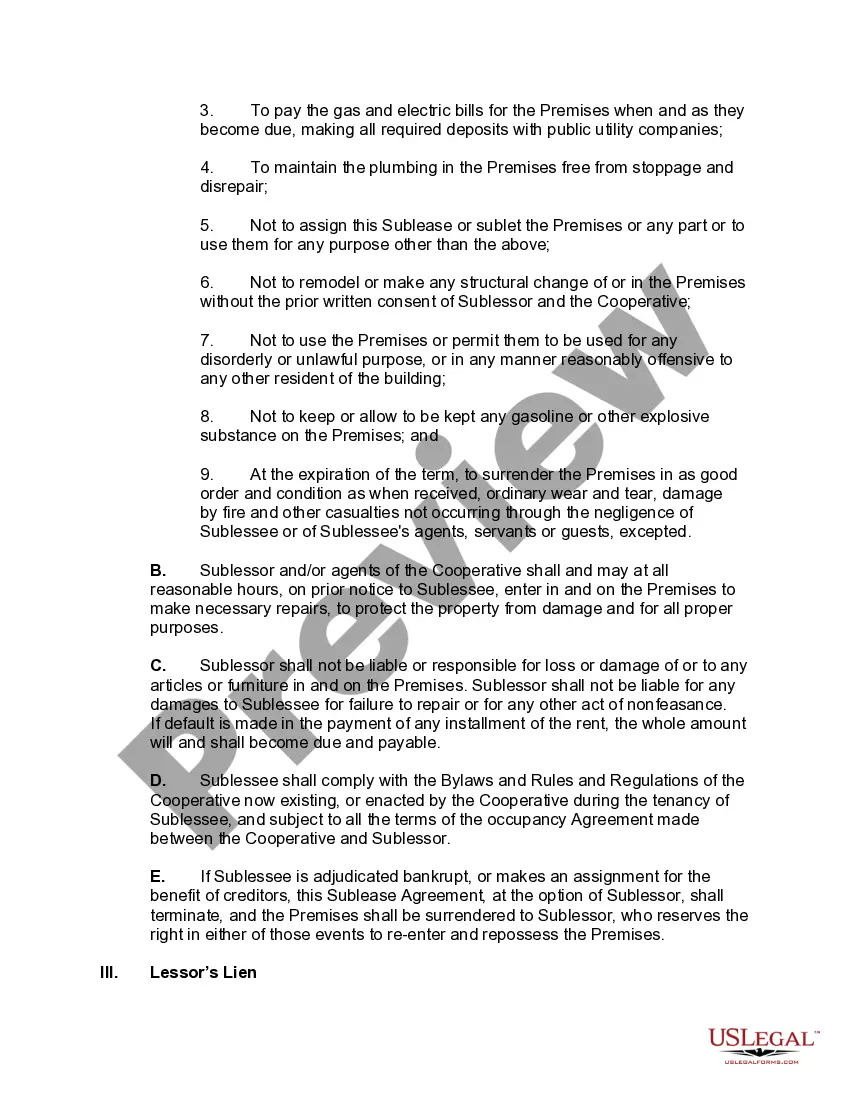
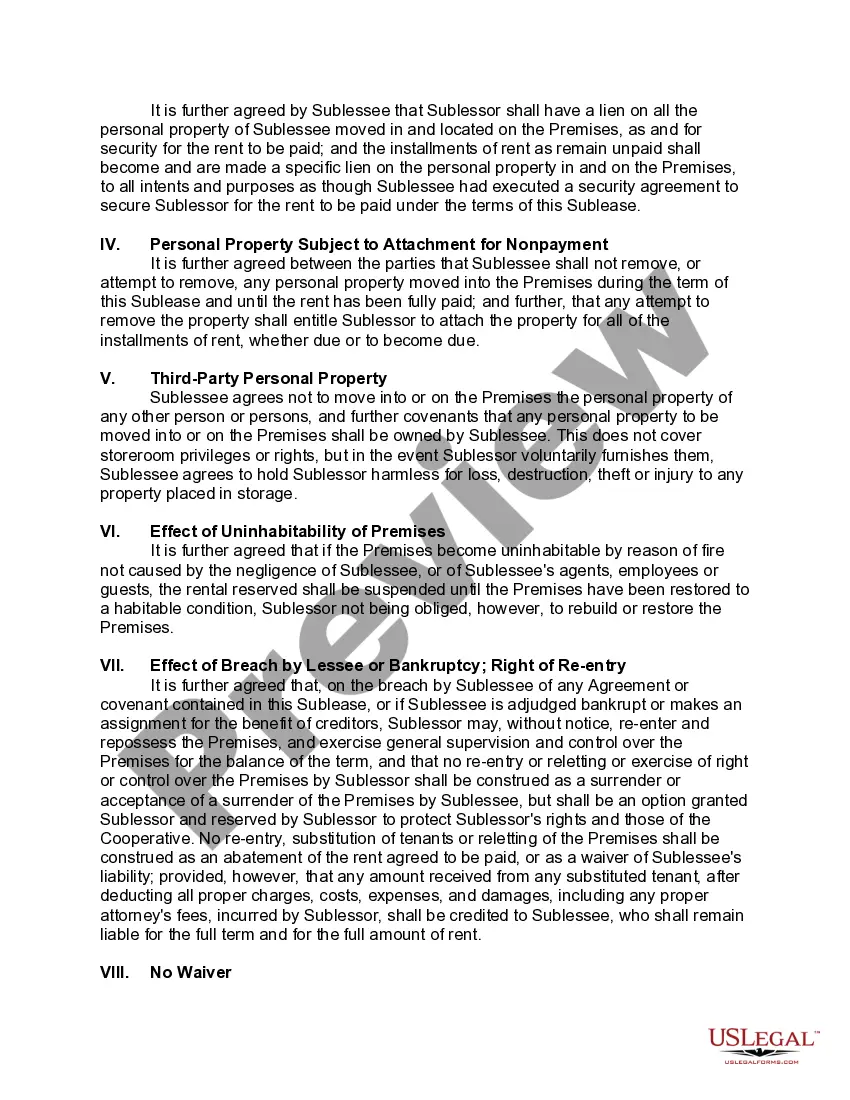
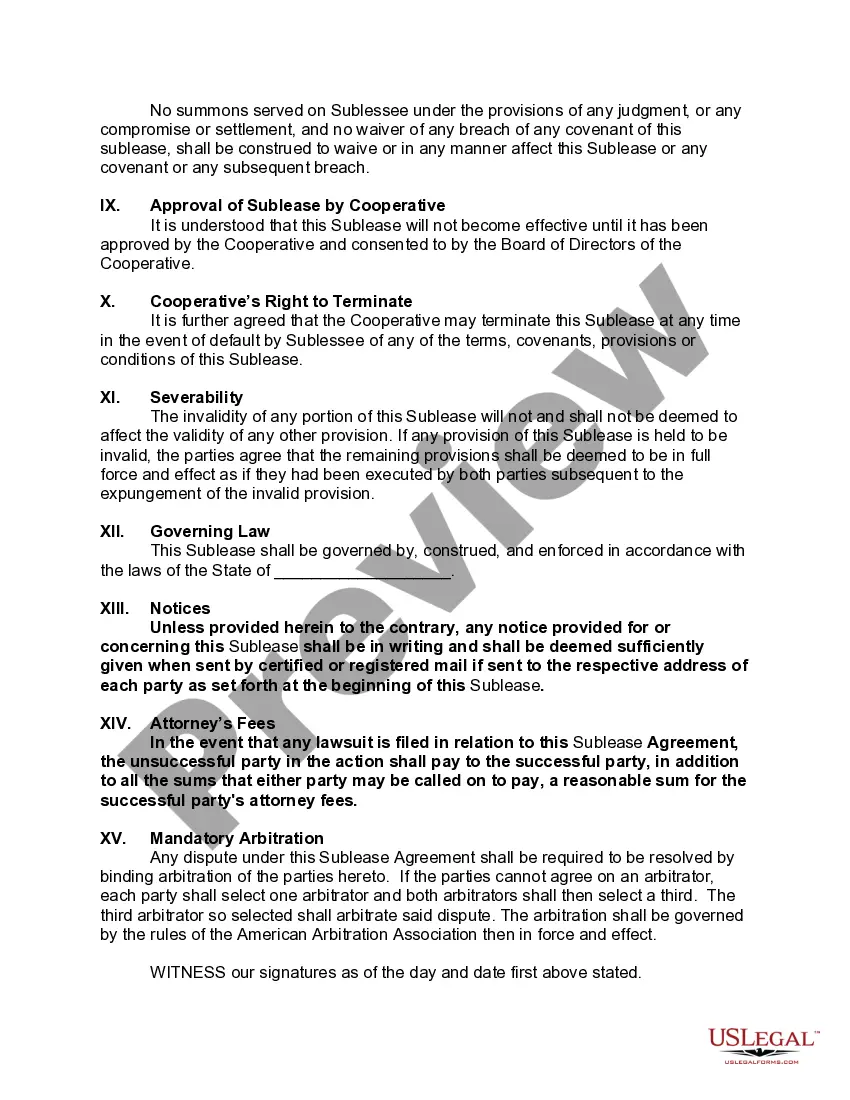
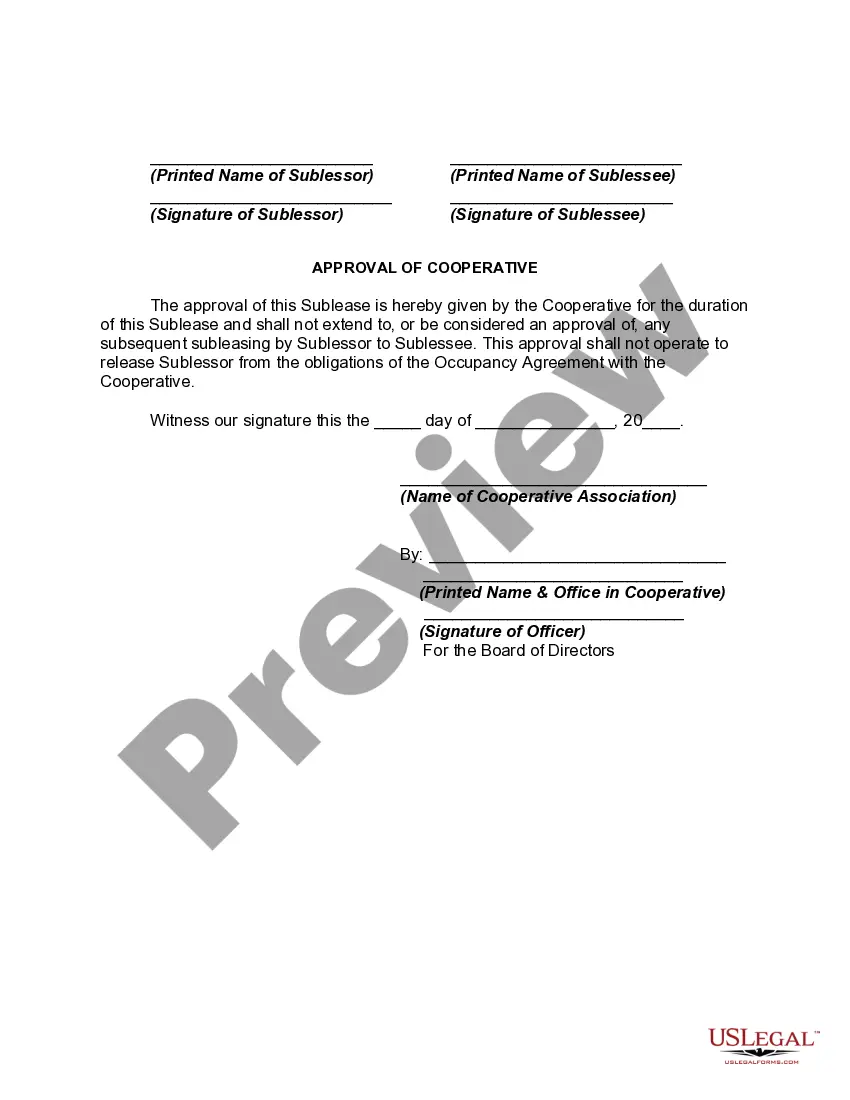
Sublease Agreement Format India In Franklin
Description

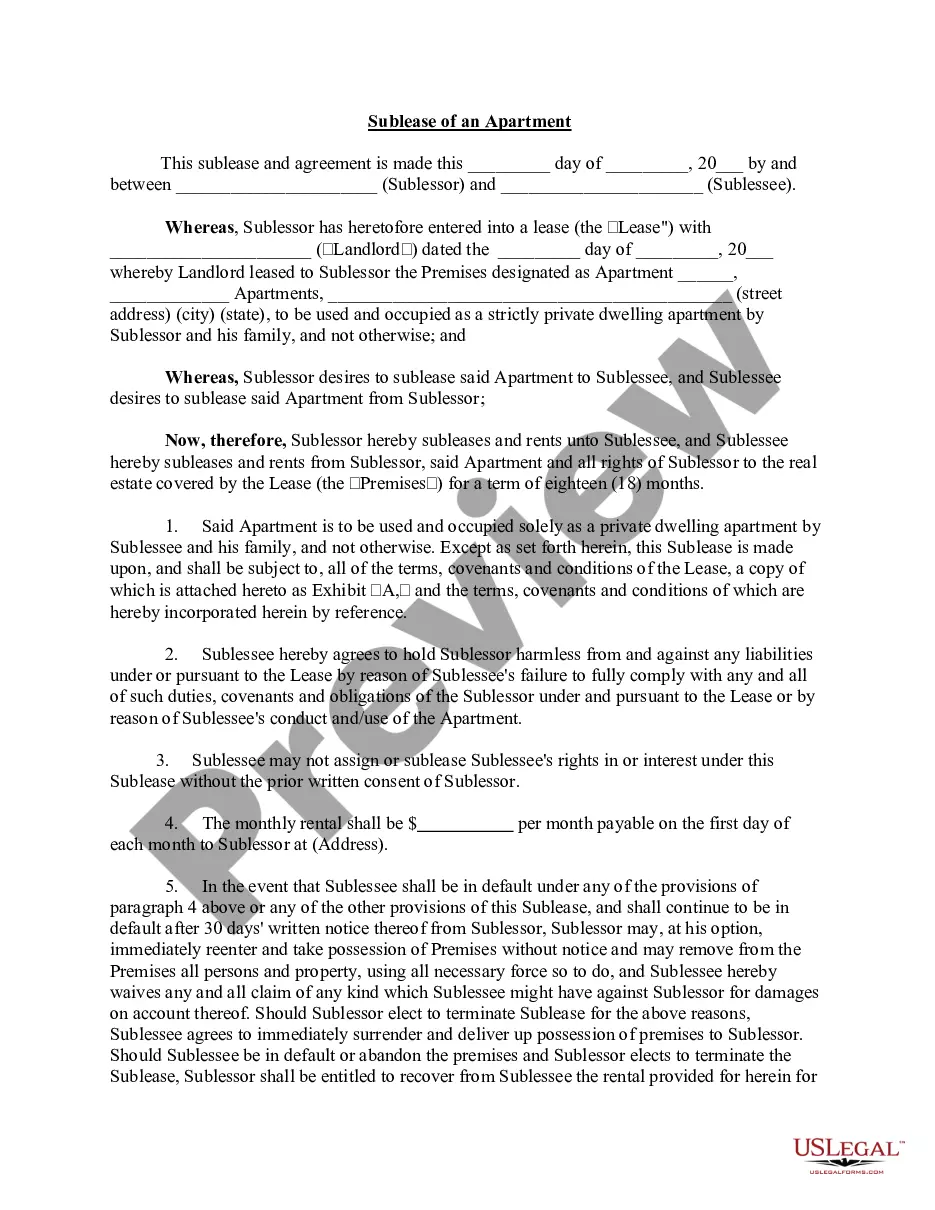
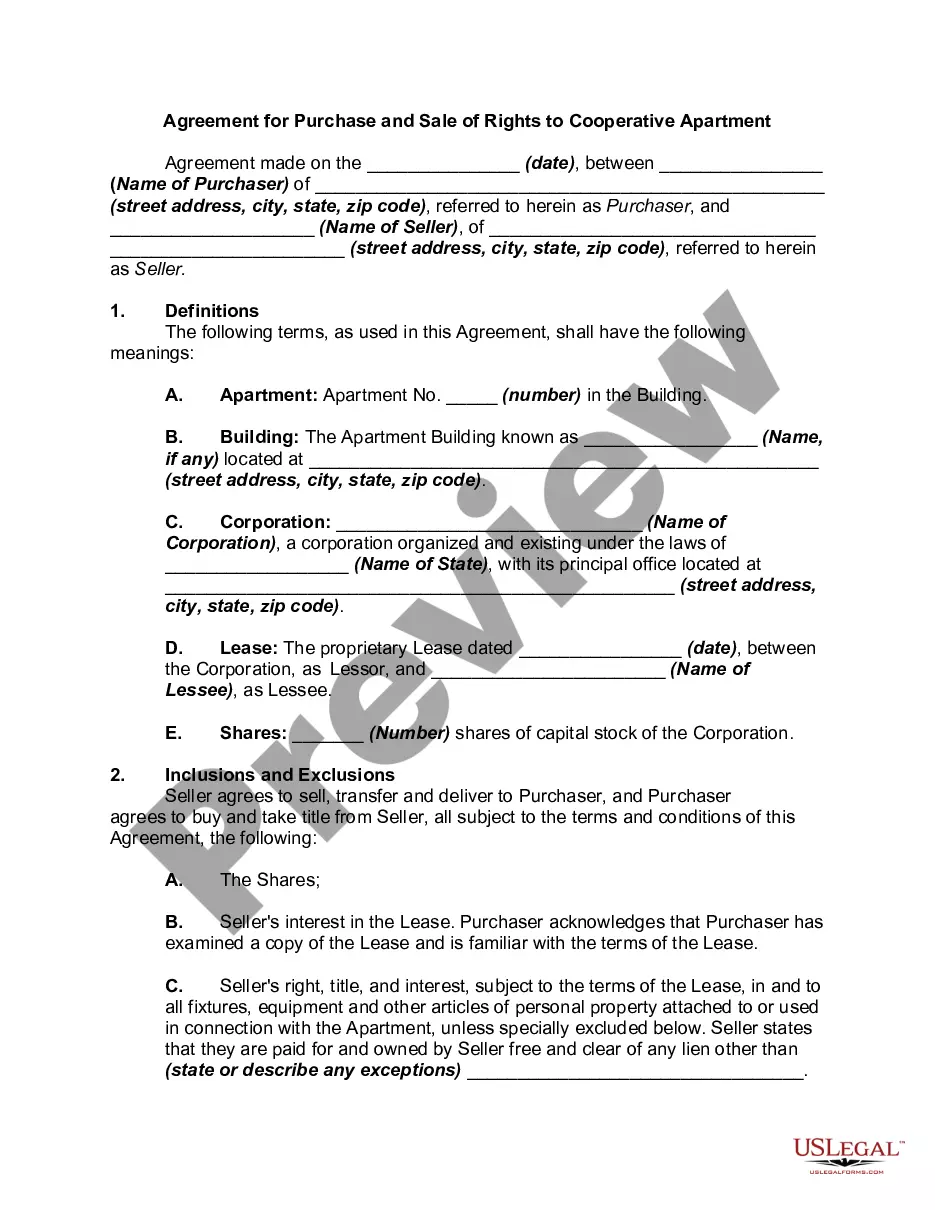
Get your form ready online
Our built-in tools help you complete, sign, share, and store your documents in one place.
Make edits, fill in missing information, and update formatting in US Legal Forms—just like you would in MS Word.
Download a copy, print it, send it by email, or mail it via USPS—whatever works best for your next step.
Sign and collect signatures with our SignNow integration. Send to multiple recipients, set reminders, and more. Go Premium to unlock E-Sign.
If this form requires notarization, complete it online through a secure video call—no need to meet a notary in person or wait for an appointment.
We protect your documents and personal data by following strict security and privacy standards.

Make edits, fill in missing information, and update formatting in US Legal Forms—just like you would in MS Word.

Download a copy, print it, send it by email, or mail it via USPS—whatever works best for your next step.

Sign and collect signatures with our SignNow integration. Send to multiple recipients, set reminders, and more. Go Premium to unlock E-Sign.

If this form requires notarization, complete it online through a secure video call—no need to meet a notary in person or wait for an appointment.

We protect your documents and personal data by following strict security and privacy standards.
Looking for another form?









Form popularity
FAQ
Step 1: Check your lease Check your rental agreement or lease documentation for specific rules on subletting your apartment. Step 2: Send landlord a letter Send your landlord or building manager a certified letter asking permission to sublet, and wait for approval. Keep copies of all communications.
Your Step-by-Step Guide to Subletting in California Read Your Lease Carefully. Obtain Pre-Approval to Sublet. Find and Screen a Subletter. Send a Written Request for Approval. Wait Patiently (but Not Too Patiently). Collect and Store Security Deposit and Rent. Enjoy Your Freedom:
Sub-letting refers to a tenant renting out the leased property to another party without the landlord's consent. Under the Delhi Rent Control Act, unauthorized sub-letting is a valid ground for eviction.
A tenant has signed a lease or rental agreement with a landlord. A subtenant is someone who subleases or rents all or part of the rental property from a tenant.
Step 1: Draft the rental agreement and review of the agreement by both parties, i.e. owner and tenant. Step 2: Finalise the draft rental agreement and print it on stamp paper obtained from a Sub-Registrar's office. Step 3: Ensure the owner, tenant, and two witnesses sign the rental agreement.
While subletting is allowed, it is subject to the terms set in the rental agreement. Unauthorized subletting can lead to eviction or legal disputes.
Legal requirements for subleasing in India Landlord's consent: In most cases, you will need to get written permission from the landlord before subleasing the property. Tax considerations: Rental income from subletting may be subject to tax under the Income Tax Act.
Like any other tenant, subtenants must be evicted properly through the courts, or a master tenant or landlord could face severe legal consequences. Generally, a master tenant, landlord or property manager may evict a subletter for the same reasons as they would a tenant.
The essential components of a rent agreement include the names and addresses of the landlord and tenant, rental amount, security deposit, period of stay, maintenance charges, responsibilities and rights of both parties, and signatures of both parties.
