Letter Instruction Sample With Thru In Utah
Description

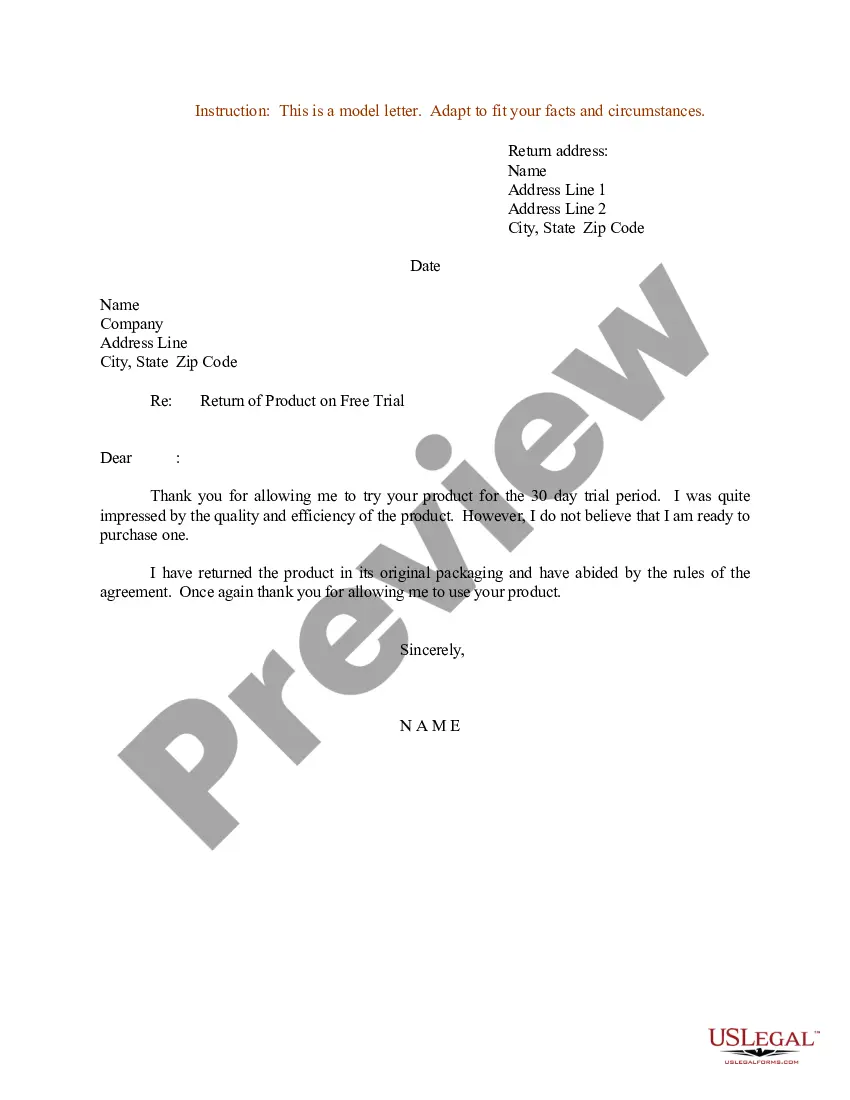
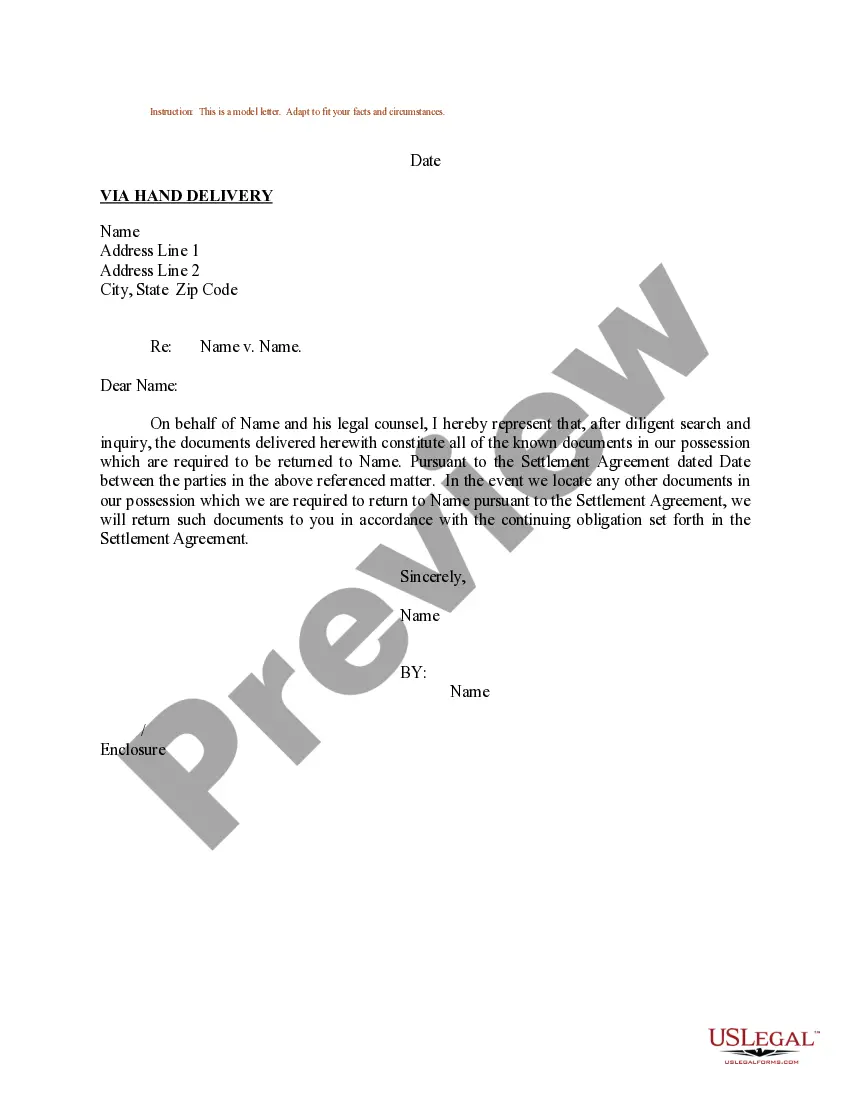
Get your form ready online
Our built-in tools help you complete, sign, share, and store your documents in one place.
Make edits, fill in missing information, and update formatting in US Legal Forms—just like you would in MS Word.
Download a copy, print it, send it by email, or mail it via USPS—whatever works best for your next step.
Sign and collect signatures with our SignNow integration. Send to multiple recipients, set reminders, and more. Go Premium to unlock E-Sign.
If this form requires notarization, complete it online through a secure video call—no need to meet a notary in person or wait for an appointment.
We protect your documents and personal data by following strict security and privacy standards.

Make edits, fill in missing information, and update formatting in US Legal Forms—just like you would in MS Word.

Download a copy, print it, send it by email, or mail it via USPS—whatever works best for your next step.

Sign and collect signatures with our SignNow integration. Send to multiple recipients, set reminders, and more. Go Premium to unlock E-Sign.

If this form requires notarization, complete it online through a secure video call—no need to meet a notary in person or wait for an appointment.

We protect your documents and personal data by following strict security and privacy standards.
Looking for another form?

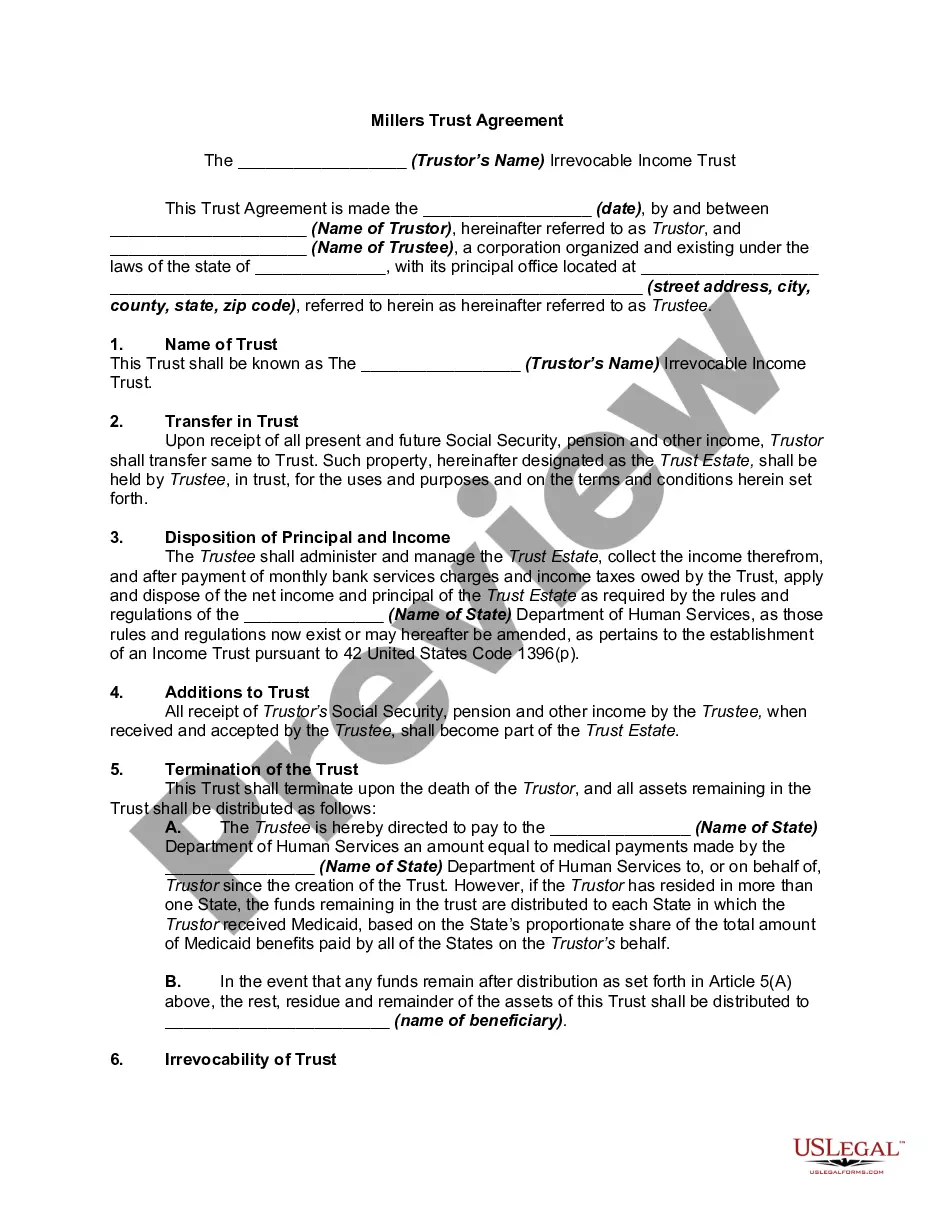
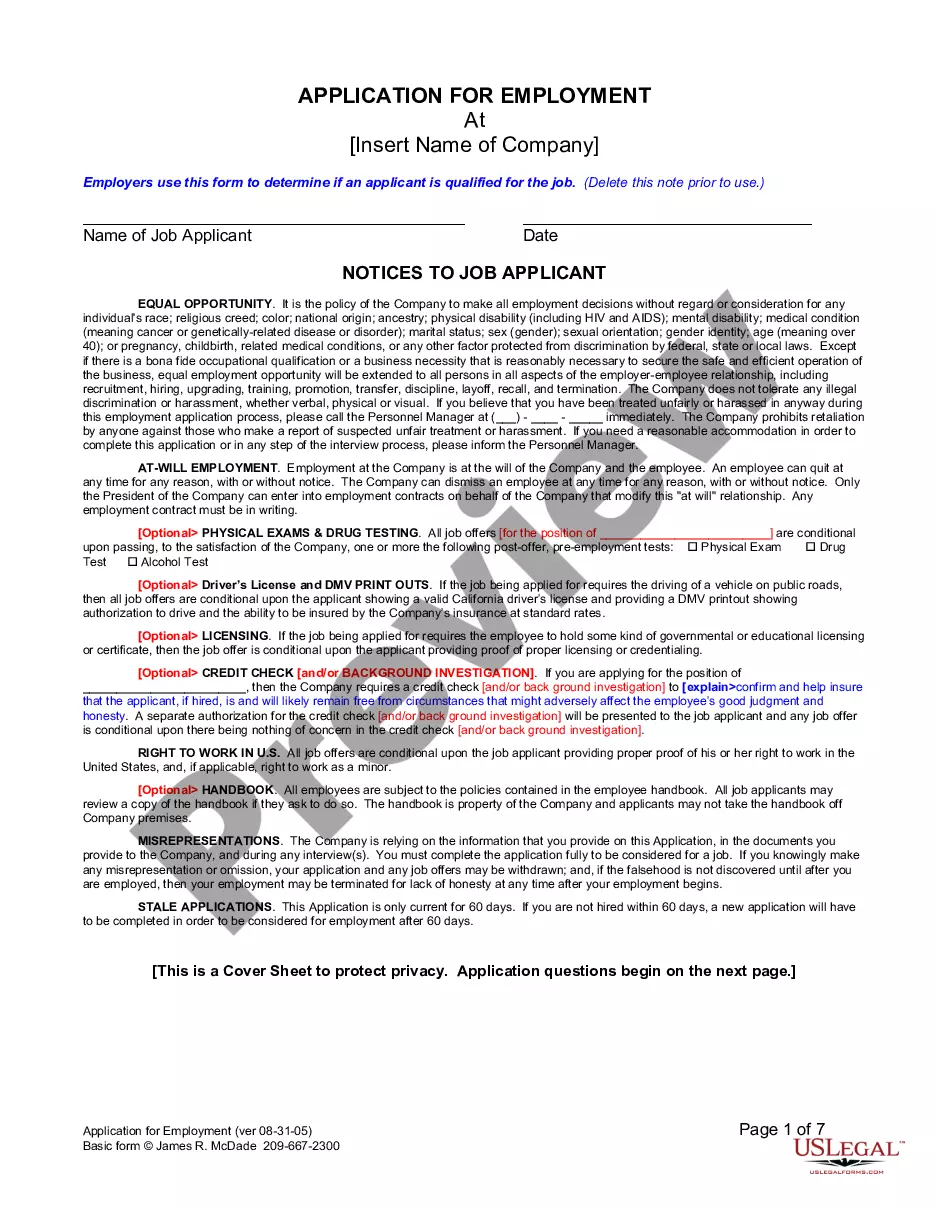





Form popularity
FAQ
You must file a TC-40 return if you: are a Utah resident or part-year resident who must file a federal return, are a nonresident or part-year resident with income from Utah sources who must file a federal return, or. want a refund of any income tax overpaid.
Types of partnerships: Liability & tax considerations In Utah, partnerships are generally taxed as pass-through entities, meaning the profit and losses from the businesses pass directly into the partners' personal incomes. Utah does require a yearly partnership return from each partnership within the state.
To submit the Utah Corporation Franchise Tax Return, you can send it by mail to the Utah State Tax Commission at 210 North 1950 West, Salt Lake City, UT 84134-2000. You may also submit the tax return electronically through approved e-filing services.
Schedules K-2 and K-3, Parts II and III, must be completed unless the partnership doesn't have a direct or indirect partner eligible to claim a foreign tax credit or the direct or indirect partner wouldn't have to file a Form 1116 or 1118 to claim a credit.
Utah's Pass-through Entities and Pass-Through Entity Taxpayers Act requires a PTE to withhold Utah tax on Utah income attributed to a pass-through entity taxpayer who is not a Utah resident individual or an entity exempt from withholding requirements.
For a Utah net loss carried forward to a taxable year beginning on or after January 1, 2023, the amount of Utah net loss that a taxpayer may carry forward to a taxable year may not exceed 80% of Utah taxable income calculated before deducting any Utah net loss from Utah taxable income.
