Partnering Angel Investor For Construction Company In Riverside
Description

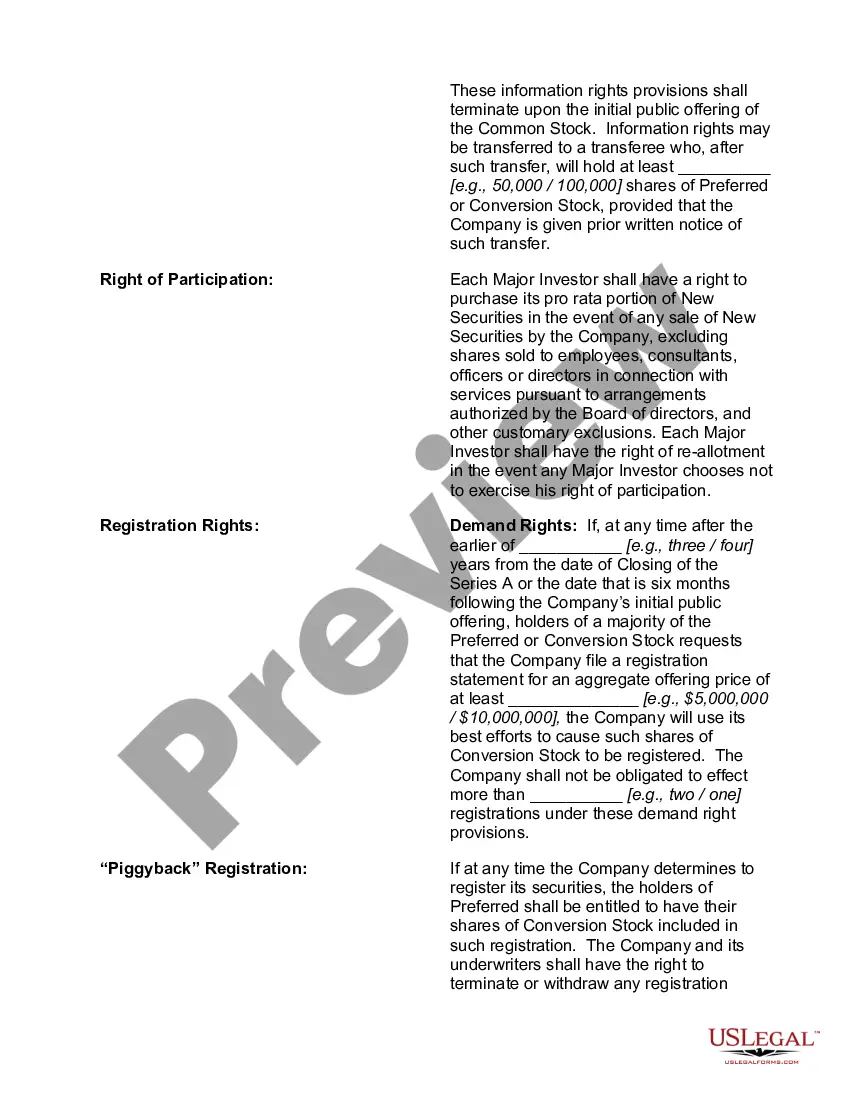
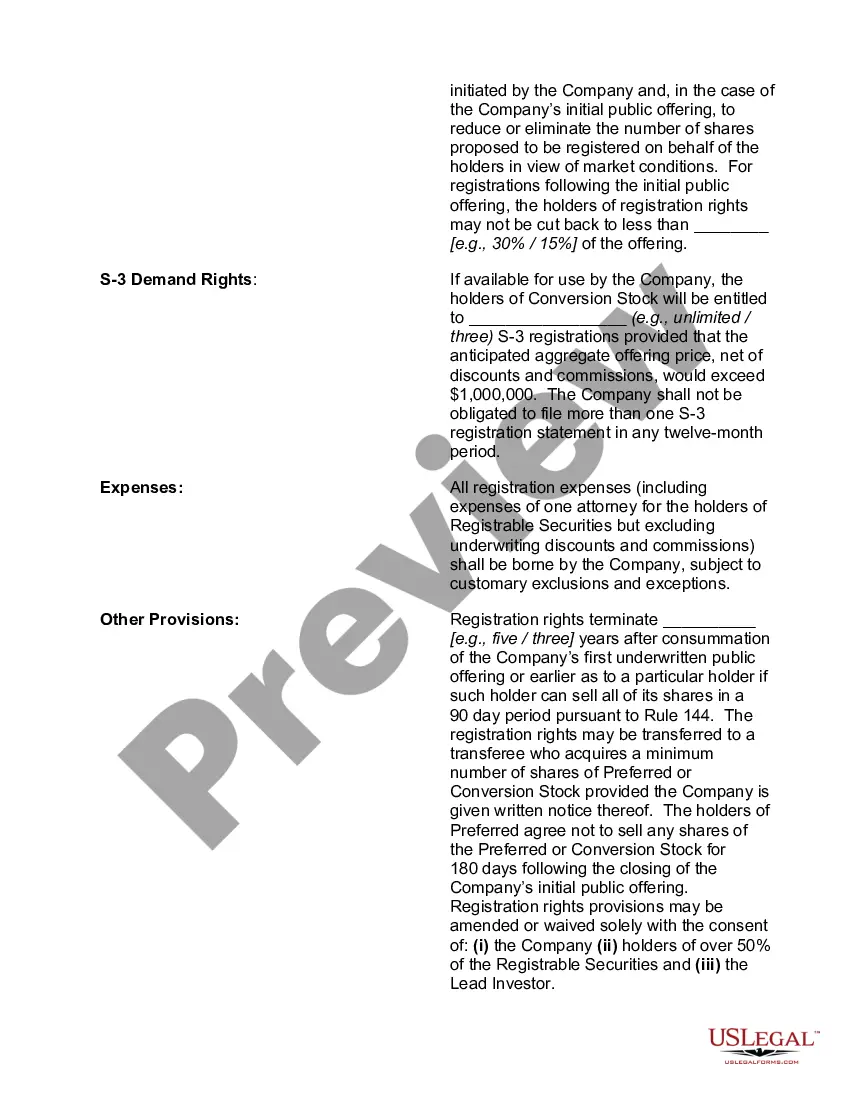
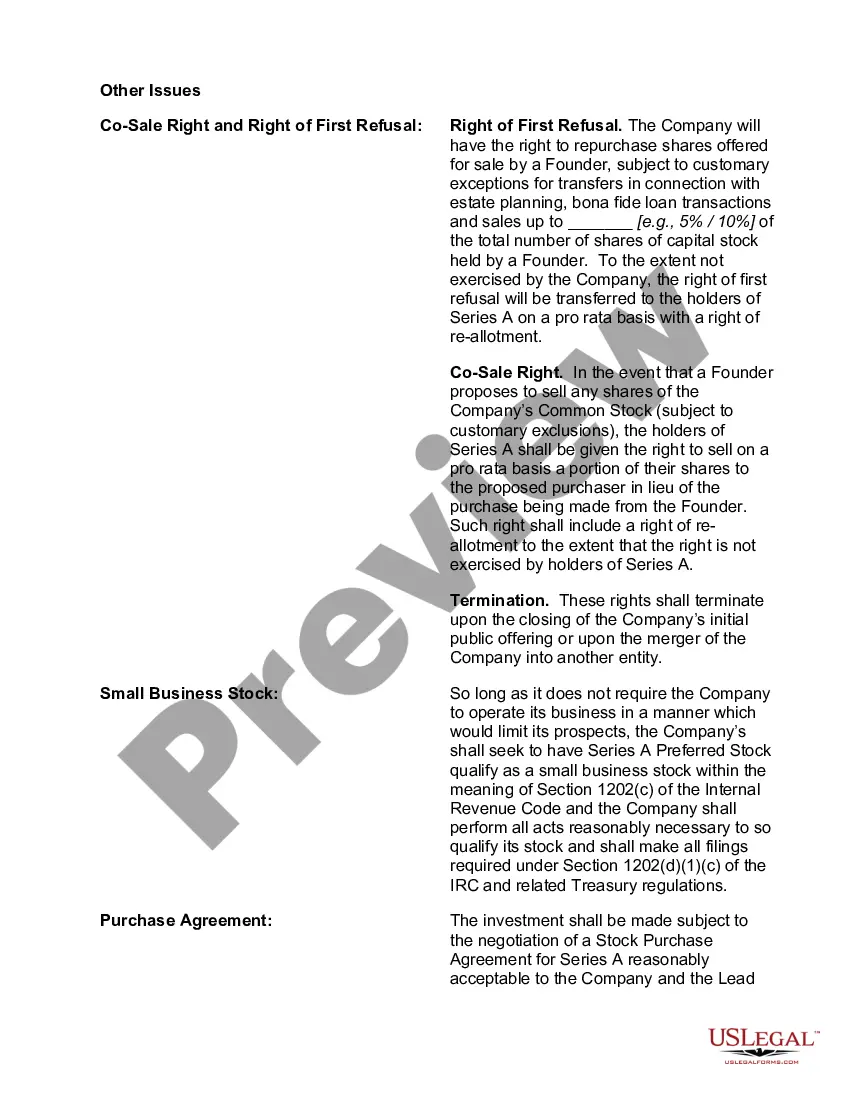
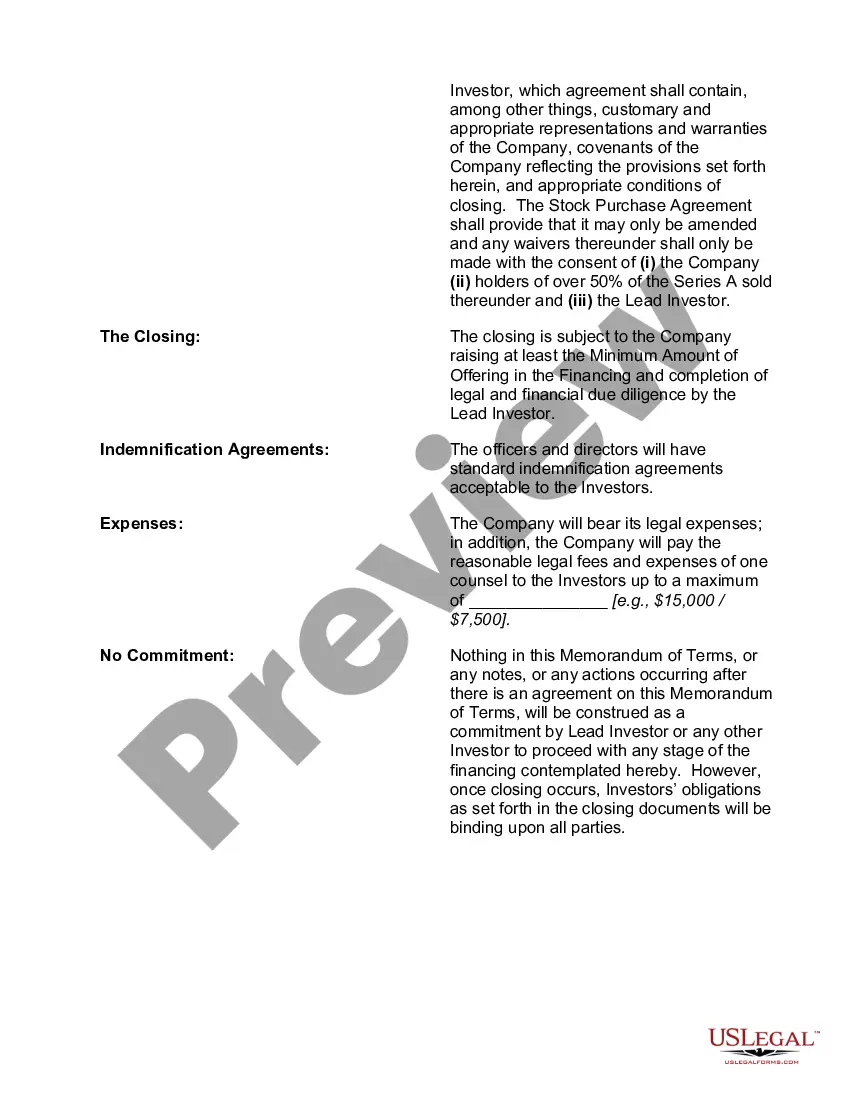
Get your form ready online
Our built-in tools help you complete, sign, share, and store your documents in one place.
Make edits, fill in missing information, and update formatting in US Legal Forms—just like you would in MS Word.
Download a copy, print it, send it by email, or mail it via USPS—whatever works best for your next step.
Sign and collect signatures with our SignNow integration. Send to multiple recipients, set reminders, and more. Go Premium to unlock E-Sign.
If this form requires notarization, complete it online through a secure video call—no need to meet a notary in person or wait for an appointment.
We protect your documents and personal data by following strict security and privacy standards.

Make edits, fill in missing information, and update formatting in US Legal Forms—just like you would in MS Word.

Download a copy, print it, send it by email, or mail it via USPS—whatever works best for your next step.

Sign and collect signatures with our SignNow integration. Send to multiple recipients, set reminders, and more. Go Premium to unlock E-Sign.

If this form requires notarization, complete it online through a secure video call—no need to meet a notary in person or wait for an appointment.

We protect your documents and personal data by following strict security and privacy standards.
Looking for another form?









Form popularity
FAQ
You can start the process by going through the already existing online list of construction investors. AngelList is a great way to research and find investors, as well as learn about them and let them learn about you.
You can find Angel investors on Linkedin, Angellist and Crunchbase. You can also go to Angel networks such as Keiretsu (search on Google based on your location). Another method is to participate in startup incubation, acceleration programs and competitions, angels are invited to these programs.
Angel investors typically seek a 10%-30% equity stake in a company. This percentage is negotiated based on your startup's valuation, the funding amount and the perceived risk. It's essential to strike a balance that reflects your company's current value and future potential.
To be an angel, you need to qualify as an accredited investor, defined by the SEC as $1 million of net worth or annual income over $200,000. (I'm simplifying – the real definition is a bit more complex – but it gives you the idea.)
Several variables, including the type of investment, the level of risk, and the expected return, will affect what constitutes a fair percentage for an investor. For angel investors, the typical standard is to provide between 20-25% of your company's profits.
How to pitch angel investors Understand your business and market. Craft your pitch. Showcase your financials. Highlight your team. Know your ask.
It's typically between around 10% and 25% but it can be as much as 40% or more. Angel investment is most suitable if your business has growth potential, and you're willing to give up part ownership in return for investment.
Typically, an angel investment deal is typically composed of two key elements: an investment in equity, and a convertible note. Each of these components has distinct characteristics and implications for both the investor and the entrepreneur.
Keep your email concise (aim for 200-300 words), but make every word count. Personalize each email to the specific investor, highlighting why you think they'd be a great fit for your venture. Lastly, don't be discouraged if you don't hear back immediately. Follow up politely after a week or two, but avoid being pushy.
While there are no hard and fast rules, the most common ways to structure an angel investment is by taking on board a minority stake in the company, or investing in convertible debt.
