Angel Investment Form Forum In Bronx
Description

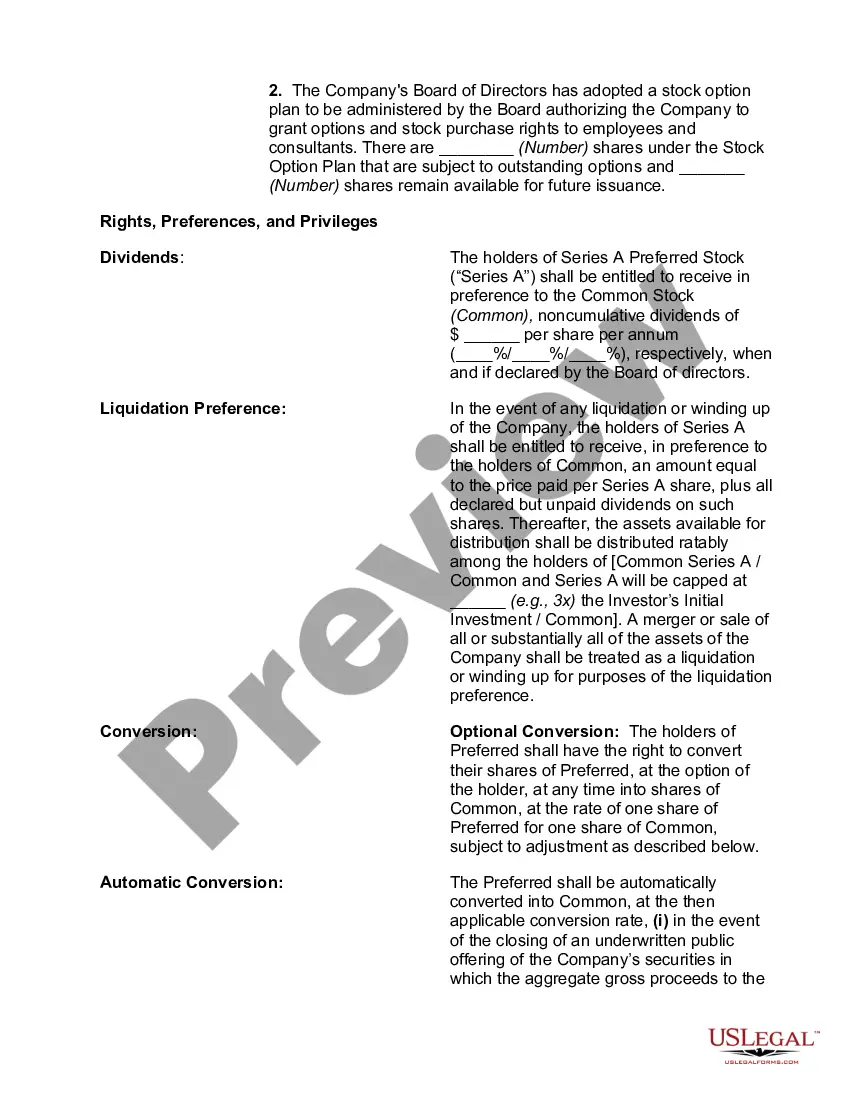
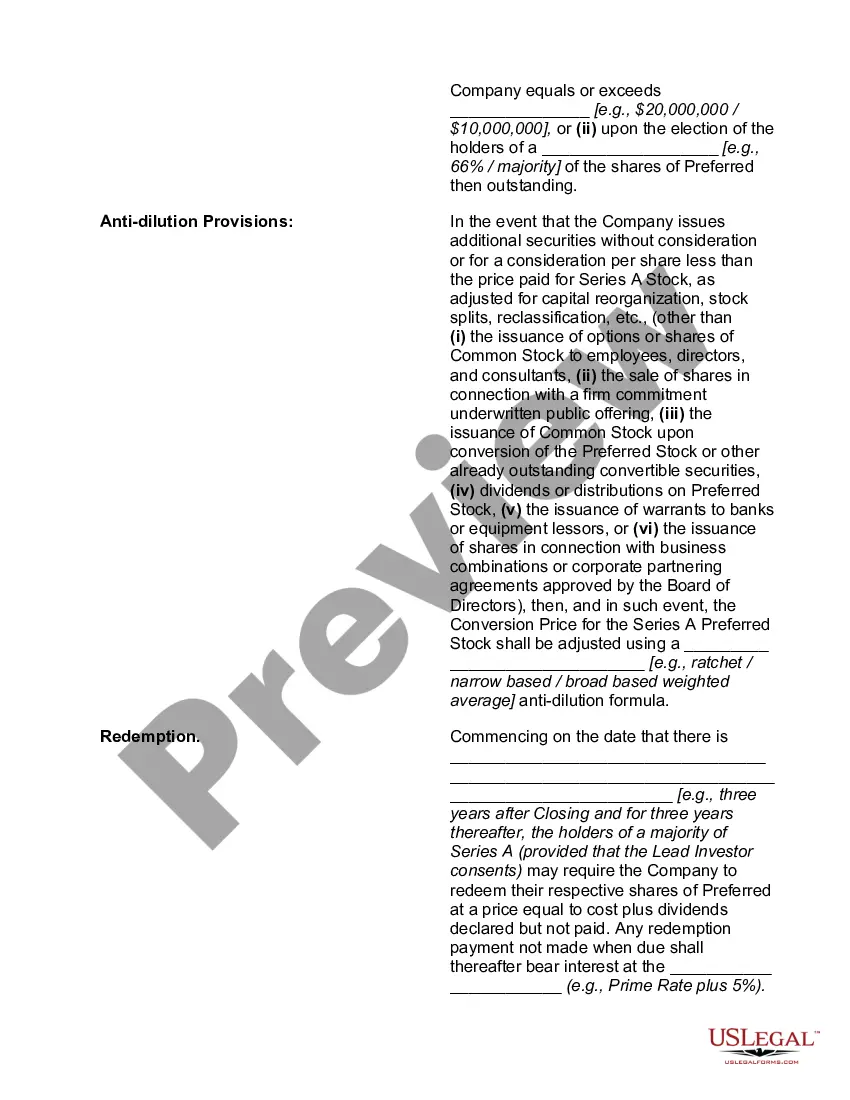

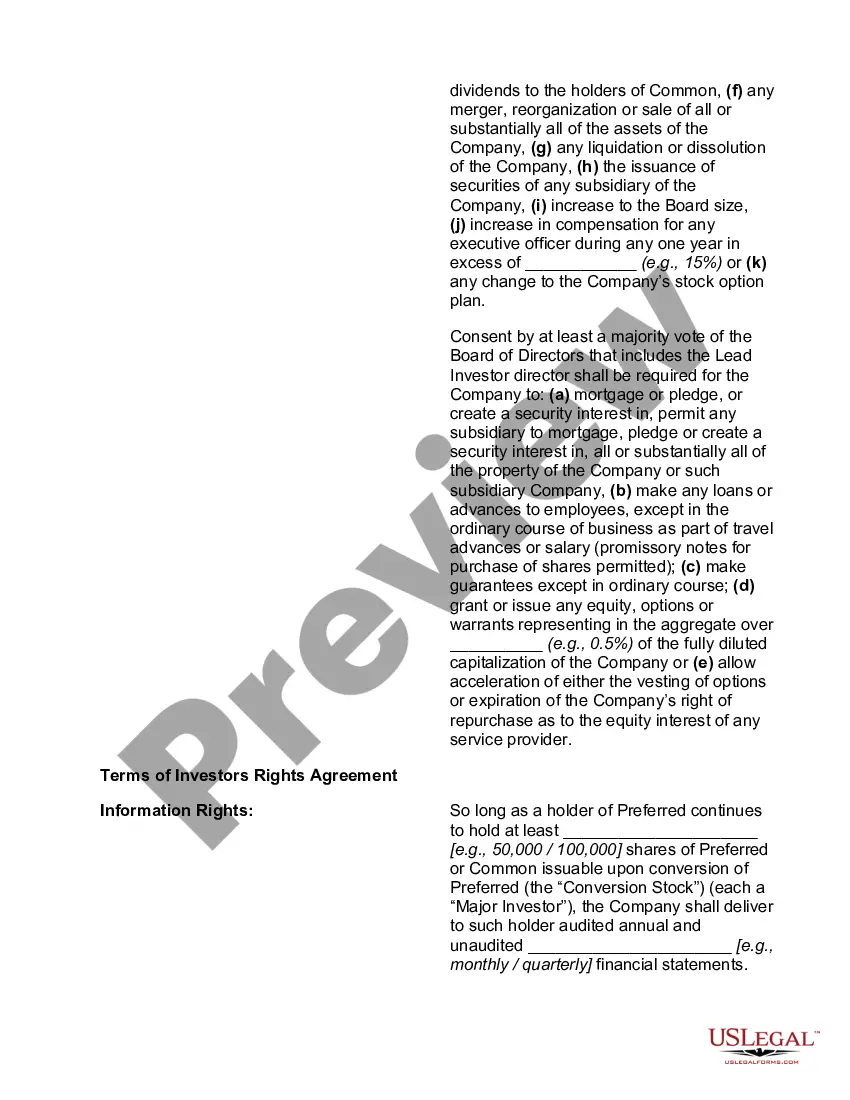
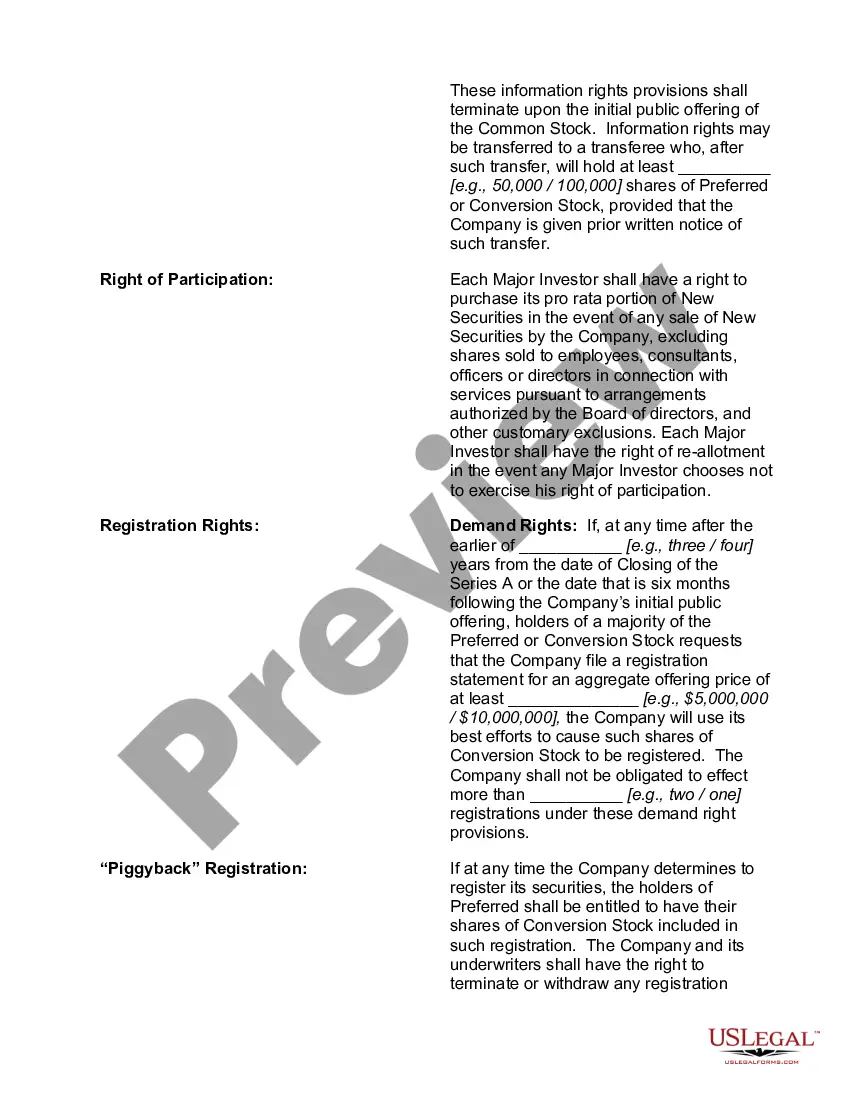
Get your form ready online
Our built-in tools help you complete, sign, share, and store your documents in one place.
Make edits, fill in missing information, and update formatting in US Legal Forms—just like you would in MS Word.
Download a copy, print it, send it by email, or mail it via USPS—whatever works best for your next step.
Sign and collect signatures with our SignNow integration. Send to multiple recipients, set reminders, and more. Go Premium to unlock E-Sign.
If this form requires notarization, complete it online through a secure video call—no need to meet a notary in person or wait for an appointment.
We protect your documents and personal data by following strict security and privacy standards.

Make edits, fill in missing information, and update formatting in US Legal Forms—just like you would in MS Word.

Download a copy, print it, send it by email, or mail it via USPS—whatever works best for your next step.

Sign and collect signatures with our SignNow integration. Send to multiple recipients, set reminders, and more. Go Premium to unlock E-Sign.

If this form requires notarization, complete it online through a secure video call—no need to meet a notary in person or wait for an appointment.

We protect your documents and personal data by following strict security and privacy standards.
Looking for another form?






Form popularity
FAQ
Start an investment firm A step by step guide Why Start an Investment Firm? Step One Determine the Type of Investment Firm You Want to Start. Step Two Choose Your Business Structure. Step Three Develop Your Investment Philosophy. Step Four Create Your Business Plan. Step Five Raise Capital.
Hi There - If completely worthless, then you can write off stocks as if sold by completing IRS form Schedule D, calculating loss (Cost less Sales Price $0) and deducting a capital loss of up to $3000 per year and carrying over any remainder of loss (if applicable).
Start with a strong subject line that grabs the recipient's attention. Introduce yourself and your company briefly, highlighting what makes your venture unique and why it's worth investing in. Be clear about what you're asking for and why you believe the investor would be a good fit.
Disadvantages of using angel investors Equity dilution: In exchange for funding, business angels usually get a portion of your company's ownership. Loss of control: Angel investors have vested interests in your company's growth. They may request board seats and take an active role in business decision-making.
The program provides a taxpayer investor a credit of 20% of the qualifying investment, or 30% if the business is located in a gateway municipality, in a business that has no more than $500,000 in gross revenues in the year prior to eligibility.
How to pitch angel investors Understand your business and market. Craft your pitch. Showcase your financials. Highlight your team. Know your ask.
You can start by exploring online investor directories like AngelList and EquityNet. They provide comprehensive lists of all the accredited investors in the area. Check out this list of the best angel investor networks in New York City for more information.
How to pitch angel investors Understand your business and market. Craft your pitch. Showcase your financials. Highlight your team. Know your ask.
Angel investors typically seek a 10%-30% equity stake in a company. This percentage is negotiated based on your startup's valuation, the funding amount and the perceived risk. It's essential to strike a balance that reflects your company's current value and future potential.
Here are a few tips: Do your research. Before you start reaching out to potential investors, it's important to do your homework. Use your networks. Attend industry events. Another great way to find potential investors is to attend industry events. Join an angel group. Use online resources.
