Suing Employer For Severance In Hennepin
Description

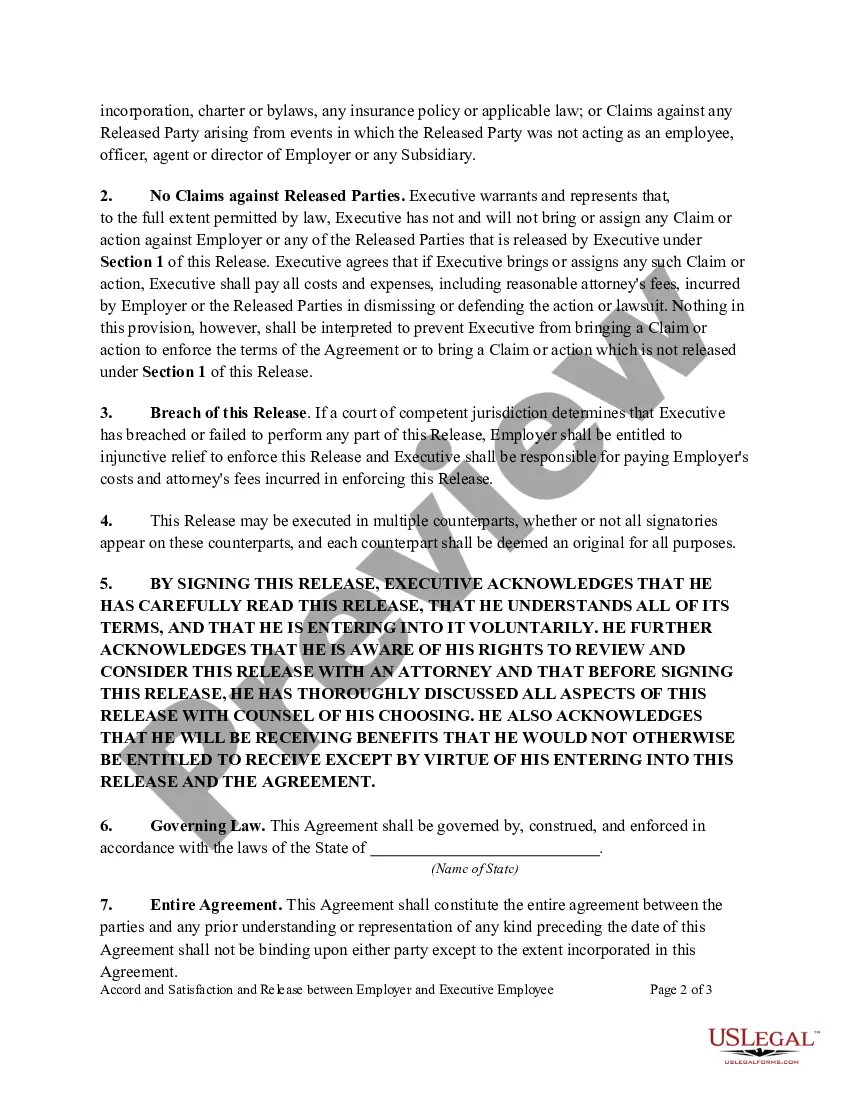
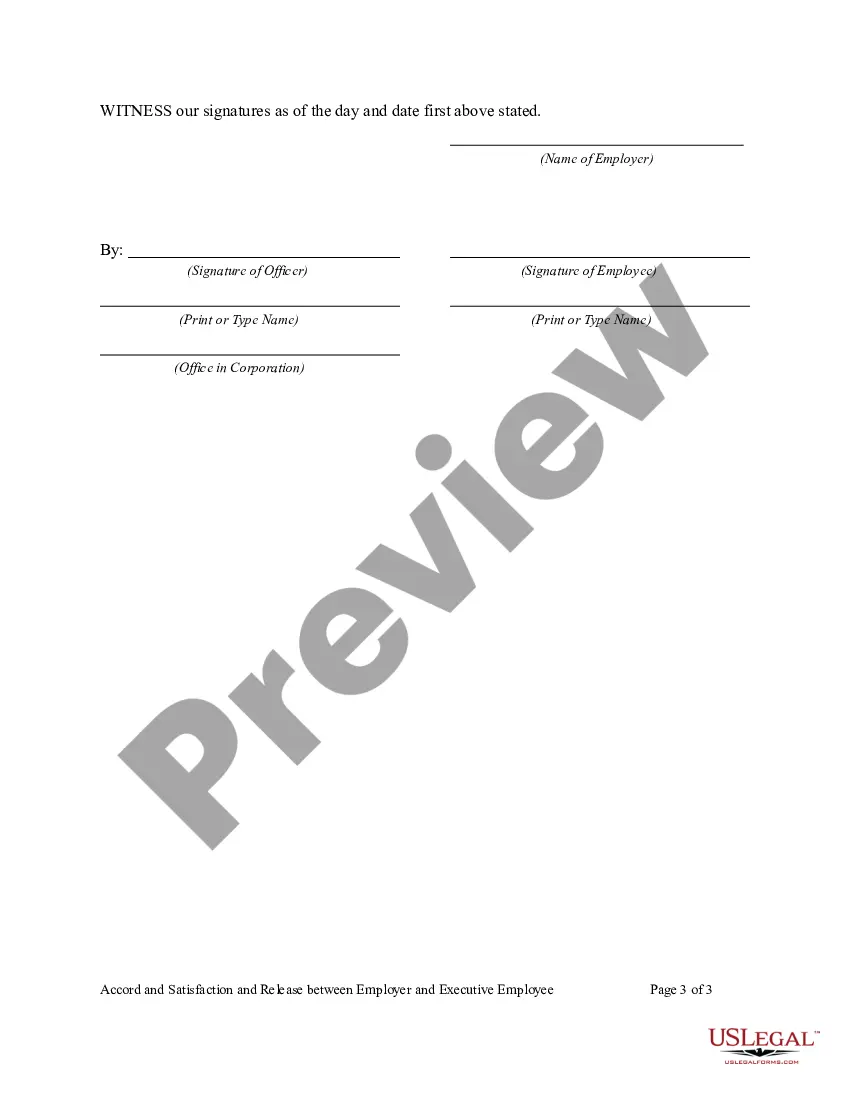
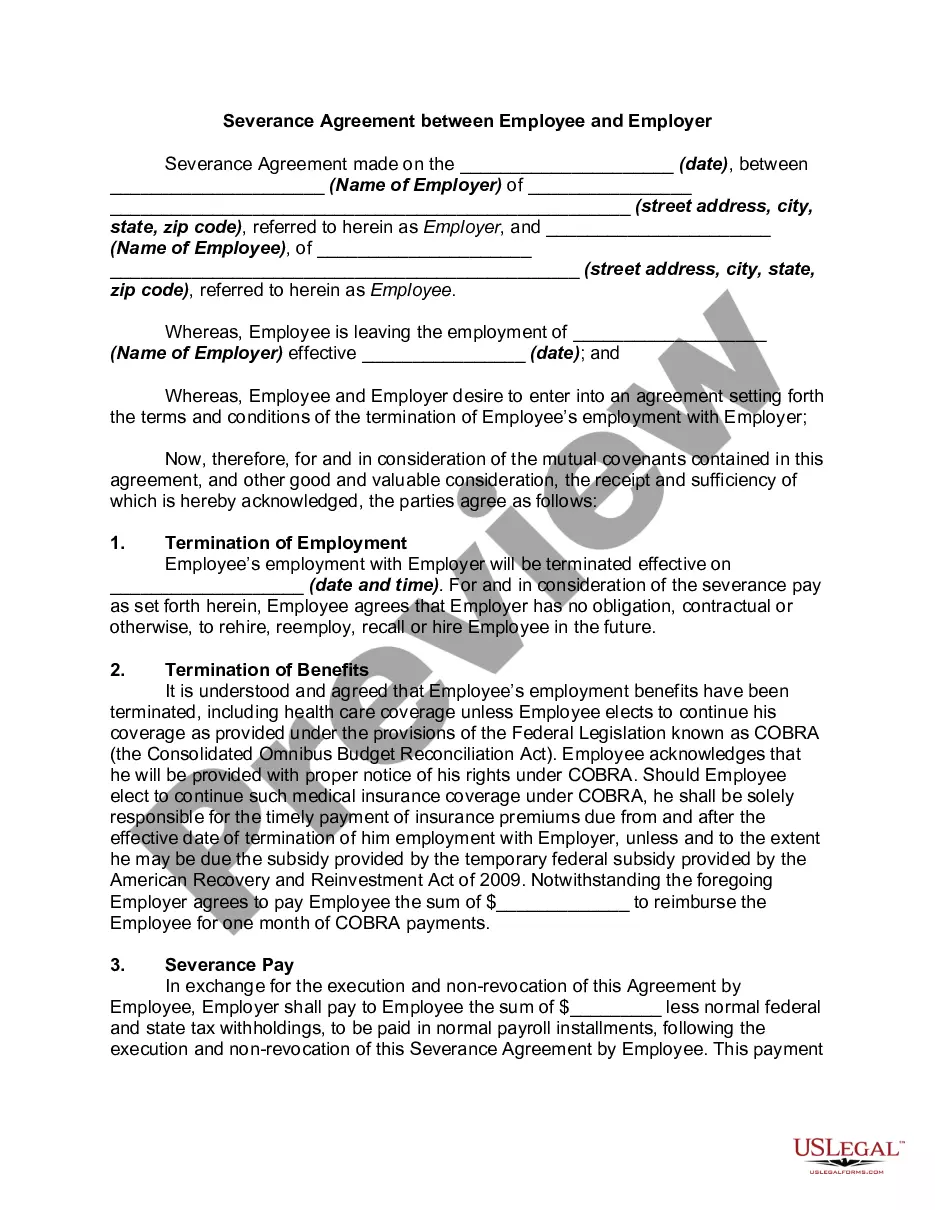
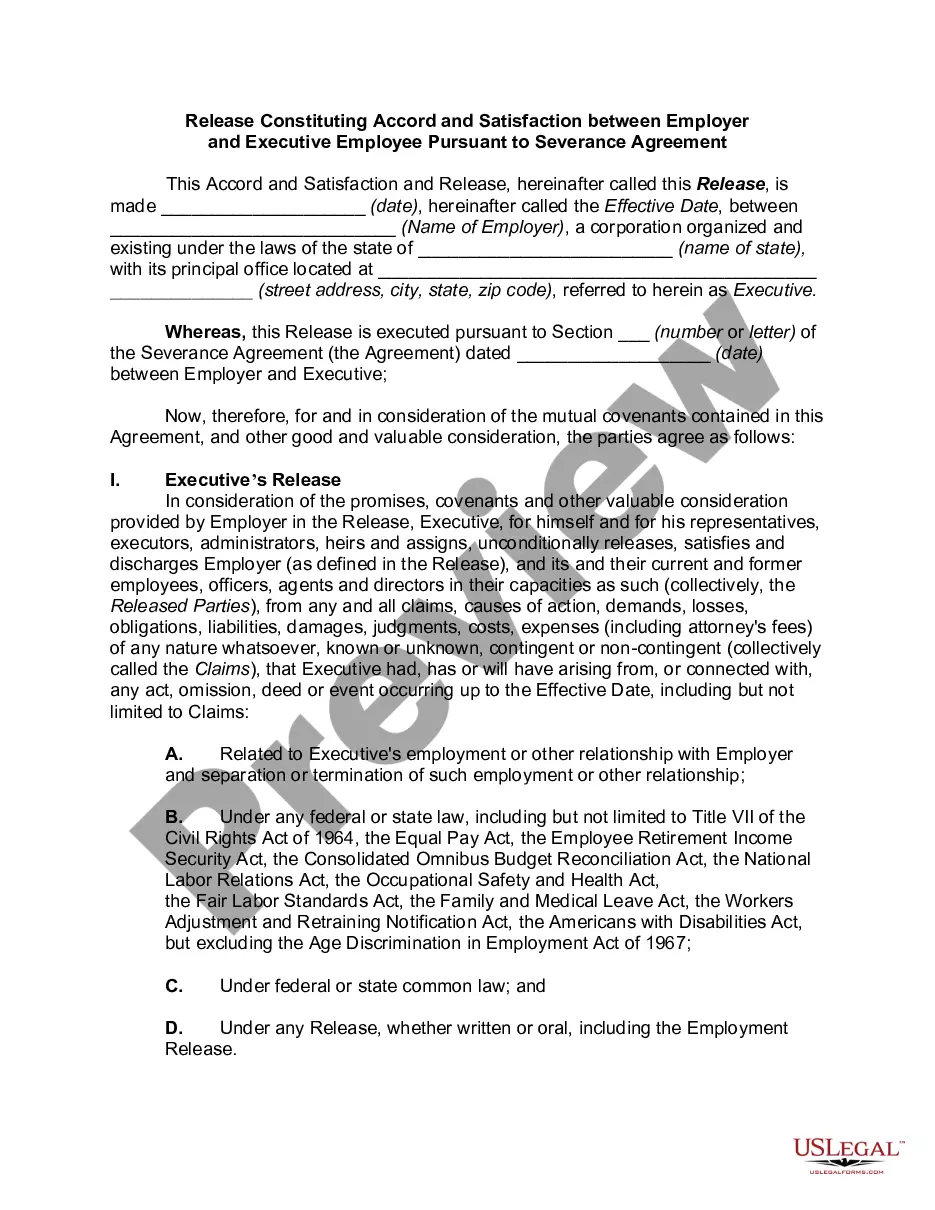
Get your form ready online
Our built-in tools help you complete, sign, share, and store your documents in one place.
Make edits, fill in missing information, and update formatting in US Legal Forms—just like you would in MS Word.
Download a copy, print it, send it by email, or mail it via USPS—whatever works best for your next step.
Sign and collect signatures with our SignNow integration. Send to multiple recipients, set reminders, and more. Go Premium to unlock E-Sign.
If this form requires notarization, complete it online through a secure video call—no need to meet a notary in person or wait for an appointment.
We protect your documents and personal data by following strict security and privacy standards.

Make edits, fill in missing information, and update formatting in US Legal Forms—just like you would in MS Word.

Download a copy, print it, send it by email, or mail it via USPS—whatever works best for your next step.

Sign and collect signatures with our SignNow integration. Send to multiple recipients, set reminders, and more. Go Premium to unlock E-Sign.

If this form requires notarization, complete it online through a secure video call—no need to meet a notary in person or wait for an appointment.

We protect your documents and personal data by following strict security and privacy standards.
Looking for another form?









Form popularity
FAQ
In California, severance agreements are legally binding contracts. Depending on how the agreement is structured, signing it may not always be in your best interests. Learn what to consider before signing your severance package and how a California employment law attorney can help you protect your rights.
Lack of Voluntary Consent: Under California law, a severance agreement can be considered valid and enforceable only if the parties entered into it voluntarily. If your consent was obtained through coercion, duress, or fraud, the agreement will be deemed invalid.
California wrongful termination occurs when a person has been fired or laid off while exercising their legal work rights and duties, or acting in obligation to public safety. This happens when an employee is fired by an employer while refusing to violate a statute or performing a work requirement.
How Do You Prove Wrongful Termination in Minnesota? Prove that the employer's stated reason for termination is incorrect. Prove that the provided reason for termination is not the real reason for termination.
Wrongful termination in Minnesota occurs when an employer fires an employee for reasons that are prohibited by law. While Minnesota is an “at-will” employment state, meaning employers can generally terminate employees at any time, this does not extend to illegal or public policy-violating reasons.
Under most Minnesota and federal laws prohibiting employment discrimination and retaliation, a wrongfully terminated employee is entitled to compensation for the emotional “pain and suffering” resulting from their termination.