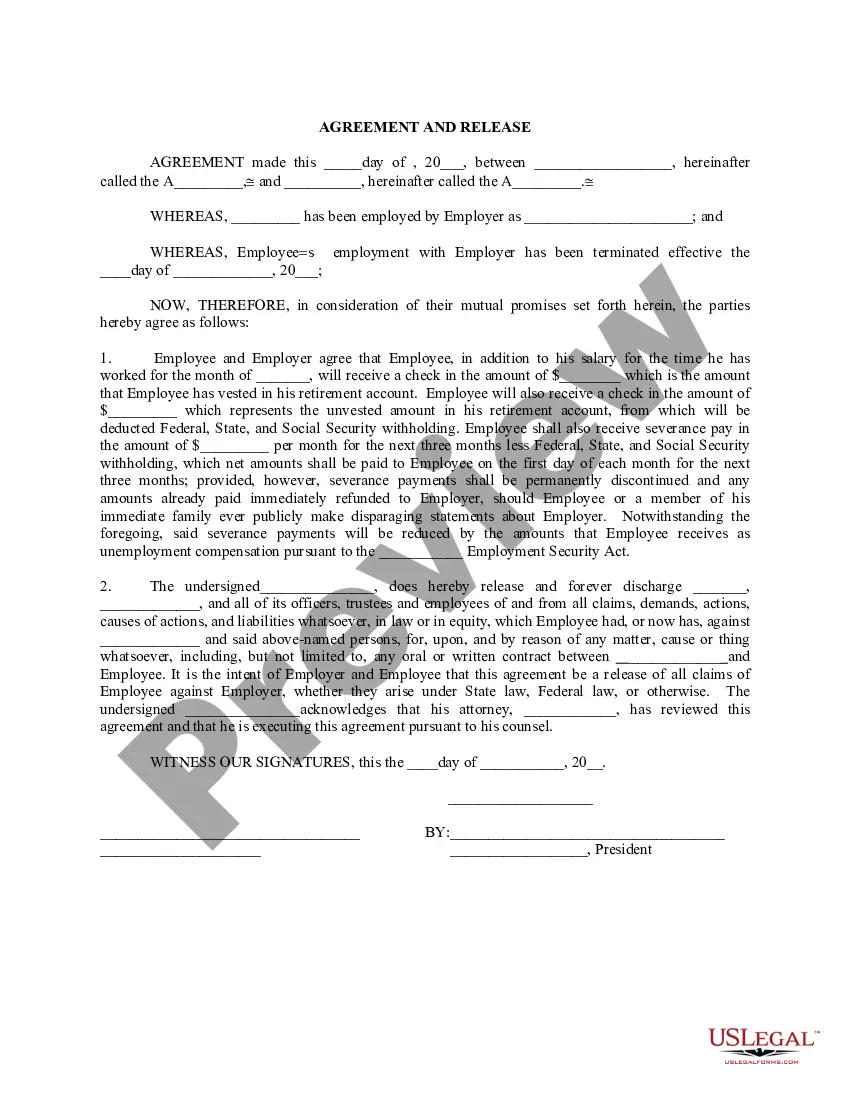
Suing Employer For Severance In Cuyahoga
Description

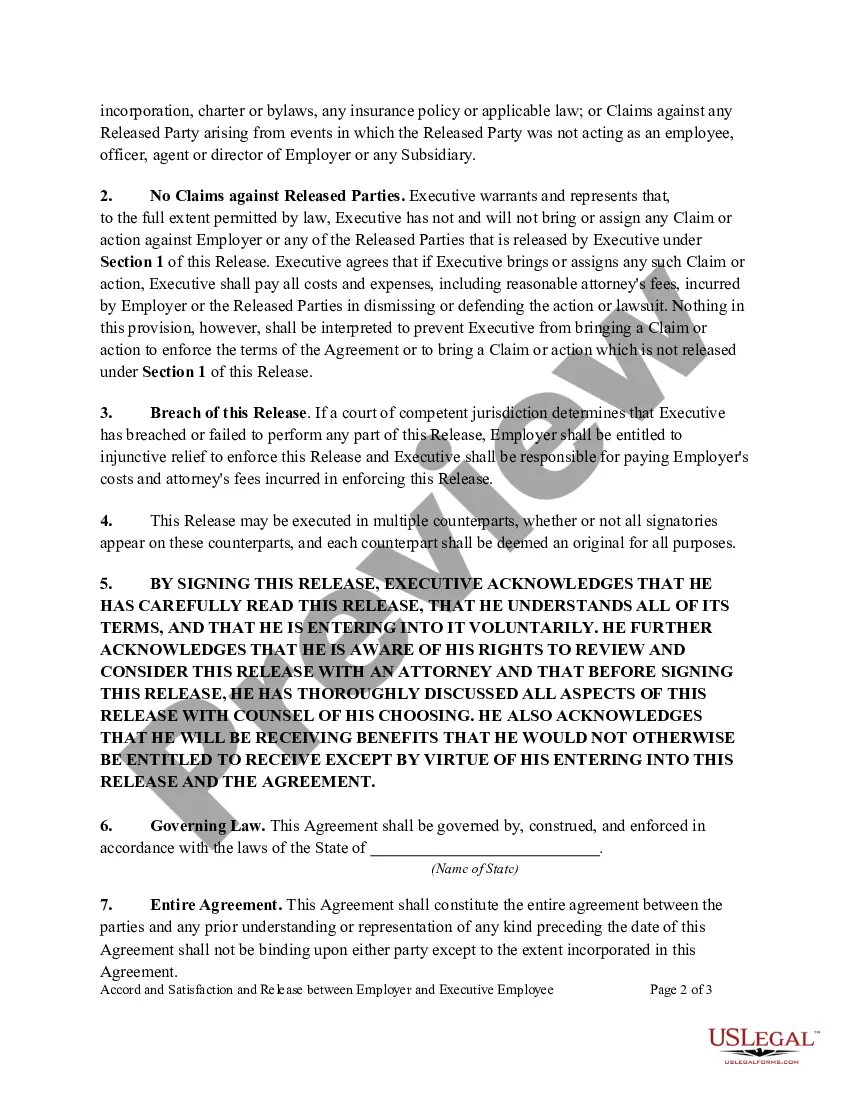
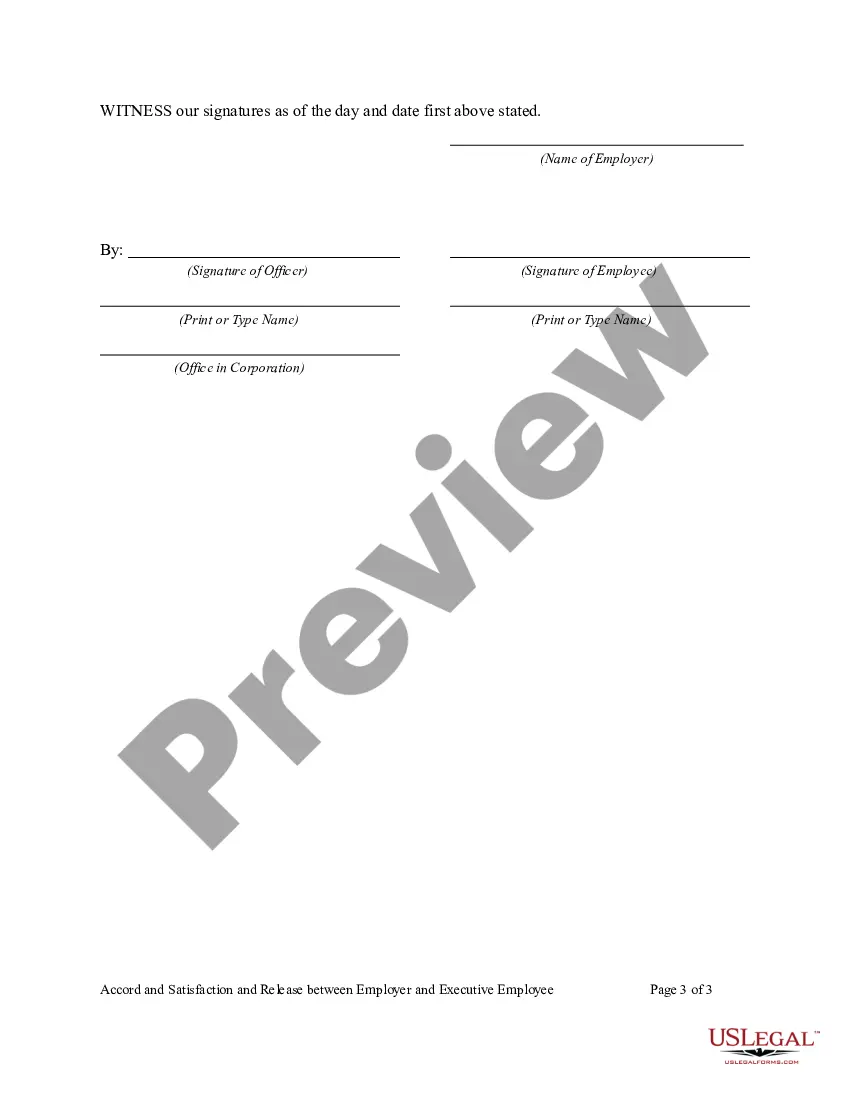
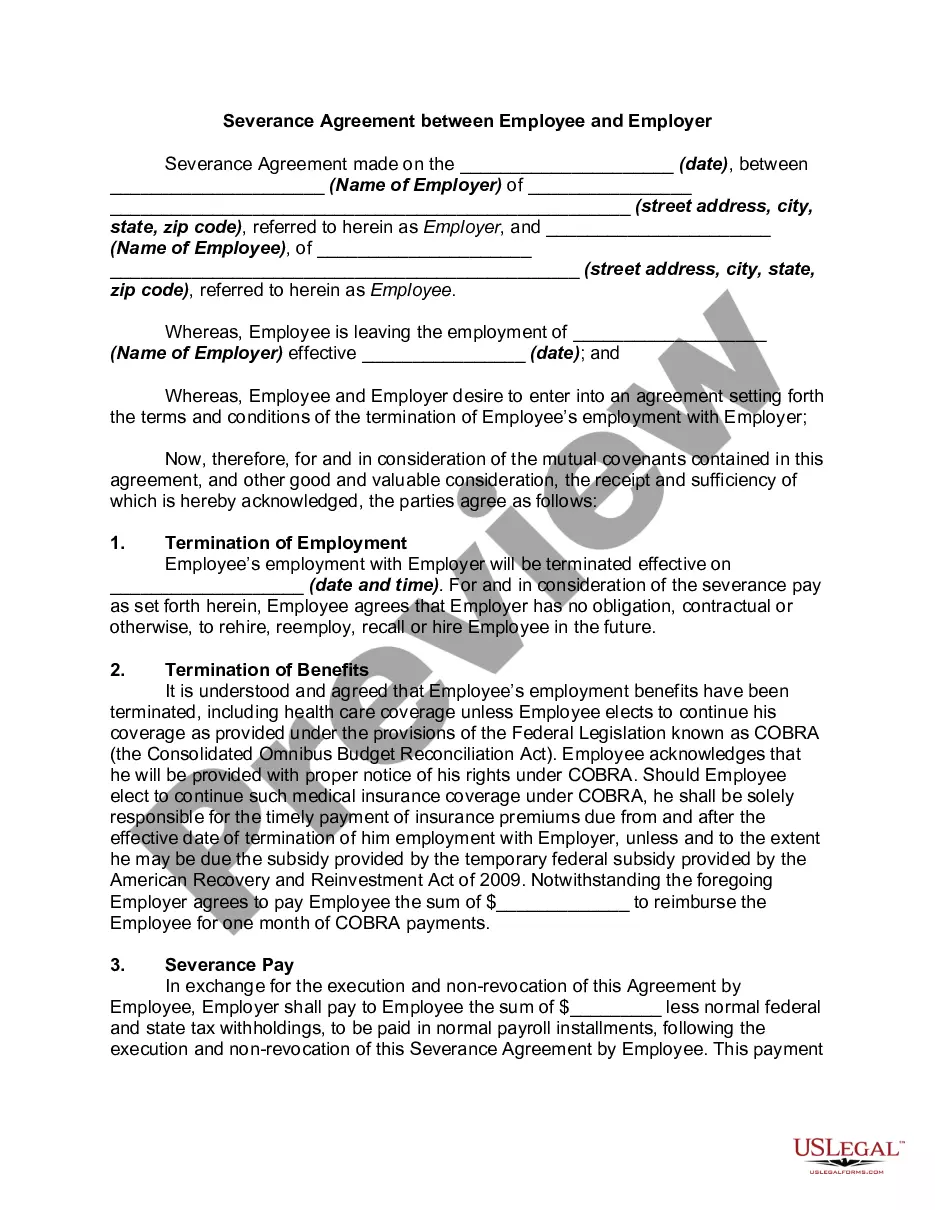
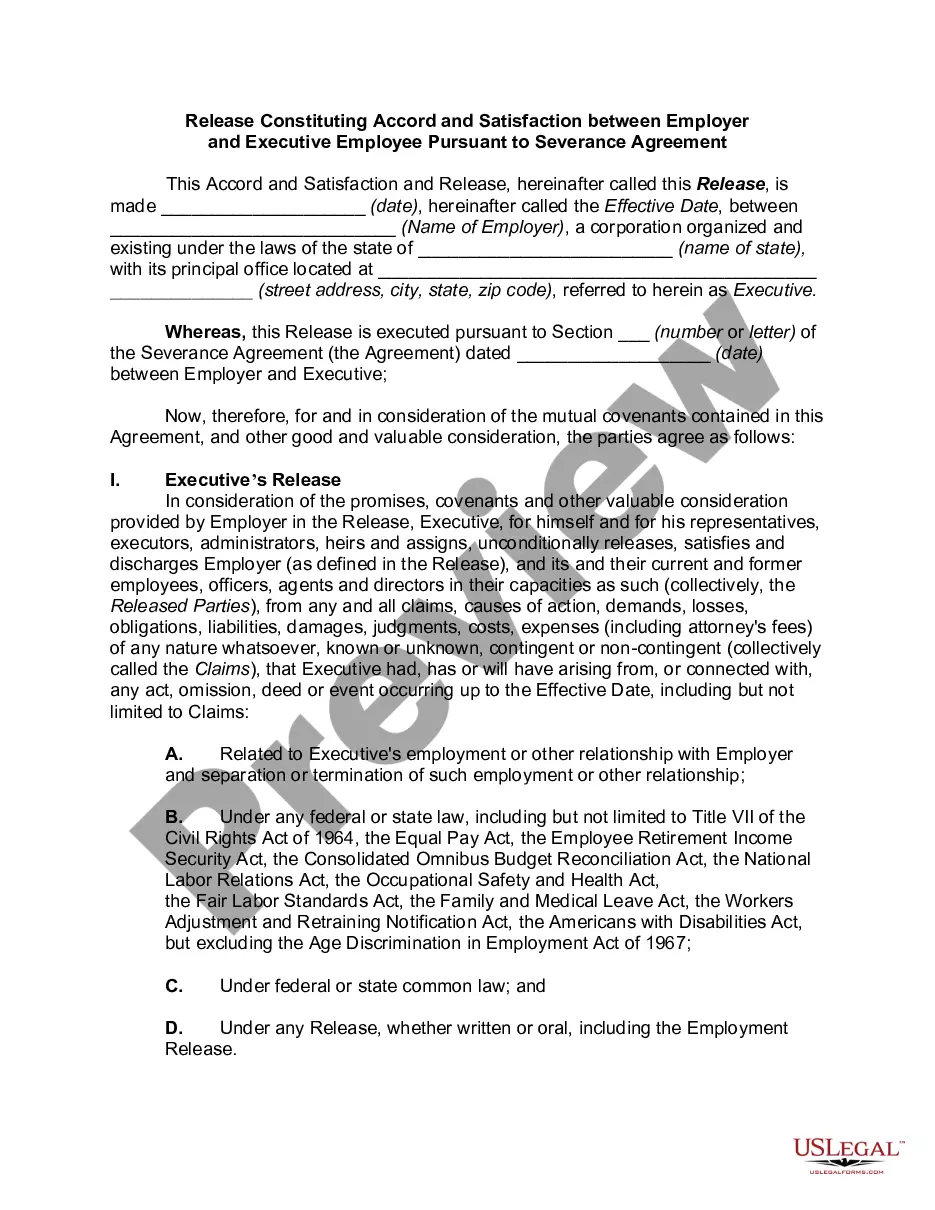
Get your form ready online
Our built-in tools help you complete, sign, share, and store your documents in one place.
Make edits, fill in missing information, and update formatting in US Legal Forms—just like you would in MS Word.
Download a copy, print it, send it by email, or mail it via USPS—whatever works best for your next step.
Sign and collect signatures with our SignNow integration. Send to multiple recipients, set reminders, and more. Go Premium to unlock E-Sign.
If this form requires notarization, complete it online through a secure video call—no need to meet a notary in person or wait for an appointment.
We protect your documents and personal data by following strict security and privacy standards.

Make edits, fill in missing information, and update formatting in US Legal Forms—just like you would in MS Word.

Download a copy, print it, send it by email, or mail it via USPS—whatever works best for your next step.

Sign and collect signatures with our SignNow integration. Send to multiple recipients, set reminders, and more. Go Premium to unlock E-Sign.

If this form requires notarization, complete it online through a secure video call—no need to meet a notary in person or wait for an appointment.

We protect your documents and personal data by following strict security and privacy standards.
Looking for another form?







Form popularity
FAQ
Keep it friendly. Don't hint that you may sue or are looking to make their lives difficult. Respond to the severance email or reach out to HR directly saying you'd like to discuss the severance agreement. Come prepared with research.
Wrongful termination occurs in the workplace when the reason behind the discharge is illegal or discriminatory. There are a broad scope of grounds that can give rise to a wrongful termination claim in Ohio.
The all-encompassing answer to this question is yes. You can sue for wrongful termination in Ohio, but wrongful termination must be alleged in an underlying legal claim, such as one relating to discrimination, retaliation, or some other unlawful reason.
What is the downside to severance? The downside to severance includes financial drawbacks such as loss of steady income, potential loss of benefits, and uncertainty about future job prospects, as well as the impact on retirement savings and benefits.
Stress alone cannot be the sole reason that you are bringing suit against your employer in Ohio. You will need to be able to show that your stress is based on illegal actions that have been taken by your employer or that your emotional distress is related to the behavior of management or the company itself toward you.
While multimillion awards are possible, it is crucial to keep in mind that federal laws limit the amount of punitive and compensatory damages awarded in cases involving wrongful termination. They cannot exceed $50,000 – $300,000, depending on the number of employees working for the employer's business.
First, employers may not fire employees for a discriminatory reason. Various Ohio and federal employment laws protect employees from termination based on age, disability, gender, race, religion, color, national origin, pregnancy, military status, or genetic information.
If the allegations involve discrimination or retaliation, employees should file a wrongful termination claim with the Equal Employment Opportunity Commission (EEOC) or the Ohio Civil Rights Commission (OCRC) within 180 days of termination.
In Ohio, for a contract to be legally enforceable, certain elements—like a valid offer, acceptance, and a meeting of the minds—must be present within the document or verbal agreement. These elements help ensure the enforceability of the contract and confirm the agreement is valid and binding under the law.