Investor Term Sheet Template With Confidentiality Statement In Allegheny
Description

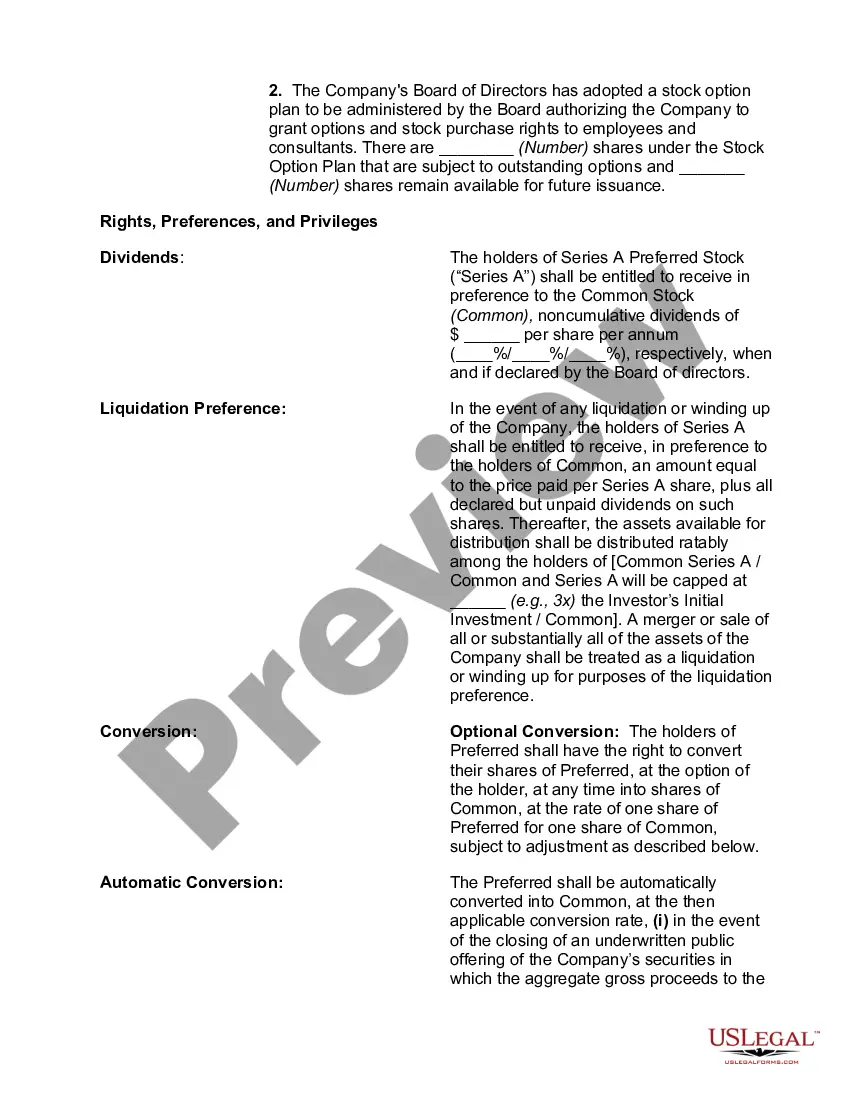
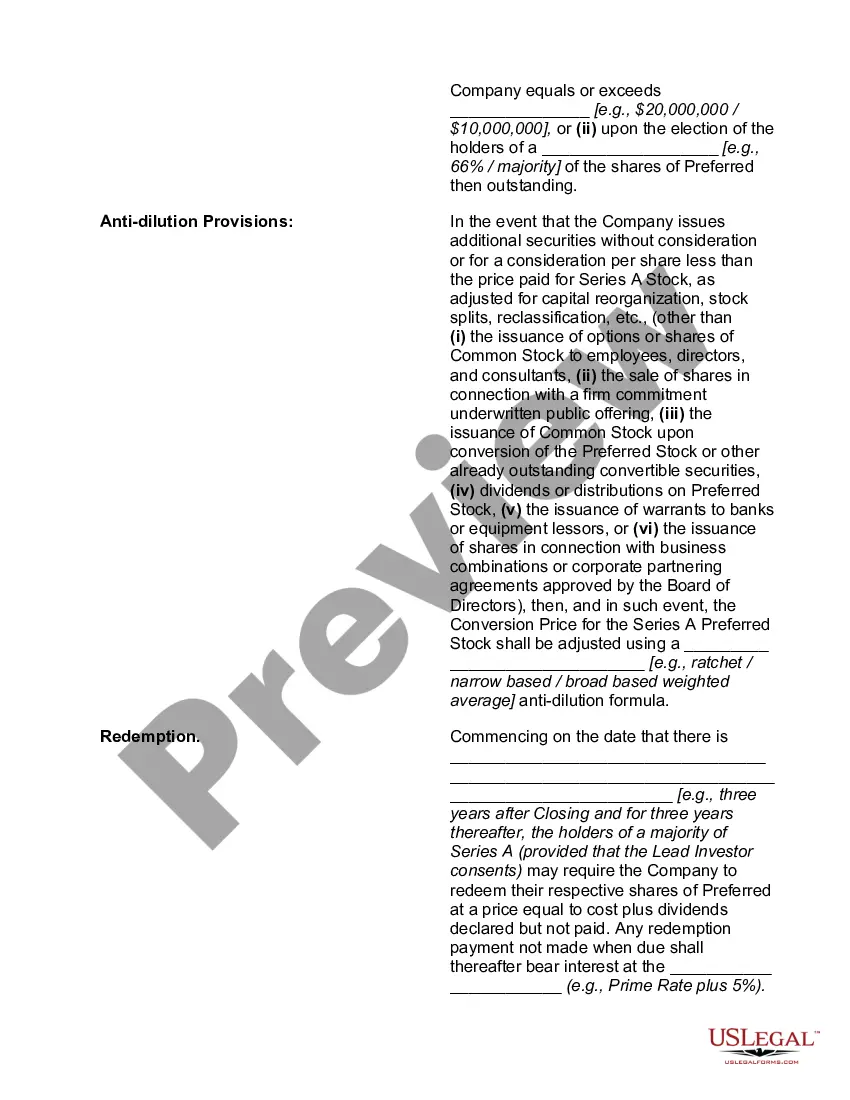
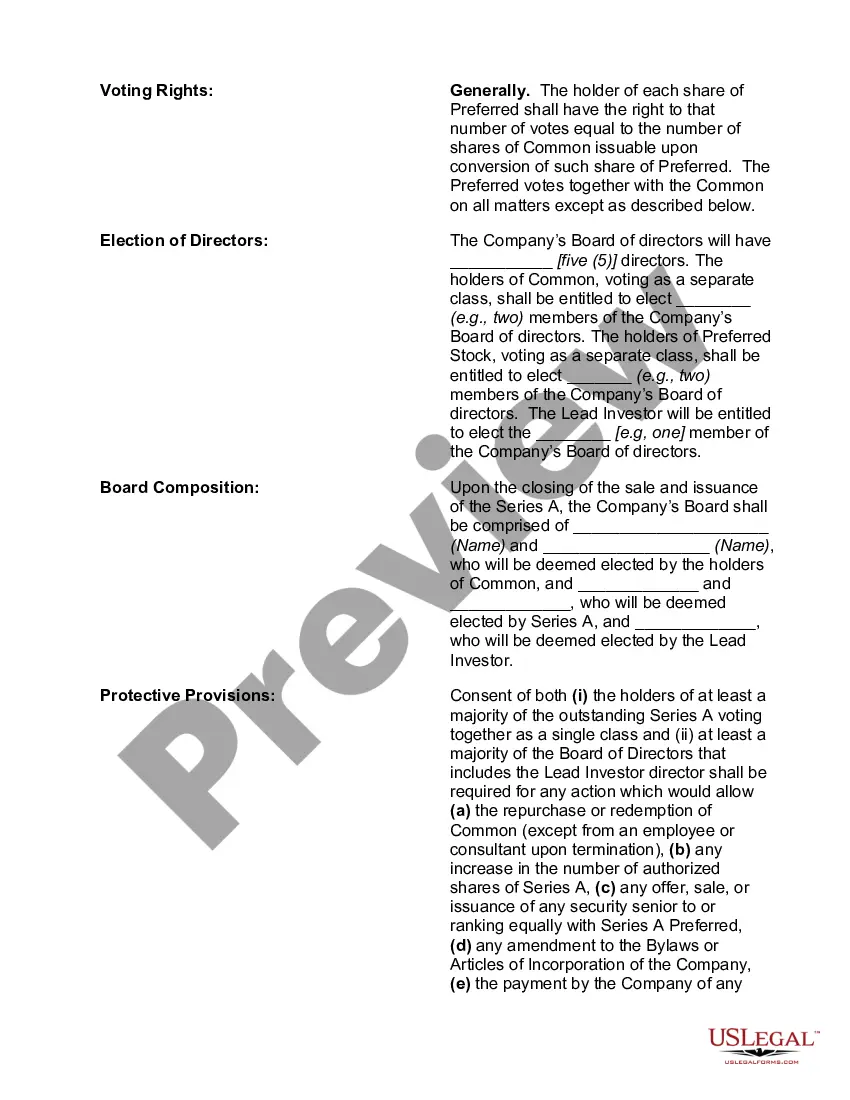
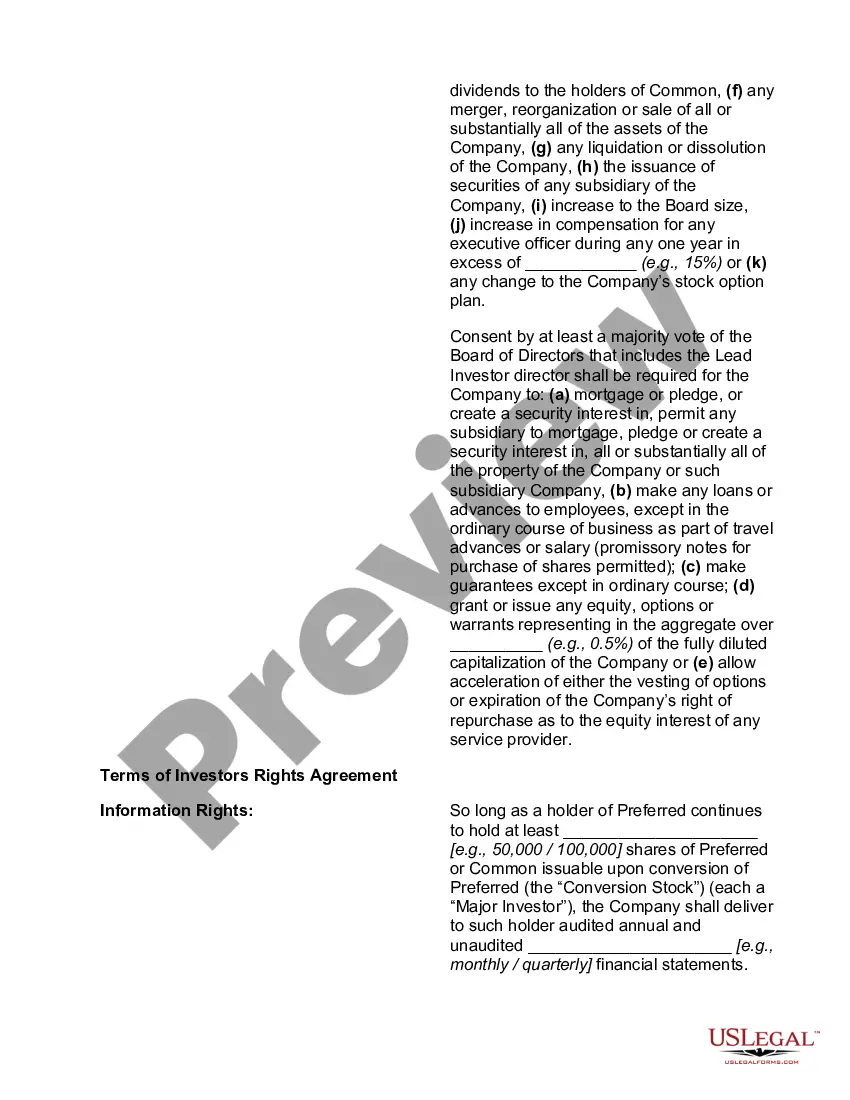
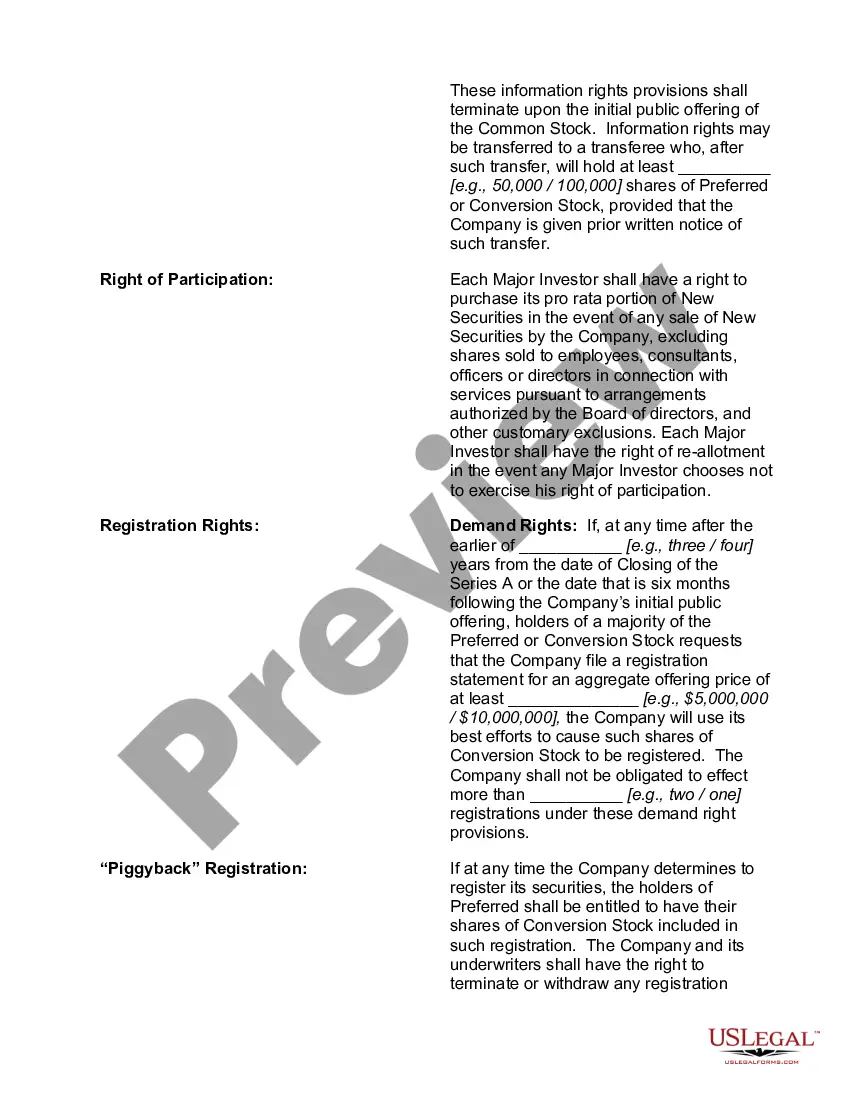
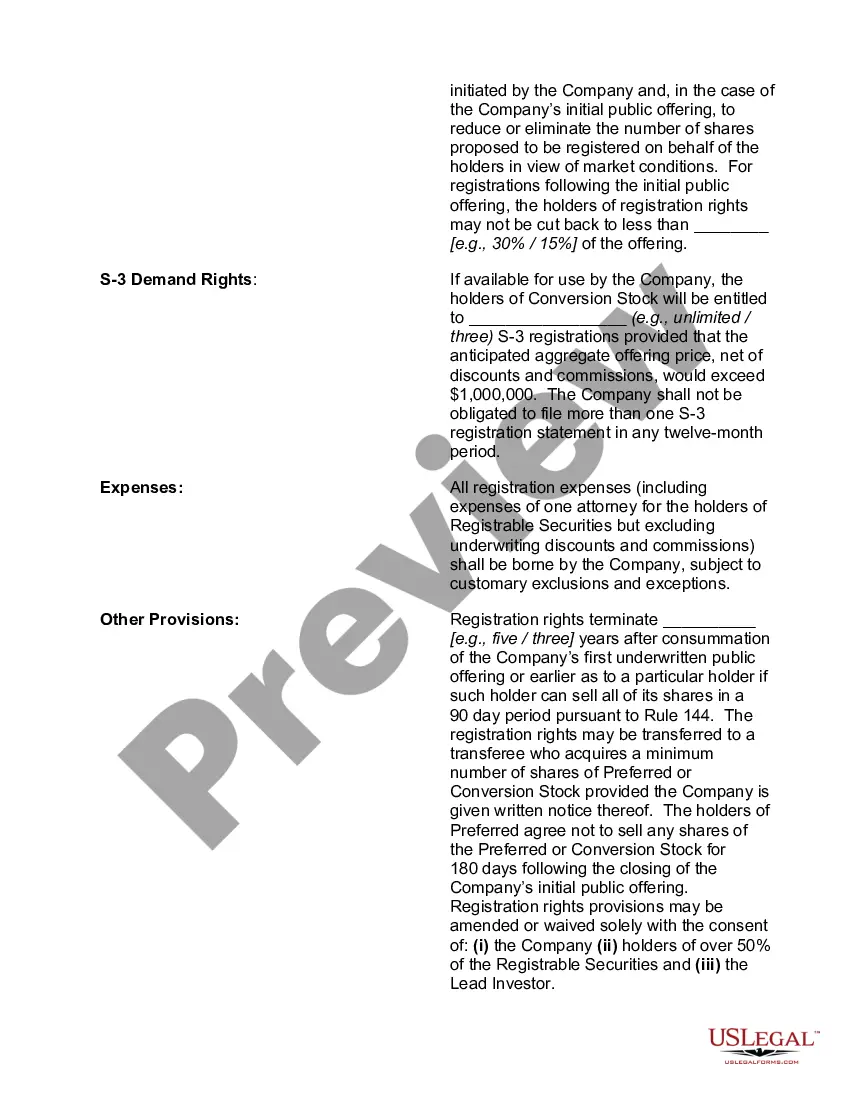
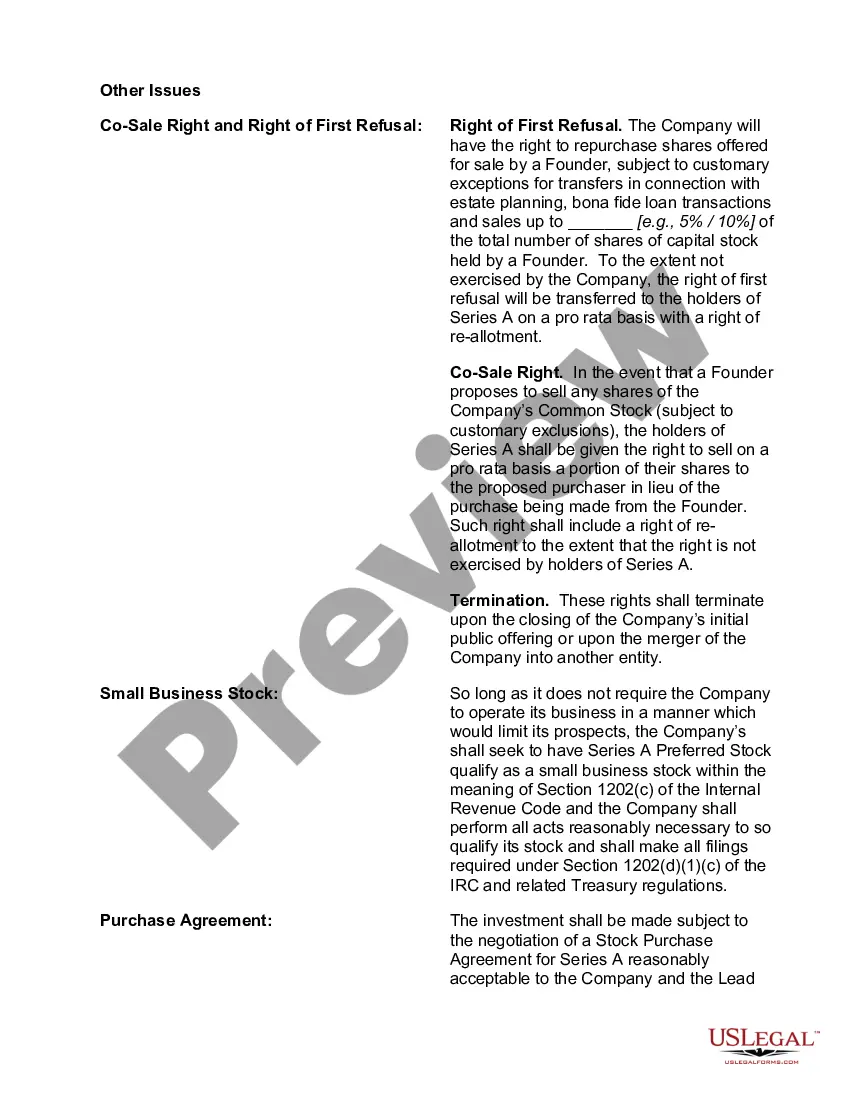
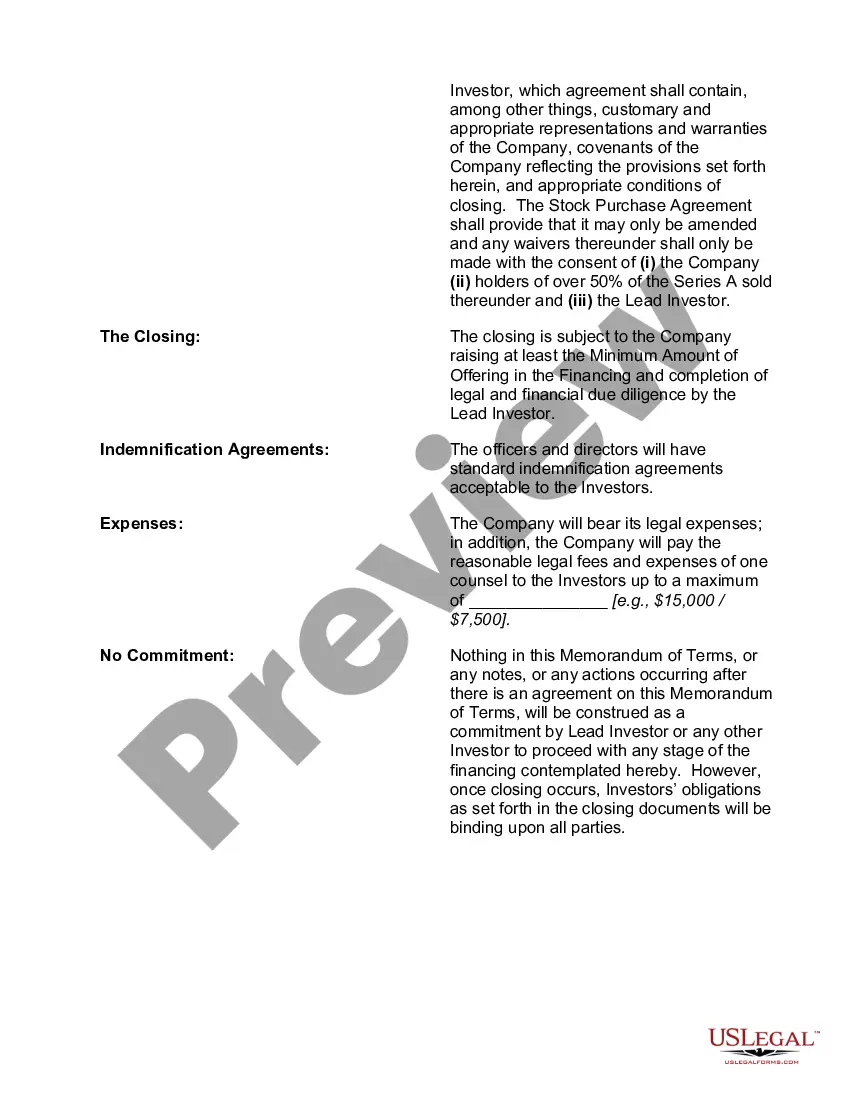
Get your form ready online
Our built-in tools help you complete, sign, share, and store your documents in one place.
Make edits, fill in missing information, and update formatting in US Legal Forms—just like you would in MS Word.
Download a copy, print it, send it by email, or mail it via USPS—whatever works best for your next step.
Sign and collect signatures with our SignNow integration. Send to multiple recipients, set reminders, and more. Go Premium to unlock E-Sign.
If this form requires notarization, complete it online through a secure video call—no need to meet a notary in person or wait for an appointment.
We protect your documents and personal data by following strict security and privacy standards.

Make edits, fill in missing information, and update formatting in US Legal Forms—just like you would in MS Word.

Download a copy, print it, send it by email, or mail it via USPS—whatever works best for your next step.

Sign and collect signatures with our SignNow integration. Send to multiple recipients, set reminders, and more. Go Premium to unlock E-Sign.

If this form requires notarization, complete it online through a secure video call—no need to meet a notary in person or wait for an appointment.

We protect your documents and personal data by following strict security and privacy standards.
Looking for another form?









Form popularity
FAQ
How to Prepare a Term Sheet Identify the Purpose of the Term Sheet Agreements. Briefly Summarize the Terms and Conditions. List the Offering Terms. Include Dividends, Liquidation Preference, and Provisions. Identify the Participation Rights. Create a Board of Directors. End with the Voting Agreement and Other Matters.
An investor will generally require stock in your firm to stay with you until you sell it. However, you may not want to give up a portion of your business. Many advisors suggest that those just starting out should consider giving somewhere between 10 and 20% of ownership.
In as little as 500 words, a VC's term sheet lays out the financial terms of the investment, how much your startup will be worth, who will control it and who will profit the most if the company is sold or goes public. The term sheet is akin to a letter of intent.
Although the term sheet itself is not typically legally binding, some term sheets contain certain legally binding provisions (for example, confidentiality or exclusivity).
In startup fundraising, a term sheet is a mostly non-binding document outlining the terms and conditions under which venture capitalist investors will invest in a startup. The economic terms outlined in terms sheets include company valuation, investment amount, percentage stake, and liquidation preference.
Legal counsel is essential when creating or reviewing a term sheet to ensure that the terms are clear, fair, and protect your interests. An experienced attorney can help identify potential issues and provide valuable negotiation advice.
Pursuant to the Case Records Public Access Policy of the Unified Judicial System of Pennsylvania, the Confidential. Information Form shall accompany a filing where confidential information is required by law, ordered by the court, or. otherwise necessary to effect the disposition of a matter.
What are examples of Confidential Information? Examples of confidential information include a person's phone number and address, medical records, and social security. Companies also have confidential information such as financial records, trade secrets, customer information, and marketing strategies.
Lawyers sometimes agree with one another to mark “Highly Confidential” documents which contain personal information, such as social security numbers or bank account numbers. Privileged information is confidential information that can never be disclosed, whether that information be testimonial or documentary.
