Partnering Angel Investor For Cafe In Alameda
Description

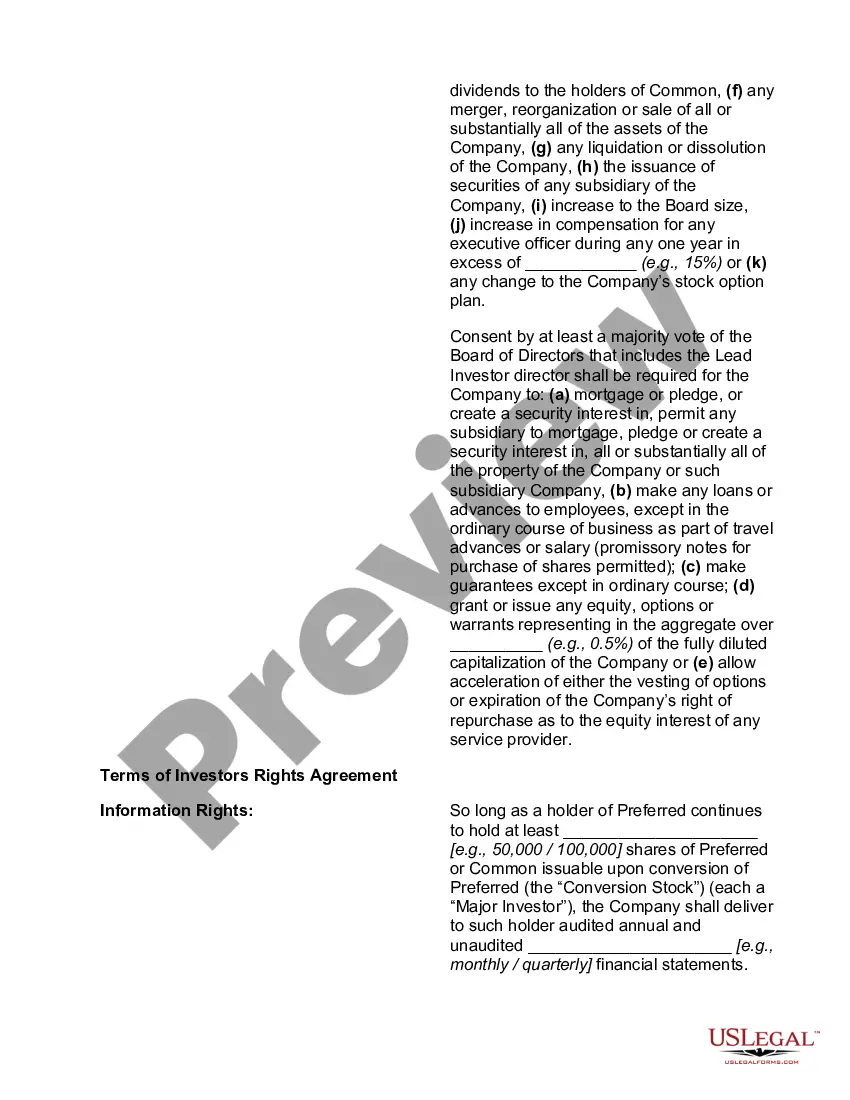
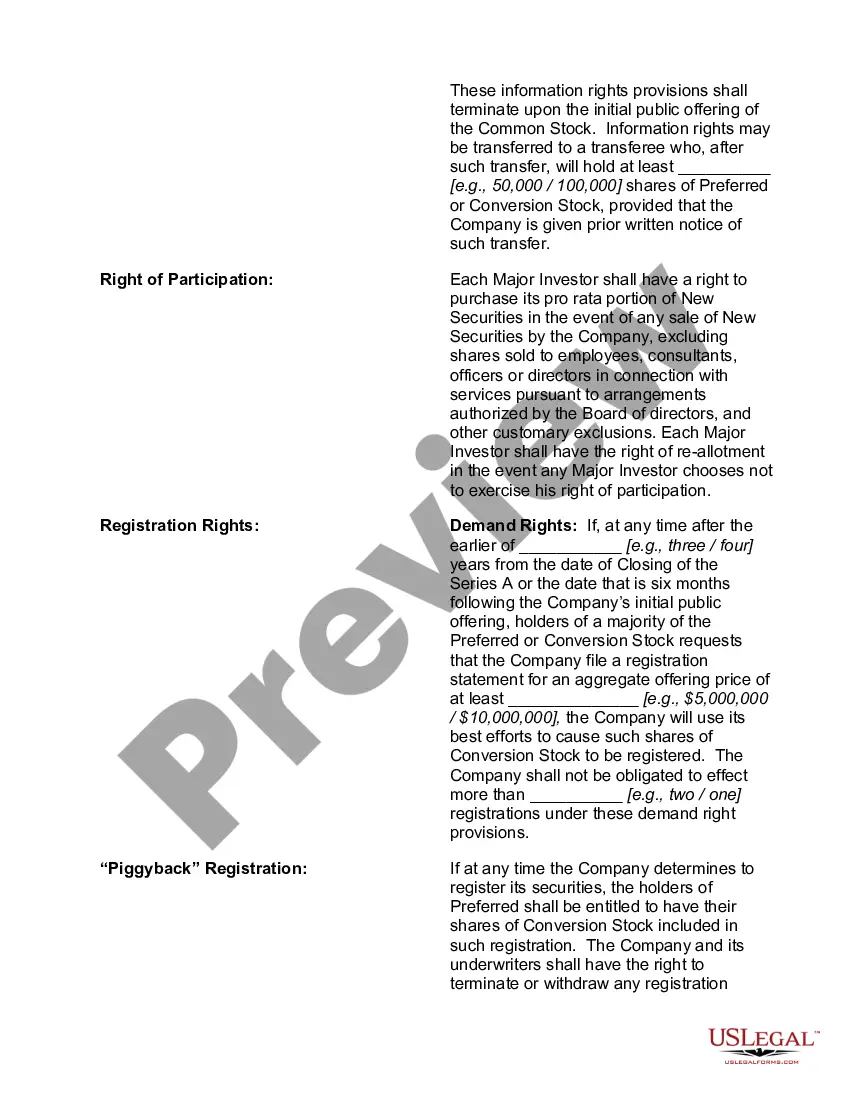
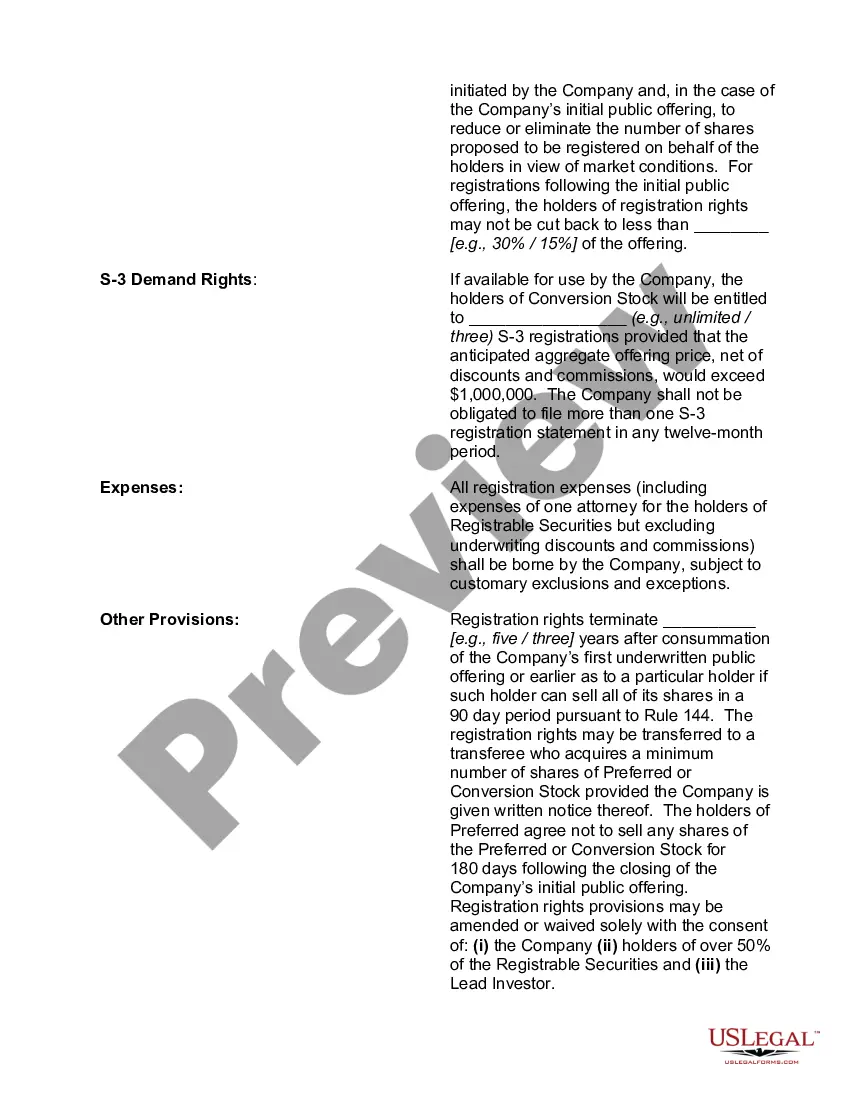
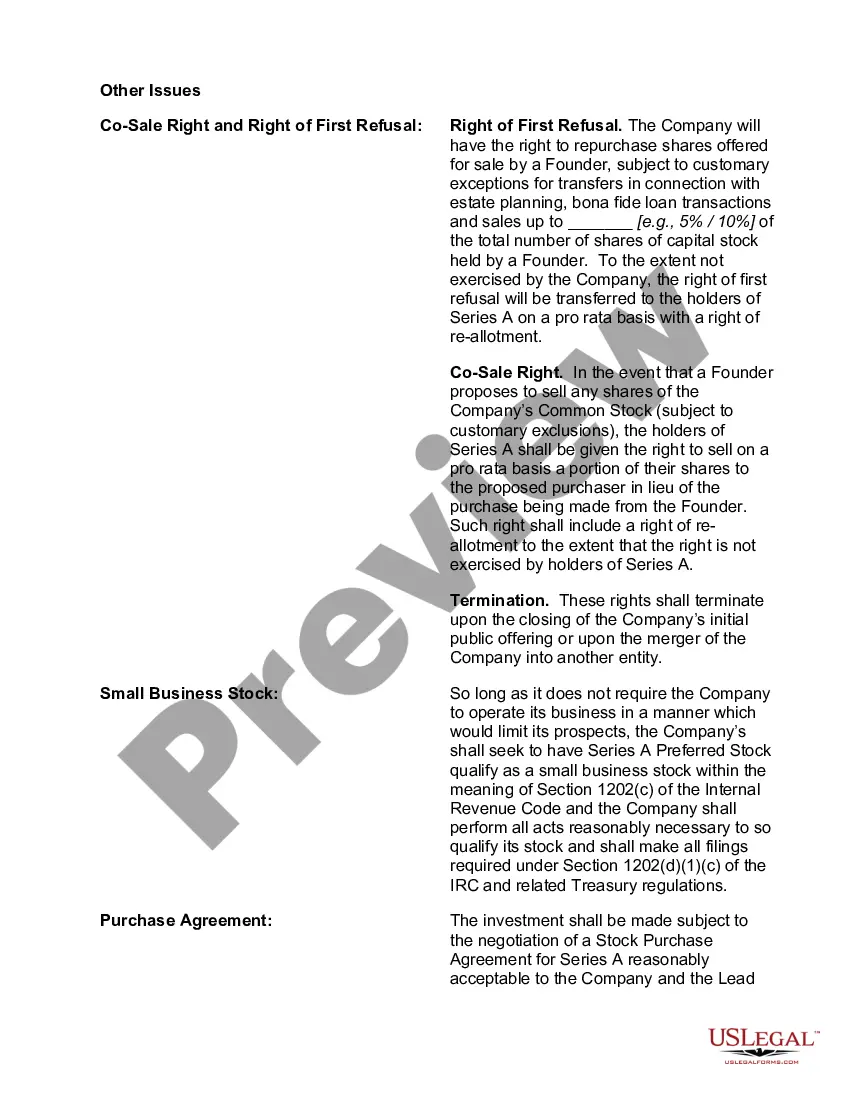
Get your form ready online
Our built-in tools help you complete, sign, share, and store your documents in one place.
Make edits, fill in missing information, and update formatting in US Legal Forms—just like you would in MS Word.
Download a copy, print it, send it by email, or mail it via USPS—whatever works best for your next step.
Sign and collect signatures with our SignNow integration. Send to multiple recipients, set reminders, and more. Go Premium to unlock E-Sign.
If this form requires notarization, complete it online through a secure video call—no need to meet a notary in person or wait for an appointment.
We protect your documents and personal data by following strict security and privacy standards.

Make edits, fill in missing information, and update formatting in US Legal Forms—just like you would in MS Word.

Download a copy, print it, send it by email, or mail it via USPS—whatever works best for your next step.

Sign and collect signatures with our SignNow integration. Send to multiple recipients, set reminders, and more. Go Premium to unlock E-Sign.

If this form requires notarization, complete it online through a secure video call—no need to meet a notary in person or wait for an appointment.

We protect your documents and personal data by following strict security and privacy standards.
Looking for another form?




Form popularity
FAQ
While there are no hard and fast rules, the most common ways to structure an angel investment is by taking on board a minority stake in the company, or investing in convertible debt.
It's typically between around 10% and 25% but it can be as much as 40% or more. Angel investment is most suitable if your business has growth potential, and you're willing to give up part ownership in return for investment.
While there are a number of ways an investment can be structured, deals you come across will commonly be one of three structures: Convertible Notes. Convertible notes (also known as convertible debt), are a form of debt that convert to equity once a company raises a further round of financing. SAFEs. Priced Rounds.
Typically, an angel investment deal is typically composed of two key elements: an investment in equity, and a convertible note. Each of these components has distinct characteristics and implications for both the investor and the entrepreneur.
7 Sources for finding Potential Investors: Your Social Network. Incubators. Research Databases. Angel Investor Groups. Angel Investors. Venture Capitalists. Funding Portals + Crowdfunding.
You can start by exploring online investor directories like AngelList and EquityNet. They provide comprehensive lists of all the accredited investors in the area. Check out this list of the best angel investor networks in San Francisco for more information.
Attend networking events. Look for industry events and conferences to meet like-minded professionals and angel investors. Remember, it's not just about what you know—it's also about who you know. When attending industry events, take advantage of networking opportunities.
How to find investors: 8 options for funding. Friends and family. Many investors come with strings attached: interest rates, partial ownership, or even a role as a board member. Equity financing. Venture capitalists. Angel investors. Incubator. Accelerator programs. Crowdfunding platforms. Traditional business loans.
There are two possible registration levels for a trademark: state and federal. If your business only operates within state lines, you can choose to register your trademark with the state trademark office. If your business operates nationwide, you'll need to register with the United States Patent and Trademark Office.
A fictitious business name statement (known as Doing Business As or DBA) must be registered with the city and/or county clerk in the county of the registrant's principal place of business if the business is: A sole proprietorship doing business under a name not containing the owner's surname. A partnership.