Appointment Resolutions With Love In Utah
Description
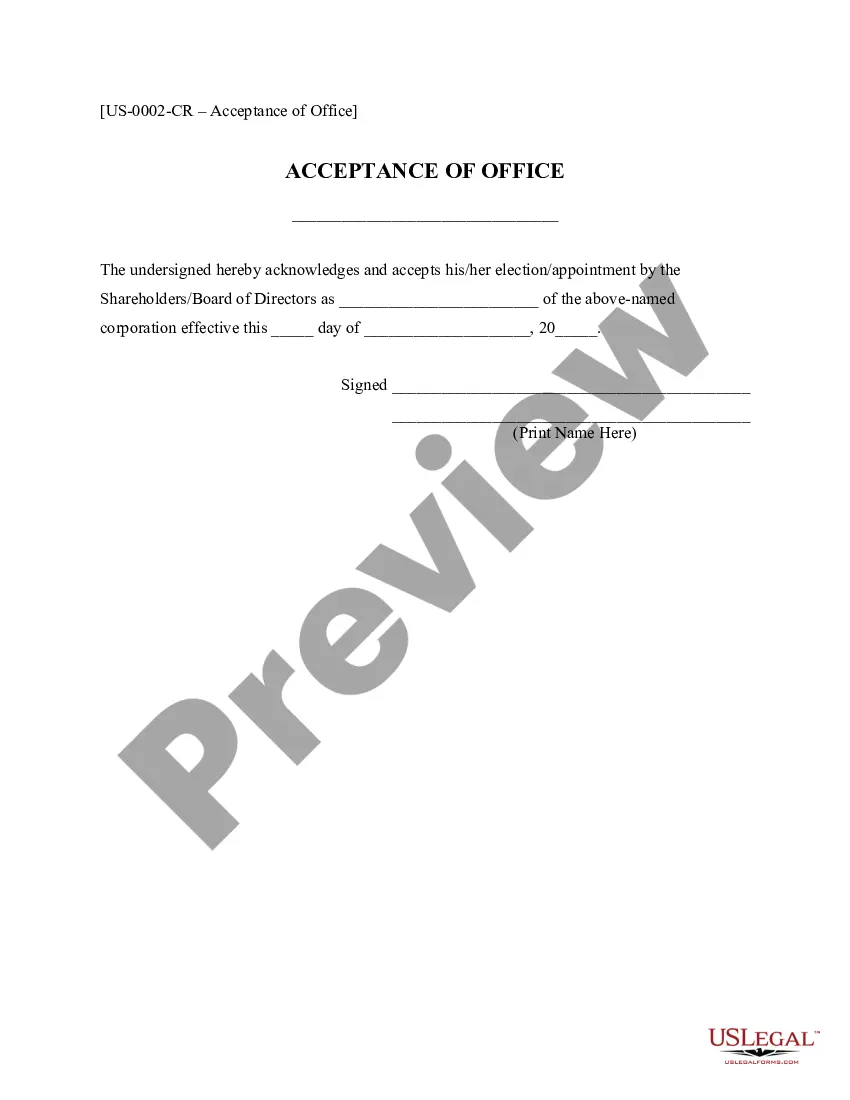
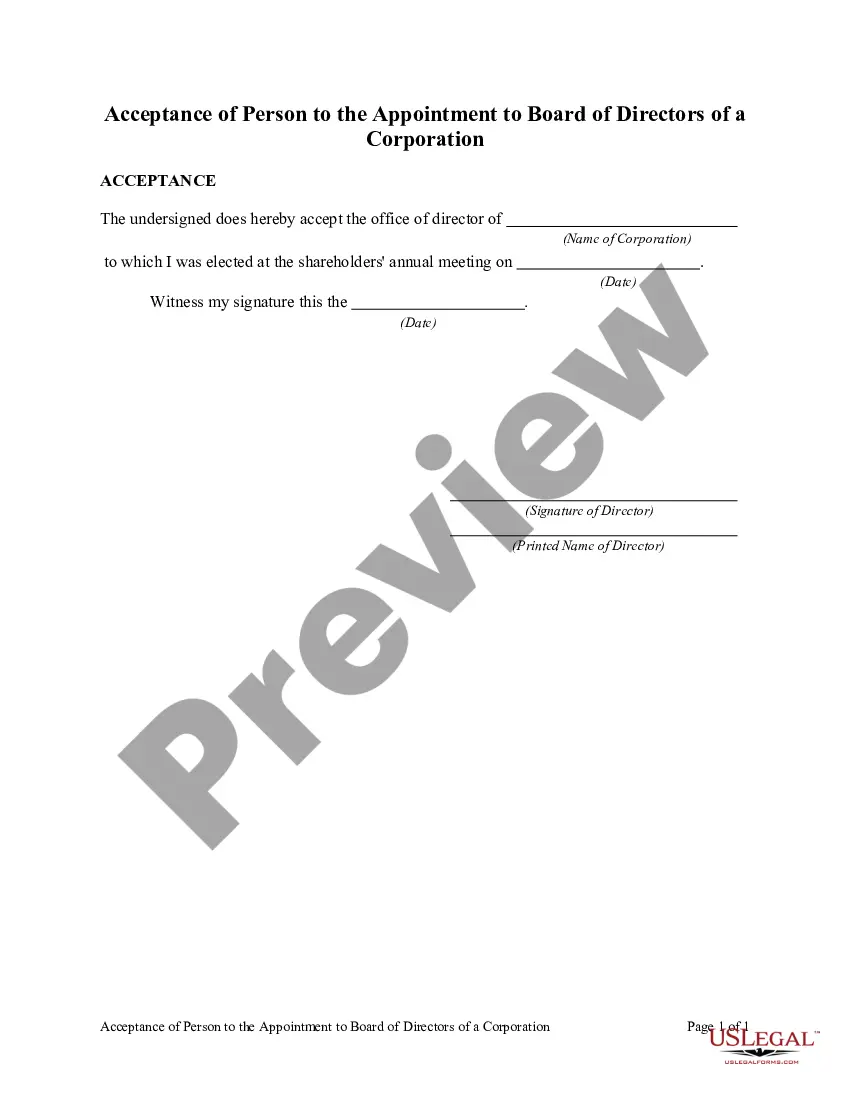
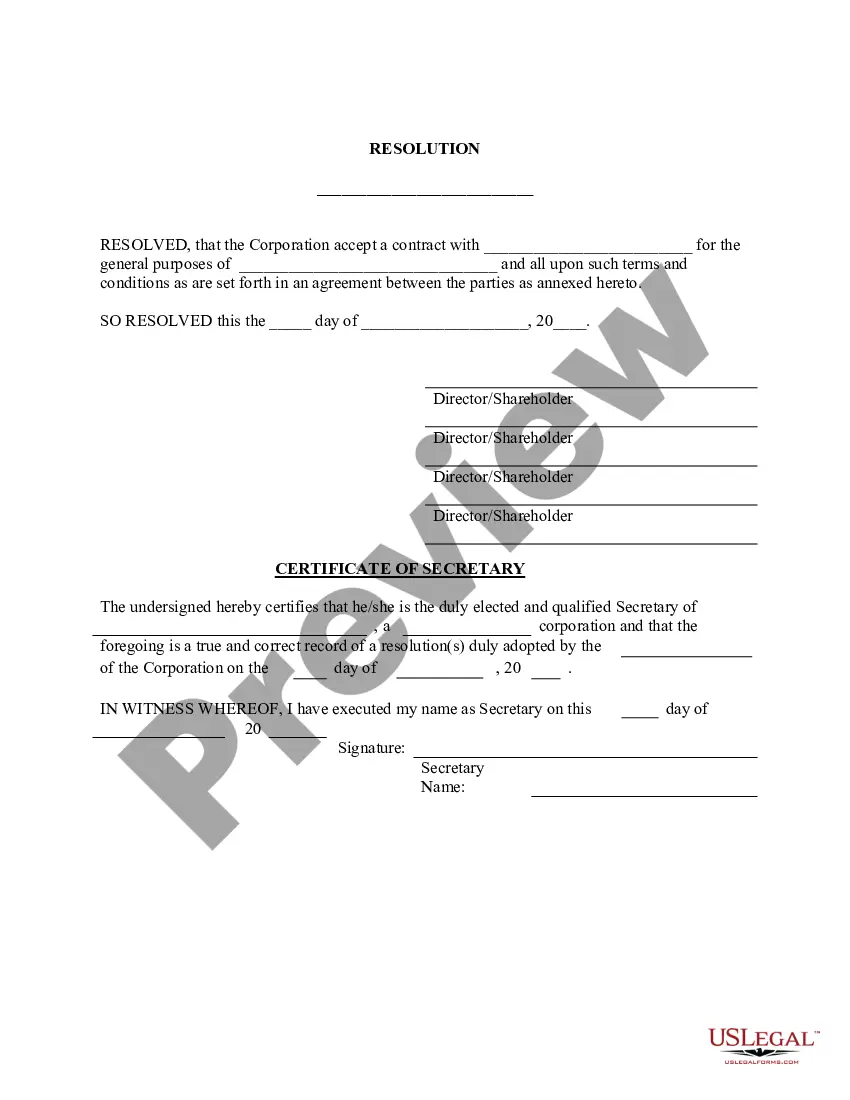
Get your form ready online
Our built-in tools help you complete, sign, share, and store your documents in one place.
Make edits, fill in missing information, and update formatting in US Legal Forms—just like you would in MS Word.
Download a copy, print it, send it by email, or mail it via USPS—whatever works best for your next step.
Sign and collect signatures with our SignNow integration. Send to multiple recipients, set reminders, and more. Go Premium to unlock E-Sign.
If this form requires notarization, complete it online through a secure video call—no need to meet a notary in person or wait for an appointment.
We protect your documents and personal data by following strict security and privacy standards.

Make edits, fill in missing information, and update formatting in US Legal Forms—just like you would in MS Word.

Download a copy, print it, send it by email, or mail it via USPS—whatever works best for your next step.

Sign and collect signatures with our SignNow integration. Send to multiple recipients, set reminders, and more. Go Premium to unlock E-Sign.

If this form requires notarization, complete it online through a secure video call—no need to meet a notary in person or wait for an appointment.

We protect your documents and personal data by following strict security and privacy standards.
Looking for another form?

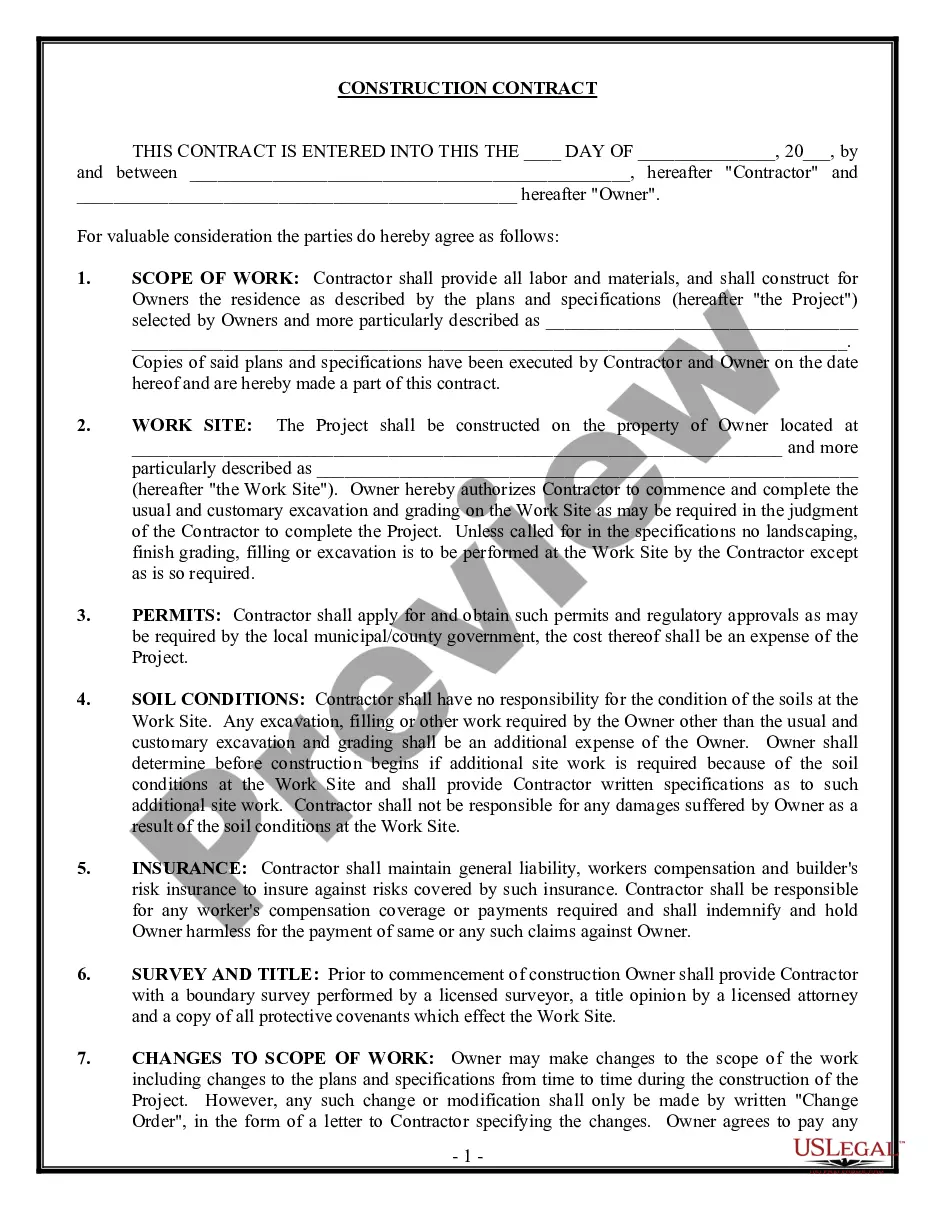








Form popularity
FAQ
About Resolutions Simple resolution –A simple resolution need only be passed by the house of origin (House or Senate). Joint Resolution –A joint resolution must be passed by both House and Senate. Concurrent Resolution –A concurrent resolution must be passed by the House and Senate and signed by the governor.
In law, a resolution is a motion, often in writing, which has been adopted by a deliberative body (such as a corporations' board and or the house of a legislature). An alternate term for a resolution is a resolve.
Requests can be submitted a number of ways: Download a GRAMA Request form (PDF); complete it and submit to the Recorder's Office for processing. Submit a request online using the City Recorder - Digital GRAMA Request Form. Submit a request online through the State of Utah Open Records Portal.
A joint resolution originating in the House of Representatives is designated “H.J. Res.” followed by its individual number. Joint resolutions become law in the same manner as bills.
Resolutions are also legislation, but unlike bills they may be limited in effect to the Congress or one of its chambers. Simple resolutions relate to the operations of a single chamber or express the collective opinion of that chamber on public policy issues.
What is a Resolution? A resolution is an official expression of the opinion or will of a legislative body. The practice of submitting and voting on resolutions is a typical part of business in Congress, state legislatures, and student government associations.
A simple resolution is considered by only one chamber and is used for procedural matters and rules. For example, during the 100th Congress, the House of Representatives amended its rules to allow members to refer to the Senate as "the Senate" instead of as "the other body".
Concurrent Resolution –A concurrent resolution must be passed by the House and Senate and signed by the governor. It is used to express the position of the state on a specific matter.
GRAMA requires a person making a request for a record to provide a written request containing the requester's name, mailing address, email address (if available), daytime phone number, and a description that identifies the record with reasonable specificity.
Note: Utah Code § 63G-2-204 (GRAMA) requires a person making a records request furnish the governmental entity with a written request containing the requester's name, mailing address, daytime telephone number (if available); and a description of the record requested that identifies the record with reasonable ...

