Director Appointment Resolution Format In Salt Lake
Description
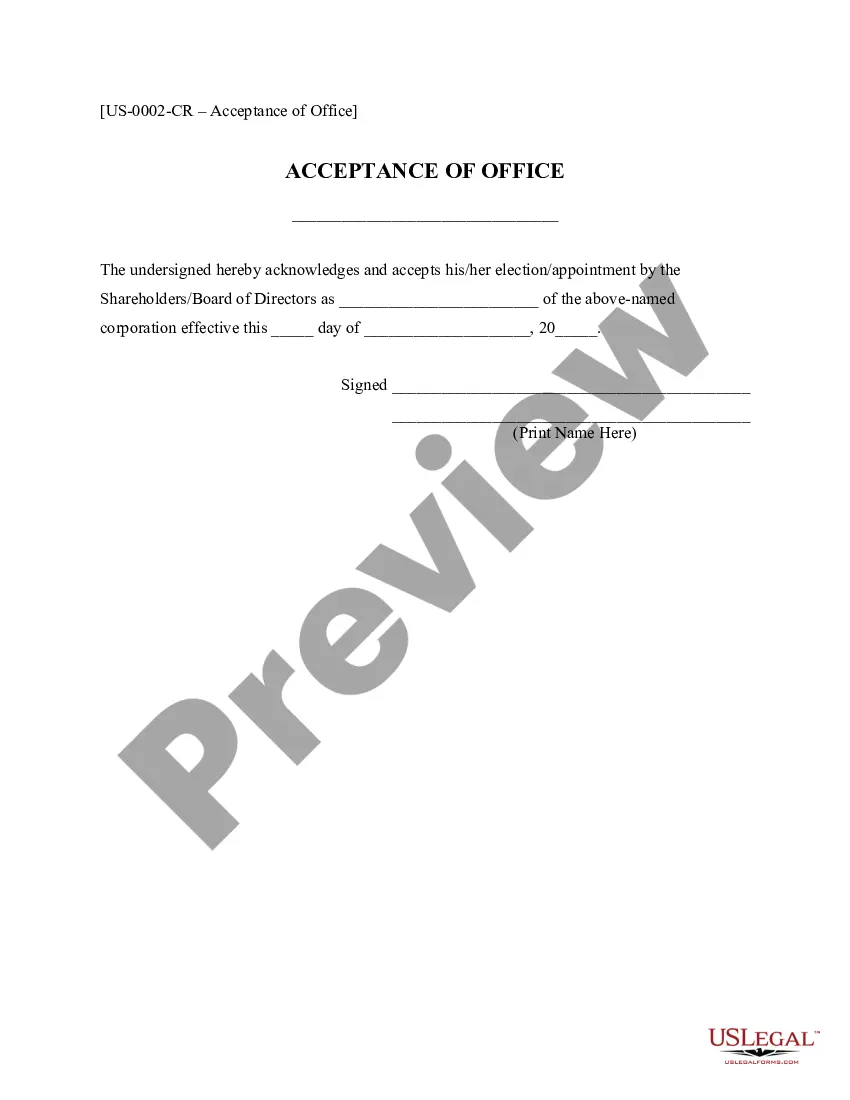

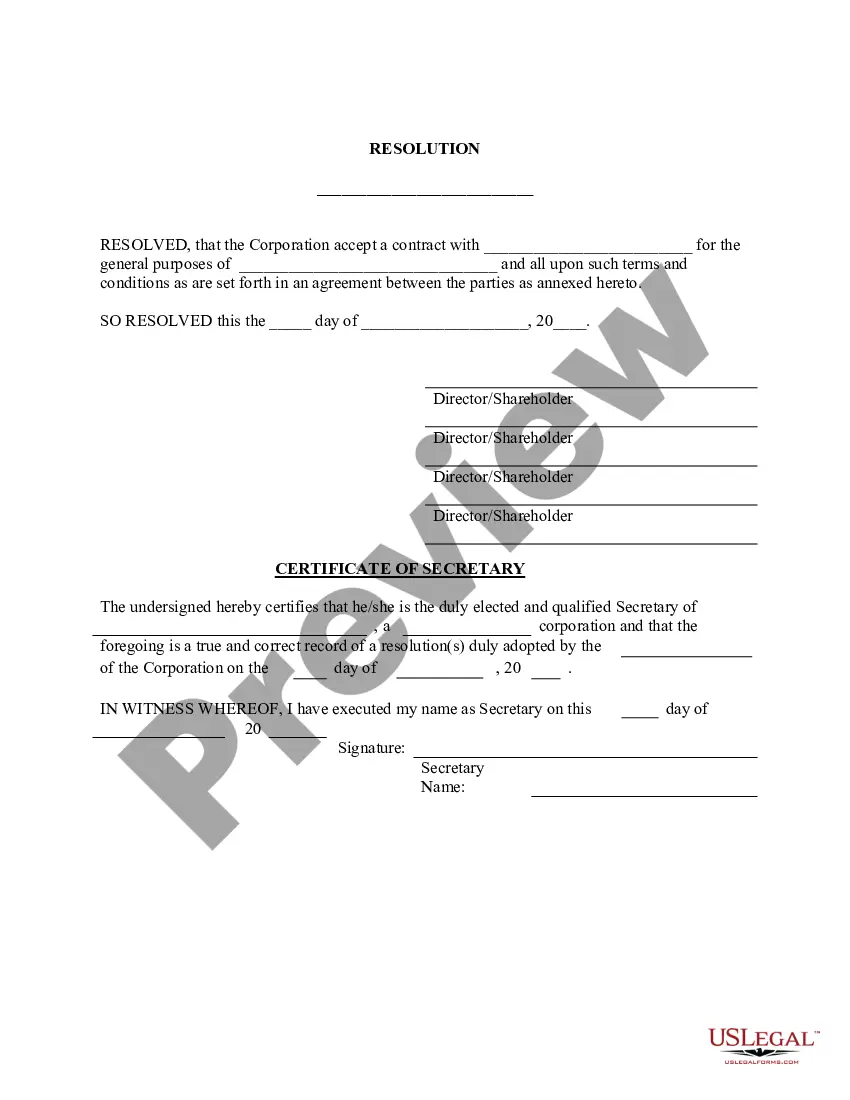
Get your form ready online
Our built-in tools help you complete, sign, share, and store your documents in one place.
Make edits, fill in missing information, and update formatting in US Legal Forms—just like you would in MS Word.
Download a copy, print it, send it by email, or mail it via USPS—whatever works best for your next step.
Sign and collect signatures with our SignNow integration. Send to multiple recipients, set reminders, and more. Go Premium to unlock E-Sign.
If this form requires notarization, complete it online through a secure video call—no need to meet a notary in person or wait for an appointment.
We protect your documents and personal data by following strict security and privacy standards.

Make edits, fill in missing information, and update formatting in US Legal Forms—just like you would in MS Word.

Download a copy, print it, send it by email, or mail it via USPS—whatever works best for your next step.

Sign and collect signatures with our SignNow integration. Send to multiple recipients, set reminders, and more. Go Premium to unlock E-Sign.

If this form requires notarization, complete it online through a secure video call—no need to meet a notary in person or wait for an appointment.

We protect your documents and personal data by following strict security and privacy standards.
Looking for another form?








Form popularity
FAQ
The board resolution for appointment of director in company must identify the names of the director (s), their designation, the entity, and their consent. It must be two-staged. The resolution must be approved by the meeting to cover any future disputes.
“RESOLVED THAT the appointment of Mr. / Ms. ____________ as designated director of the company be and is hereby accepted subject to the prior-approval of Exchange (s). RESOLVED FURTHER THAT Mr. / Ms. ______ (Name of Director) (DIN - ____) and Mr. / Ms.
What is a board resolution? Board resolutions, also sometimes called directors' resolutions,' or 'resolution of the board of directors,' are records of the decisions the board of directors makes when they meet.
7 steps for writing a resolution Put the date and resolution number at the top. Give the resolution a title that relates to the decision. Use formal language. Continue writing out each critical statement. Wrap up the heart of the resolution in the last statement.
A resolution of the board of directors is not required for day-to-day activities like reviewing the organization's financials or discussing strategic opportunities. Still, formal votes, approvals, and documentation are all needed for significant board decisions.
This is usually done by passing an ordinary resolution in favour of the appointment (ie a majority of the shareholders agree to the appointment). Make sure to check the articles to see whether they impose any different requirements (eg requiring at least 75% of shareholders to agree to the appointment).
Shareholder Approval: Appointment of an independent director in a listed entity requires shareholder approval through a special resolution (SEBI Regulations).
Get approval to appoint a new director In the case of companies that have adopted Model articles, the appointment of a new director can be approved by way of a simple majority of votes at a board meeting. Alternatively, a written resolution can achieve the same result, but it must be unanimous.
All “Resolved” clauses within a resolution should use the objective form of the verb (for example, “Resolved, that the American Library Association (ALA), on behalf of its members: (1) supports...; (2) provides...; and last resolved urges....") rather than the subjunctive form of the verb (for example, “Resolved, ...

