Appointment Resolution Format In Massachusetts
Description
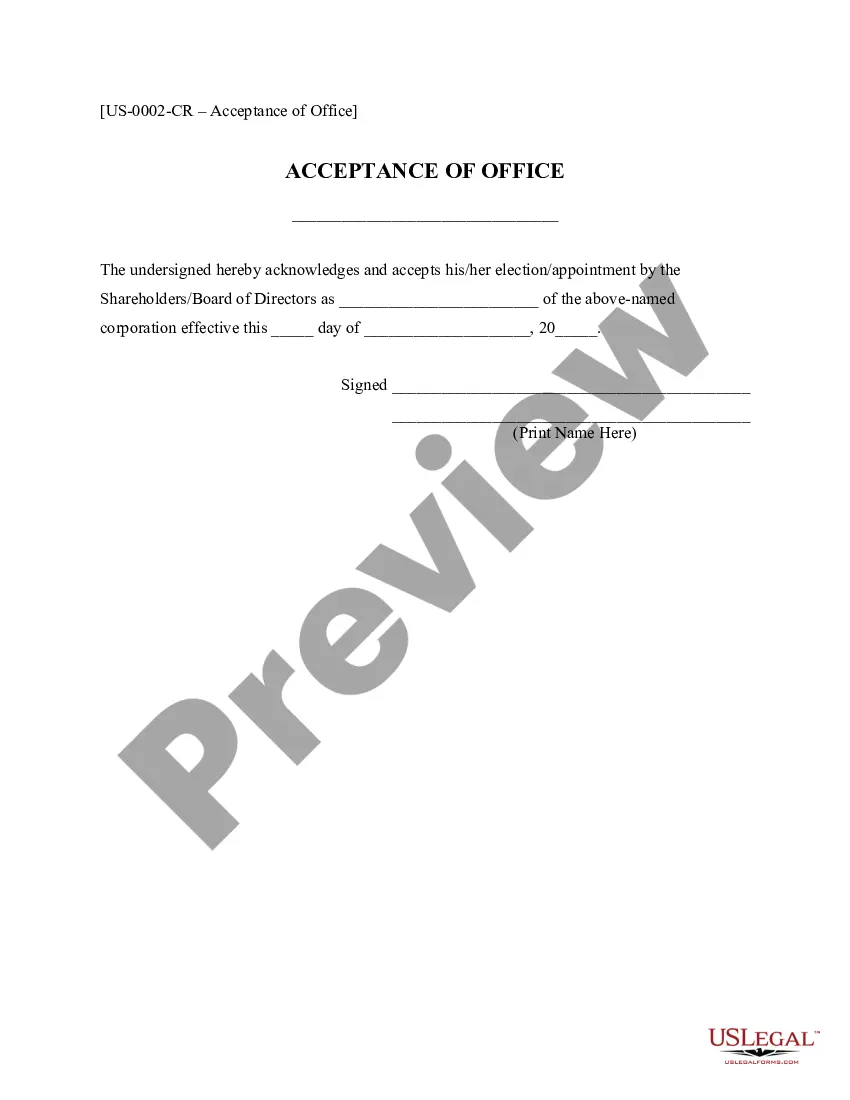
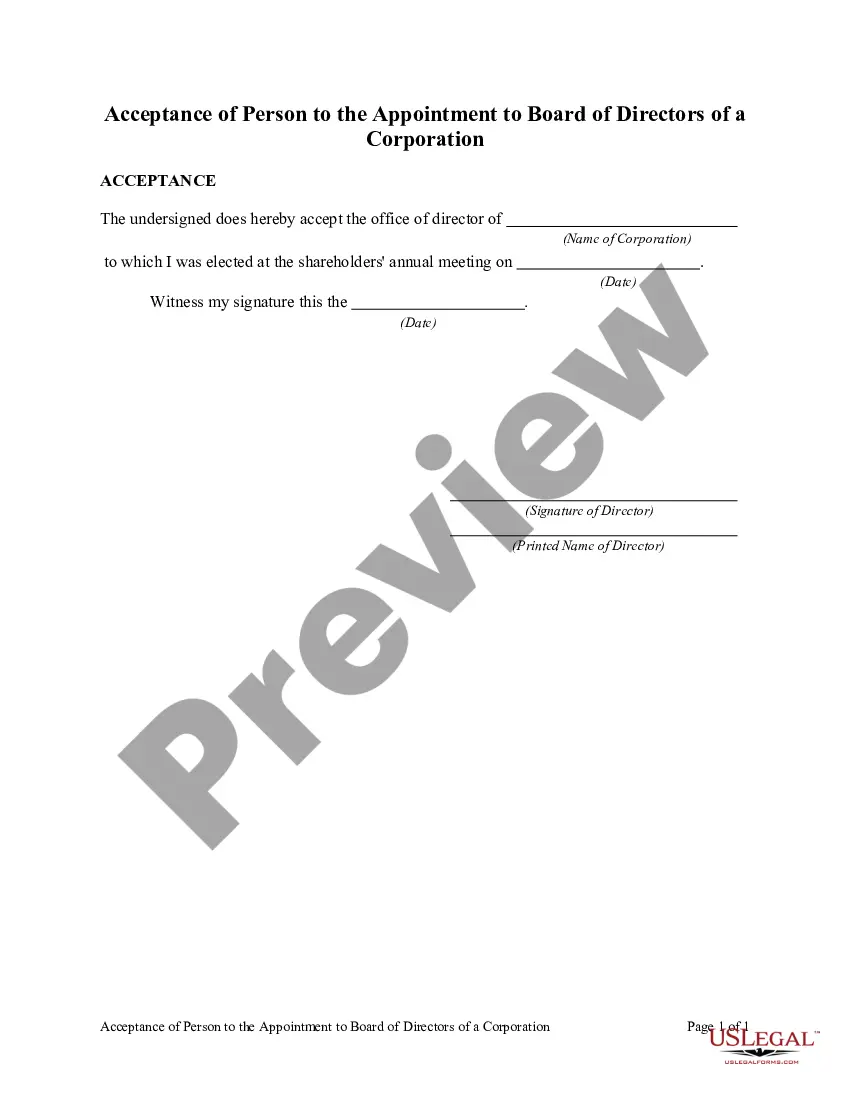
Get your form ready online
Our built-in tools help you complete, sign, share, and store your documents in one place.
Make edits, fill in missing information, and update formatting in US Legal Forms—just like you would in MS Word.
Download a copy, print it, send it by email, or mail it via USPS—whatever works best for your next step.
Sign and collect signatures with our SignNow integration. Send to multiple recipients, set reminders, and more. Go Premium to unlock E-Sign.
If this form requires notarization, complete it online through a secure video call—no need to meet a notary in person or wait for an appointment.
We protect your documents and personal data by following strict security and privacy standards.

Make edits, fill in missing information, and update formatting in US Legal Forms—just like you would in MS Word.

Download a copy, print it, send it by email, or mail it via USPS—whatever works best for your next step.

Sign and collect signatures with our SignNow integration. Send to multiple recipients, set reminders, and more. Go Premium to unlock E-Sign.

If this form requires notarization, complete it online through a secure video call—no need to meet a notary in person or wait for an appointment.

We protect your documents and personal data by following strict security and privacy standards.
Looking for another form?









Form popularity
FAQ
Open meeting laws, also called sunshine laws, require that, with notable exceptions, most meetings of federal and state government agencies and regulatory bodies be open to the public, along with their decisions and records.
The Open Meeting Law requires that most meetings of public bodies be held in public, and it establishes rules that public bodies must follow in the creation and maintenance of records relating to those meetings.
If you cannot find what you are looking for, please contact us at 617-963-2540 or at openmeeting@state.ma.
The complaint must be filed using the Open Meeting Law complaint form available on the Attorney General's website. Public bodies, or in the case of local public bodies the municipal clerk, should provide members of the public with a copy of the complaint form upon request.
Upon finding a violation of the Open Meeting Law, the Attorney General may impose a civil penalty upon a public body of not more than $1,000 for each intentional violation.
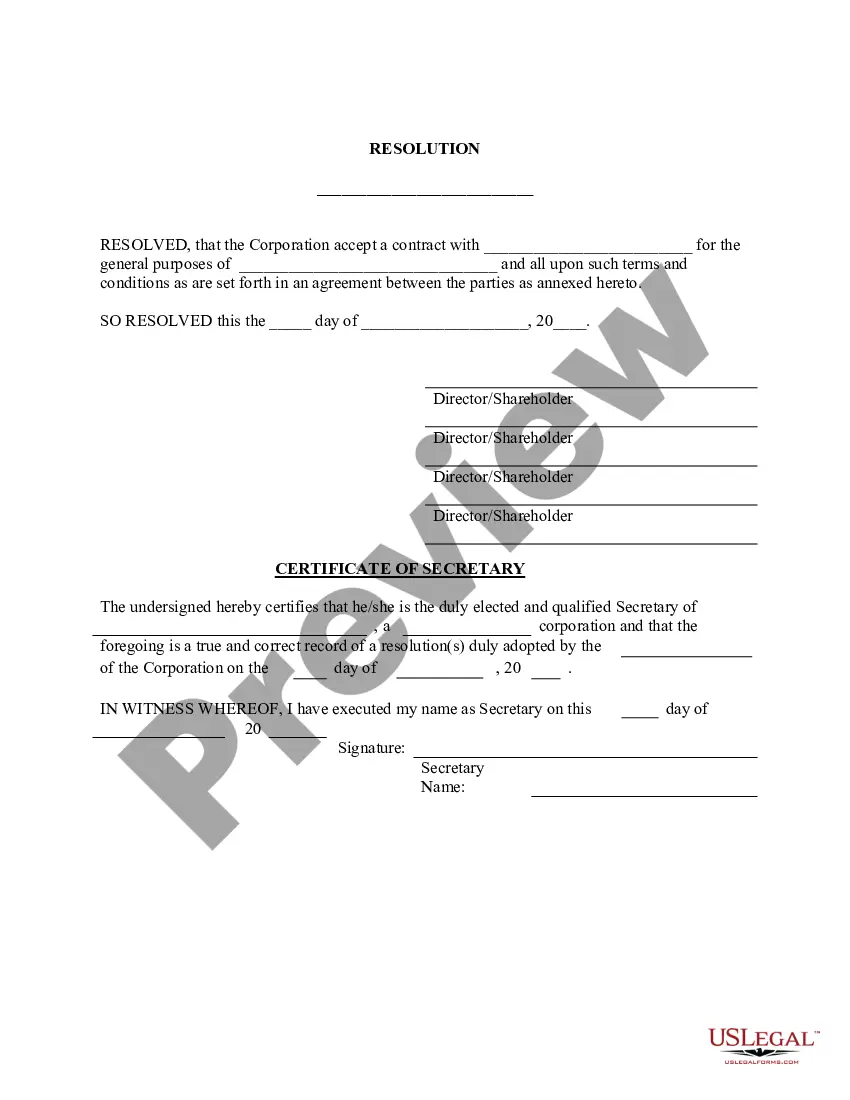
What should corporate resolutions include? Your corporation's name. Date, time and location of meeting. Statement of unanimous approval of resolution. Confirmation that the resolution was adopted at a regularly called meeting. Resolution. Statement authorizing officers to carry out the resolution.
The new rule allows a party to move for summary judgment at any time, even as early as the commencement of the action. If the motion seems premature both subdivision (c)(1) and Rule 6(b) allow the court to extend the time to respond. The rule does set a presumptive deadline at 30 days after the close of all discovery.
See Local Rules 7.1, 56.1. 3. Reply: The moving party may file a reply as of right within seven (7) days of the filing of the opposition, except as to motions for summary judgment, where a reply may be filed within fourteen (14) days after the opposition is served. A reply shall not exceed ten (10) pages.
What's included in a corporate resolution? Legal company identification. Company legal name. Title and purpose of the resolution. Signatures of the individual(s) designated to sign resolutions (typically a chairman) List of board members present at the meeting. Date, time, and location of a board meeting.
A motion for summary judgment must be accompanied by a statement of the material facts as to which the moving party contends there is no genuine issue to be tried, set forth in consecutively numbered paragraphs, with page or paragraph references to supporting pleadings, depositions, answers to interrogatories, ...

