Approval For Appointment Letter In Fulton
Description
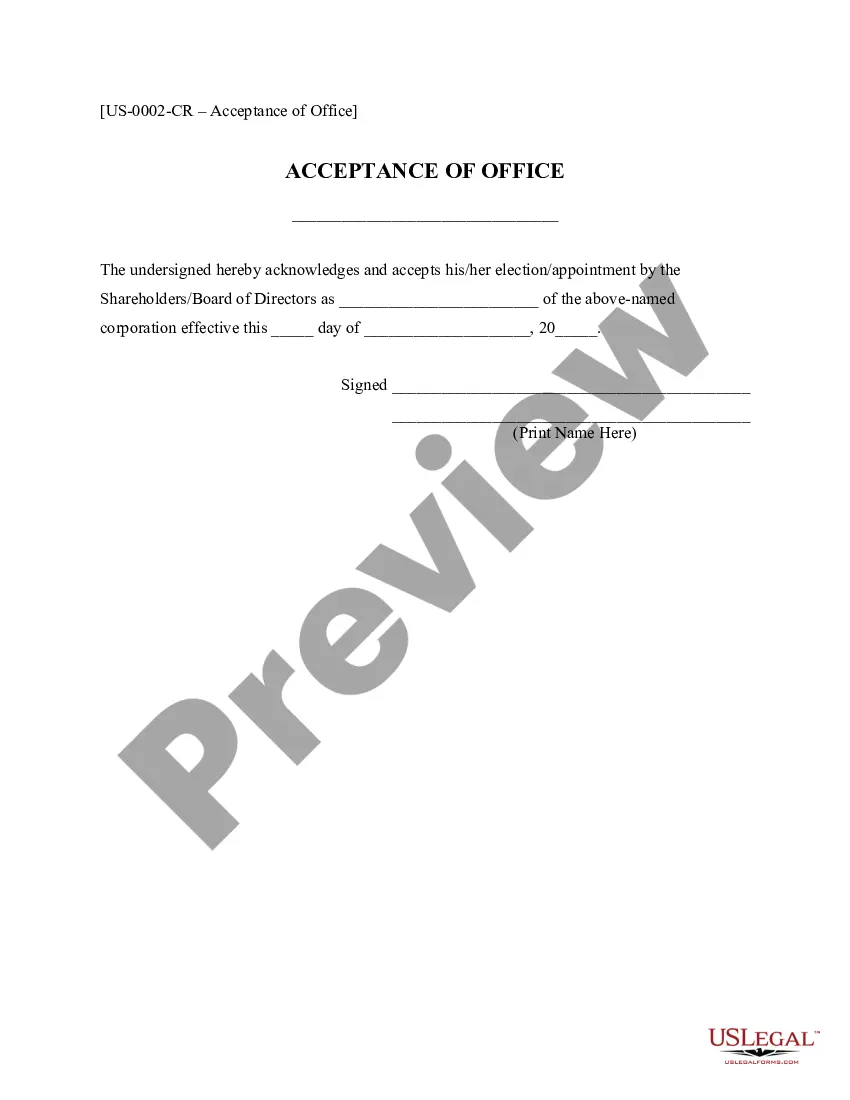

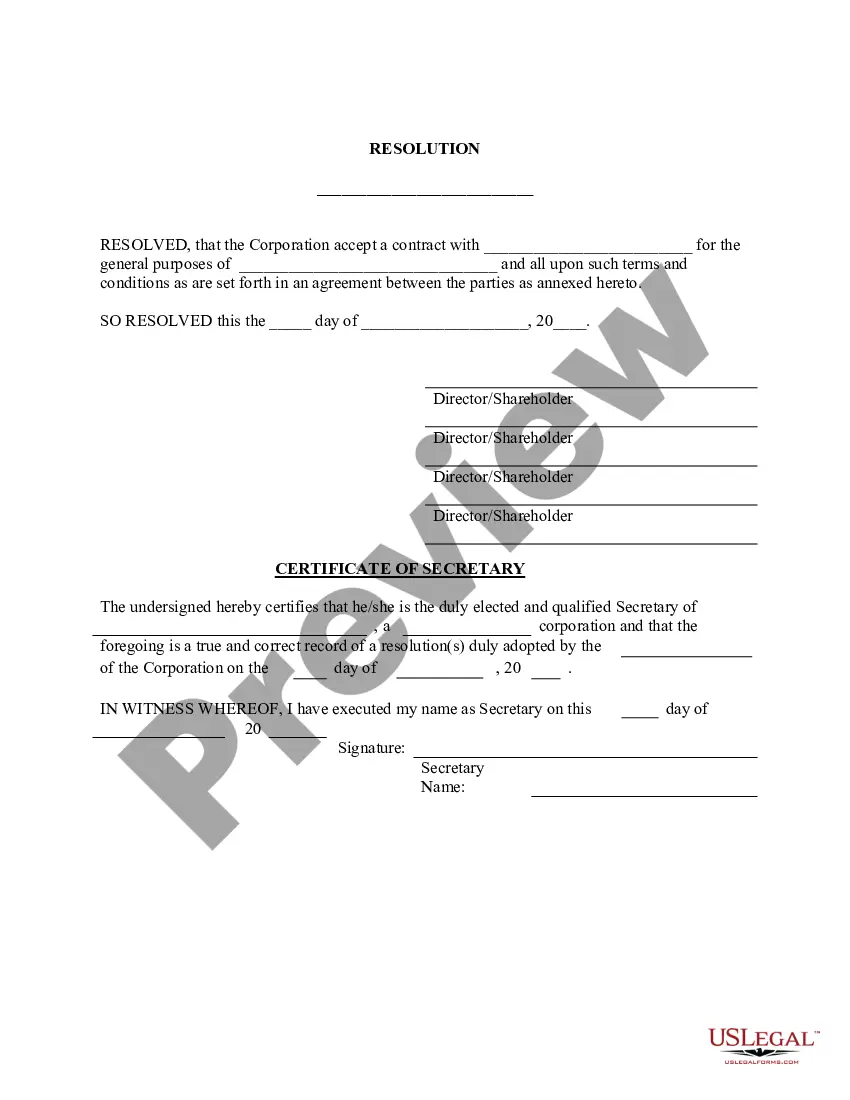
Get your form ready online
Our built-in tools help you complete, sign, share, and store your documents in one place.
Make edits, fill in missing information, and update formatting in US Legal Forms—just like you would in MS Word.
Download a copy, print it, send it by email, or mail it via USPS—whatever works best for your next step.
Sign and collect signatures with our SignNow integration. Send to multiple recipients, set reminders, and more. Go Premium to unlock E-Sign.
If this form requires notarization, complete it online through a secure video call—no need to meet a notary in person or wait for an appointment.
We protect your documents and personal data by following strict security and privacy standards.

Make edits, fill in missing information, and update formatting in US Legal Forms—just like you would in MS Word.

Download a copy, print it, send it by email, or mail it via USPS—whatever works best for your next step.

Sign and collect signatures with our SignNow integration. Send to multiple recipients, set reminders, and more. Go Premium to unlock E-Sign.

If this form requires notarization, complete it online through a secure video call—no need to meet a notary in person or wait for an appointment.

We protect your documents and personal data by following strict security and privacy standards.
Looking for another form?

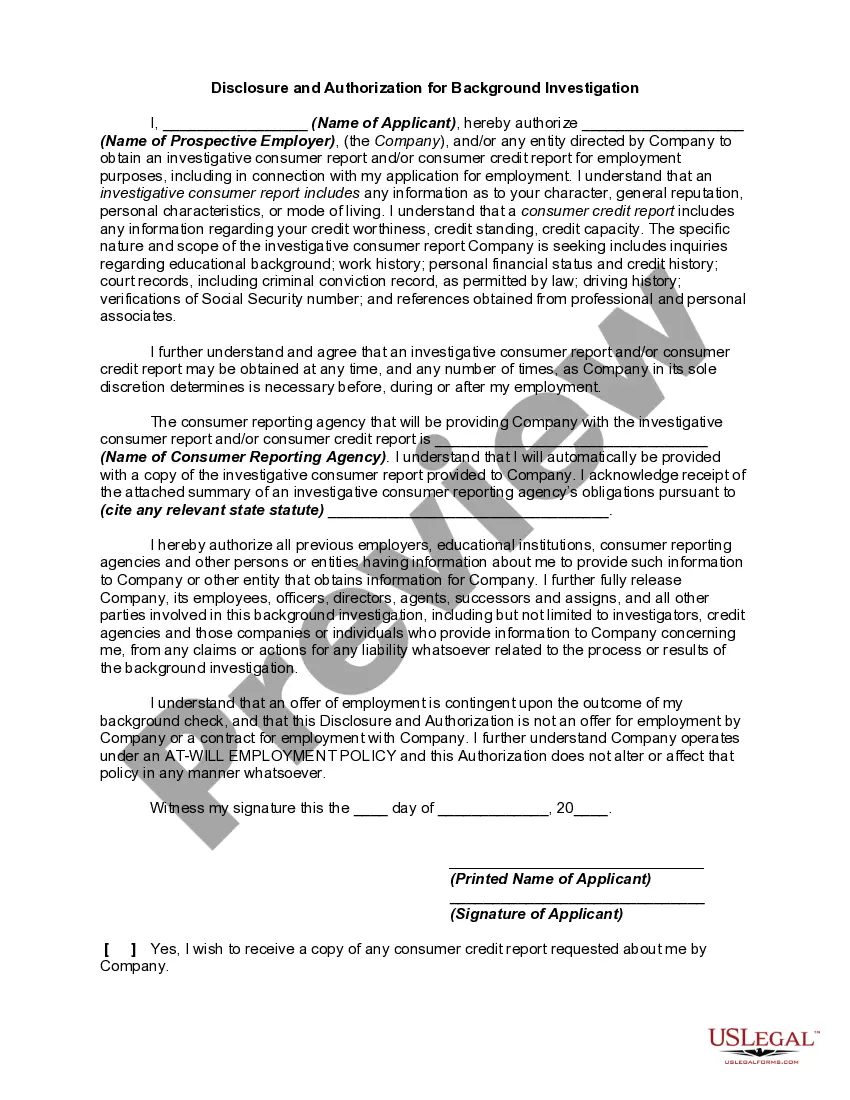



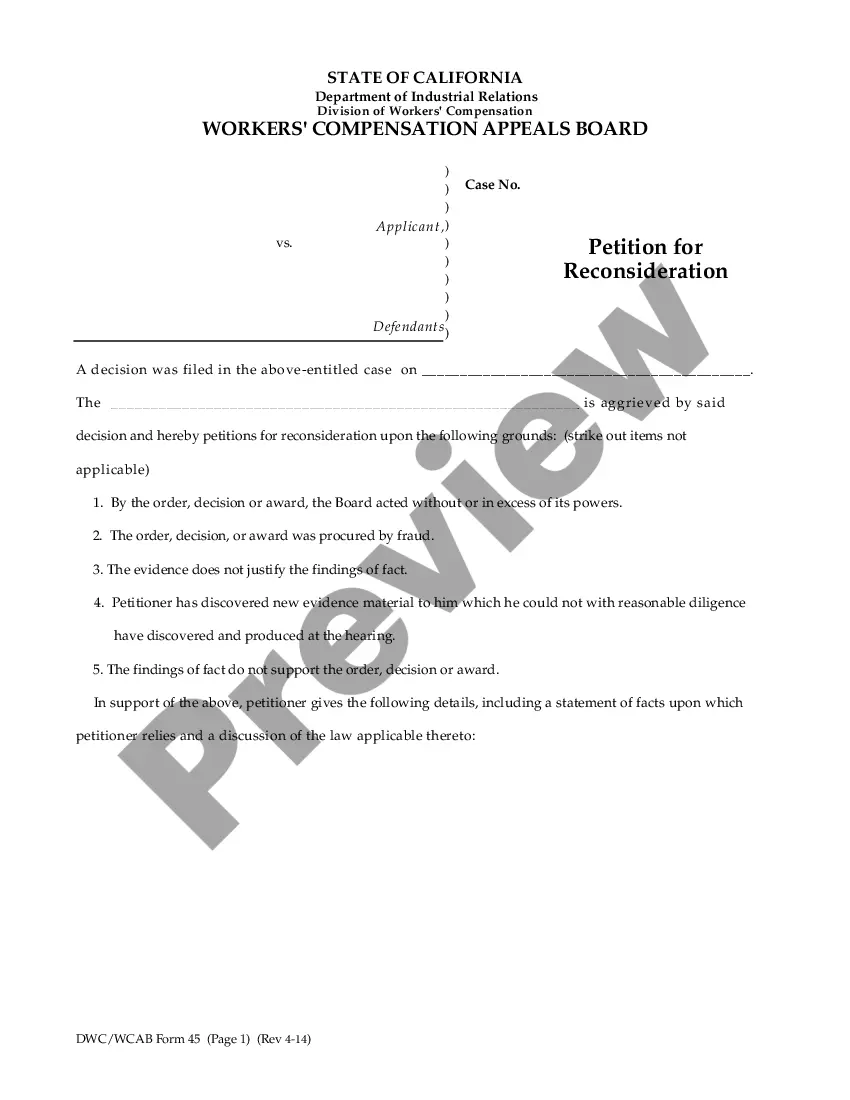
Form popularity
FAQ
The Permission Letter Format is as follows: Correct heading. The Date. Address the intended recipient. Recipient's Address. Salutation. Subject. The Letter's Body. Complimentary Closing.
Letters of testamentary are court-issued documents that grant you the legal authority to act as executor of a will. A letter of testamentary gives you the official go-ahead to settle your loved one's affairs and distribute their property ing to their wishes, including accessing and managing their assets.
Typically, the process of obtaining letters testamentary can take several weeks to several months, depending on the circumstances. The executor or personal representative must file a petition with the probate court, which will schedule a hearing to appoint the executor and issue the legal document.
The appointment letter acts as a legally binding contract between the employer and the employee. It sets the foundation for a professional relationship and ensures both parties know their rights and obligations.
A Letter of Testamentary—sometimes called a "Letter of Administration" or "Letter of Representation"—is a document granted by a local court. The document simply states that you are the legal executor for a particular estate and that you have the ability to act as such.
An appointment letter is an official communication between an employer and a candidate who is selected for a job position. It is a legal document that confirms the appointment of the candidate for a particular job opportunity.
An offer letter provides clarity and transparency to candidates about the job offer, helping them make informed decisions. The appointment letter, as a formal contract, ensures that both the employer and the employee are on the same page regarding the terms of employment.
An appointment letter is an official communication from an employer confirming that a candidate has been appointed for a role. It is issued by the employer after the offer letter has been issued, reviewed and accepted, and contained the terms and conditions of employment.
The appointment letter serves as a formal document offering a position to an individual. It outlines key details such as job title, responsibilities, start date, and compensation. Its summary encapsulates the terms and conditions of employment, providing clarity for both the employer and the employee.
Appointment letters are usually provided after offer letter on the first day of the candidate starting work. This letter describes in length the position offered, salary, benefits, confidentiality policy, work policy, starting date, and important information about the employment.
