Appointment Resolutions Within 24 Hours In California
Description
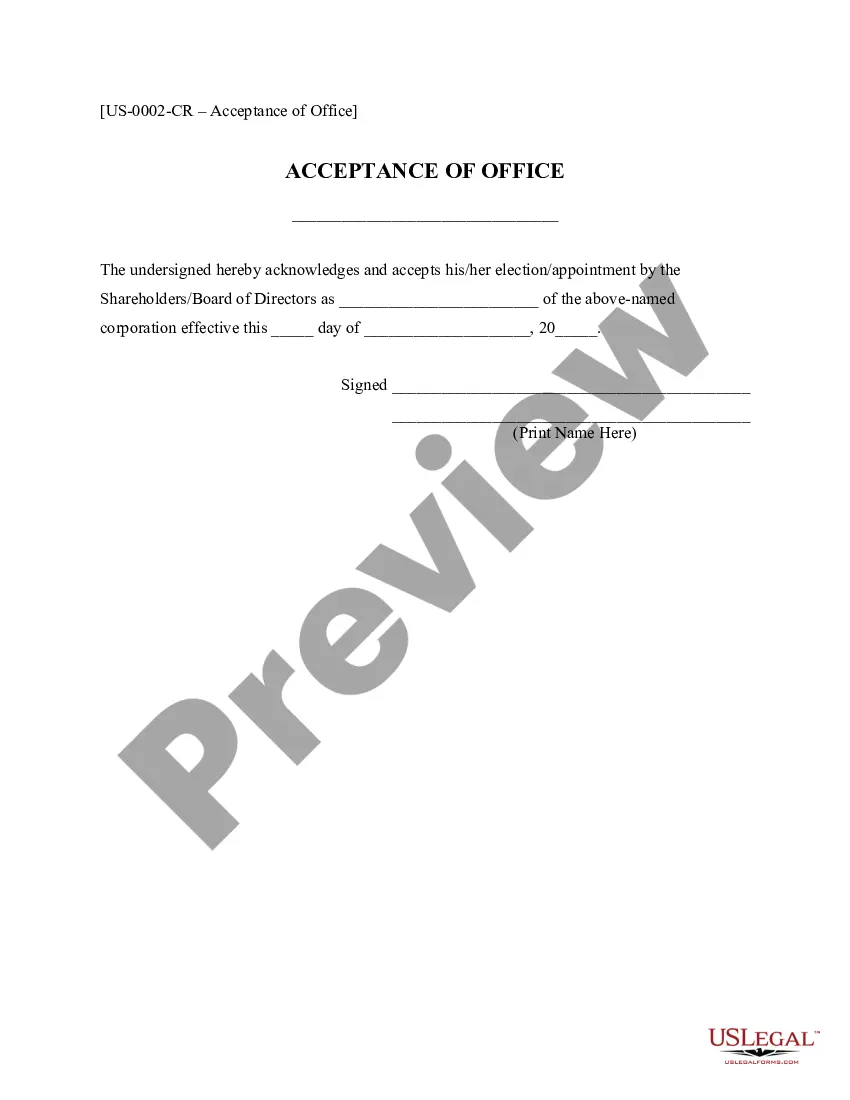

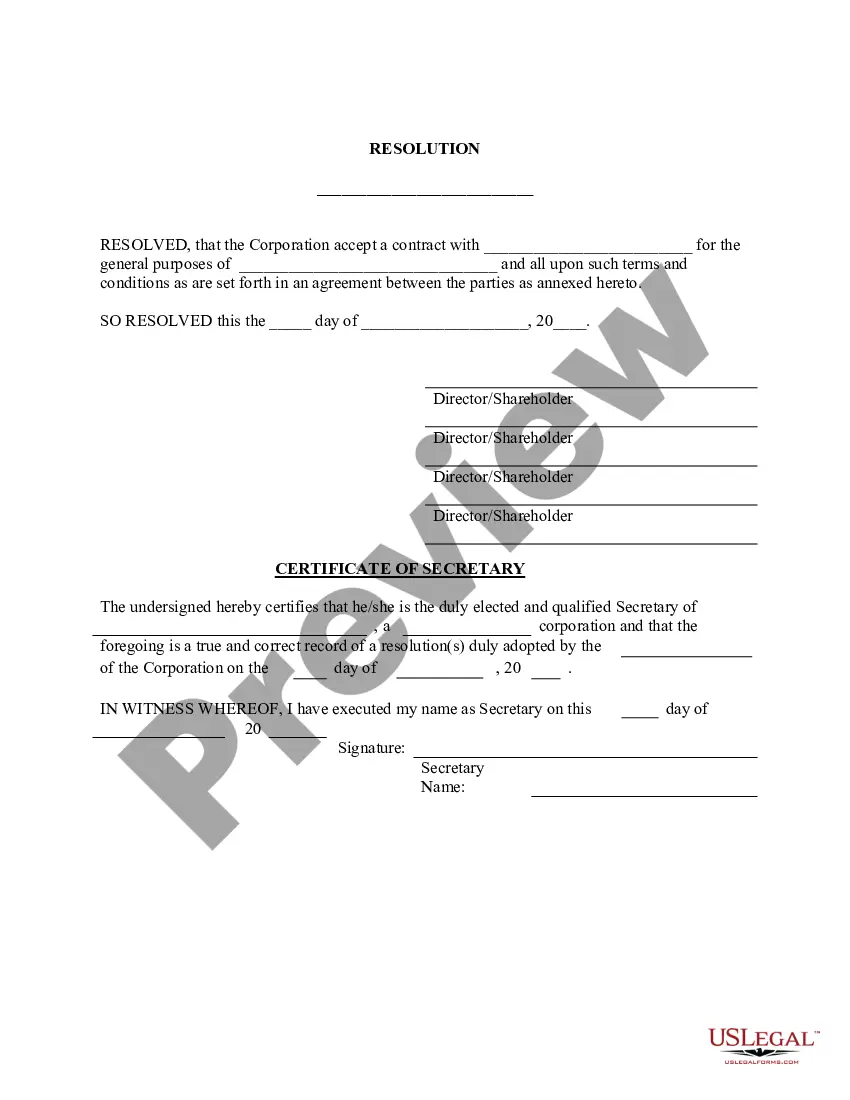
Get your form ready online
Our built-in tools help you complete, sign, share, and store your documents in one place.
Make edits, fill in missing information, and update formatting in US Legal Forms—just like you would in MS Word.
Download a copy, print it, send it by email, or mail it via USPS—whatever works best for your next step.
Sign and collect signatures with our SignNow integration. Send to multiple recipients, set reminders, and more. Go Premium to unlock E-Sign.
If this form requires notarization, complete it online through a secure video call—no need to meet a notary in person or wait for an appointment.
We protect your documents and personal data by following strict security and privacy standards.

Make edits, fill in missing information, and update formatting in US Legal Forms—just like you would in MS Word.

Download a copy, print it, send it by email, or mail it via USPS—whatever works best for your next step.

Sign and collect signatures with our SignNow integration. Send to multiple recipients, set reminders, and more. Go Premium to unlock E-Sign.

If this form requires notarization, complete it online through a secure video call—no need to meet a notary in person or wait for an appointment.

We protect your documents and personal data by following strict security and privacy standards.
Looking for another form?
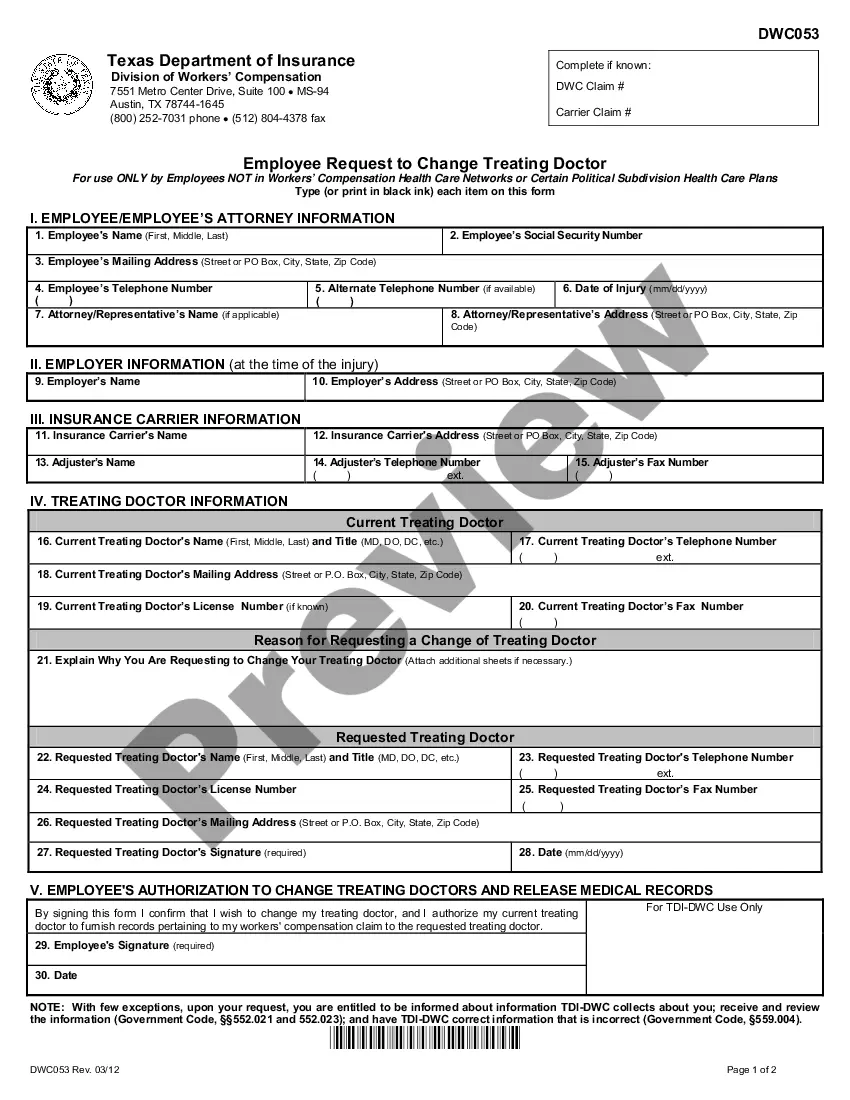



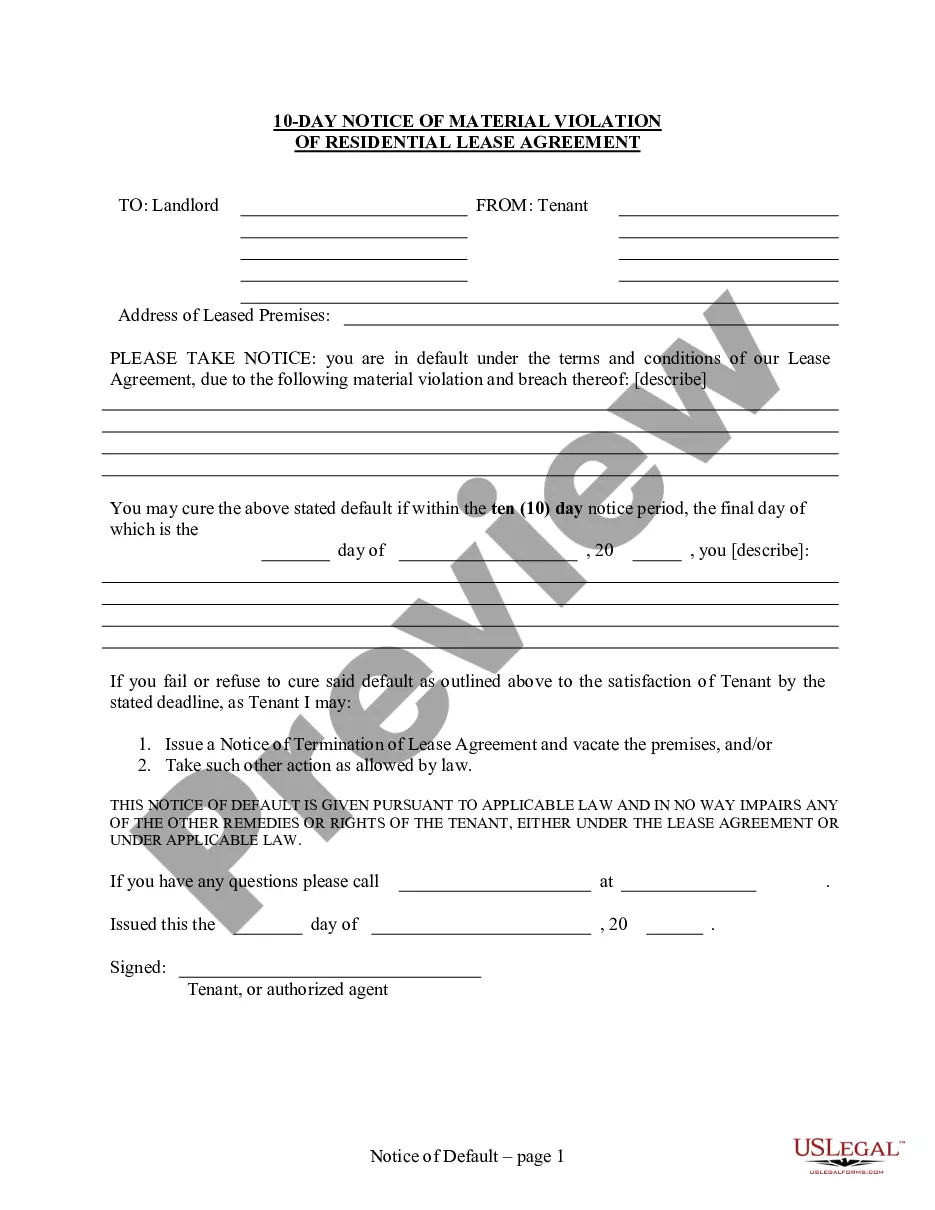





Form popularity
FAQ
Don't expect to keep your appointment if you don't arrive on time. Call ahead and reschedule if you think you'll be more than five minutes late. Accommodating your tardiness could mean throwing off the doctor's or hairdresser's other appointments for the rest of day. Arrive at least 10 to 15 minutes early.
There's no universally agreed-upon duration, but for straightforward, routine appointments (like your annual physical, a Pap smear, a prescription refill, etc.), the physicians I spoke with say that, generally, 20–30 minutes past your scheduled time is the outer bounds of acceptable—meaning if you've been waiting that ...
However, if a doctor is a little late for an appointment and it does not affect the patient's health, the situation is probably not medical malpractice. Also, something like running behind for routine check-ups typically does not qualify as negligence.
Usually, your medical group or health plan must give or deny approval within 3-5 days. If you need an urgent appointment for a service that requires prior approval, you should be able to schedule the appointment within 96 hours. Be sure you understand exactly what services are covered by a referral and prior approval.
But 20 minutes is about the maximum amount of time patients are willing to wait before becoming frustrated. That's a small margin for error. If you're not sure where you stand in terms of wait time, carefully track your wait times in both the waiting and exam rooms.
The purpose of the timely access law is to make sure you get the care you need. Sometimes you need appointments sooner than the law requires. In this case, your doctor can request a sooner appointment. Sometimes waiting longer for care is not a problem.
Timely access means that you can get appointments and services within a reasonable period of time.)
There's no universally agreed-upon duration, but for straightforward, routine appointments (like your annual physical, a Pap smear, a prescription refill, etc.), the physicians I spoke with say that, generally, 20–30 minutes past your scheduled time is the outer bounds of acceptable—meaning if you've been waiting that ...
The Brown Act was enacted in 1953 to guarantee the public's right to attend and participate in meetings of local legislative bodies, and as a response to growing concerns about local government officials' practice of holding secret meetings that were not in compliance with advance public notice requirements.
It mandates open and transparent government meetings for local legislative bodies. The Brown Act applies only to local agencies such as city councils, school boards, and county boards of supervisors.

