You And I With Chords In Wake
Description
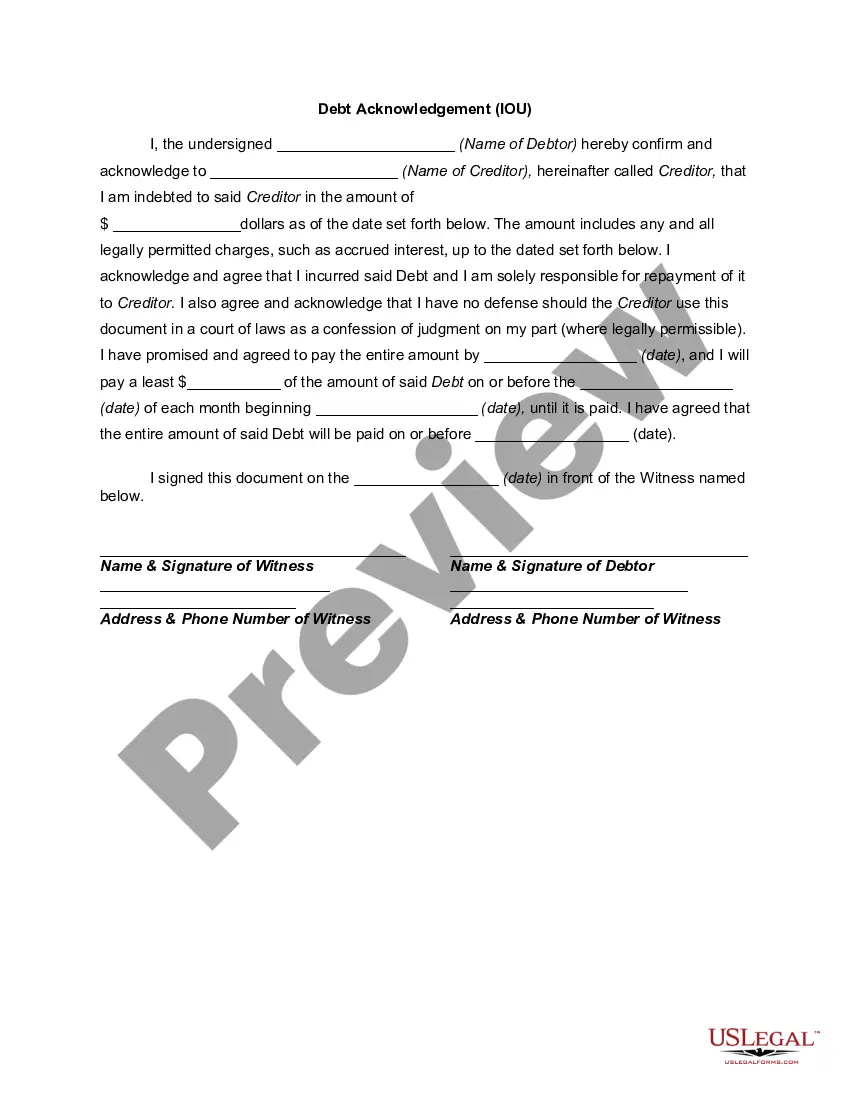
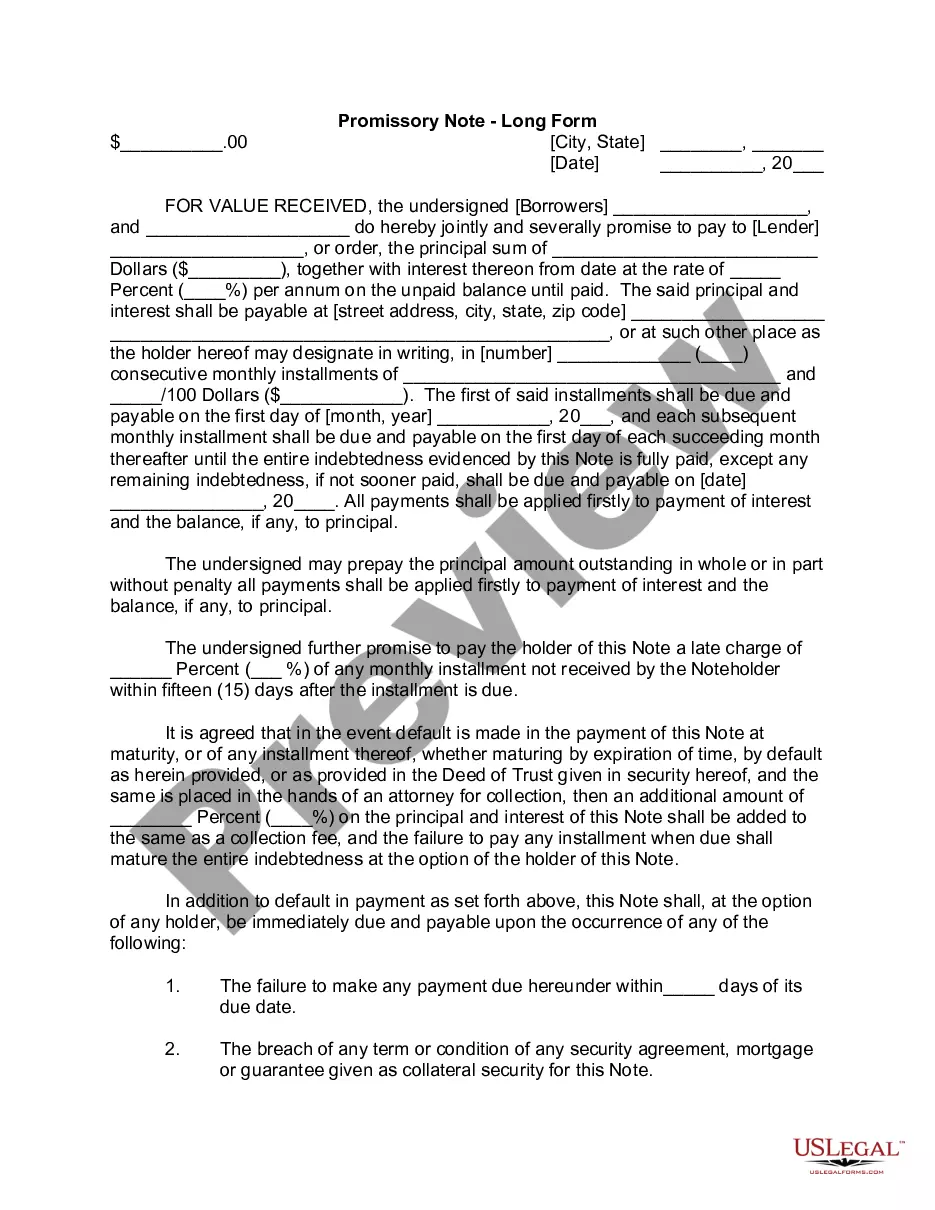
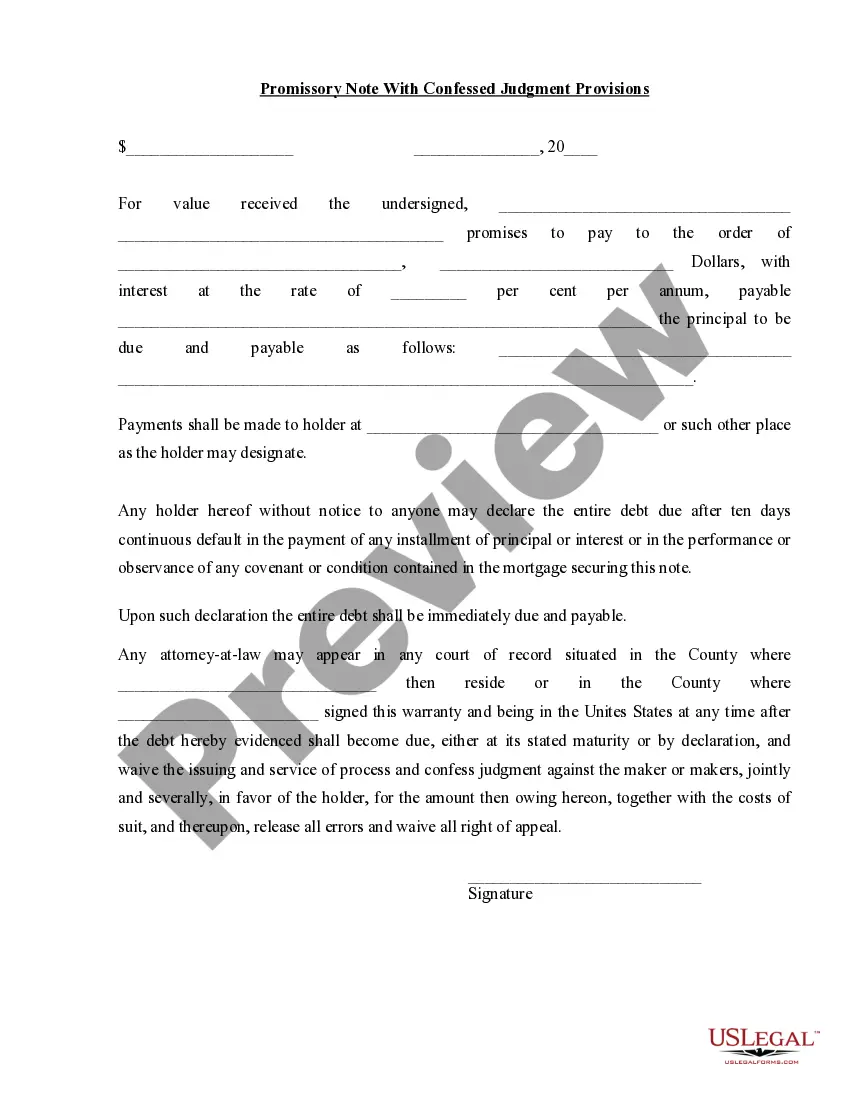
Get your form ready online
Our built-in tools help you complete, sign, share, and store your documents in one place.
Make edits, fill in missing information, and update formatting in US Legal Forms—just like you would in MS Word.
Download a copy, print it, send it by email, or mail it via USPS—whatever works best for your next step.
Sign and collect signatures with our SignNow integration. Send to multiple recipients, set reminders, and more. Go Premium to unlock E-Sign.
If this form requires notarization, complete it online through a secure video call—no need to meet a notary in person or wait for an appointment.
We protect your documents and personal data by following strict security and privacy standards.

Make edits, fill in missing information, and update formatting in US Legal Forms—just like you would in MS Word.

Download a copy, print it, send it by email, or mail it via USPS—whatever works best for your next step.

Sign and collect signatures with our SignNow integration. Send to multiple recipients, set reminders, and more. Go Premium to unlock E-Sign.

If this form requires notarization, complete it online through a secure video call—no need to meet a notary in person or wait for an appointment.

We protect your documents and personal data by following strict security and privacy standards.
Looking for another form?



Form popularity
FAQ
The 3 chord trick, also known as the 1-4-5 progression, is a chord sequence that is widely used in popular music. It involves using the three primary chords in a particular key to create a catchy and memorable progression. These primary chords are usually the tonic (1), subdominant (4), and dominant (5) chords.
Chord ai uses recent advances in AI to give you the chords and beats of any song automatically with unprecedented accuracy. You won't need anymore to look for the chords of a song on the web.
Effortlessly identify chords from any song with chord finder. Whether you want to learn about notation, practice with precision, or create new arrangements, Moises' AI chord finder detects, generates, and displays chords to any song in real-time.
What is the 1 3 5 rule for chords? The '135 rule' is that basic minor, major, diminished, and augmented chords must be created using a root, 3rd, and 5th. These intervals refer to notes picked from the major scale and are used to create each chord.
And fifth of the scale. Are going to be major chords. So c f g.MoreAnd fifth of the scale. Are going to be major chords. So c f g.
Like the Beast, it goes by many names: Diabolus in musica (devil in music), the devil's interval, the tritone, the triad and the flatted fifth. As its Latin moniker suggests, it's an evil sounding combination of notes that's designed to create a chilling or foreboding atmosphere.
As mentioned above, chord progressions themselves are not protected by law. However, melodies, lyrics, and other unique elements from a song are copyrightable, so be sure not to use these unless you've obtained the necessary permissions or licenses.
Chord ai uses recent advances in AI to give you the chords and beats of any song automatically with unprecedented accuracy.
The I, IV, and V chords are the three most used chords in each major key. Aloud you would call them, “The one, four, and five chords.” The I chord is built on the first note of the key. The IV chord is built on the fourth note of the key.
Chord. But there is a short section just after the first chorus which plays an A Minor G Major G.MoreChord. But there is a short section just after the first chorus which plays an A Minor G Major G. Major then to F. And it plays a little riff as well just using the a minor pentatonic scale. Foreign.

