Employment Law For Under 18 In San Antonio
Description

Get your form ready online
Our built-in tools help you complete, sign, share, and store your documents in one place.
Make edits, fill in missing information, and update formatting in US Legal Forms—just like you would in MS Word.
Download a copy, print it, send it by email, or mail it via USPS—whatever works best for your next step.
Sign and collect signatures with our SignNow integration. Send to multiple recipients, set reminders, and more. Go Premium to unlock E-Sign.
If this form requires notarization, complete it online through a secure video call—no need to meet a notary in person or wait for an appointment.
We protect your documents and personal data by following strict security and privacy standards.
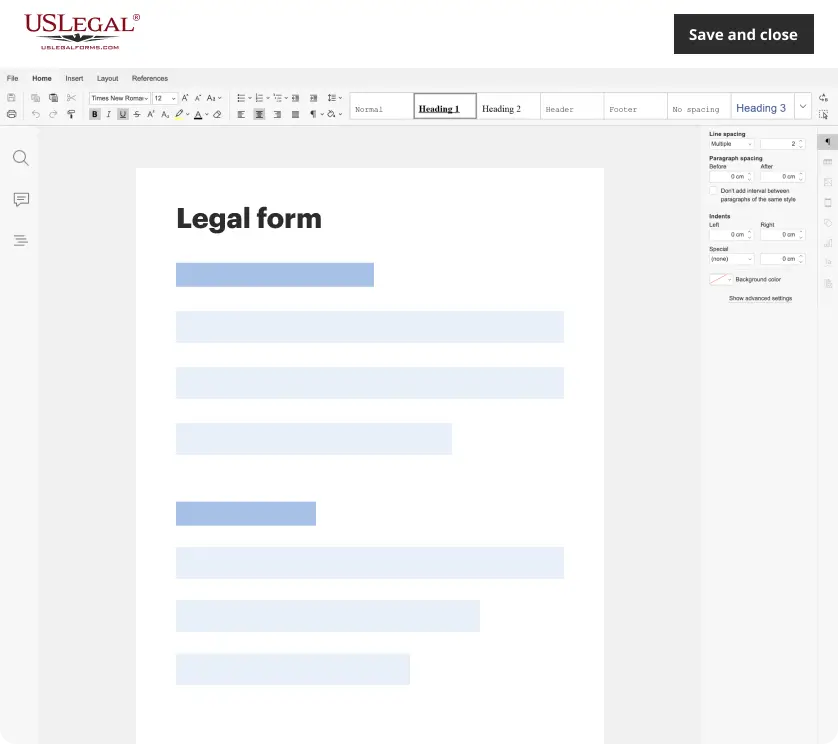
Make edits, fill in missing information, and update formatting in US Legal Forms—just like you would in MS Word.
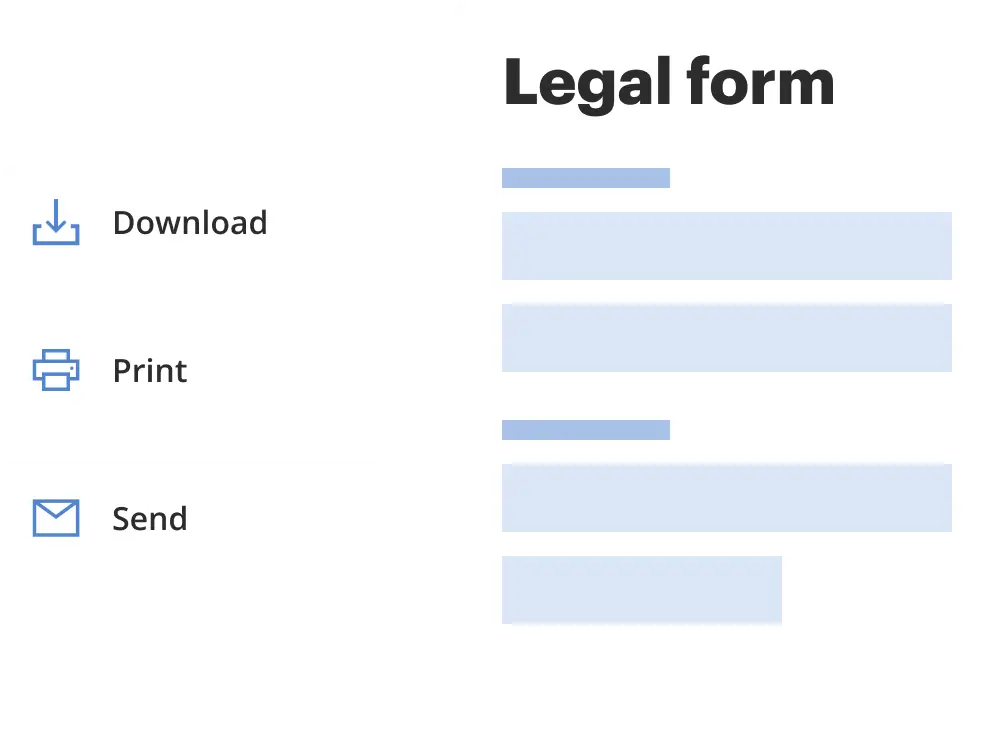
Download a copy, print it, send it by email, or mail it via USPS—whatever works best for your next step.
Sign and collect signatures with our SignNow integration. Send to multiple recipients, set reminders, and more. Go Premium to unlock E-Sign.
If this form requires notarization, complete it online through a secure video call—no need to meet a notary in person or wait for an appointment.
We protect your documents and personal data by following strict security and privacy standards.
Looking for another form?

Form popularity
FAQ
For non-agricultural jobs, children under 14 may not be employed, children between 14 and 16 may be employed in allowed occupations during limited hours, and children between 16 and 17 may be employed for unlimited hours in non-hazardous occupations.
Typically state laws have child labor laws that prohibit 17 year olds from working more than 18 hrs a week when school is in session and no more than 40 hrs a week when school is not in session. I am not sure about federal laws, but you can likely google child labor laws to find out the restrictions in your area.
Texas State Law State law states that 14- and 15- year olds: Can work no more than 8 hours in one day. Can work no more than 48 hours in one week. Cannot go to work before 5 a.m.
In Texas, they can start as young as 14 years old. Anyone under the age of 18 is considered a minor. Minors must make at least the federal minimum wage — $7.25 an hour.
A child who is 16 or 17 has no restrictions on the number of hours or times of day they may work. There are hour restrictions only for children who are 14 and 15, with separate state and federal laws that cover their work hours.
In Texas, they can start as young as 14 years old. Anyone under the age of 18 is considered a minor. Minors must make at least the federal minimum wage — $7.25 an hour.
Furthermore, a child 14 or 15 years of age may work only between 7 a.m. and 7 p.m. during the school year. Between June 1 and Labor Day, a child may work between the hours of 7 a.m. and 9 p.m. A child 16 or 17 years of age has no restrictions on the number of hours or times of day they may work.
The basic rule of Texas employment law is employment at will, which applies to all phases of the employment relationship - it means that absent a statute or an express agreement (such as an employment contract) to the contrary, either party in an employment relationship may modify any of the terms or conditions of ...
Under the Fair Labor Standards Act (FLSA) a child 14 or 15 years of age may not work during school hours, may not work more than three hours on a school day or 18 hours during a school week, and may not work more than eight hours on a non-school day or 40 hours during a non-school week.
You may not work: More than 3 hours on a school day, including Friday; More than 18 hours per week when school is in session; More than 8 hours per day when school is not in session; More than 40 hours per week when school is not in session; and.