I Debt To You In Ohio
Description
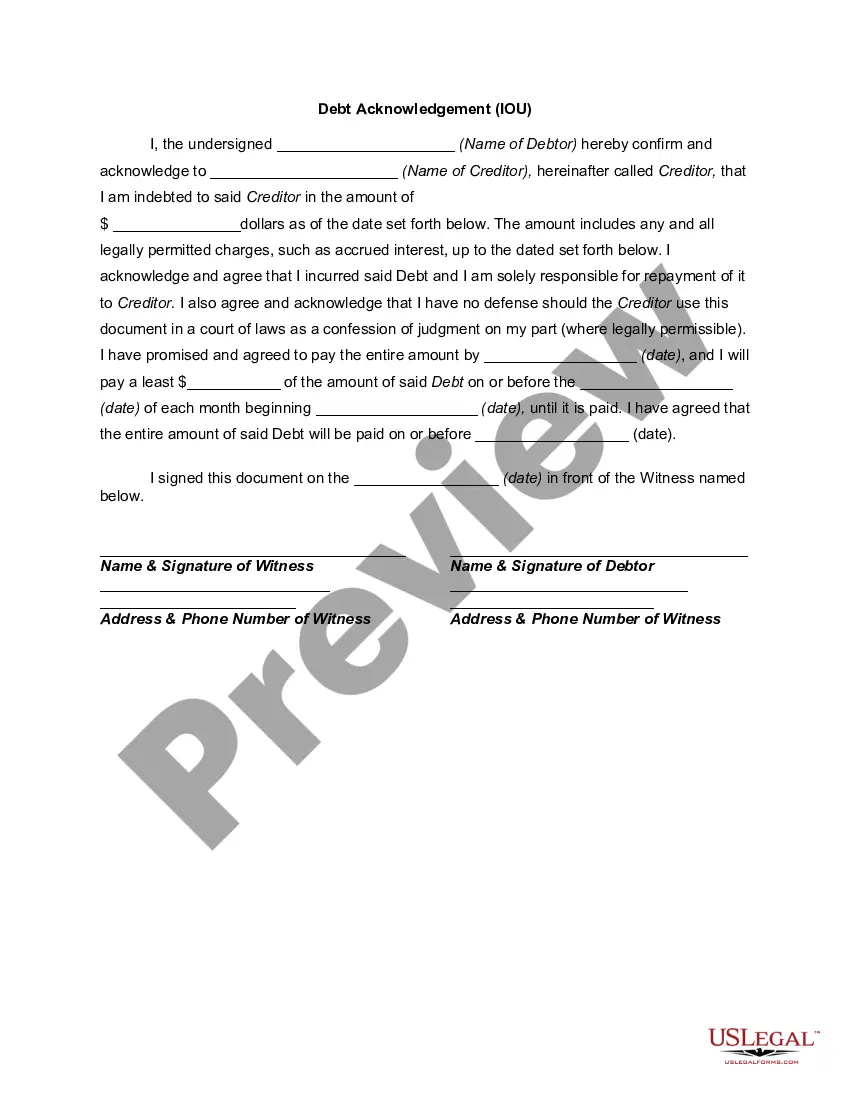
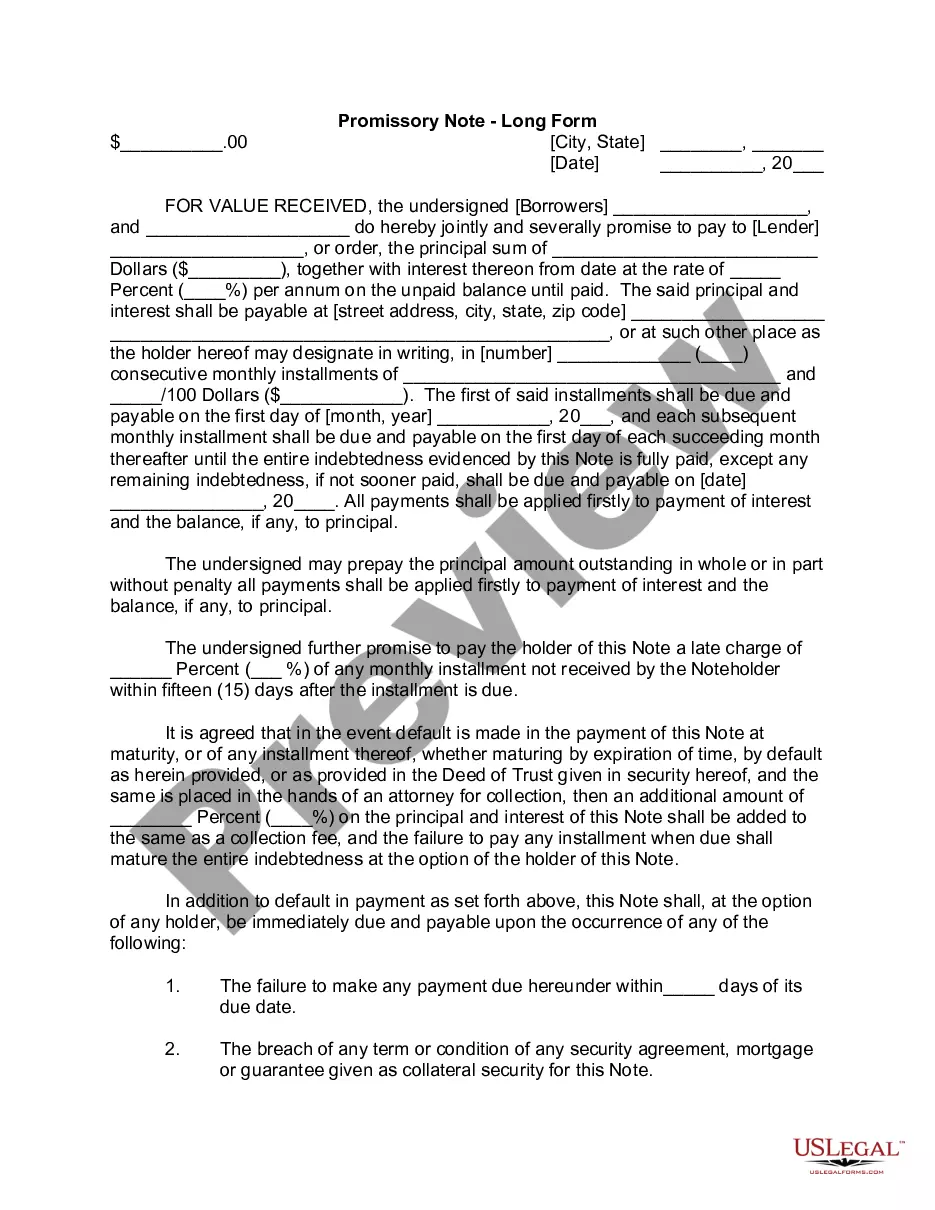
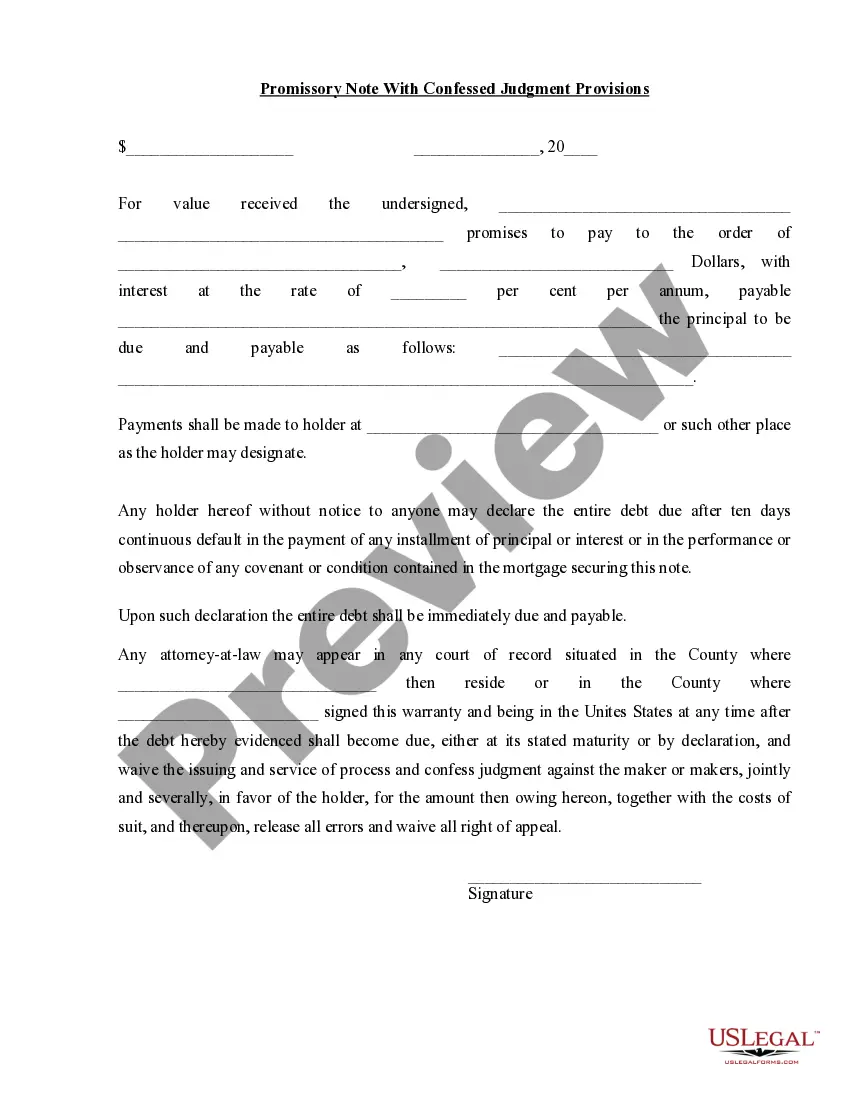
Get your form ready online
Our built-in tools help you complete, sign, share, and store your documents in one place.
Make edits, fill in missing information, and update formatting in US Legal Forms—just like you would in MS Word.
Download a copy, print it, send it by email, or mail it via USPS—whatever works best for your next step.
Sign and collect signatures with our SignNow integration. Send to multiple recipients, set reminders, and more. Go Premium to unlock E-Sign.
If this form requires notarization, complete it online through a secure video call—no need to meet a notary in person or wait for an appointment.
We protect your documents and personal data by following strict security and privacy standards.

Make edits, fill in missing information, and update formatting in US Legal Forms—just like you would in MS Word.

Download a copy, print it, send it by email, or mail it via USPS—whatever works best for your next step.

Sign and collect signatures with our SignNow integration. Send to multiple recipients, set reminders, and more. Go Premium to unlock E-Sign.

If this form requires notarization, complete it online through a secure video call—no need to meet a notary in person or wait for an appointment.

We protect your documents and personal data by following strict security and privacy standards.
Looking for another form?










Form popularity
FAQ
No you are not individually responsible for your mother's debt. The only recourse a creditor has is to file a claim with the estate. If there is no estate then there is nothing the creditor can do. Usually in these situations the debt is written off, but in the end you are not individually responsible.
The experienced Ohio debt-relief attorneys at Fesenmyer Cousino Weinzimmer have some good news — getting married does not mean that one spouse takes on the other's past debt or negative credit score. Ohio is a “common property law” state, which means you're generally responsible only for debt that's in your name.
Bottom Line. You are not responsible for your parent's debt. Any debt that they held is managed through the estate, and then disposed of. However, if you choose to take out a joint loan with your parents while they're alive or to assume a burdened asset from their estate, you can voluntarily take on their debt.
File the answer with your clerk of courts' office. The summons will have the address and contact information for the clerk of court's office. Mail a copy of your answer on the plaintiff's attorney. You can find name and address for the plaintiff's attorney on the summons.
Most states or jurisdictions have statutes of limitations between three and six years for debts, but some may be longer. This may also vary depending, for instance, on the: Type of debt. State where you live.
There are two types of debt you could inherit from your parents: loans you co-signed for them and medical debt (in certain states). Over half of U.S. states have filial responsibility laws, which say adult children may be responsible for their parents' care expenses if they can't support themselves.
Specifically, the rule states that a debt collector cannot: Make more than seven calls within a seven-day period to a consumer regarding a specific debt. Call a consumer within seven days after having a telephone conversation about that debt.
Here are crucial steps to follow in the debt collection process. Step 1: Contact the Debtor. Step 2: Send a Demand Letter. Step 3: Consider Negotiation. Step 4: Hire a Collection Agency. Step 5: Provide Documentation. Step 6: Monitor Progress. Step 7: Consider Legal Action.