Debt To Income Ratio In Nevada
Description
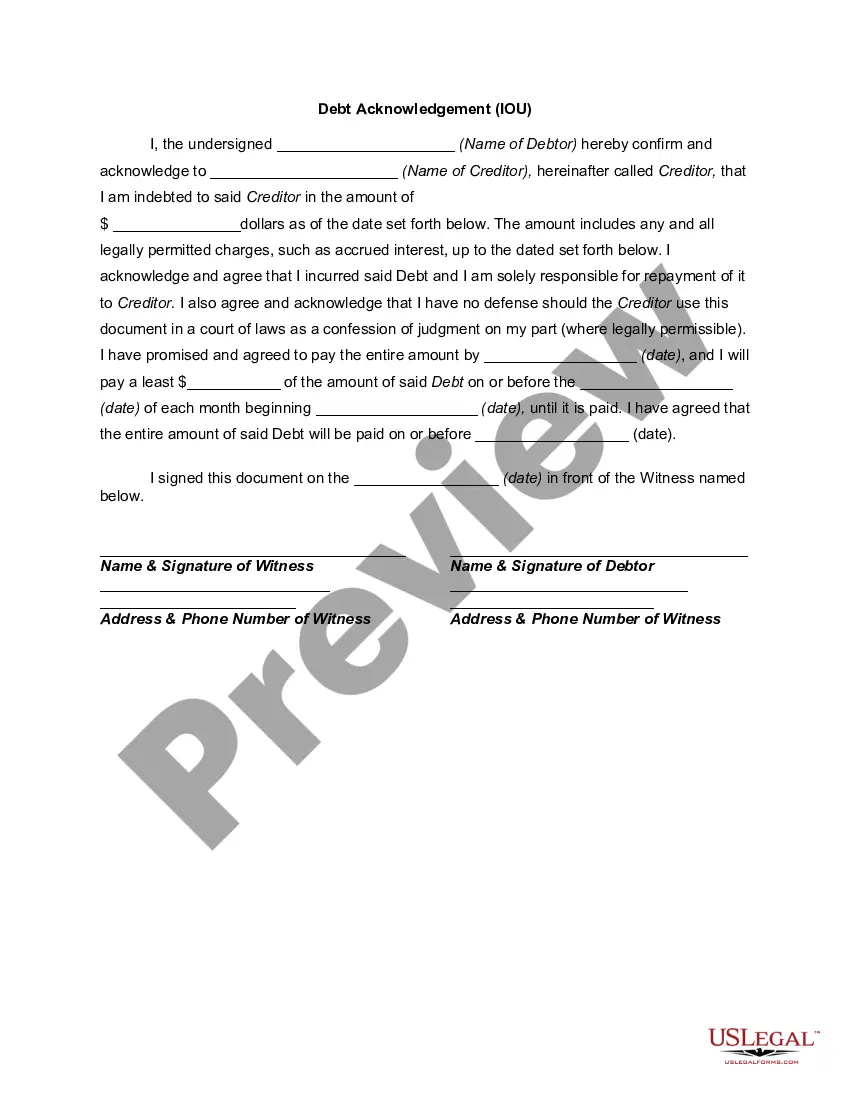
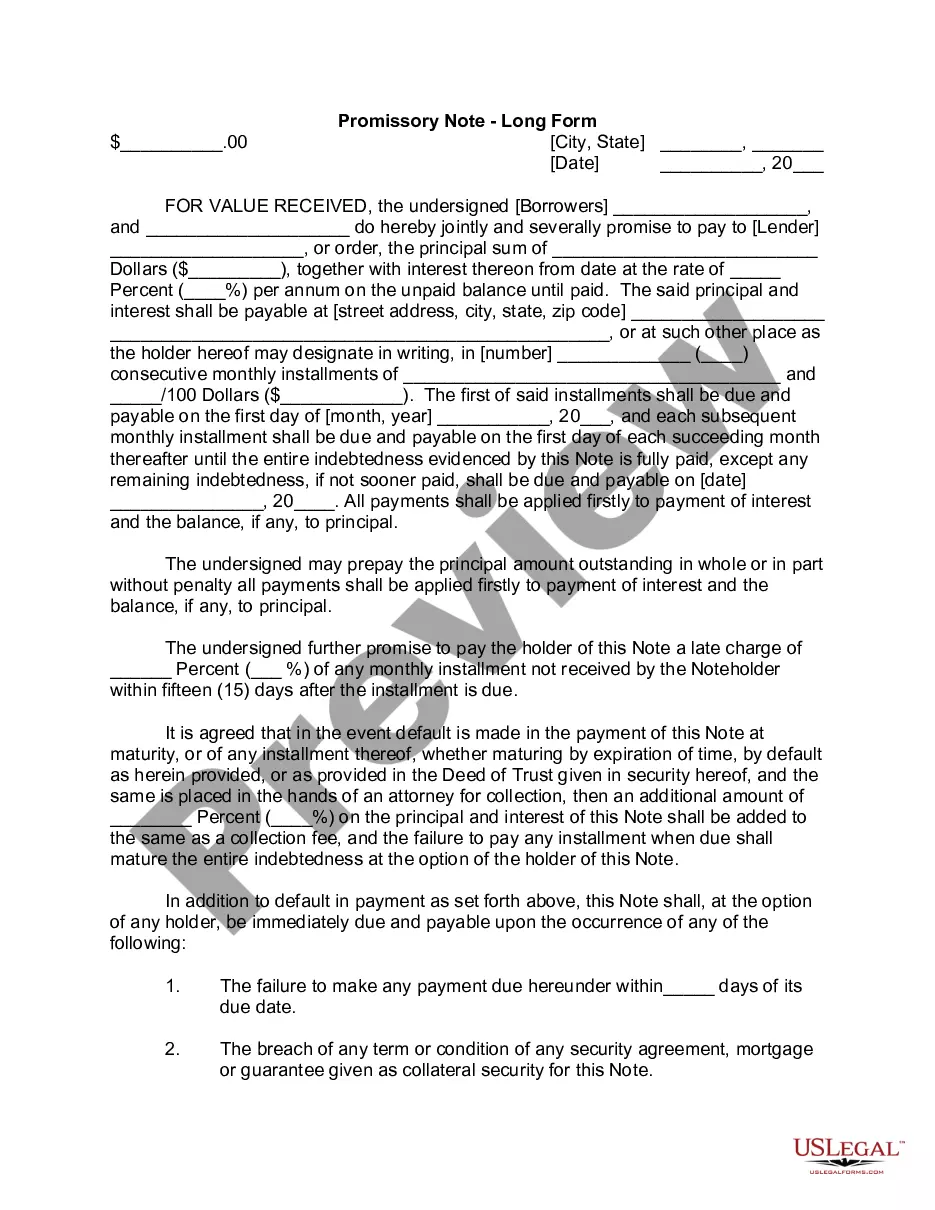
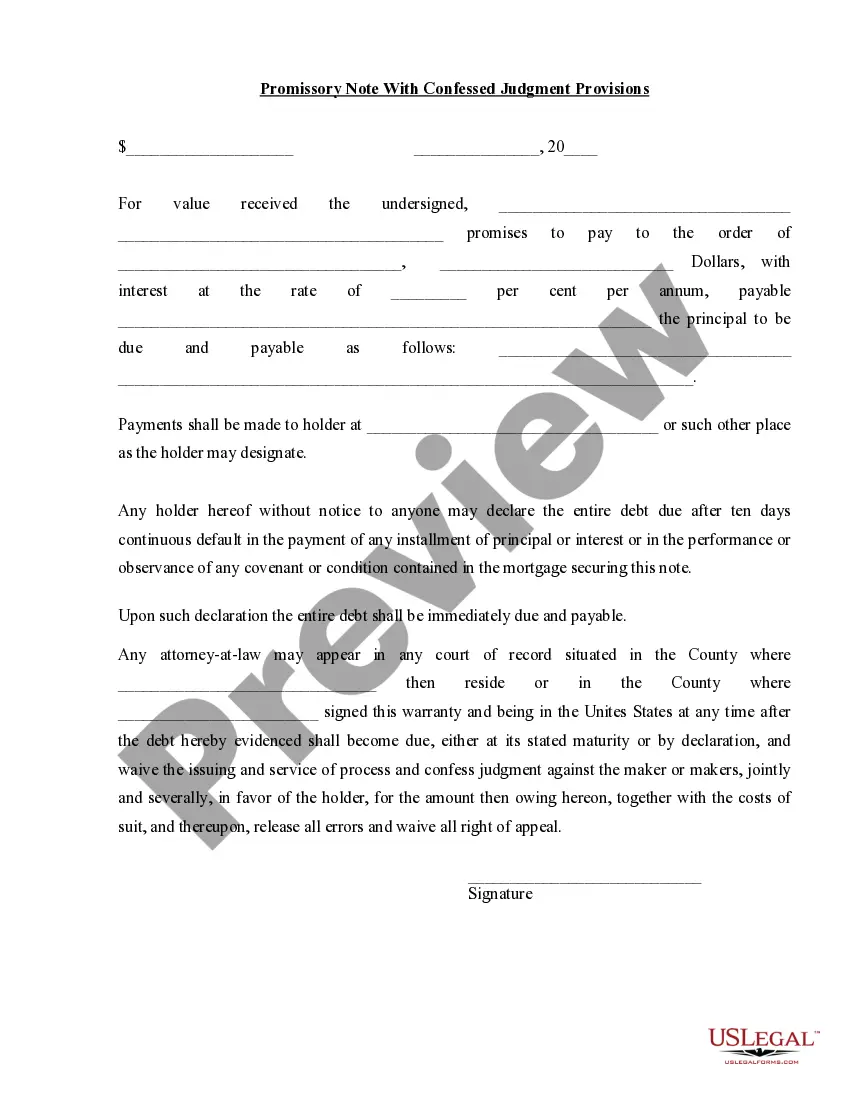
Get your form ready online
Our built-in tools help you complete, sign, share, and store your documents in one place.
Make edits, fill in missing information, and update formatting in US Legal Forms—just like you would in MS Word.
Download a copy, print it, send it by email, or mail it via USPS—whatever works best for your next step.
Sign and collect signatures with our SignNow integration. Send to multiple recipients, set reminders, and more. Go Premium to unlock E-Sign.
If this form requires notarization, complete it online through a secure video call—no need to meet a notary in person or wait for an appointment.
We protect your documents and personal data by following strict security and privacy standards.

Make edits, fill in missing information, and update formatting in US Legal Forms—just like you would in MS Word.

Download a copy, print it, send it by email, or mail it via USPS—whatever works best for your next step.

Sign and collect signatures with our SignNow integration. Send to multiple recipients, set reminders, and more. Go Premium to unlock E-Sign.

If this form requires notarization, complete it online through a secure video call—no need to meet a notary in person or wait for an appointment.

We protect your documents and personal data by following strict security and privacy standards.
Looking for another form?










Form popularity
FAQ
The debt ratio, or total debt-to-total assets, is calculated by dividing a company's total debt by its total assets. It is also called the debt-to-assets ratio. It is a leverage ratio that defines how much debt a company carries compared to the value of the assets it owns.
Companies with a Debt-to-Equity Ratio of around 1.0 to 2.0 are often considered to have a healthy balance sheet. It's important to note that the ideal Debt-to-Equity Ratio can vary depending on the industry. Some industries naturally operate with higher debt levels, while others maintain lower ratios.
A company's debt ratio can be calculated by dividing total debt by total assets. A debt ratio of greater than 1.0 or 100% means a company has more debt than assets while a debt ratio of less than 100% indicates that a company has more assets than debt.
Focus on high-interest debts first: Pay off credit card balances or personal loans with the highest interest rates. Reducing these debts lowers your monthly obligations and improves your DTI ratio. Use windfalls wisely: Apply any unexpected windfalls, such as tax refunds or bonuses, directly to your debt.
A 75% debt ratio means that 75% of a company's assets are financed by debt. While it indicates significant leverage, whether it's good or bad depends on the industry and the company's ability to manage debt. High ratios may increase financial risk but can also boost returns during favorable conditions.
Total debt represents the sum of all financial obligations a company owes, both short-term and long-term. To calculate total debt, you add together the company's short-term debt (due within one year) and long-term debt (due in more than one year). This gives a clear picture of the company's overall debt.
Your particular ratio in addition to your overall monthly income and debt, and credit rating are weighed when you apply for a new credit account. Standards and guidelines vary, most lenders like to see a DTI below 35─36% but some mortgage lenders allow up to 43─45% DTI, with some FHA-insured loans allowing a 50% DTI.
To calculate your DTI, add up all of your monthly debt payments, then divide by your monthly income. Here's how to calculate your DTI. Total your regular monthly payments for such expenses as credit cards, student loans, personal loans, alimony or child support – anything that shows up on a credit report.
A company's debt ratio can be calculated by dividing total debt by total assets. A debt ratio of greater than 1.0 or 100% means a company has more debt than assets while a debt ratio of less than 100% indicates that a company has more assets than debt.
These are some examples of payments included in debt-to-income: Monthly mortgage payments (or rent) Monthly expense for real estate taxes. Monthly expense for home owner's insurance. Monthly car payments. Monthly student loan payments. Minimum monthly credit card payments. Monthly time share payments.
